
🌳 Black Locust
What it looks like
How to grow
Plant black locust only inside its native Appalachian and Ozark range, and check your state list first: it is listed as invasive in Minnesota, Connecticut, Wisconsin and Michigan and prohibited in Massachusetts and Maine, and it spreads readily by seed and root suckers outside its home ground. Elsewhere, choose a different tree. Inside its range, give it full sun and well-drained, even poor, sandy or rocky soil; it fixes its own nitrogen, so it thrives where fussier trees sulk. Plant container or balled-and-burlapped stock in spring or fall at the same depth it grew in the nursery, and keep it away from paths and play areas, because the twigs carry paired spines and the bark, leaves and seeds are toxic if eaten. It is a big tree, 30-50 feet tall, with hanging clusters of fragrant white flowers in late spring that bees love.
Water & feeding
Water deeply through the first growing season, then back off: established black locust is very drought tolerant and dislikes wet feet. It needs almost no fertilizer, and extra nitrogen only fuels soft, breakable growth. Mulch to hold moisture while young, keeping mulch off the trunk, and do not waterlog it in heavy clay.
Common problems
- Root suckers forming colonies — mow or cut suckers promptly and do not plant it where suckering can escape into wild land.
- Locust leaf miner browning leaves by midsummer — unsightly but rarely fatal; keep the tree vigorous and tolerate it.
- Locust borer tunnelling in trunks — remove badly damaged wood and avoid wounding the bark.
- Heart rot in older trees — have large, hollow or storm-damaged limbs checked by an arborist.
- Thorns and toxic pods — site it away from walkways and never let children or livestock chew bark, leaves or seeds.
Notes
The wood is famously rot-resistant and was prized for fence posts, which is why the tree was planted far beyond its native range in the first place. That history is exactly why it now needs restraint: a useful tree in its home counties, a weed everywhere it was over-planted.
Browse all plant & pest guides
Saving seeds
Black locust (Robinia pseudoacacia) is a tree that does not need your help to reproduce — it needs your supervision. It suckers from its roots, it self-seeds with abandon, and a single tree left to its own devices will cheerfully become a grove. Saving its seed is therefore easy; the real skill is deciding you want more of it on purpose, in a place you chose, rather than discovering it has already made that decision for you.
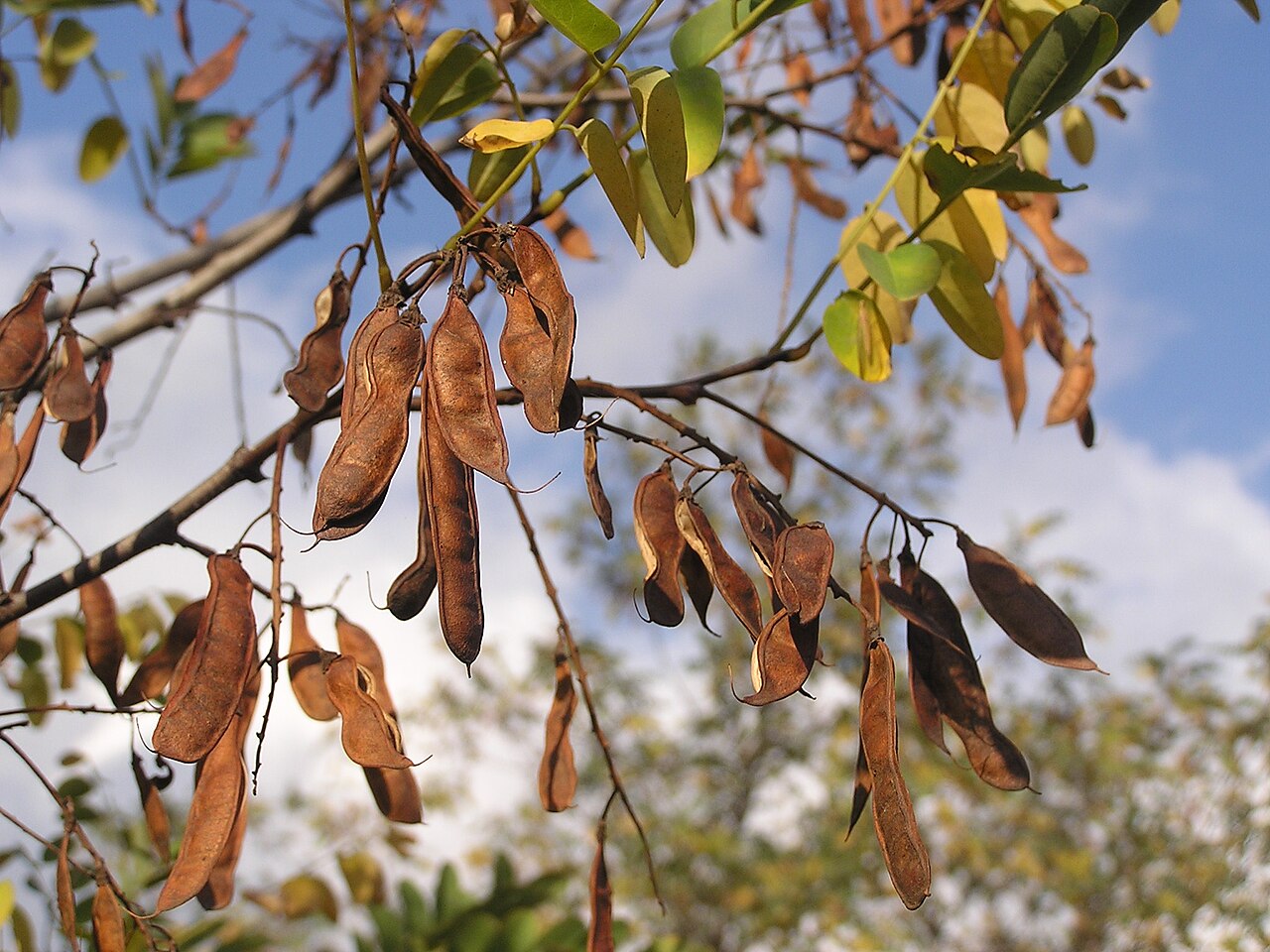
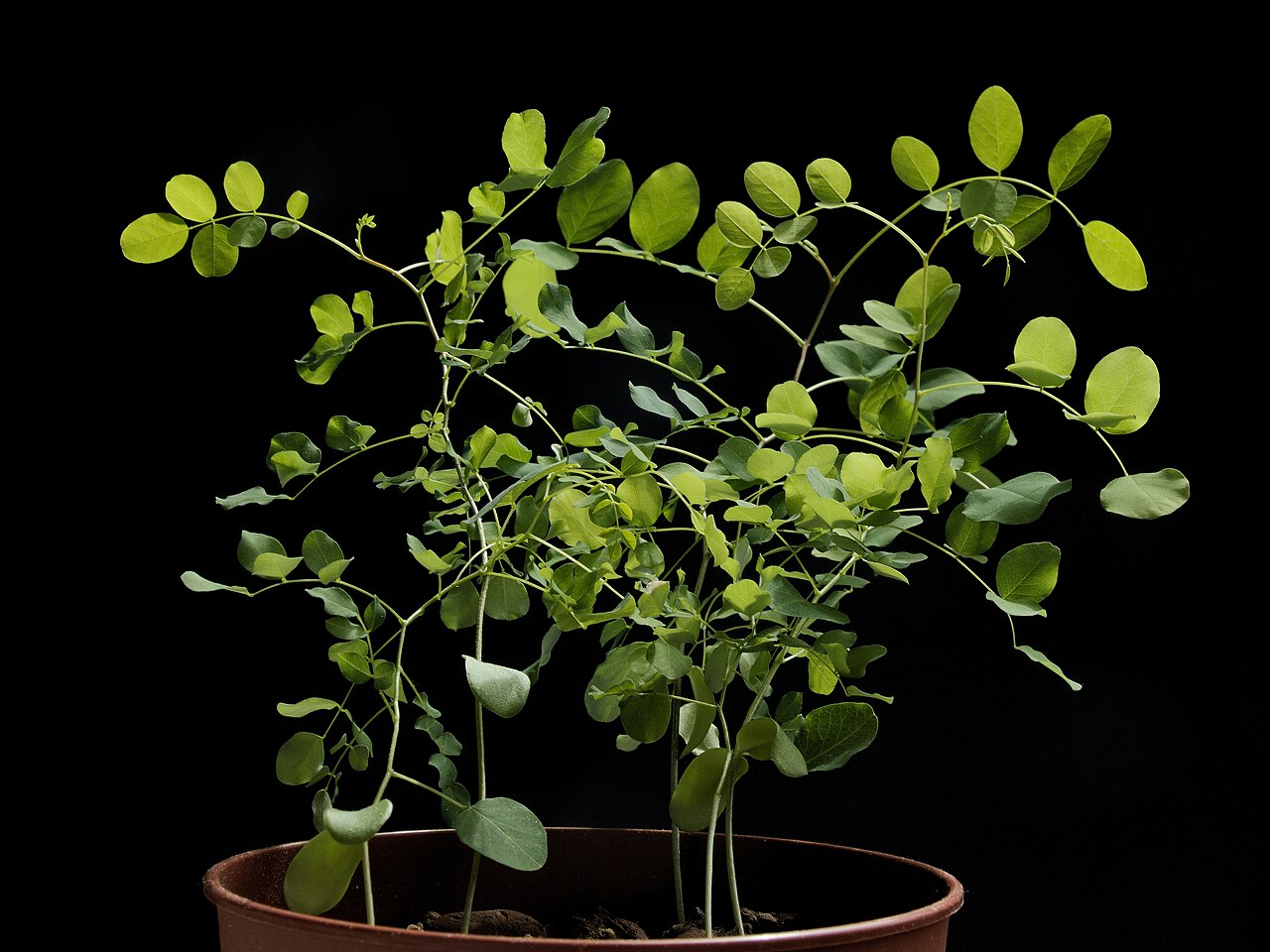
Collect the flat, smooth pods in fall or winter — they hang on the bare branches long after the leaves fall, which makes them one of the easiest tree seeds to spot in a winter garden. Each pod holds a handful of small, kidney-shaped, hard-coated seeds. That hard coat is the whole story of black locust germination: it is waterproof, it is stubborn, and it is why seed sown untreated mostly sits there ignoring you. Scarification is the non-negotiable step. Nick each seed lightly with sandpaper or a file until you see a pale spot where the coat is breached, or soak the seed in hot water for about a day. Sources agree that scarification is the essential treatment; cold stratification is not the usual requirement for this species, so do not add a winter in the fridge out of habit and then wonder why nothing changed. Sow scarified seed in spring, in warm, well-drained soil, and expect sprouts within a few weeks.
Safety first, stated plainly: the bark, leaves, and seeds of black locust are toxic to people and livestock. Do not chew the seeds, do not let children play at shelling pods unsupervised, wash your hands after handling, and do not let livestock browse the tree. The seed you are saving is not food, not a snack, and not a tea ingredient. Keep the seed jar out of reach and clearly labelled.
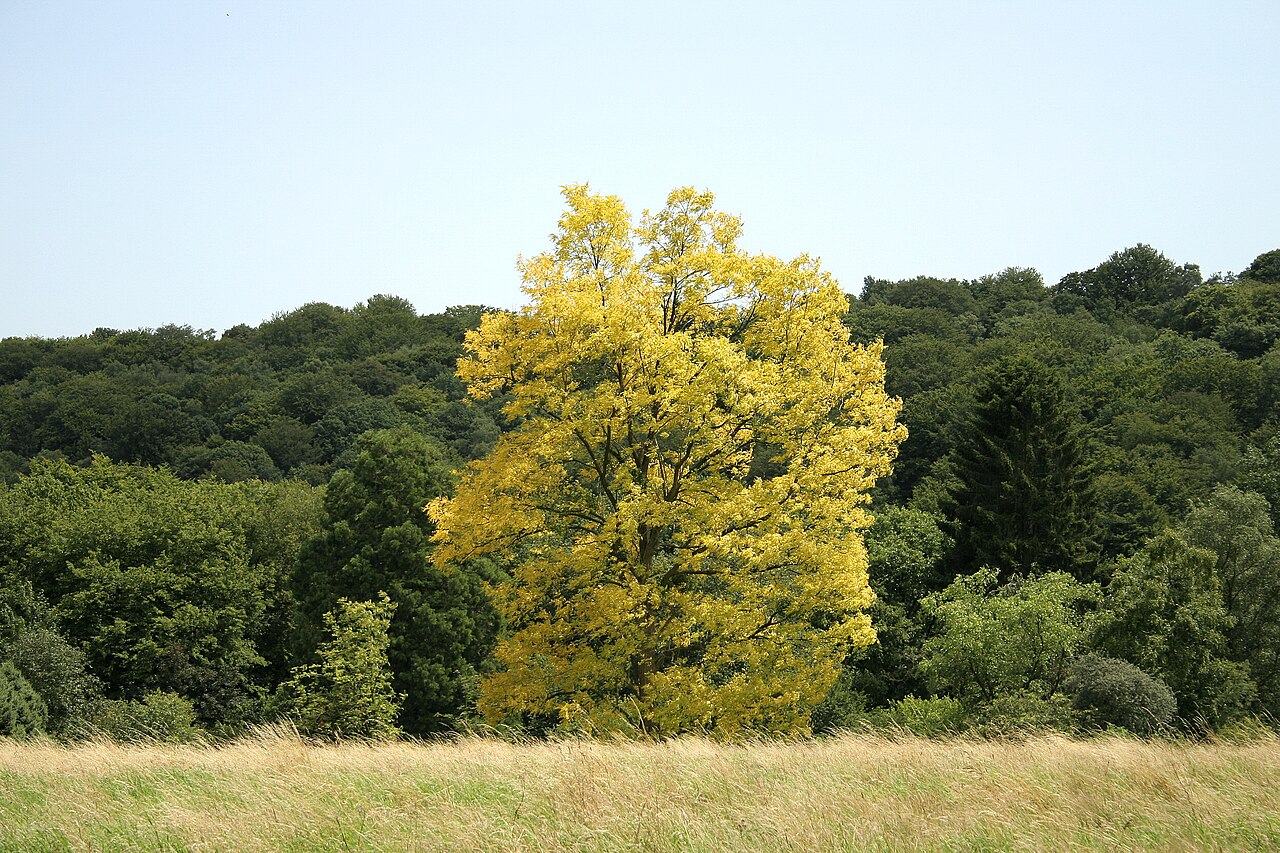
Now the suckering, because it changes the whole seed-saving calculation. Seed-grown black locusts are genetically variable — they will not reliably match a parent tree in form, flower colour, or timber quality — so if you want an exact copy of a named selection, such as the golden-leaved Frisia or the purple-flowered Purple Robe, do not sow its seed and hope. Dig a dormant root sucker with some of its own roots attached instead, or buy a grafted tree. Suckers are the clone machine this tree ships with. If you plant one tree, plan for the grove: mow or dig unwanted suckers, keep the tree away from beds and paths you want to stay tidy, and never plant it where its spread will be somebody else’s problem.
And a final, non-negotiable check: outside its two native pockets in the Appalachians and the Ozarks, black locust is classed as invasive or weedy in many regions, precisely because of that suckering and self-seeding. Check your local status before planting it, and do not sow saved seed where it is listed or where it can escape into wild land. A tree this tough, this fast, and this good at making more of itself is a responsibility first and a seed-saving project second.
Florida note: dry saved seed thoroughly before storage — Florida humidity defeats half-dry seed in a jar — then store airtight with a desiccant packet, cool and dark. The hard coat keeps well when truly dry, which is one of the few things about this tree that does not immediately try to take over.
Varieties
Every named variety of Black Locust with its own growing guide:
- Frisia Black Locust — The golden locust: brilliant yellow-green foliage all summer on a fast, tough, nitrogen-fixing tree — planted only where it belongs.
- Purple Robe Black Locust — The purple-flowered locust: masses of fragrant rose-purple flower chains in late spring, on a fast tree with bronze-red spring foliage.