
🌿 Black Mitcham Peppermint
What it looks like
Why this variety
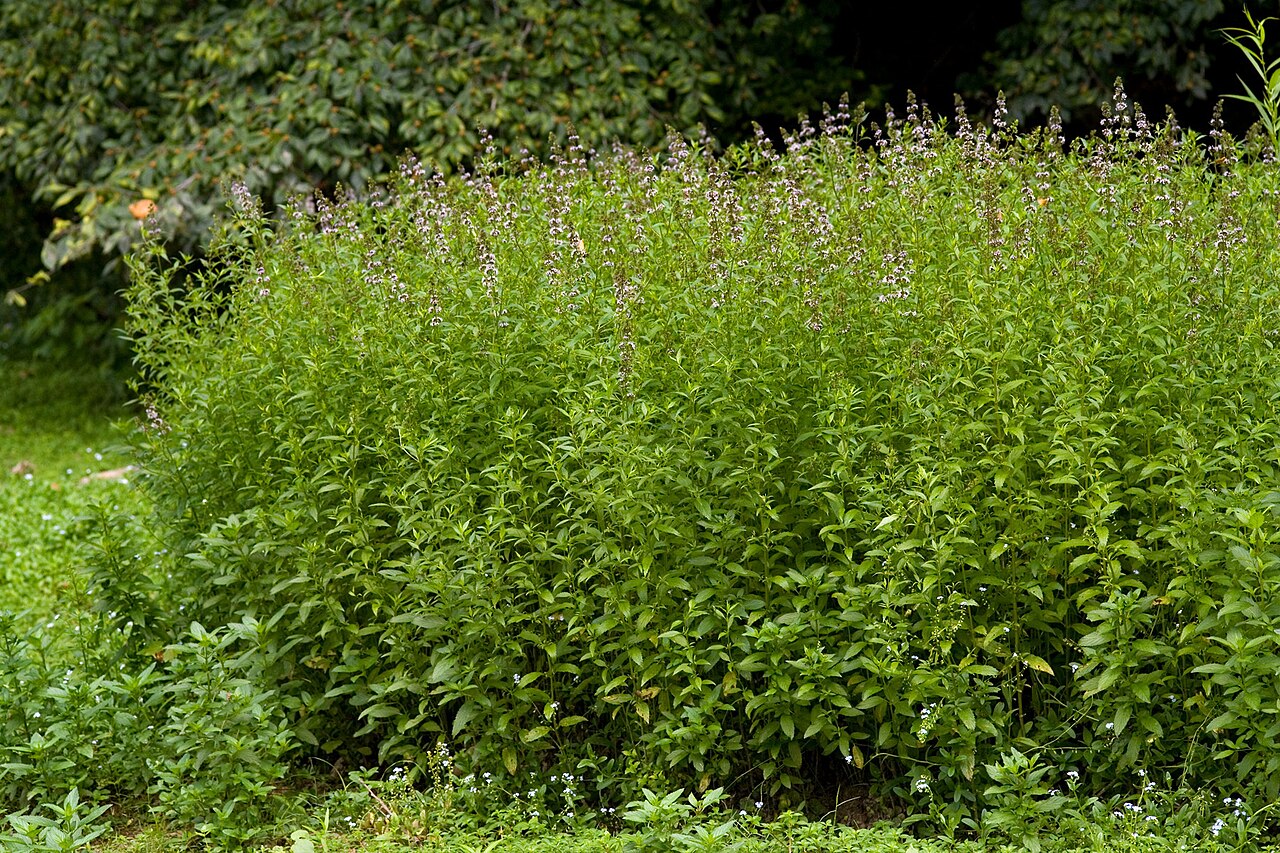
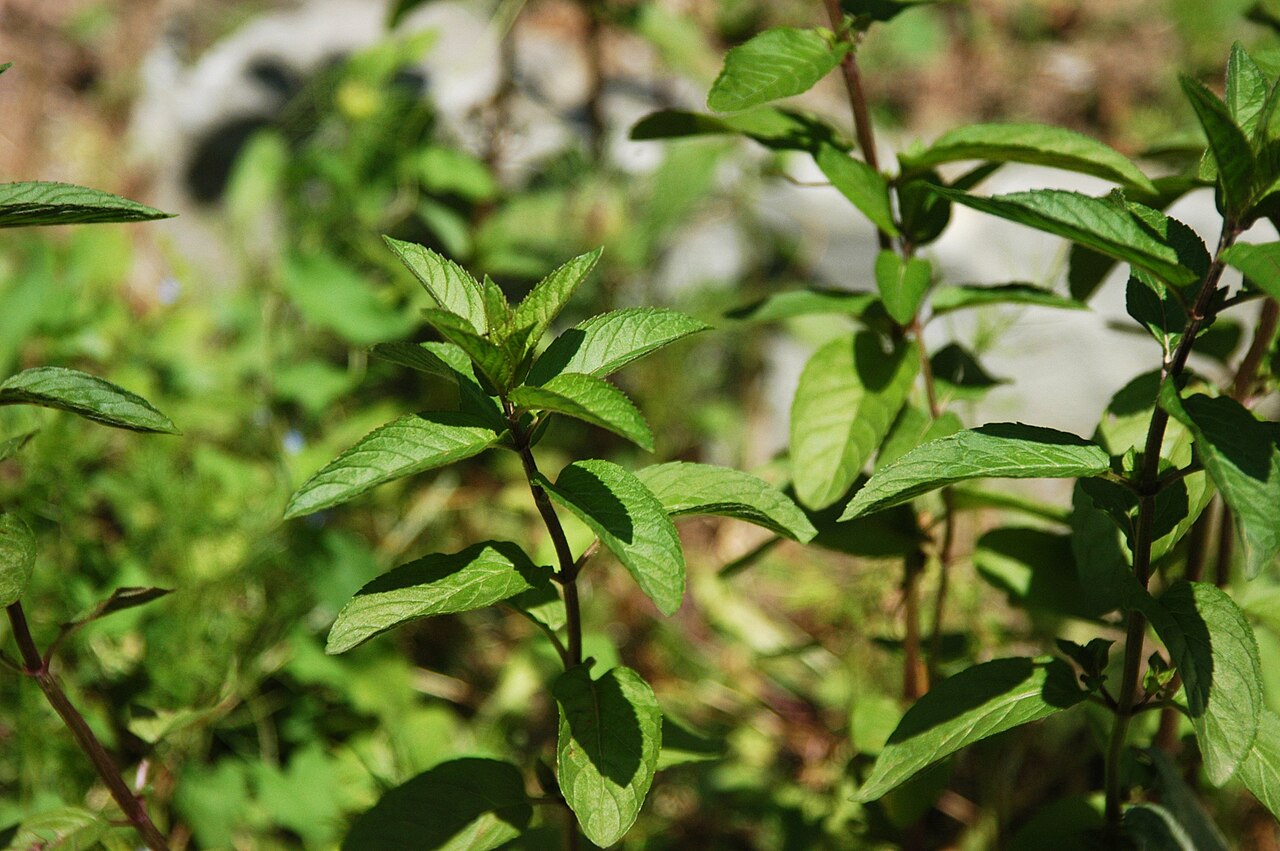
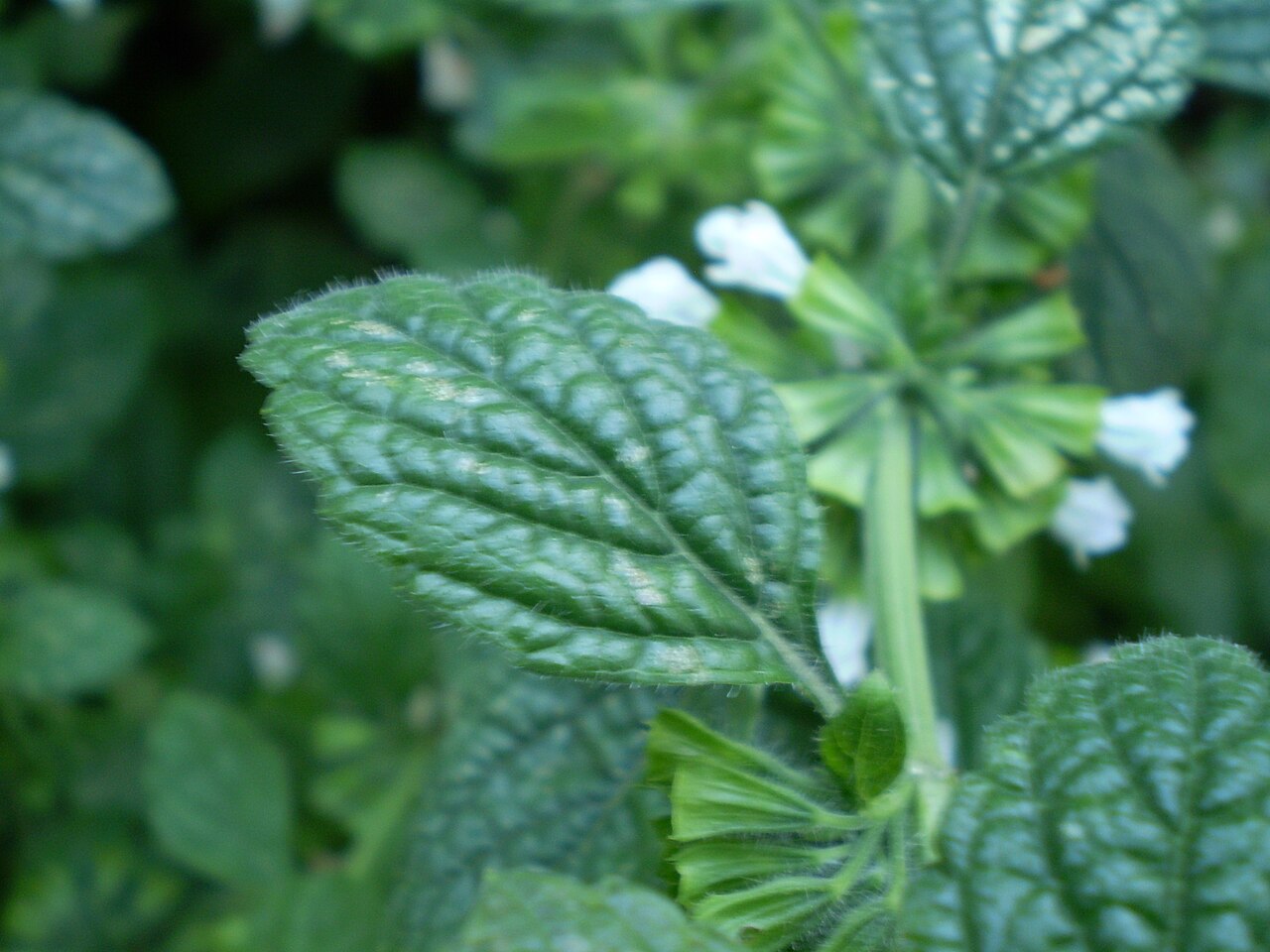
Black Mitcham is peppermint’s gold standard, and it has held the title for centuries. It is the classic English peppermint cultivar, with dark, reddish-purple stems and dark green, serrated leaves, selected for high essential-oil content and a pure, cooling menthol flavor — the peppermint grown commercially for oil, and the one serious tea drinkers mean when they say ‘peppermint tea’ without qualification.
It is a sterile hybrid of watermint and spearmint, which means it never comes true from seed and must be grown from divisions or cuttings — a blessing in disguise, since every Black Mitcham plant is genetically the same reliable plant. In a pot it is a vigorous, fragrant perennial that will supply tea, desserts, and garnishes for years; loose in a bed it is a takeover artist, so the pot rule is not optional here, it is the price of admission.
How to grow
Buy plants or divisions — never seed, since peppermint is sterile and seed-grown ‘peppermint’ is usually a minty impostor. Plant in spring in a pot at least 12 inches wide with rich, moist mix, or in a bed with a root barrier, in full sun to part shade. In Florida, part shade in the hottest months keeps leaves from scorching.
Space pots apart so runners cannot hop between them, pinch tips to keep plants bushy, and cut back by half after the first flush for fresh growth. Divide crowded pots in spring or fall; a pot-bound peppermint goes woody and thin in the center, while a divided one rebounds in weeks.
Water & feeding
Water regularly, keeping soil lightly moist; peppermint wants more water than Mediterranean herbs and wilts fast in drought, though it recovers quickly. Pots in summer may need daily checks, but never let a pot sit in standing water — moist, not swampy.
Feed lightly with castings at planting and a modest side-dress in spring. Rich soil suits peppermint, but heavy nitrogen pushes soft growth that rusts readily — moderate fertility and steady water are the balance.
Common problems
- Spreading by runners — pots, sunk containers, or root barriers only. A peppermint loose in a bed is a multi-year removal project, not a herb.
- Mint rust in humid, still air — remove affected leaves, improve airflow, and cut back hard for clean regrowth; resistant, vigorous plants recover fastest.
- Aphids and spider mites in hot, dry weather — a water jet clears them; stressed, dry plants attract them first.
- Leaf scorch in harsh sun — part shade in Florida summers keeps leaves tender and flavorful.
Harvest
Pick leaves from 60–90 days, taking top sets and leaving plenty behind; Black Mitcham’s menthol is strongest just before flowering, so harvest heavily then and cut back for a second flush. Use fresh in teas and desserts, or dry on a screen out of direct sun — dried Black Mitcham keeps its menthol punch better than most mints.
Cut stems for drying just as flower buds form, and take divisions in spring or fall for new plants. A single pot, cut back twice a season, yields more peppermint than a household can drink — which is a good problem, and the reason peppermint is usually given away by the armful.
Browse all plant & pest guides
Saving seeds
Black Mitcham is a sterile hybrid, so there is no viable seed to save — grow it from divisions or cuttings instead. The Propagation section of the Peppermint guide covers how the species is propagated.