
🟤 Black Sapote
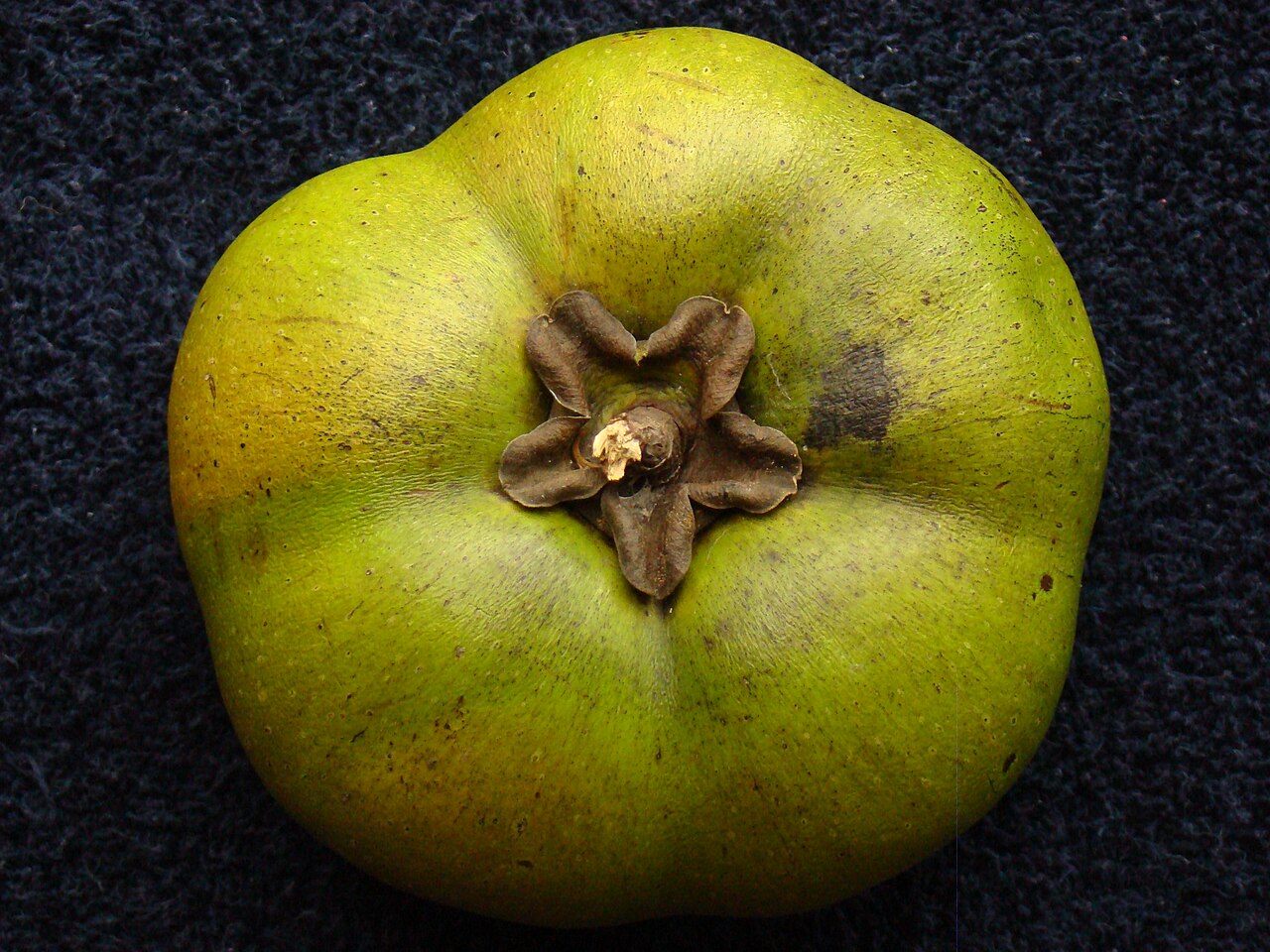
What it looks like
How to grow
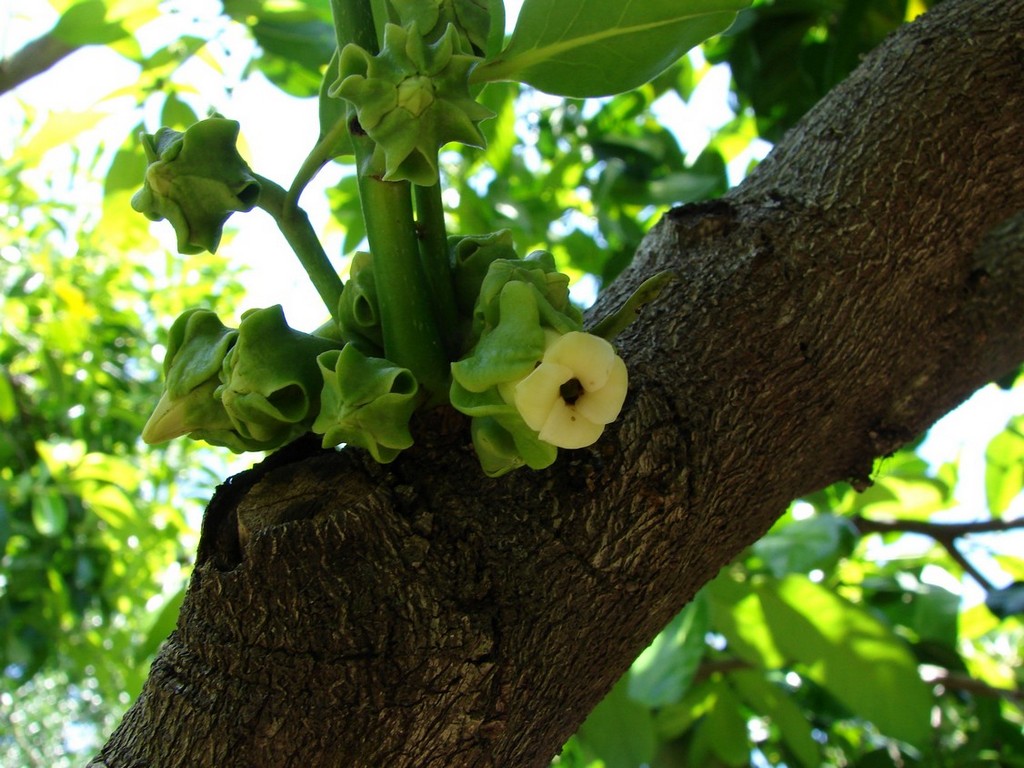
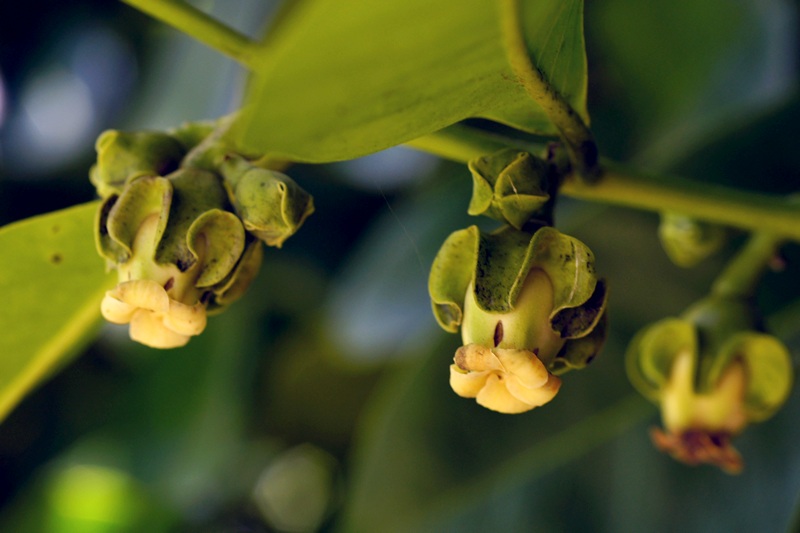
Black sapote is a persimmon relative from Mexico and Central America that produces round, green-skinned fruit whose flesh ripens to a dark, soft, chocolate-pudding consistency — eaten with a spoon, often with a squeeze of lime, it is one of the strangest and most delightful fruits you can grow. Plant a grafted variety in spring in well-drained soil in a frost-free spot; black sapotes are self-fertile in most varieties, though some trees are male or female, so buy a known fruiting variety rather than a seedling. The tree is evergreen, attractive, and moderate in size (20–30 feet), and it fruits over a long season. The critical skill is ripeness judgment: an underripe black sapote is astringent and inedible, a fully ripe one is soft, dark, and sweet — and the difference is a matter of days on the counter, not on the tree.
Water & feeding
Water regularly during growth and fruiting; black sapotes tolerate some drought but fruit better with steady moisture. Mulch and feed in spring. Protect from frost — this is a true tropical.
Common problems
- Eating underripe fruit — astringency is the punishment for impatience; wait until the flesh is fully dark and soft
- Frost — zone 10–11 outdoors is the honest range
- Variable seedling trees, including male-only trees that never fruit — buy grafted, named stock
- Fruit drop in drought during development
Harvest
Pick when the fruit is full-sized and the skin has darkened slightly — then ripen indoors until the flesh is completely soft and dark brown-black throughout. Scoop and eat plain, with lime, or blended into mousse and ice cream; the ‘chocolate pudding’ nickname is earned, not marketing.
Browse all plant & pest guides
Saving seeds
Black sapote (Diospyros nigra, also listed as Diospyros digyna) has one seed rule that overrides all the others: plant it fresh. Scoop the large, flat seeds out of a dead-ripe fruit — the kind that is completely soft and dark through — wash the pulp off under running water, and sow within days, about an inch deep in moist, well-drained potting mix kept warm, roughly 25 to 30 degrees Celsius. Germination typically takes around 30 days, sometimes stretching to three to six weeks, and the seedlings are slow and deliberate, throwing a long taproot before they bother much with a shoot. Deep pots from the start save you a transplant headache later.
Now the honest disagreement, because sources genuinely split on this one. Some references say black sapote seed stays viable for several months in dry, cool storage; others call the seed recalcitrant — meaning it cannot survive drying — and report that viability crashes within weeks once the seed dries out. Both cannot be your plan. The only safe rule for a home gardener is to treat fresh as gospel: sow straight from the fruit, do not buy dried seed and expect a crop, and do not stash a jar of seed for next year. If a source promises you long-stored black sapote seed, your skepticism is well earned.
What will you get from that fresh seed? A real tree, but not a predictable one. Named black sapote varieties do not come true from seed, and seedling trees take roughly five to seven years to fruit — and some trees turn out male-flowered only, which means they will never bear fruit at all. If you want a specific named variety with known fruit quality, buy a grafted tree; that is the reliable route, and this guide says so plainly. Seed is for the patient, the curious, and the gardener with a spare sunny corner and a taste for lottery tickets that usually still pay off with decent fruit, just not the named one on the label.
In Florida, where black sapote grows outdoors only in the warmest zones, keep young seedlings warm and out of cold snaps — anything near freezing is trouble — and give them bright, indirect light while they establish. Florida humidity cuts both ways here: do not let seed sit in wet pulp, where it rots, but do not dry it either — wash it and sow it the same day, and label the pot with the parent tree and the date, since “mystery sapote, 2026” is a label you will regret in 2032.
Varieties
Every named variety of Black Sapote with its own growing guide:
- Bernicker Black Sapote — The chocolate-pudding sapote at its best: moist, rich, and sweet when dead ripe — the eating-quality pick among black sapotes.