
🍋 Blonde de Lyon Sorrel
What it looks like
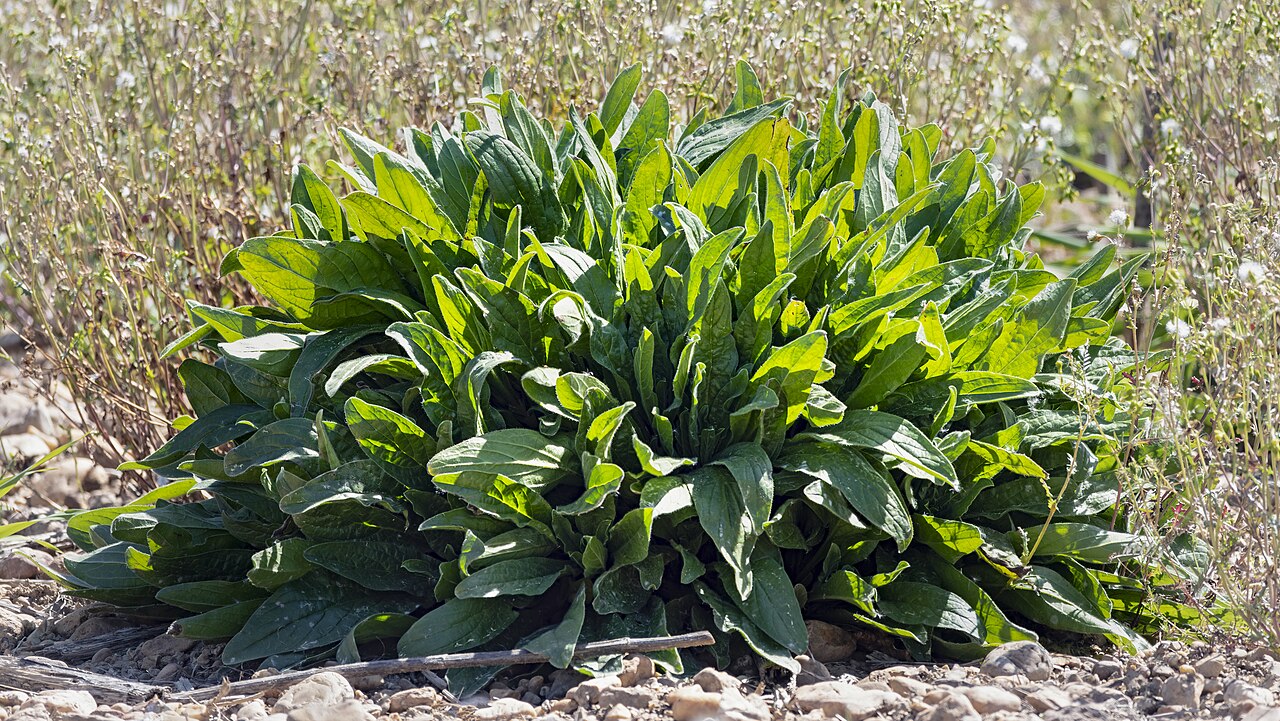
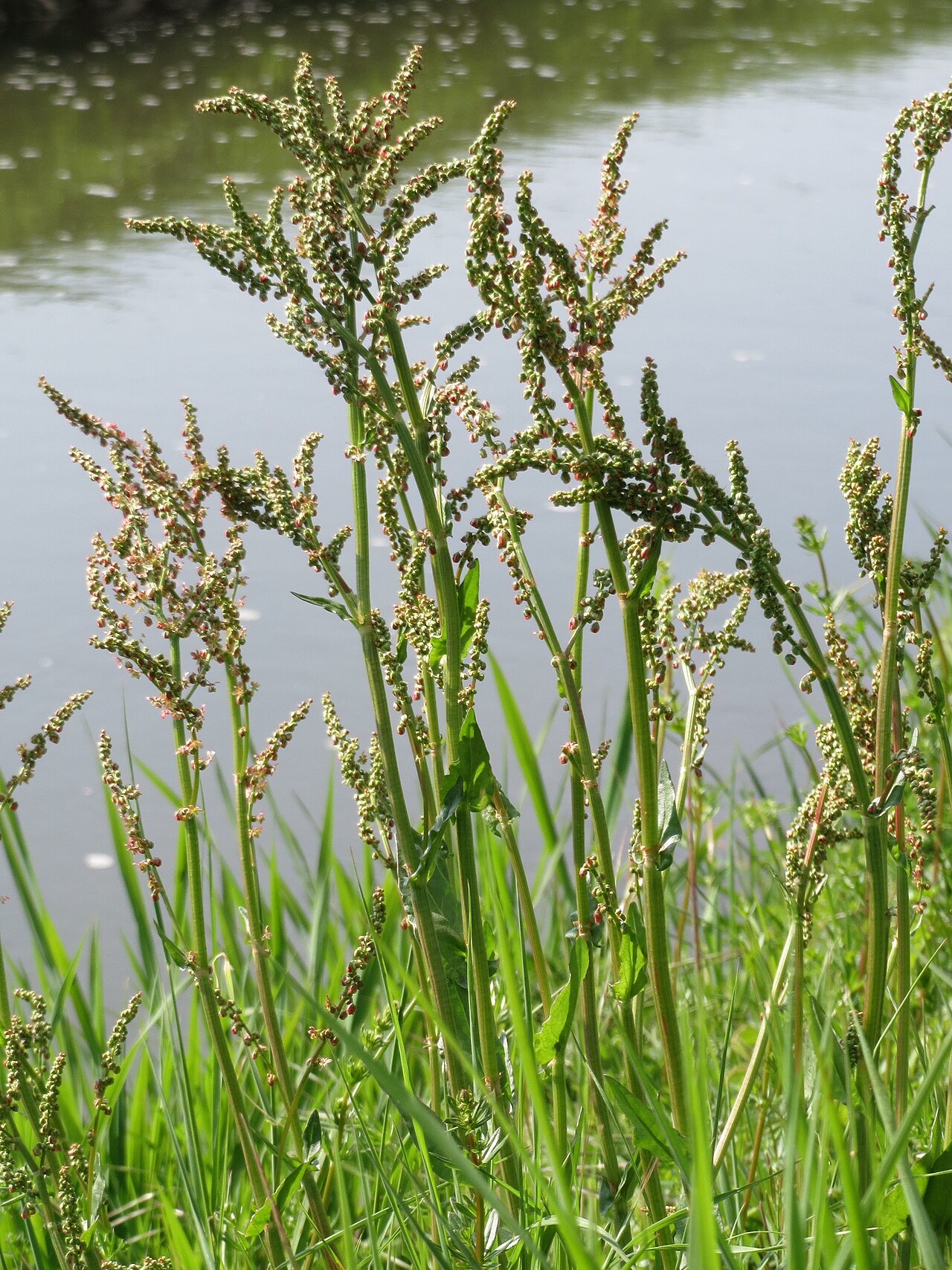
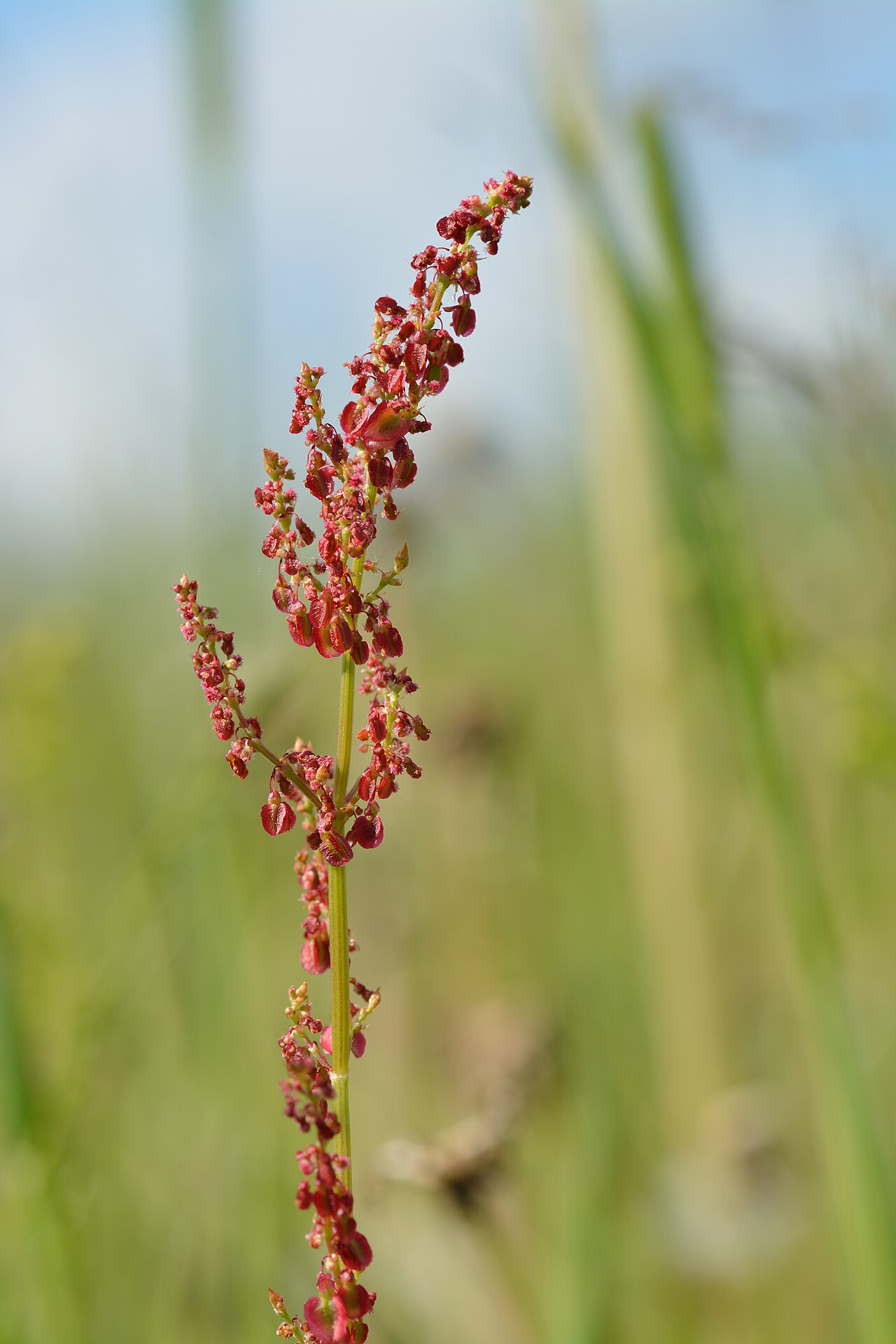
Why this variety
Blonde de Lyon is the traditional French sorrel variety prized for tenderness and flavor: paler, more refined leaves than the standard garden sorrel, a milder lemon tang, and a texture that stays tender even as the leaves grow — the sorrel for cooks who want the brightness without the full pucker. The name is the cultivar itself, a long-sold French selection, and it has stayed in catalogs because tenderness is not a minor trait in a green you eat raw: a tender leaf makes a salad, and a tough leaf makes a chore.
For the kitchen, Blonde de Lyon is the salad sorrel and the sauce sorrel in one: young leaves are mild enough to mix raw into salads without overwhelming them, and cooked leaves make a smoother, more refined sorrel sauce than the sharper garden types. If standard sorrel ever struck you as a little too assertive, Blonde de Lyon is the variety that dials it back without losing the character — lemon, but make it polite.
If you are new to choosing between cultivars, the Varieties Matter guide explains why the name after the plant matters as much as the plant itself. And if you want the whole clan at a glance, the broader Sorrel guide covers sorrel generally.
How to grow
In Florida, sorrel is a perennial lemon you can pick: plant it in fall, harvest tangy leaves through the mild months, and let it rest through the worst of summer in afternoon shade, where it will keep going if you keep it watered and keep cutting the flower stalks. The leaves are tenderest and mildest in cool weather — summer leaves are still usable, but they are tougher and sharper, so pick young and often. In the north and center it is a true perennial; farther south, treat it as a long-season annual that may surprise you by coming back.
Sow in spring or fall, thin to 12 inches apart, in rich, moist soil with full sun to part shade — Blonde de Lyon appreciates a touch of afternoon shade in warm climates, where it keeps its tenderness longer than in full, fierce sun. Water steadily, mulch to hold moisture, and cut flower stalks as they appear; a plant that flowers is a plant that has stopped making the tender leaves you planted it for.
Water & feeding
Sorrel wants consistently moist, rich soil — a drought-stressed plant turns tough, bolts, and tastes like it is angry at you. Water steadily, mulch to hold moisture, and feed with compost in spring and again after a hard harvest; a well-watered sorrel patch gives you cut-and-come-again leaves for months.
Common problems
Slugs and leaf miners may visit, as with other sorrels, and heat is the other pressure: Blonde de Lyon’s tenderness is also its vulnerability, and a hot, dry spell turns it tough faster than the sturdier garden types. Shade, water, and frequent picking are the defenses — pick young, pick often, and do not let the patch sit unpicked through a heat wave.
Harvest
Harvest young, pale leaves continuously for salads, and pick larger leaves for cooking before they toughen. For sauce, wilt the leaves briefly with a little butter and cream — Blonde de Lyon’s mildness means you need less cream to tame it, which is a small culinary victory worth noting. Divide crowns every few years to keep the patch tender and productive.
Nerdy fact: Blonde de Lyon’s paler leaves carry a little less chlorophyll than dark-green sorrel, which is part of why they taste milder — less of the green, grassy edge, more of the clean lemon. It is a useful reminder that leaf color is not just decoration: it is chemistry you can see, and in this case, chemistry you can taste.
Saving seeds
Blonde de Lyon is a traditional French selection, so it comes true from seed — save seed from your best plants, and keep it away from other sorrels to avoid crossing. The full method is in the Saving seeds section of the Sorrel guide.