
🌲 Blue Sparkler Tamarack
What it looks like
Why this variety
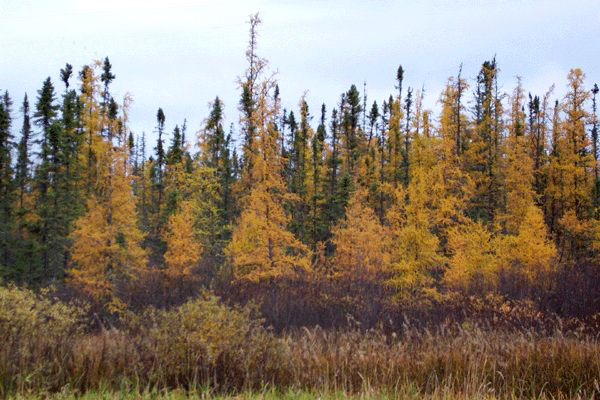
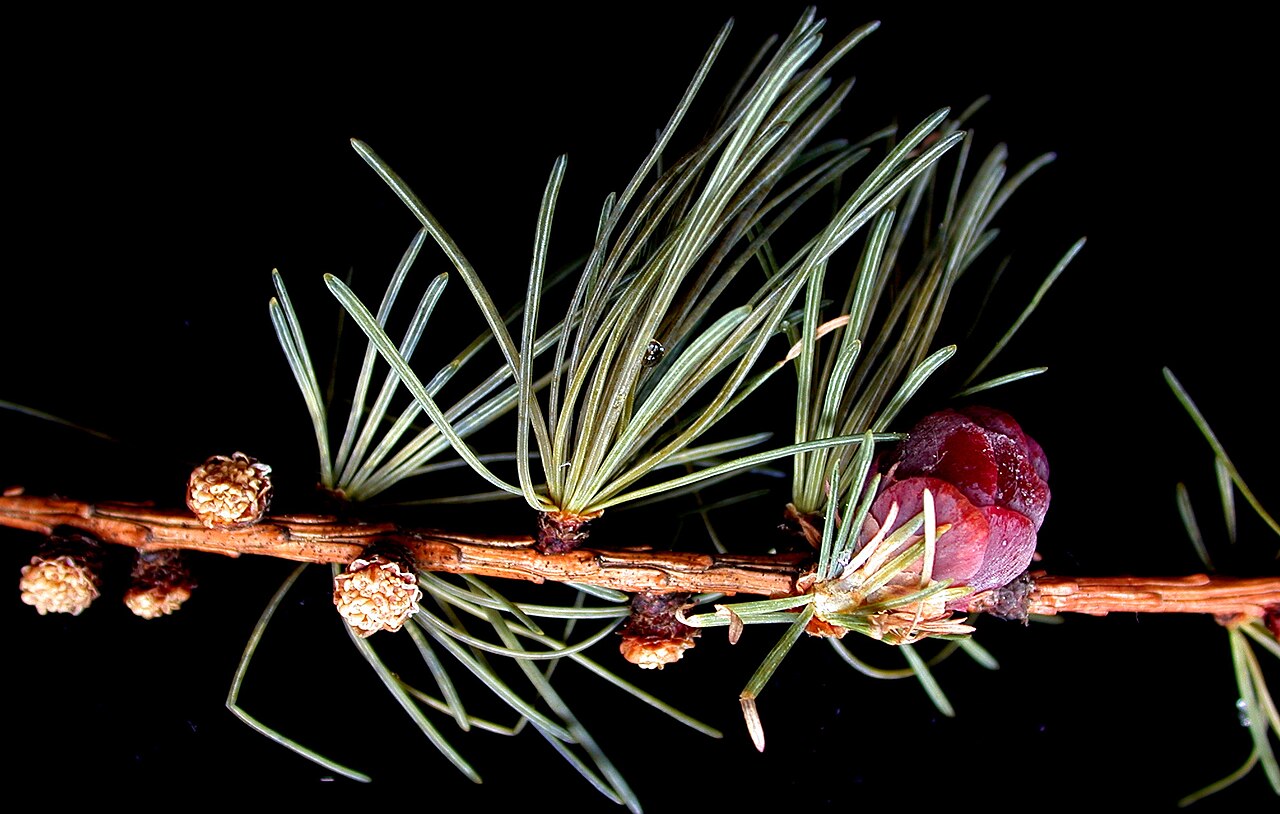
Blue Sparkler is a dwarf tamarack cultivar with bluish foliage, the color contrast in a genus that is usually plain green. In spring its new needles carry a blue-grey cast that sets it apart from every other larch in the garden, and in autumn it still turns the same brilliant gold before dropping, so it gives two color seasons instead of one. It is a collector’s dwarf, slower and smaller than the species, and grown for foliage color as much as for form.
Grow Blue Sparkler like Deborah Waxman: full sun, moist acidic soil, cold winters, and room to grow naturally without shearing. It is less common in nurseries than the species and often sold small, so buy it young, plant it well, and judge it in year three, when its blue spring color and gold autumn color finally show together.
If you are new to choosing between cultivars, the Varieties Matter guide explains why the name after the plant matters as much as the plant itself. Blue Sparkler is a perfect example: it is not just a tamarack in the abstract, it is a tamarack with a specific job, a specific history, and specific strengths.
Florida framing, stated plainly: tamarack is not a Florida plant at any size. Its zones are 2 to 5, it needs real cold winters, and it wilts in hot, humid summers, so this guide is for northern gardeners only. Florida growers should admire it in pictures and plant a native tree instead.
How to grow
Plant in fall or spring in full sun and moist, acidic soil, because tamarack is a bog and bottomland tree that wants steady moisture and cold winters. Work compost into the planting hole, water deeply while establishing and through every dry spell, and mulch to hold moisture. Do not prune dwarf forms into balls, do not plant in dry, alkaline, or shallow soil, and give even a dwarf room to grow naturally, because a sheared larch loses its charm.
Set plants 4-6 feet apart in soil with a pH around 4.5-6.0. Work worm castings into the bed at planting and mulch to hold moisture. A well-fed tamarack plant rewards that care directly: steadier growth, better bloom or fruit, and a show that actually shows up.
Water & feeding
Water consistently, especially the first two years; tamarack wants steady moisture and suffers in drought, and it tolerates wet feet that would rot most conifers. Water at the soil line, mulch to hold moisture, and skip fertilizer, because tamarack is adapted to poor, acidic soils and rich soil makes weak growth. Never let a young tamarack bake dry, and never plant it in a bed that dries between rains.
Common problems
- HEAT FAILURE — tamarack wilts in hot, humid summers above zone 5; it is not a Florida plant at any size, and no care program changes that.
- DROUGHT STRESS — tamarack wants constant moisture; a crown that dries out stalls and scorches for a season.
- SAWFLY DAMAGE — larch sawflies defoliate trees in northern gardens; pick larvae off or accept a thin year, because healthy trees refoliate.
- SHEARING DAMAGE — shearing a dwarf larch into a ball ruins its natural habit; prune only dead or crossing wood.
- SLOW ESTABLISHMENT — dwarf larches grow slowly; judge them in year three, not year one.
Harvest
There is no fruit harvest; tamarack’s harvest is autumn color. Enjoy the gold foliage in fall, cut a few branches for arrangements when needles are fully colored, and leave the tree standing bare through winter, because its silhouette is part of the show. Do not prune dwarf forms into balls, divide nothing, and judge a dwarf larch in year three, when its habit and color finally show together.
Browse all plant & pest guides
Saving seeds
Blue Sparkler is a dwarf cultivar, so seed saved from it won’t come true — buy a nursery tree instead. The Saving seeds section of the Tamarack guide covers seed for the straight species.