
🏛️ Boston Ivy
What it looks like
How to grow
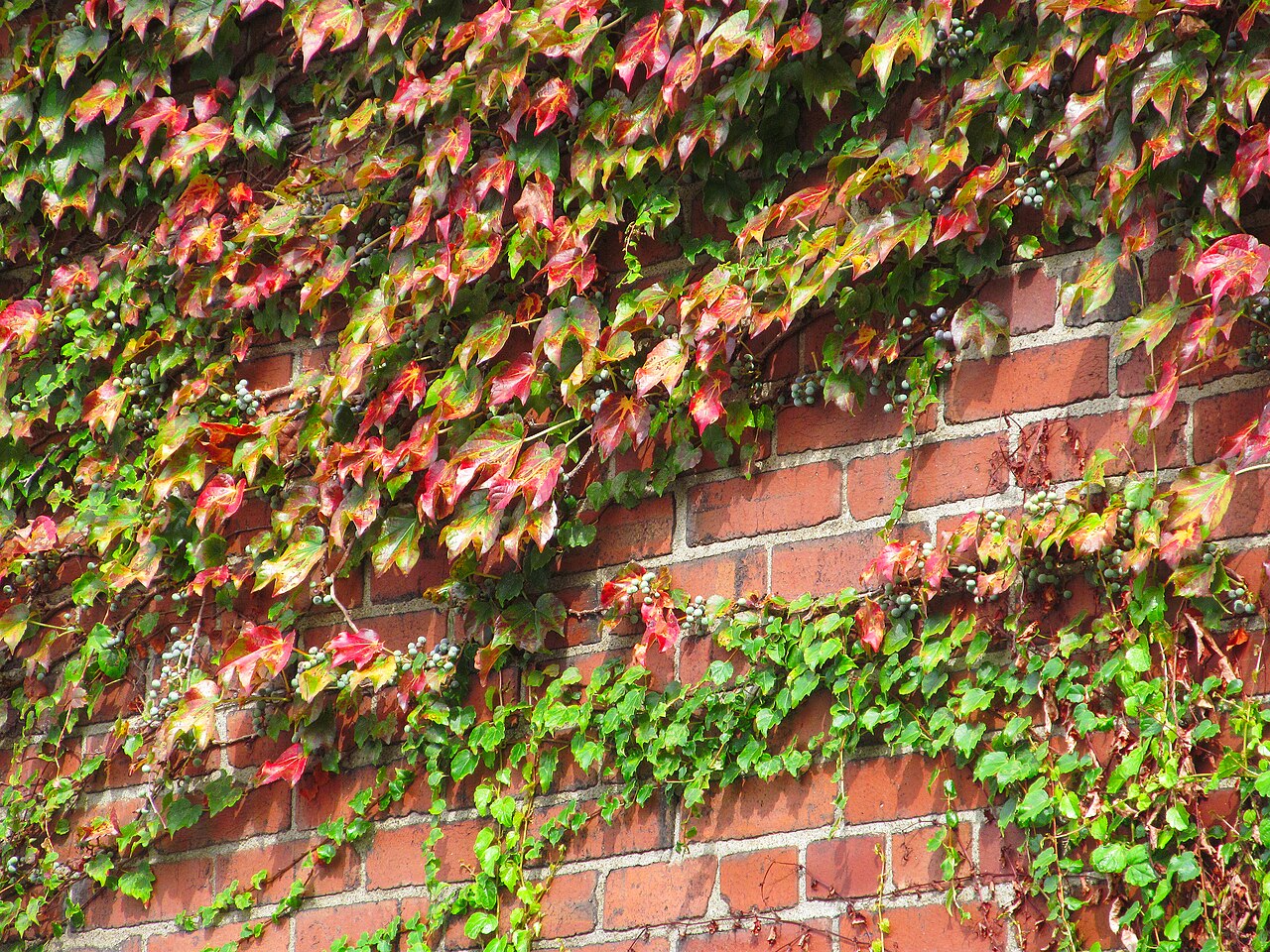
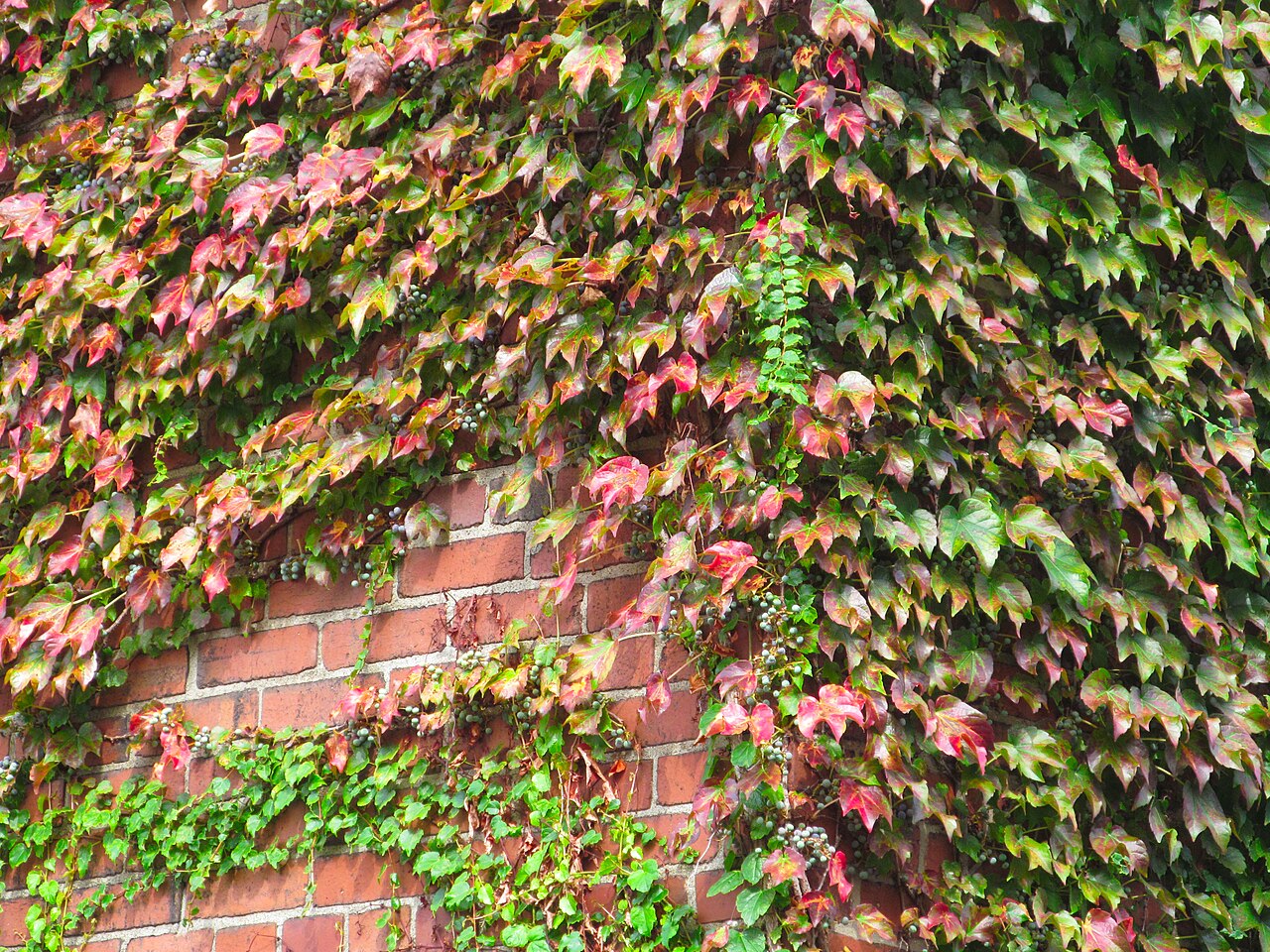
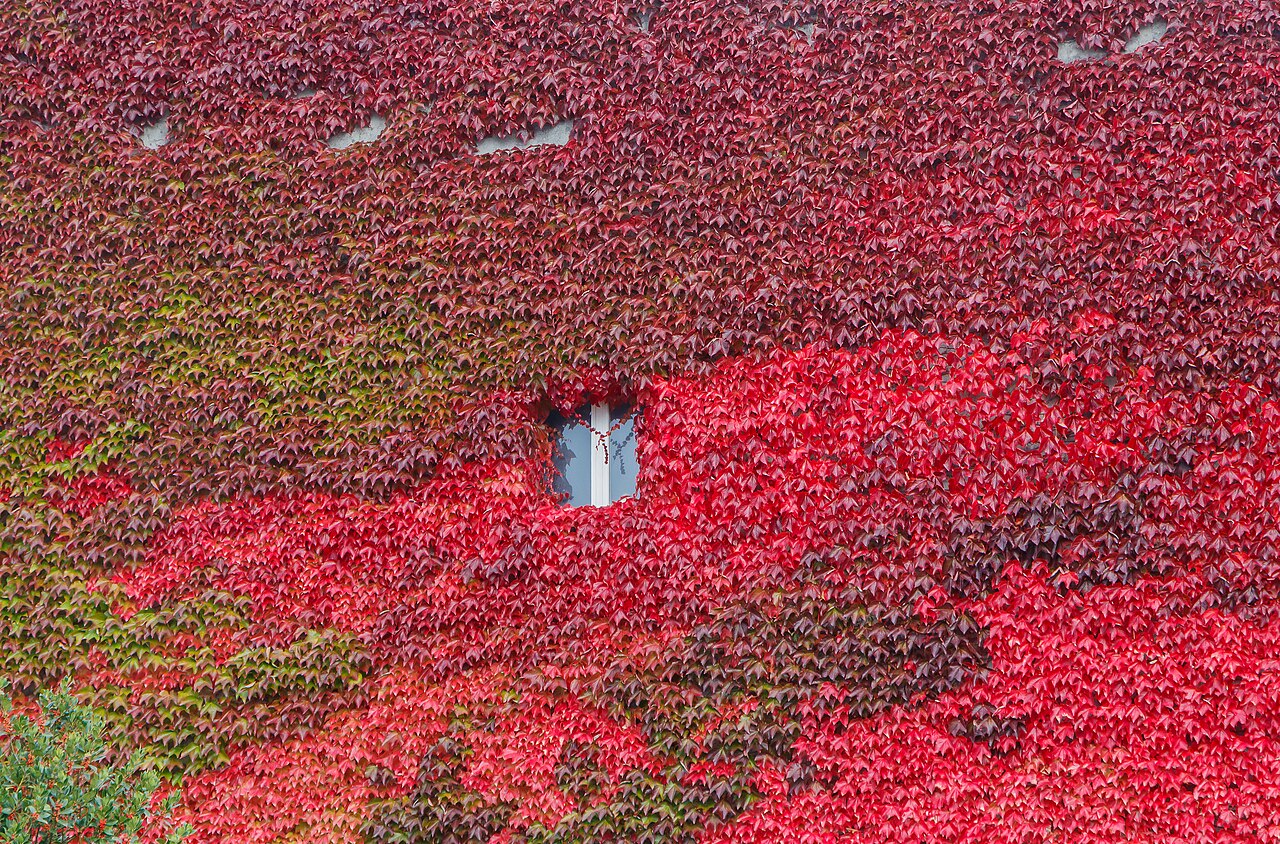
Plant in spring in well-drained soil in sun to part shade — Boston ivy is the classic ivy-league wall vine (despite the name, it is not a true ivy, and despite the postcards, it is Asian, not Bostonian). It climbs with adhesive discs that grip brick and stone without rootlets, and its three-lobed leaves overlap into a dense green curtain that turns scarlet and purple in fall. Keep it off painted wood, gutters, and window frames — it will cover them, and removal can pull paint with it. It is not the invasive menace English ivy is, but it is vigorous, so prune yearly.
Water & feeding
Water to establish; mature plants are drought-tolerant once their roots are deep. They tolerate city soil and reflected heat better than most vines.
Common problems
- Damage to painted surfaces and gutters if allowed to grow over them
- Scale and leaf spot in stressed plantings (usually minor)
- Vigorous growth into windows and rooflines — annual pruning is not optional
Harvest
Prune in late winter to remove growth from windows, gutters, and rooflines, and thin the mat to improve airflow. It regrows fast, so don’t be shy.
Browse all plant & pest guides
Saving seeds
First, the honest framing: Boston ivy does not need your help reproducing. It is a vigorous, non-native vine — Parthenocissus tricuspidata, from East Asia, and no relation to true ivy despite the name — and outside its range it is known for aggressive, sometimes invasive behavior. Birds eat its berries and plant it in places you never intended, which is how a wall vine becomes a woodland vine. So save seed deliberately, for your own wall, and think twice before planting it near natural areas or anywhere it can escape over a fence and keep going. Check your local regulations before planting it at all; in some places it is listed as invasive, and a vine that eats a building’s gutters is a maintenance problem even where it is welcome.
If you do want seed, the process is straightforward. The inconspicuous greenish flowers of summer give way to clusters of dark blue berries in fall, each holding one to three seeds. Wait until the berries are fully dark and soft, then crush them gently — a strainer and a spoon work — and rinse the pulp away without crushing the seeds themselves. A soak in warm water for about a day helps clean them up. Fresh seed sown right away in a cold frame is the traditional route, but stored seed needs a winter simulation: mix it with moist sand in a bag in the refrigerator for roughly six to eight weeks, then sow about half an inch deep in spring once the soil has warmed, keeping the bed moist until seedlings establish.
Two caveats matter. Named cultivars grown from seed may not come true — seedlings can vary from the parent, sometimes noticeably — so if you want an exact copy of a particular vine, take cuttings instead; seed is for the species, cuttings are for the cultivar. And the berries are not food: they contain oxalates and are toxic to people and pets, so handle them with the same respect you would give any ornamental berry, wash your hands after seed cleaning, and keep harvested berries away from children and curious dogs.
Florida note: this guide lists zones 4–8, which means much of Florida is warmer than Boston ivy’s happy range, and fruiting may be unreliable where summers are long and hot. Where it does fruit, dry the cleaned seed thoroughly and store it airtight with a desiccant, cool and dark, until stratification time — Florida humidity is just as hard on stored vine seed as it is on anything else.
Varieties
Every named variety of Boston Ivy with its own growing guide:
- Fenway Park Boston Ivy — The golden Boston ivy: yellow leaves in spring that turn chartreuse in summer and red in fall — a sport found near the famous ballpark.
- Veitchii Boston Ivy — The small-leaved Boston ivy: finer-textured, smaller leaves with purple spring color and outstanding red fall color — the refined wall vine.