
🌾 Bouteloua
What it looks like
Bouteloua is the genus of the grama grasses, and if you have ever stood in a western prairie in late summer, you have stood in Bouteloua. It is a New World genus of warm-season grasses in the grass family (Poaceae), in the subfamily Chloridoideae and the tribe Cynodonteae, described by the Spanish botanist Mariano Lagasca in 1805 and named for the brothers Claudio and Esteban Boutelou, Spanish botanists and gardeners. How many species it holds depends on which checklist you ask — counts run from roughly 40 to roughly 80, with a modern molecular study settling on about 60 species found primarily in the Americas, with a center of diversity in northern Mexico. This guide does not pin a single number, because the taxonomists have not either, and a genus guide that pretends otherwise would be lying about the one thing a genus guide should get right.
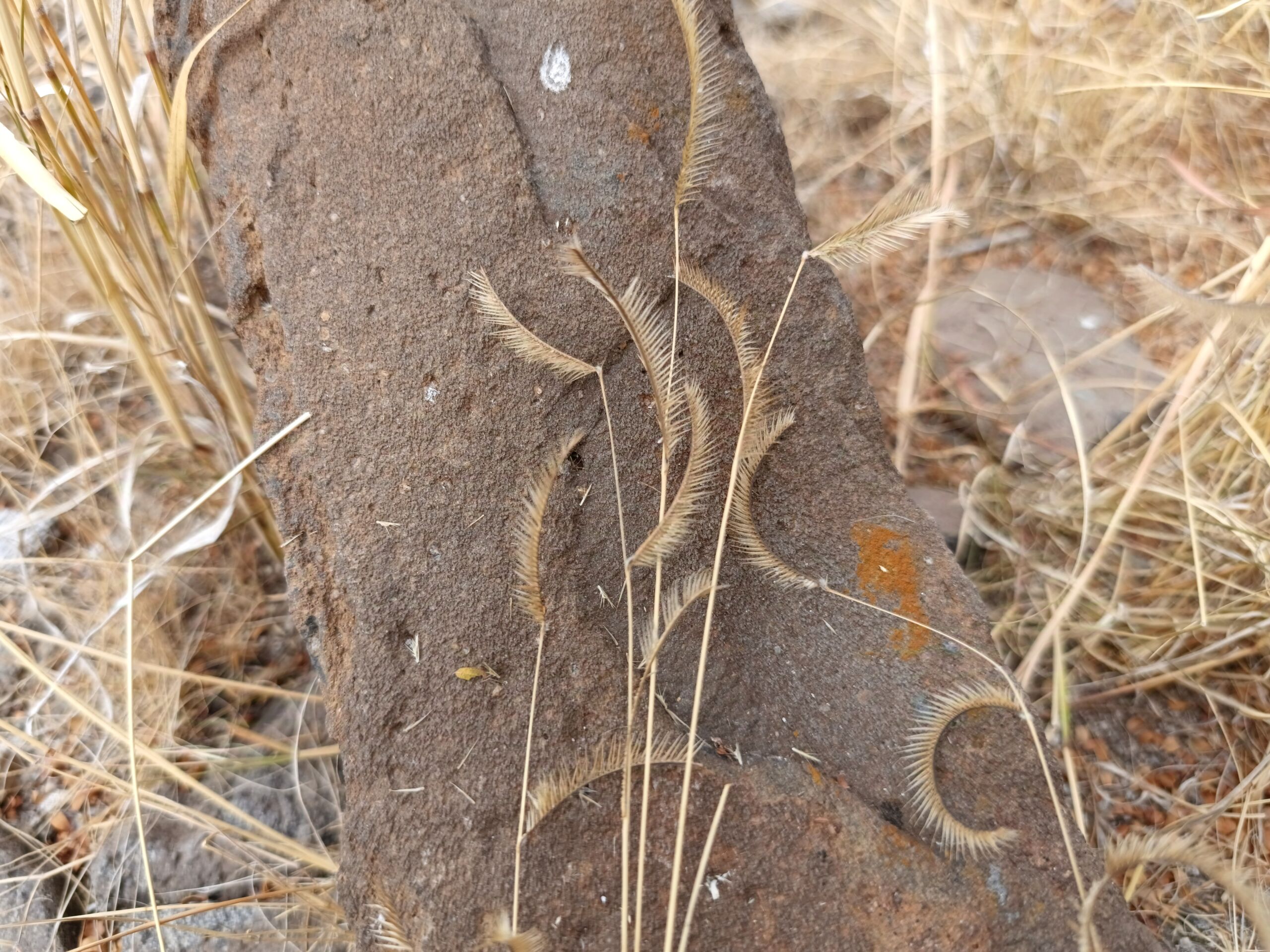
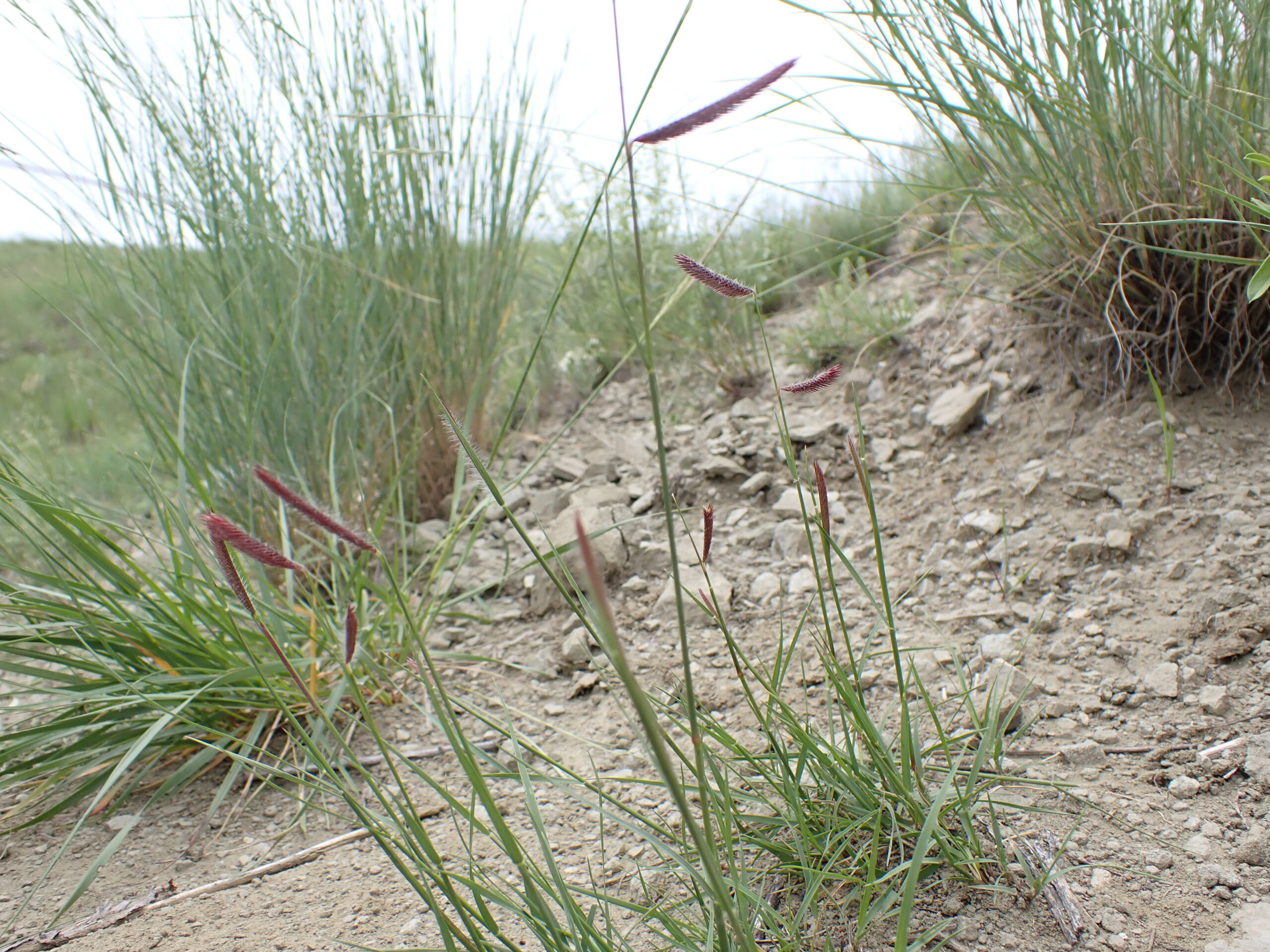
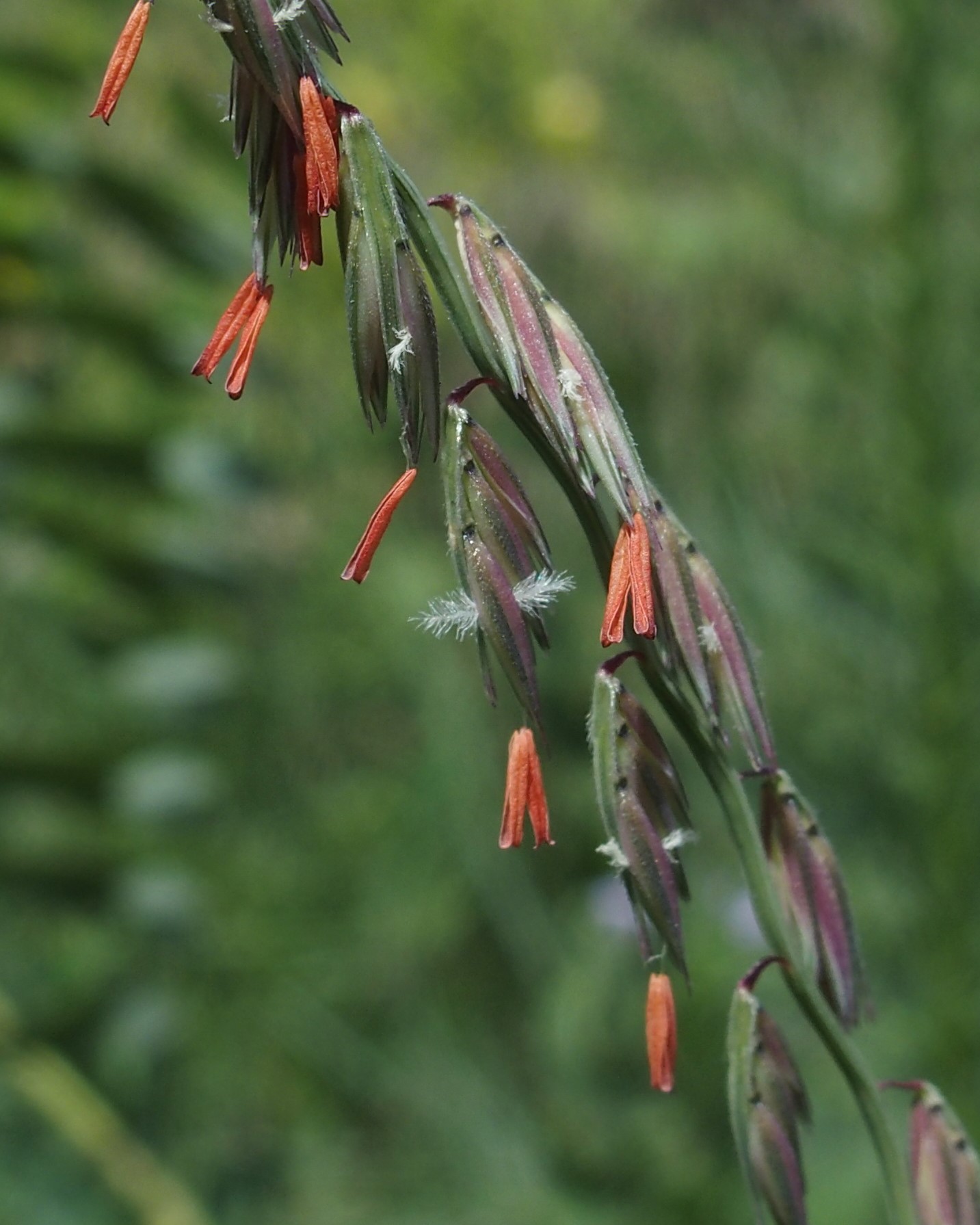
What unites the gramas is the flower head. Gramas carry their spikelets on short, spicate branches arranged along a slender central stem, and the arrangement is the field mark: blue grama’s seed heads curl like eyelashes or tiny toothbrushes, sideoats grama hangs all of its oat-like spikes on one side of the stem like flags on a single side of a mast, and black grama’s heads dangle in a looser, darker arrangement. Most gramas are tufted annuals or perennials — bunchgrasses that form clumps rather than running lawns — though some, like buffalograss, spread by stolons and behave more like turf. They are warm-season grasses, which means they sleep through winter as brown crowns and do their growing in summer heat, and they run the C4 photosynthetic pathway, the hot-climate engine that lets a grass photosynthesize efficiently when the sun is brutal and the rain is a rumor. That combination — C4 metabolism, deep roots, and a willingness to go dormant rather than die — is why gramas dominate the dry grasslands of central and southern North America, and why they are the grasses ranchers, restoration ecologists, and native-plant gardeners all reach for when the site is sunny, dry, and unforgiving.
The butterfly context for this genus guide is written at the genus level in the butterfly guides themselves. The Oslar’s Roadside-Skipper guide lists, in its Host plants section, grasses including bluestems and grama grasses (Bouteloua) — the genus, not one species. That is exactly the case a genus guide exists for: the skipper’s caterpillars eat gramas, plural, and a guide covering only blue grama would leave the rest of the menu unexplained. This guide therefore claims Bouteloua species as a genus only. Blue grama (Bouteloua gracilis) has its own plant-guides growing guide and is not covered in particular here; the species-level grama mentions in other butterfly guides — sideoats grama (Bouteloua curtipendula) in the Green Skipper guide, for example — belong to their own species units, not to this genus guide. Buy and plant by Latin name, species by species, and let this guide be the map of the genus.
How to grow
Growing a grama starts with the only decision that matters: which species, for which site? The genus pattern is consistent — full sun, well-drained soil, and a hard refusal to be soggy — but the species differ in height, spread, and cold tolerance, so this section gives the genus pattern and names the differences where they change the plan. Site every grama in full sun. Gramas in shade stretch, flop, and sulk, and a shaded grama is a grass that has stopped being a grama in everything but name. Soil should drain freely: sandy, loamy, rocky, or even clay soil works provided water does not stand, and the pH range is generous, from slightly acidic to alkaline. What kills gramas is not drought, poor soil, or neglect — it is wet winter soil, heavy mulch that holds moisture against the crown, and well-meaning gardeners who water them like lawn grass.
Plant from seed or from plugs, and time it for warmth. Gramas are warm-season grasses, so sow seed in late spring after the soil has warmed, or set out plugs once frost danger has passed, and give them their first season to establish. Seed sown into a prepared, weed-free bed germinates best with light covering and steady moisture until the seedlings are up; after that, back off the water and let the plants learn the site. Space small gramas like blue grama about a foot apart in drifts so they knit into a meadow texture, and give the bigger sideoats clumps more elbow room, since sideoats flowering stems reach 30 to 100 centimeters tall and the clumps get wide. Cut the old growth back in early to mid-spring, just before new growth emerges, and compost the thatch — that spring haircut is the main annual chore, and skipping it leaves last year’s brown stems tangled through this year’s green ones.
Gramas are not lawn grasses in the conventional sense, with one famous exception. Buffalograss (Bouteloua dactyloides), long known as Buchloe dactyloides before molecular work folded it into Bouteloua, is the low, stolon-spreading grama used as a native turf in the Plains, and it mows into a lawn where other gramas would object. The bunch-forming gramas — blue grama, sideoats grama, black grama, hairy grama — are meadow and prairie plants, not mowing plants, and they look their best unmowed, in drifts with wildflowers, where their seed heads can do their eyelash-and-flag show all summer and their dried foliage can stand golden through winter. Plant them that way, and you get a garden that feeds skipper caterpillars in summer, feeds seed-eating birds in winter, and asks for almost nothing in return except sun and drainage.
Florida note, stated plainly because the genus-level answer would mislead. Gramas are prairie and Plains grasses, not Florida lawn grasses, and this guide is not a recommendation to plant a western prairie in a Florida yard. A few gramas touch Florida — hairy grama (Bouteloua hirsuta) is recorded as native there, and sideoats grama is recorded as not native — but the genus as a whole belongs to dry, sunny, well-drained sites far from Florida’s humidity and summer rain. Florida gardeners who want the grama look should look to the native warm-season grasses of their own region rather than importing a Plains grass and fighting the climate to keep it alive.
Water & feeding
Water, for gramas, is a lesson in restraint. These are grasses that evolved where annual rainfall can be measured in inches rather than feet, and their root systems go deep and their leaves go narrow and their whole strategy is to make a little water go a long way. In a garden with normal rainfall, established gramas largely water themselves; in a dry spell, a deep soaking every few weeks is plenty, and in a wet summer the best thing you can do is nothing, because extra water mostly invites rot. The soil science here is the prairie story: deep grass roots build soil organic matter year after year, the roots die back and regrow in a slow rhythm that feeds soil microbes and fungi, and the soil under a grama meadow gets richer and more structured the longer the grasses stand. A grama planting is therefore not just decoration — it is a soil-building machine that happens to look like a meadow.
Feeding: almost none. Gramas prefer lean soil, and a spring topdressing of compost is the right scale of feeding — not a fertilizer program, which mostly produces soft, floppy growth that falls over and invites disease. In a genuinely poor, sandy, or rocky site, the grasses will still perform, because poor soil is their native condition. If your gramas look lush and tall and flop after rain, they are probably overfed and overwatered, and the fix is to stop feeding them, not to stake them. Gramas are the rare garden plant where neglect is a cultivation technique, and the gardener who waters least often has the best-looking stand.
Common problems
- Wet soil, especially in winter. The number one grama killer. Soggy ground rots crowns. Site gramas where water drains, never in a low spot, and do not mulch heavily over the crown.
- Shade. Gramas in shade stretch and flop. If a grama is leaning toward the light, it is telling you it was planted in the wrong place.
- Overwatering and overfeeding. Lush, floppy, disease-prone growth is almost always too much water and fertilizer, not too little. Back off both.
- Wrong species, wrong region. A Plains grama in a humid Florida bed, or a tender grama north of its hardiness range, is a plant out of place. Check the species’ range before you buy, and buy by Latin name.
- Weeds in new seedings. Grama seedlings are slow to establish and weeds are not. Start with a clean bed, and hand-weed the first season rather than spraying.
- Caterpillar munching. Skipper caterpillars eat grama leaves, and that is the point of planting them. A healthy stand tolerates it easily, so do not spray the caterpillars — they are the crop.
- Brown winter crowns. Gramas go dormant and brown in winter. That is not death, it is the warm-season grass calendar. Cut back in spring and wait for green.
Harvest
Gramas have no food harvest in the garden sense, and this guide recommends none. Their harvest is seed, division, and wildlife-watching. If you want seed, let the seed heads ripen on the plant in late summer and fall, strip them by hand, and sow the following late spring — gramas seed freely, and a mature stand will often seed itself into open ground nearby. If you want more plants, divide established clumps in spring, because bunchgrasses divide cleanly and the divisions establish fast in warm soil. And the simplest harvest is a summer afternoon in a grama meadow with no agenda: skipper butterflies working the grass heads, seed-eating birds picking at the ripening spikes, and the knowledge that the meadow under your feet is building soil while it feeds wildlife. Leave the dried foliage standing through winter for the birds, cut it back in spring, and let the meadow come back greener. That is the crop, and it arrives without a single spray.
Browse all plant & pest guides
Saving seeds
Grama seed saving is gloriously low-tech, and this guide covers the whole genus, so treat what follows as genus-level method: blue grama, sideoats grama, and their cousins all play by the same broad rules, while the fine details vary by species and by where your seed grew up. The plant does most of the work. Your job is to show up at the right moment, with a paper bag, before the wind does its own harvest.
Wait until late summer or fall, when the seed heads have turned straw-colored and feel dry and papery between your fingers. Green heads are not ready, and heads left too long will shatter at a touch and donate themselves to the lawn. Strip the ripe heads by hand into a paper bag, never plastic, and spread them somewhere airy for a few more days to finish drying. Then rub the heads between your hands or over a coarse screen to free the grains, and winnow gently in a light breeze to blow away the chaff. You do not need surgical cleanliness here. Garden sowing tolerates a little chaff; what matters is dry, mature seed.
One honest warning: grama seed can be sleepy. Dormancy varies a lot by species and seed origin, and some lots germinate eagerly while others sulk through their first season. Time helps. Seed that has sat dry over winter, or had a cold spell, generally wakes up more evenly than seed sown the week it was harvested. So the practical rhythm is to collect in fall, store dry, and sow the following late spring, when the soil is genuinely warm. Gramas are warm-season grasses, and seed sown into cold soil just sits there, contemplating its choices, while weeds move in.
When sowing time comes, keep it shallow. Grama seed wants a firm, clean seedbed and a covering of no more than about a quarter to a half inch of soil, with light still in the conversation, and steady moisture until the seedlings are up and rooted. Sow more thickly than feels polite, because germination rates in this genus swing widely from lot to lot, and a thin sowing that half-wakes looks like failure when it was really just arithmetic. Once established, the seedlings are tough customers, and a mature stand will usually seed itself into nearby open ground without any help from you.
For storage, Florida humidity is the enemy, not the seed. Dry the seed thoroughly first, because seed stored even slightly damp in a humid climate will mold in its envelope and die quietly. Keep it in a paper envelope inside an airtight jar with a little desiccant, somewhere cool and dark, and plan to use it within a season or two rather than hoarding it for a decade. And leave some heads standing for the wildlife. The seed-eating birds and the skipper butterflies that work those spikes are half the reason to grow gramas, and a meadow stripped bare in fall is a pantry emptied before winter.
If you want an exact copy of a particular plant rather than a meadowful of its children, skip the seed and divide instead. Established grama clumps divide cleanly in spring, and the divisions are clones of the parent, settling fast in warm soil. Seed is for drifts and meadows and happy accidents. Division is for keeping a favorite exactly itself.
Species
Bouteloua holds roughly 60 species, and no guide can list them all, so this section names the species a North American gardener or butterfly-watcher is most likely to meet, in plain text, and states plainly which ones have their own guides. Blue grama (Bouteloua gracilis) is the shortgrass prairie dominant, with its own plant-guides growing guide, and it is listed here for completeness, not claimed by this genus guide. Sideoats grama (Bouteloua curtipendula) is the tall, one-sided-spiked grama and the state grass of Texas, a separate species unit, and it is listed here the same way. Black grama (Bouteloua eriopoda) is the desert grassland grama of the Southwest. Hairy grama (Bouteloua hirsuta) is the widespread, hairy-leaved grama of prairies and open woods. Buffalograss (Bouteloua dactyloides) is the stolon-spreading grama used as native turf, formerly placed in Buchloe. Grow the species of your region, by its Latin name, and let the genus guide be the map, not a substitute for any species on it.