
🍂 Brilliance Autumn Fern
What it looks like
Why this variety
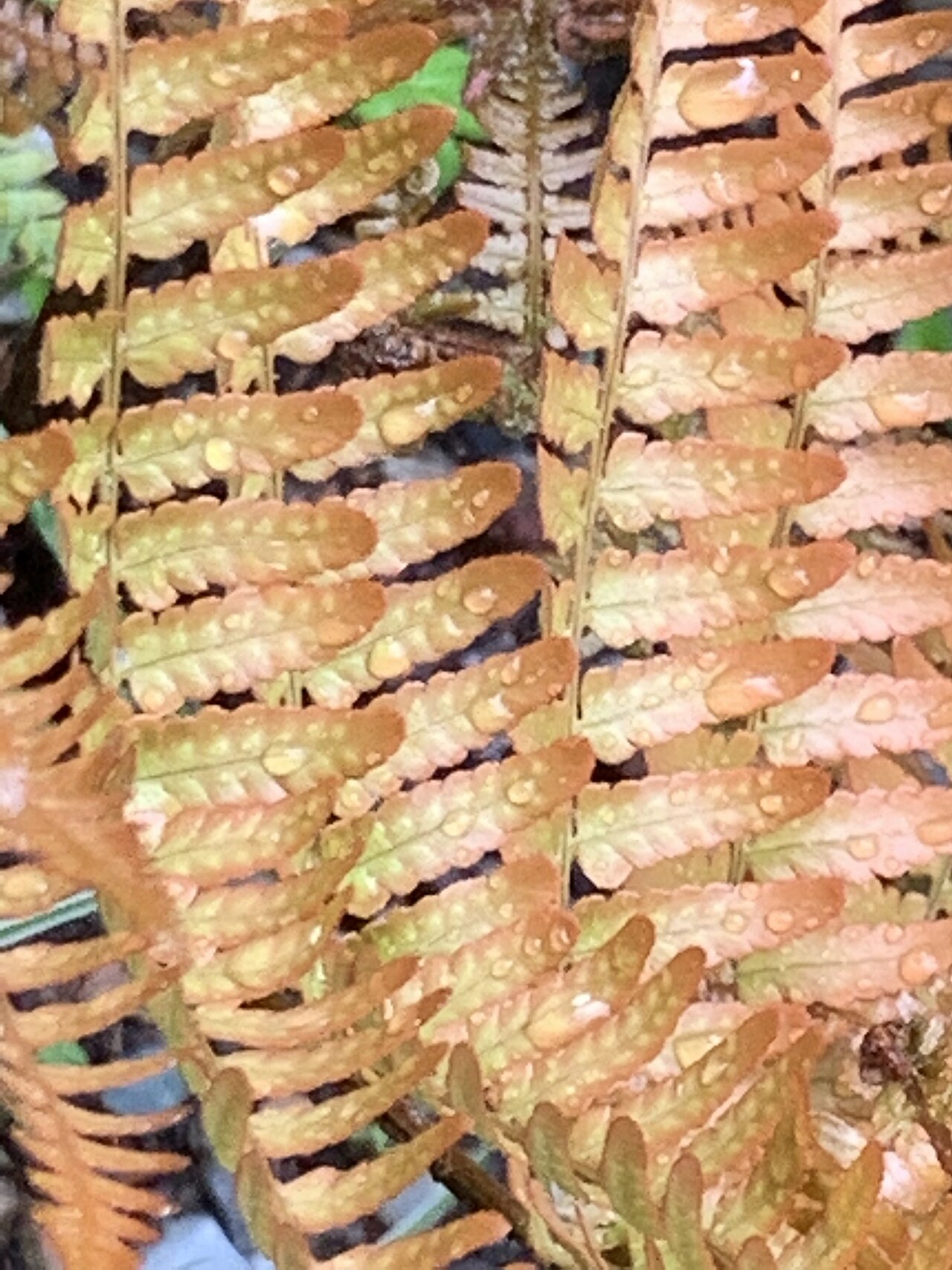
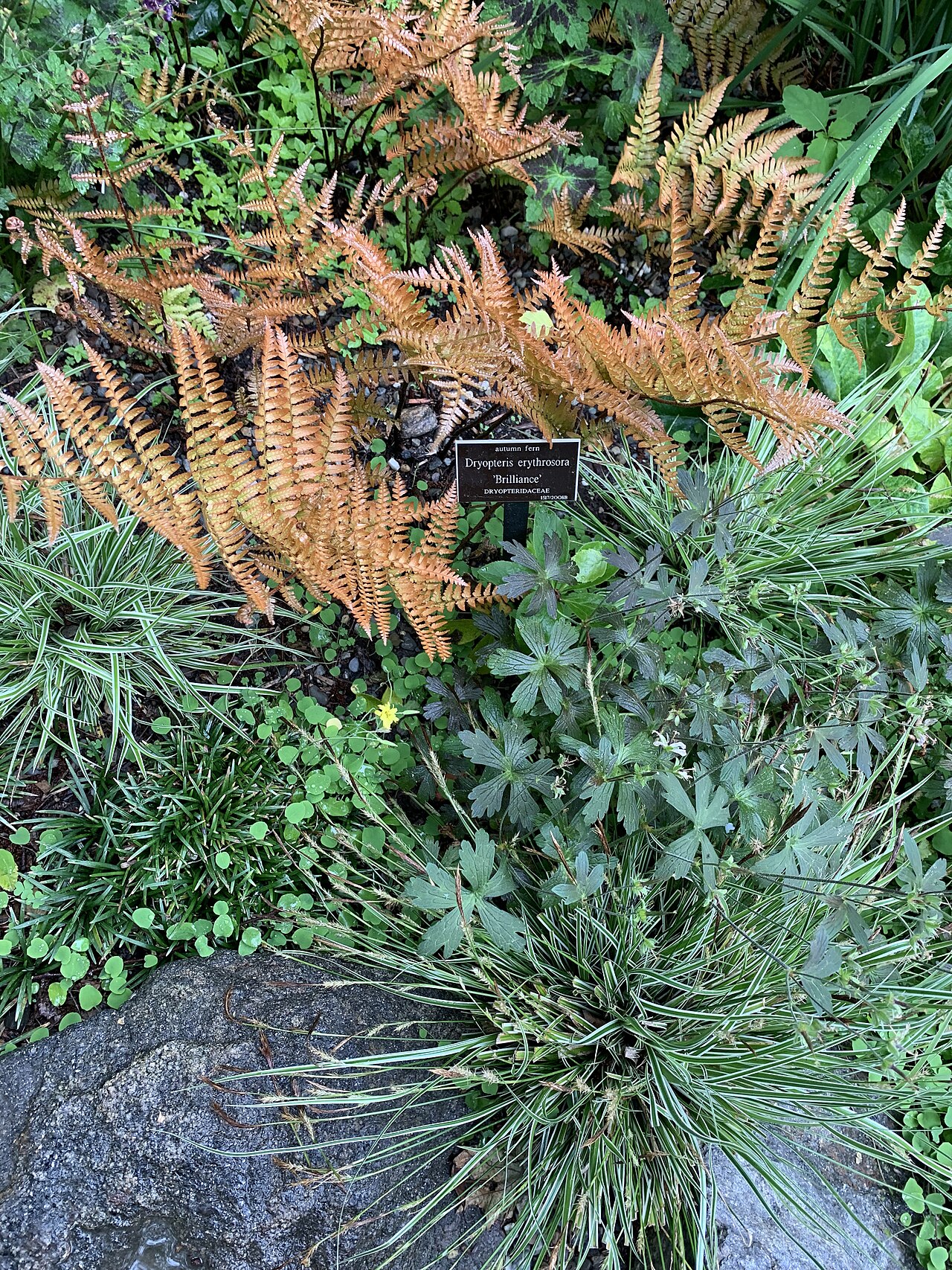
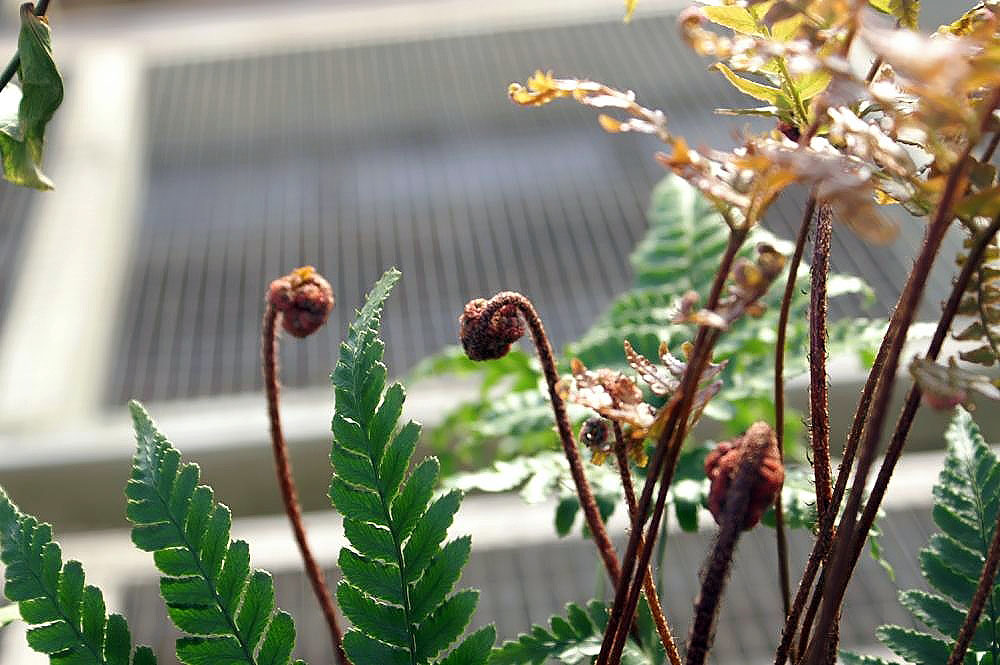
Brilliance is autumn fern, turned up. It is the best-known cultivar of Dryopteris erythrosora, selected for new fronds that are more brilliantly reddish to coppery than the species and that hold their color longer before maturing to green. The species already gives you coppery spring fronds, deep green summer fronds, and a coppery flush again in autumn; Brilliance makes the copper parts copperier and longer-lasting, which is a small change with a big visual payoff in a shady corner.
It has also earned the Royal Horticultural Society’s Award of Garden Merit, like the species itself — a mark of a plant that has been trialed and proven, not just marketed. In the garden it forms the same tidy, arching clump as the species, about 2 feet tall, evergreen or semi-evergreen depending on winter cold, and just as tough in shade. If you are planting one autumn fern and you want the maximum color, plant Brilliance; if you are planting several, mix Brilliance with the species and enjoy watching the copper shades argue with each other all season.
If you are new to choosing between cultivars, the Varieties Matter guide explains why the name after the plant matters as much as the plant itself.
Florida honesty: autumn fern is one of the genuinely good ferns for Florida — it has collected Florida plant awards and thrives in shade with steady moisture, unlike the daphnes and deutzias in this batch, which are north-Florida-only gambles. In Florida, give Brilliance deep shade, rich humus-heavy soil, and regular water during dry spells, especially while establishing. In the far south it still wants shade and moisture, and it will look best where summer irrigation is reliable.
How to grow
Plant in shade to part shade — dappled light is ideal, morning sun is tolerated, midday sun is not — in rich, humus-heavy, moist but well-drained soil. Work compost into the planting area generously; in sandy soil, organic matter is the difference between a fern that thrives and one that merely survives. Space plants 18–24 inches apart for groundcover effect. Water deeply and regularly during the first growing season. Remove tattered old fronds in late winter or early spring before the new copper flush emerges.
Water & feeding
Water deeply and regularly during establishment, then water during dry spells; autumn fern tolerates drier soil than many ferns once established, but it looks best with steady moisture. Mulch with shredded bark or compost to conserve moisture and keep roots cool. Feed lightly in spring with a balanced fertilizer or compost — ferns are light feeders, and overfeeding produces soft, floppy growth. In a drought, water is the care program; in a wet spot, drainage is.
Common problems
- Sun scorch — midday sun burns fronds; shade is non-negotiable.
- Drought during establishment — young plants need steady water; a dry first summer stunts them.
- Soggy soil — moist is good, waterlogged is not; drainage matters even for a fern.
- Tattered winter fronds — normal in cold winters; cut them back in late winter before new growth.
- Trade-name confusion — some nursery stock sold as Brilliance differs mainly in spore color (see Nerdy fact); buy from a reputable fern source.
Care through the seasons
Use Brilliance as a shade groundcover, a woodland-edge accent, or a container fern for a shaded porch — its copper flush makes it a specimen even in a pot. It pairs beautifully with hostas, hellebores, and other shade plants, and its evergreen habit gives winter structure. Divide established clumps in spring if you want more plants, or let it spread slowly on its own. Spores are the long game: ferns reproduce by spores on the undersides of fronds, not seeds, which is one of those facts that makes fern gardeners insufferable at parties and is also completely true.
Browse all plant & pest guides
Saving seeds
Brilliance is a selected cultivar, so spores saved from it won’t come true — divide clumps instead. The Propagation section of the Autumn Fern guide covers how the species is propagated.