
🫐 Buckingham Tayberry
What it looks like
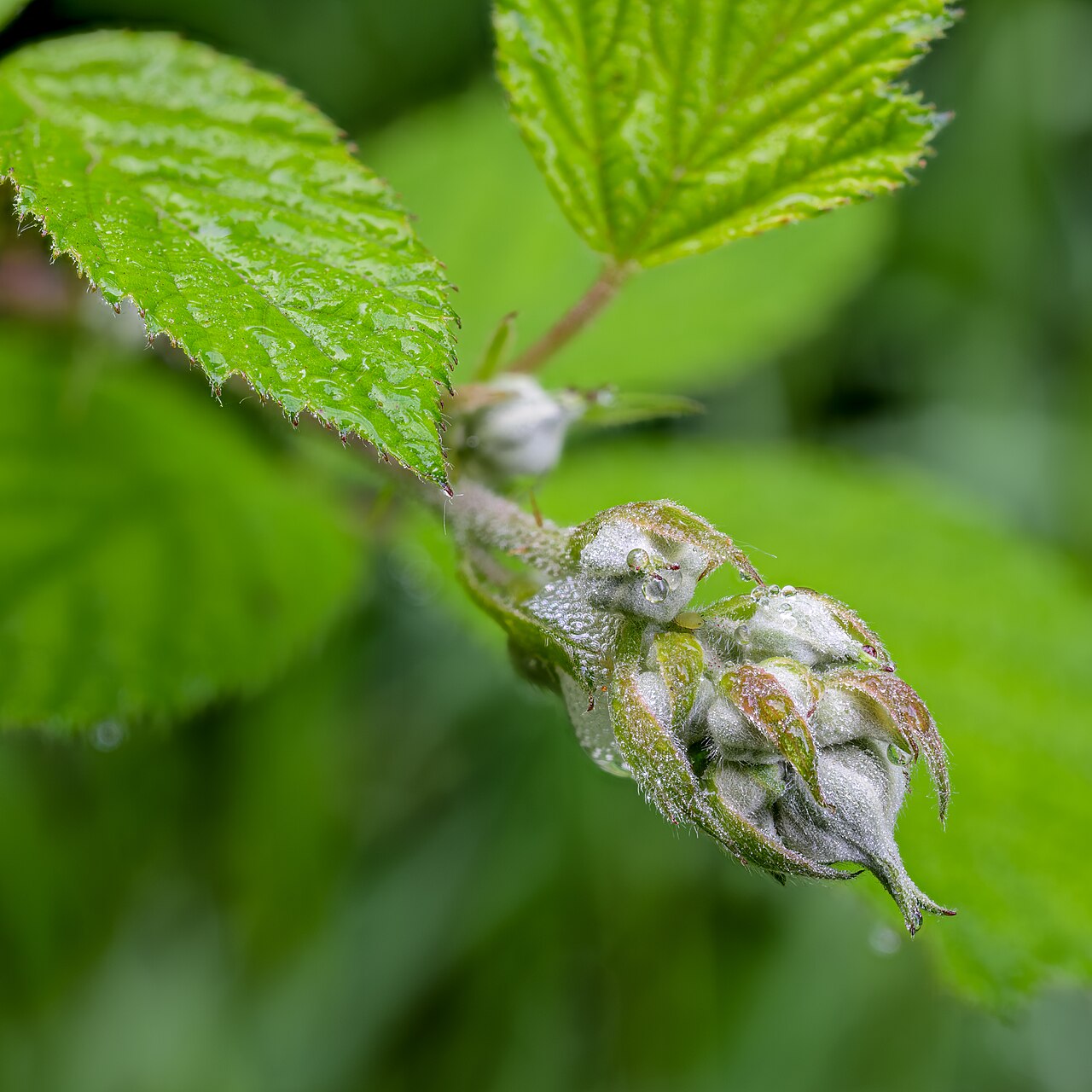
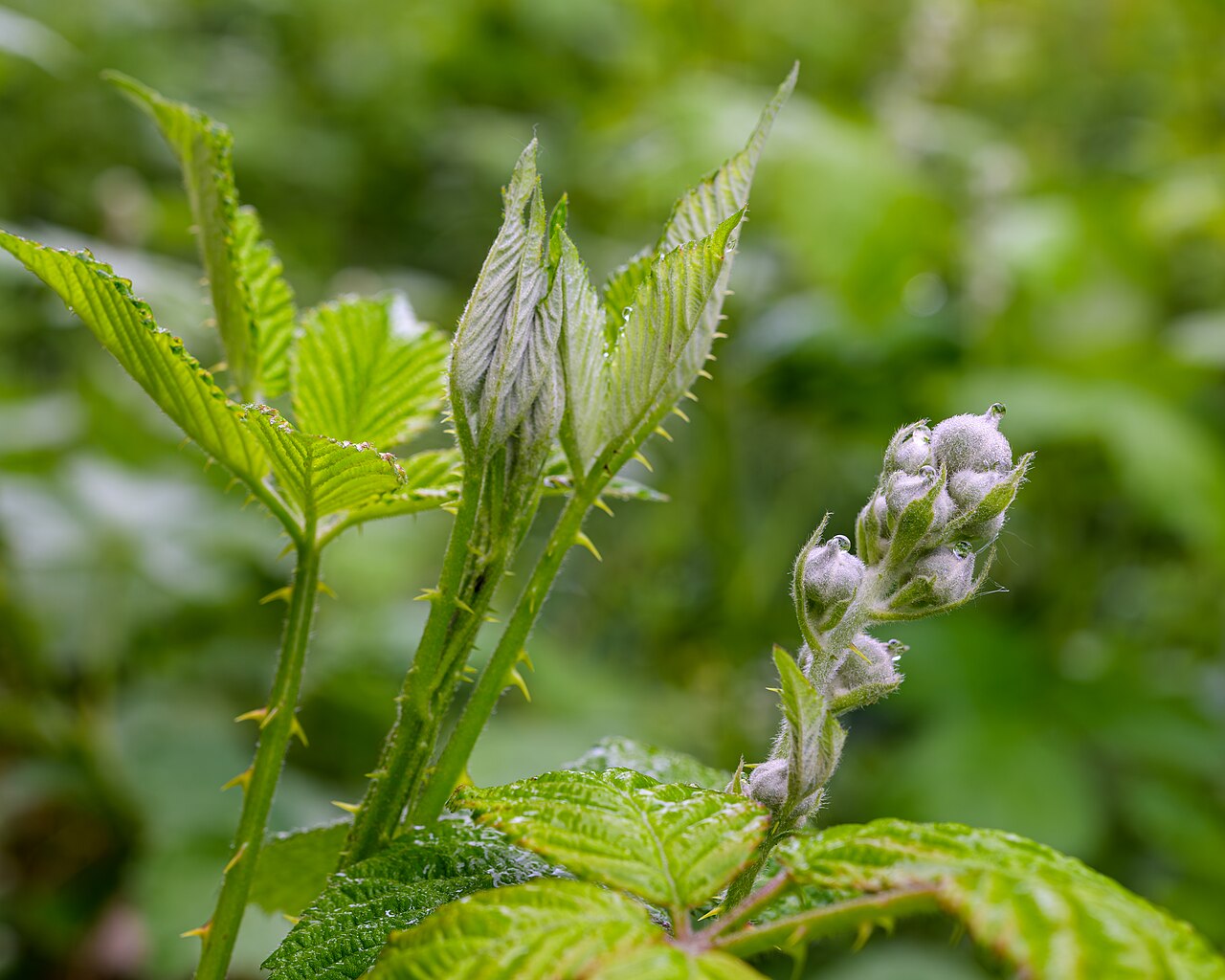
Why this variety
Buckingham Tayberry is the thornless form of one of Scotland’s best berry inventions. The original tayberry, introduced in 1979 by Dr. Derek Jennings and named for the River Tay, is a cross between the American blackberry ‘Aurora’ and a raspberry — essentially an improved loganberry, bigger than a raspberry, sweeter than a loganberry, and awarded the Royal Horticultural Society’s Award of Garden Merit. Buckingham arose as a chance spine-free mutation in 1998, and it keeps the fruit while dropping the thorns, at the cost of somewhat lower and more variable cropping than the original.
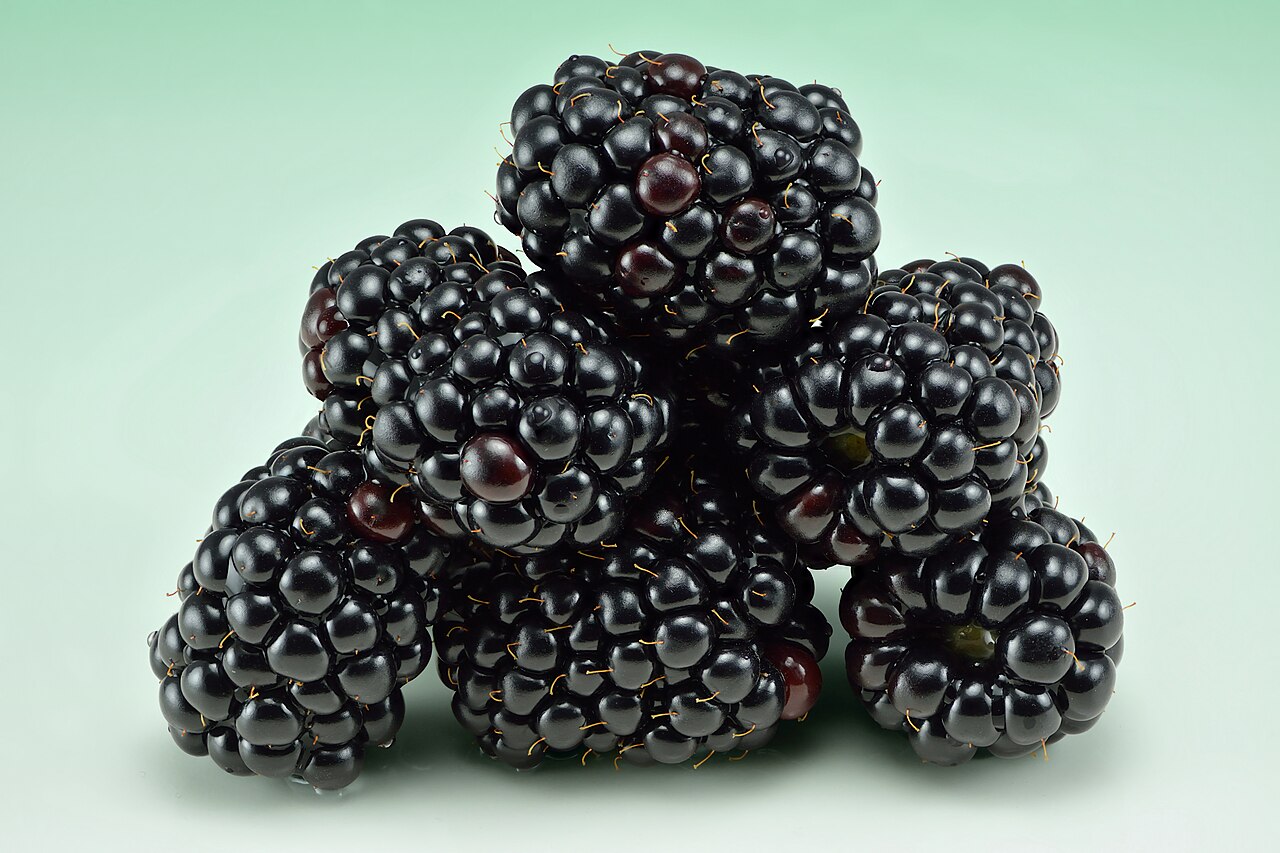
The fruit is the reason tayberry has fans: medium to large, deep purple-red berries, larger than a loganberry, with a flavor sharper than raspberry and sweeter than loganberry — excellent fresh when fully ripe, and superb in jams, pies, and desserts. Buckingham’s berries can occasionally be small or distorted, a known quirk of the mutation, but the flavor remains tangy and flavoursome, and the thornless canes make picking and pruning a pleasure rather than a chore.
How to grow
Here is the honest Florida part first: tayberry is a zones 5–9 Scottish hybrid, so in Florida it is a north-Florida trial, trellised and shaded from the worst afternoon sun. It can suffer heat damage in very hot weather, and humidity invites cane diseases, so airflow and mulch are not optional. If it fruits for you in north Florida, it is a triumph worth bragging about; further south, do not plant it expecting a crop.
Plant in fall or early spring in full sun, in rich, well-drained soil worked with compost and castings. Tayberry canes are semi-trailing and need a trellis; train new canes one way and fruiting canes the other, cut out fruited canes after harvest, and space plants 4–6 feet apart. Mulch thickly, water steadily, and give the plant afternoon shade in a north-Florida trial — the original tayberry is known to suffer heat damage in very hot weather, and Buckingham inherits that sensitivity.
Water & feeding
Water about an inch to an inch and a half a week at soil level, feed with castings or compost in spring and after harvest, and mulch to keep roots cool. In north Florida, airflow is critical: humid, crowded canes invite disease, so prune for an open trellis and do not let the plant become a thicket.
Common problems
- Aphids, leafhoppers, raspberry beetle, and gall mites are the documented tayberry pests; cane diseases follow crowded, damp canes, so airflow and prompt removal of fruited canes are the defenses.
- Birds take ripe tayberries, so net as fruit colors.
- Heat damage — scorched leaves and poor fruit set in hot weather — is the Florida-specific risk, and it is why this variety is a north-Florida trial only, not a statewide recommendation.
Harvest
Pick when berries are fully dark, soft, and releasing easily, over about a month in summer, picking every day or two at peak into shallow containers. Eat fresh within a day, freeze on trays, or cook immediately — tayberry jam is outstanding, and the thornless harvest means you will actually pick enough to make it.
Browse all plant & pest guides
Saving seeds
Buckingham is a thornless mutation, so seed saved from it won’t come true — buy a nursery plant instead. The Propagation section of the Tayberry guide covers how the species is propagated.