
🌵 Burbank Spineless Prickly Pear
What it looks like
Why this variety
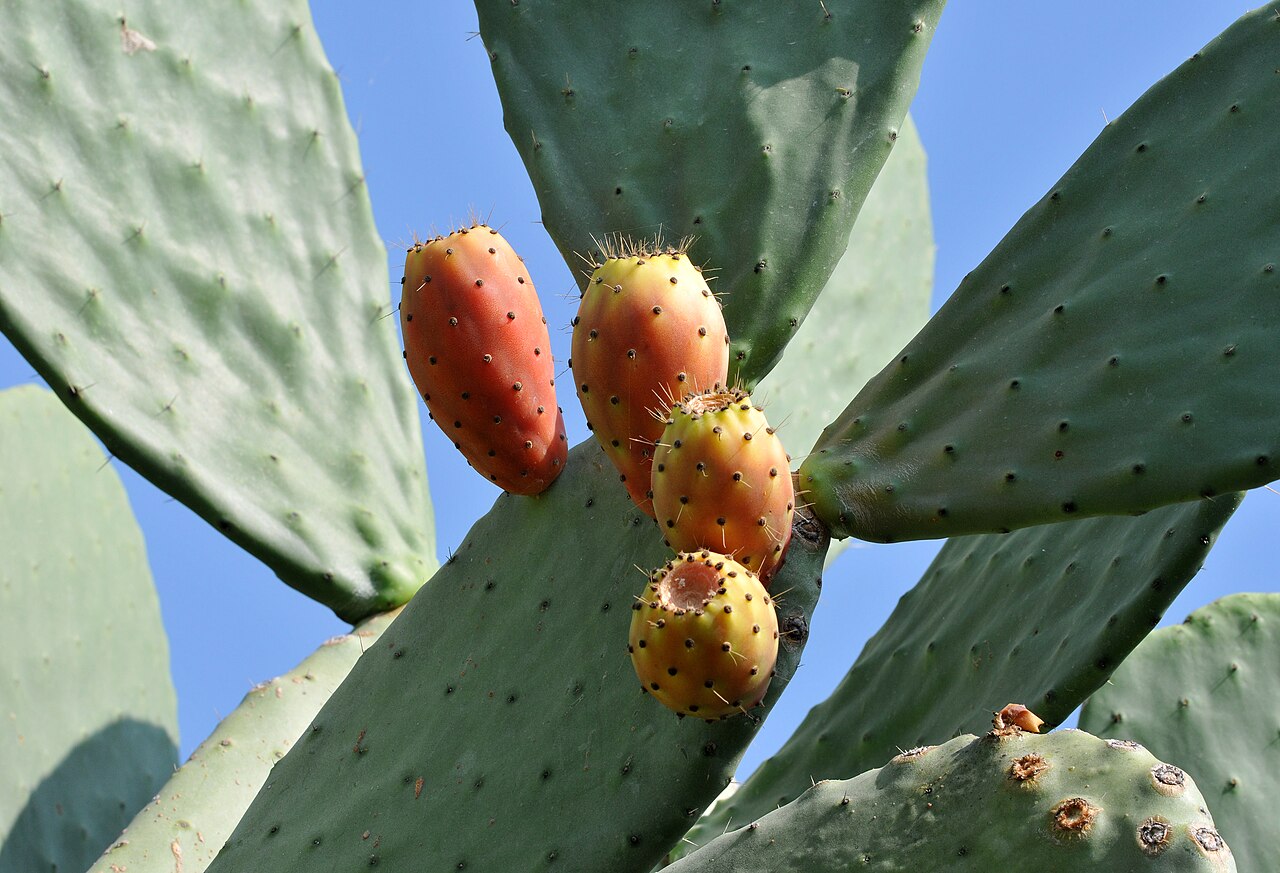
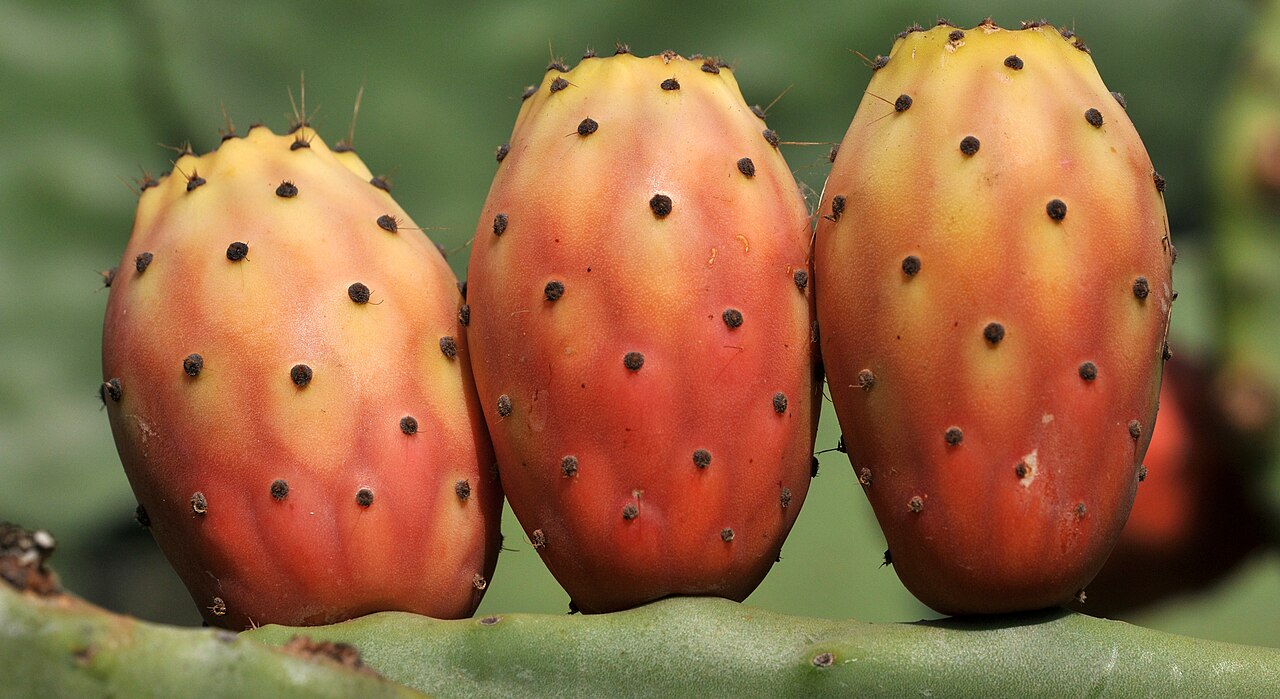
Burbank Spineless is the prickly pear most people should start with. Luther Burbank hybridized this South American opuntia in the early 1900s, aiming for a spineless cattle fodder for the Southwest, and the result is a large, upright prickly pear with nearly spineless, elongated paddles, tangerine summer flowers, and tasty red fruit (tunas). The pads are edible as nopales, the fruit is edible as tunas, and the plant is, by cactus standards, almost polite to handle — which is a low bar, but a real one.
The double harvest is the argument: nopales, the young pads, cooked as a vegetable with a flavor somewhere between green bean and okra, and tunas, the fruit, sweet and watermelon-like, eaten fresh, juiced, or made into jelly and syrup. One plant gives you both, year after year, with less water and care than almost any other fruiting plant in this guide — and in Florida, where drought and sand defeat fussier fruit, that resilience is not a footnote, it is the headline.
How to grow
Here is the honest Florida part first: prickly pear is made for Florida’s sand. It wants full sun, sharp drainage, and to be mostly left alone, and it will reward neglect with fruit and pads alike. The Florida rules are drainage first — never plant it in a spot that stays wet — and respect for glochids, the tiny barbed bristles that are far worse than the big spines. Even ‘spineless’ forms can carry some, so harvest with tongs and gloves, always.
Plant pads, not seeds, for a true-to-type plant: lay a pad on well-drained, sandy soil in full sun, let the cut end callus for a few days first, and plant it shallowly — a third buried is plenty. Space plants 6–8 feet apart, because a mature Burbank Spineless is big, and give it the sunniest, best-drained spot you have; in Florida, a raised bed or a slight mound helps where summer rain puddles. Water sparingly until rooted, then mostly leave it alone.
Water & feeding
Water deeply but infrequently — once established, prickly pear needs far less water than any other fruit in this wave, and overwatering is the fastest way to kill it, especially in Florida’s wet summers. Feed almost nothing: a light top-dress of compost or castings in spring is plenty, and rich, wet soil grows soft pads that rot. The Florida rule is drainage first, water second, fertilizer a distant third.
Common problems
- Glochids are the warning that never expires: even ‘spineless’ forms can carry tiny barbed bristles, so handle pads and fruit with tongs and thick gloves, and burn off glochids over a flame before eating fruit.
- Root rot in wet soil is the killer — never plant in a low spot, and if your soil stays wet, grow in a raised bed or container with cactus mix.
- Cochineal scale insects may appear as white, cottony patches; blast them off with a strong jet of water.
- Cactus moth is a Florida concern for Opuntia — inspect pads and report unusual damage rather than ignoring it.
Harvest
Harvest young pads (nopales) when tender and bright green, cutting with a knife and handling with tongs, and harvest tunas when fully colored, soft, and releasing easily, usually late summer. Singe off glochids, peel carefully, and use pads cooked — grilled, sautéed, or in eggs — and fruit fresh, juiced, or as jelly. A single mature plant can produce more pads and fruit than a household can use, which is the correct problem for a plant that asks for almost nothing.
Browse all plant & pest guides
Saving seeds
Burbank Spineless is a hybrid selection, so seed saved from it won’t come true — plant pads instead. The Saving seeds section of the Prickly Pear guide covers seed for the straight species.