
🎃 Burgess Buttercup Squash
What it looks like
Why this variety
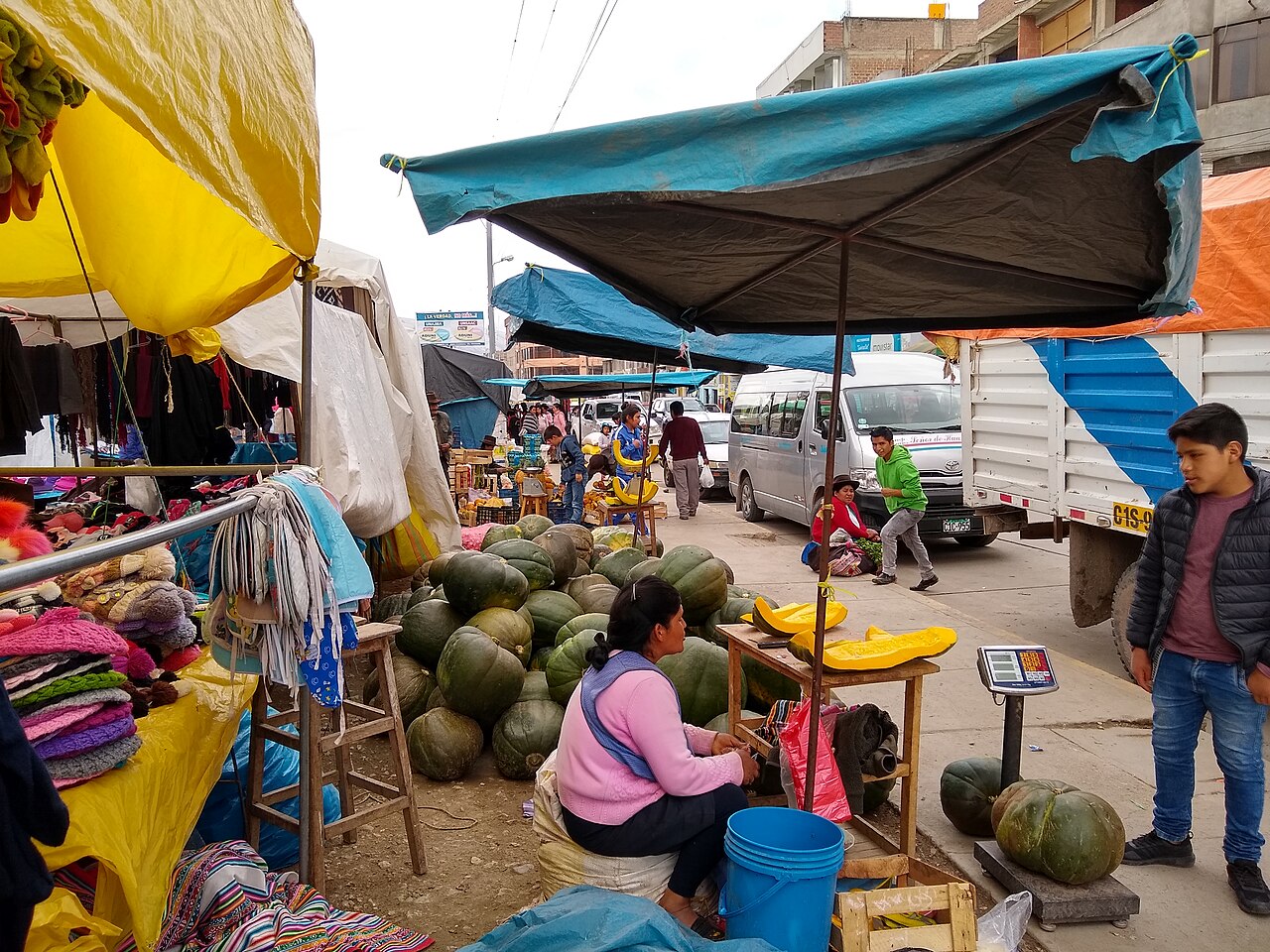
Burgess Buttercup is the buttercup squash most seed catalogs mean when they say buttercup: a dark green, turban-shaped fruit with a pale button on the blossom end, 3–5 pounds, and flesh that is dense, dry, and sweet — the squash equivalent of a baked sweet potato, with a nutty depth that makes it a favorite for roasting and soup. Buttercup types are the connoisseur's winter squash, and Burgess is the strain that made the name.
That dry, dense flesh is the whole point. Watery squash makes watery soup; buttercup flesh is low-moisture and high in starches that convert to sugars as the fruit cures, so a buttercup roasted after a month in storage tastes sweeter than the same fruit eaten at harvest. Curing is not just storage — it is the last step of ripening.
Florida translation: Burgess Buttercup is a solid Florida winter squash, maturing in a full warm season without the extreme size — and extreme vine — of Blue Hubbard. Plant spring for a summer-to-fall harvest, mulch thickly, water at the base, and cure the fruit properly; a buttercup eaten straight off the vine is good, but a cured one is the reason you grew it.
How to grow
Direct-sow 1 inch deep after soil warms to at least 65–70°F, in hills of 3–4 seeds thinned to 2 plants. Work compost and worm castings deep into the hill before planting. Vines run 6–10 feet, so give them room or a strong trellis, and keep an eye out for the female flowers — the ones with a tiny squash behind the petals — which need bees to set fruit.
Water & feeding
Deep watering, 1–2 inches a week, at the base, in the morning — never overhead, which spreads mildew. A generous handful of worm castings in each planting hill plus a mid-season side-dress feeds the long season steadily; castings carry a low burn risk and add the organic matter sandy soil loses every summer. Mulch thickly to hold moisture and keep fruit clean, and slip a board or straw pad under ripening fruit so it does not sit in wet soil.
Common problems
- Powdery mildew — white dust on leaves in humid weather. It usually arrives late, after fruit is mostly made, so keep watering at the soil line, space for airflow, and do not panic; a mildewed vine with mature fruit has already done its job.
- Squash vine borer — a moth larva that tunnels into stems and wilts a vine overnight. Watch for sawdust-like frass at the stem base, slit and remove the grub if you catch it early, and bury a healthy stem node so the vine roots again.
- Squash bugs — bronze egg clusters under leaves, then gray nymphs that suck vines dry. Scrape eggs off weekly; that one habit beats most sprays.
- Poor fruit set — usually missing pollinators. Winter squash has separate male and female flowers on the same plant, and the female (with a tiny squash behind the petals) needs a bee visit. Hand-pollinate in the morning if bees are scarce: pick a male flower, dab pollen onto the female's stigma.
Harvest
Harvest when the rind is hard, the stem is dry and corky, and the dark green skin has dulled slightly. Cut with 2–3 inches of stem, cure warm and dry for about ten days, then store cool and dry; buttercup keeps for months and sweetens in storage, so do not rush to eat the first fruit.
In the kitchen, winter squash is a storage crop, not a fresh-eating race: roast cut-side down until soft, scoop and puree, or cube and roast with olive oil and salt. The puree freezes in portions for soups, pies, and breads all winter, which is the real payoff of a fall harvest.
Browse all plant & pest guides
Saving seeds
Burgess Buttercup is a buttercup winter squash strain, so it comes true from seed — save seed from your best fruits and let them cure fully before storing. The full method is in the Saving seeds section of the Winter Squash guide.