
🫘 Carob
What it looks like
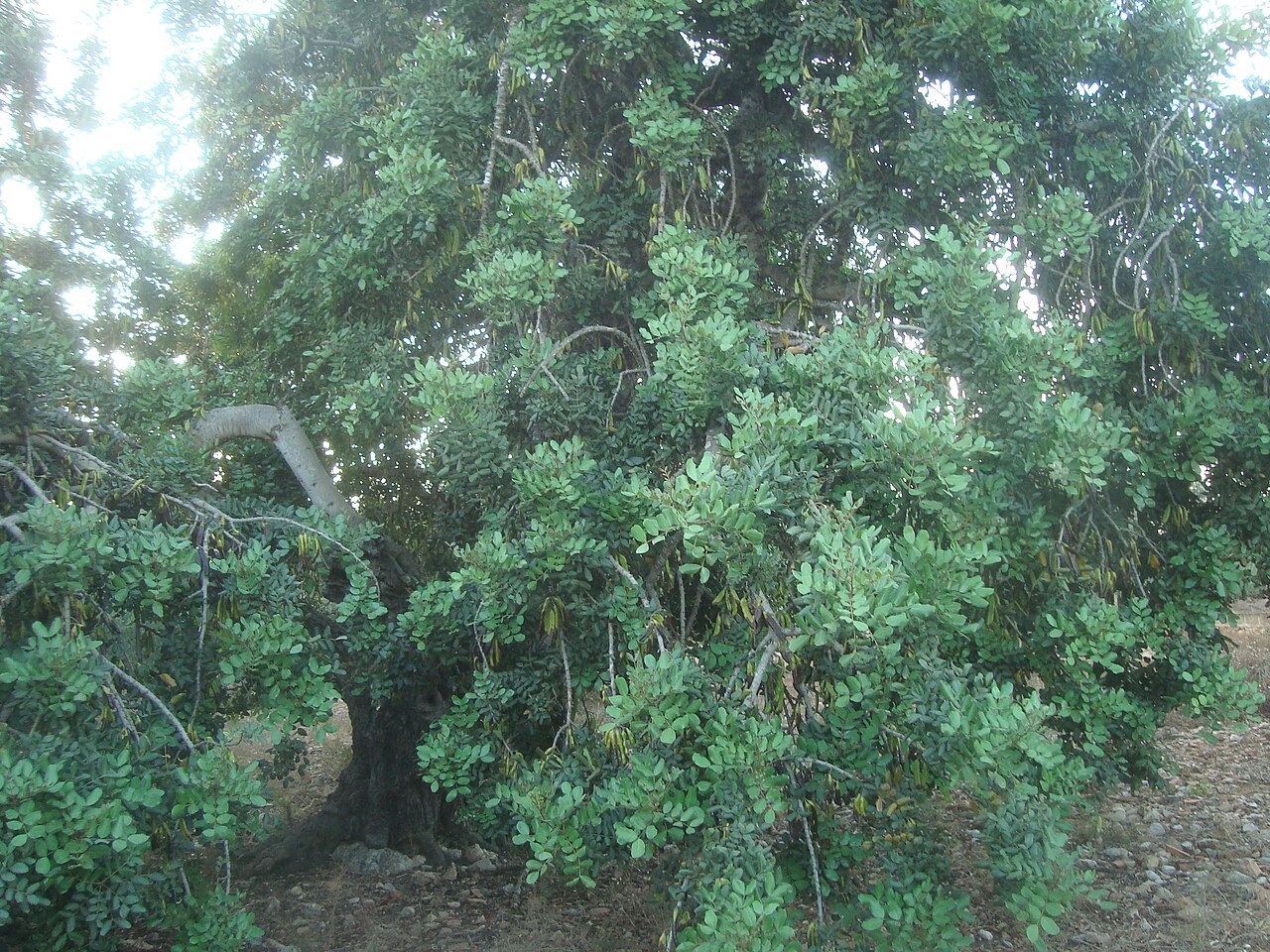
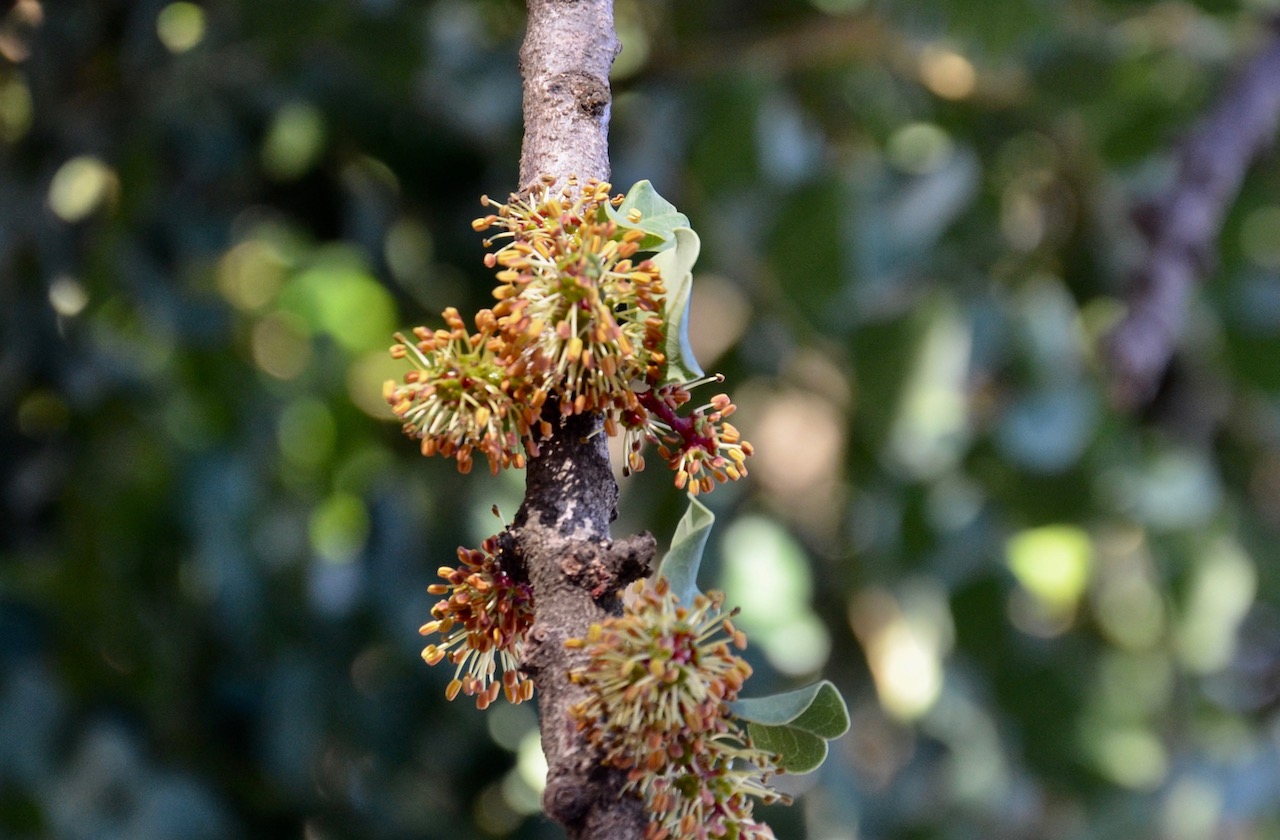
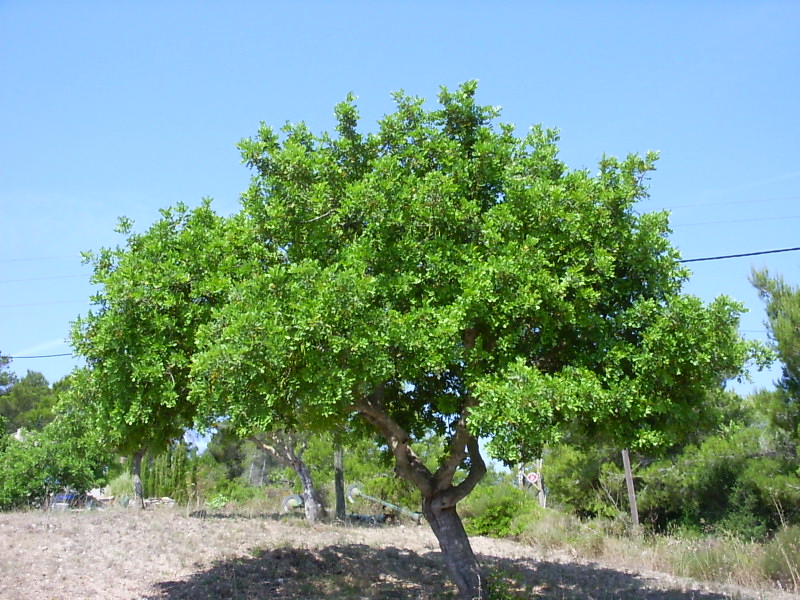
How to grow
Carob is a long-lived Mediterranean evergreen tree whose dark brown pods are dried, ground, and used as a chocolate-like powder and syrup — naturally sweet, caffeine-free, and rich in fiber. It wants full sun, heat, and excellent drainage, and it tolerates drought, poor soil, and alkaline conditions that defeat fussier fruit trees. Plant in zones 9-11, in the warmest, best-drained spot you have; it dislikes frost and wet feet equally. Most carob trees are dioecious, so plant a male near females for pods, or buy a hermaphroditic or grafted variety known to fruit alone. Prune young trees for structure, then largely leave this slow, sturdy tree alone — it can live for a century and outgrow a small garden, so site it as a real tree.
Water & feeding
Water deeply while young, then infrequently once established — carob is one of the most drought-tolerant fruit trees you can grow. Overwatering in heavy soil invites root rot. Feed lightly, if at all, with compost in spring; carob fruits well on lean soil.
Common problems
- Frost — young trees are tender; protect in marginal zones and accept that zone 9 is the edge.
- Wet, heavy soil — root rot follows; drainage is non-negotiable.
- No pods — usually a missing male pollinator; check the variety before blaming the tree.
- Size — a mature carob is a big tree; do not plant it under wires or against a house.
Harvest
Pick pods when they turn fully dark brown and brittle in fall; they should snap, not bend. Dry further if needed, then grind for powder or soak for syrup. Pods store for months dry, which is part of their ancient appeal as a travel food.
Browse all plant & pest guides
Saving seeds
Carob seeds are a lesson in patience wrapped in a very hard coat, and that coat is the whole story. Start with pods that are fully ripe: dark brown, brittle, and snapping rather than bending when you break them, picked in fall from a tree whose pods you actually like, because a seedling is a gamble and you want the best odds you can get. Split the pods open, pick out the glossy brown seeds, and throw away any that are shrivelled, cracked, or hollow. Rinse off the sticky pulp, because pulp left on the seed invites mold in storage, and spread the clean seeds out to dry thoroughly in a warm, airy spot out of direct sun. Once they are truly dry, they keep well for years in a labelled, airtight jar in a cool, dark place, and in Florida that last part is not optional: our humidity will rehydrate a half-dried seed in a jar and rot it quietly, so dry them until they feel hard and glassy, add a small desiccant packet if you have one, and do not store them in a garage that swings between sauna and swamp.
The hard coat is waterproof, which is why carob seeds can sit in dry soil for years doing nothing, and why sowing them untreated is mostly an exercise in disappointment. Before sowing, break that coat without wounding the embryo inside: nick one edge lightly with a file or sandpaper until you just see the paler interior, or pour hot water just off the boil over the seeds and let them soak for a day or two, changing the water if it goes cloudy. Sow the swollen seeds in tall, deep pots, because carob makes a taproot early and resents being disturbed, and keep them warm and barely moist rather than wet. Germination is erratic even with treatment, with sprouts appearing over weeks rather than days, so sow more seeds than you need and do not throw the pot away in a fit of impatience.
Now the honest part, and it matters more than the germination trick. Carob seedlings do not grow true to the parent tree, and most carob trees are dioecious, with male and female flowers on separate trees, so roughly half of your seedlings will turn out to be males that never bear a pod, and you will not know which is which until they flower, years down the line. Seed is the right route for rootstock, for a shade tree, or for the sheer fun of growing a tree from a pod you ate, but it is the wrong route for a guaranteed crop of a named variety. For that, growers graft or bud a known female cultivar, or a hermaphrodite selection, onto seedling rootstock, which also brings fruiting forward by years: seedlings can take the better part of a decade to fruit, while a grafted tree often bears much sooner. If you raise seedlings, grow several, plant the strongest, and when one proves itself female and fruitful, that is the tree to graft from, not the seed jar. And if you only have room for one tree, plant a grafted hermaphrodite or self-fertile selection rather than rolling the dice on a seedling and waiting years to find out you grew a very handsome male.
Varieties
Every named variety of Carob with its own growing guide:
- Clifford Carob — The self-fertile carob that solves the species’ awkward pollination problem: one tree, a large crop, excellent flavor.
- Santa Fe Carob — The other self-fertile American carob: excellent flavor, reliable pods, and a tree that asks for sun and drainage and little else.