
🌰 Carya
What it looks like
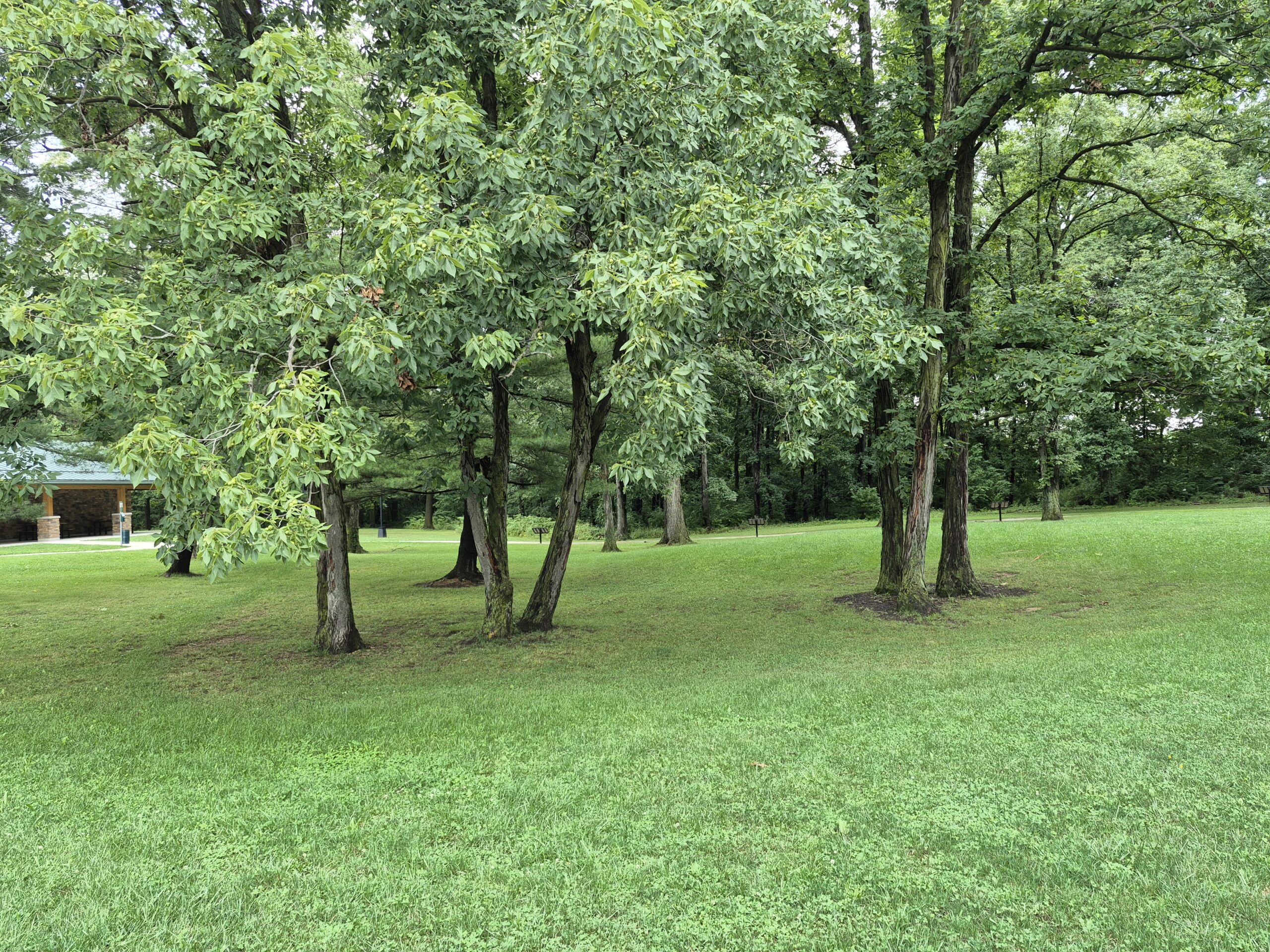
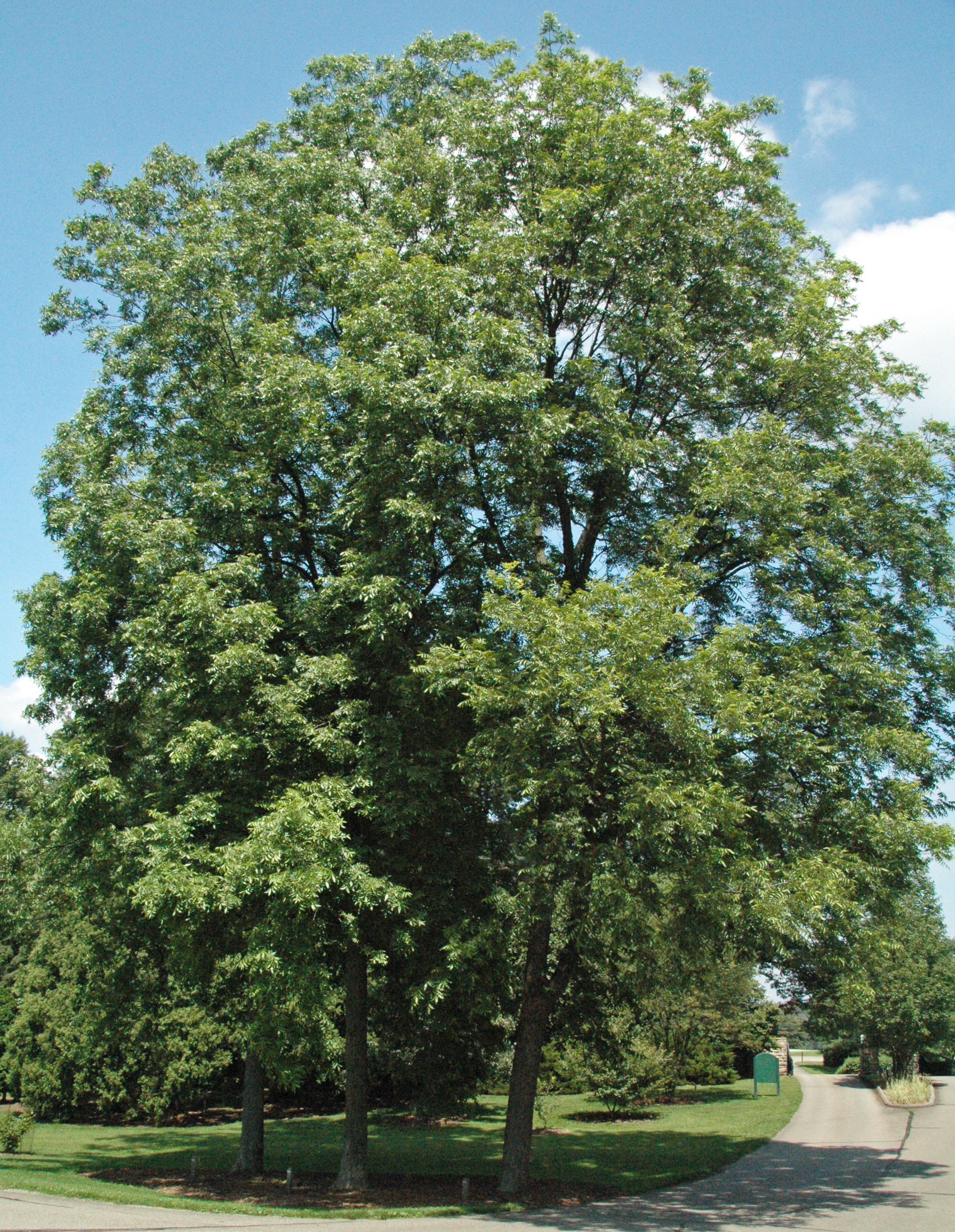
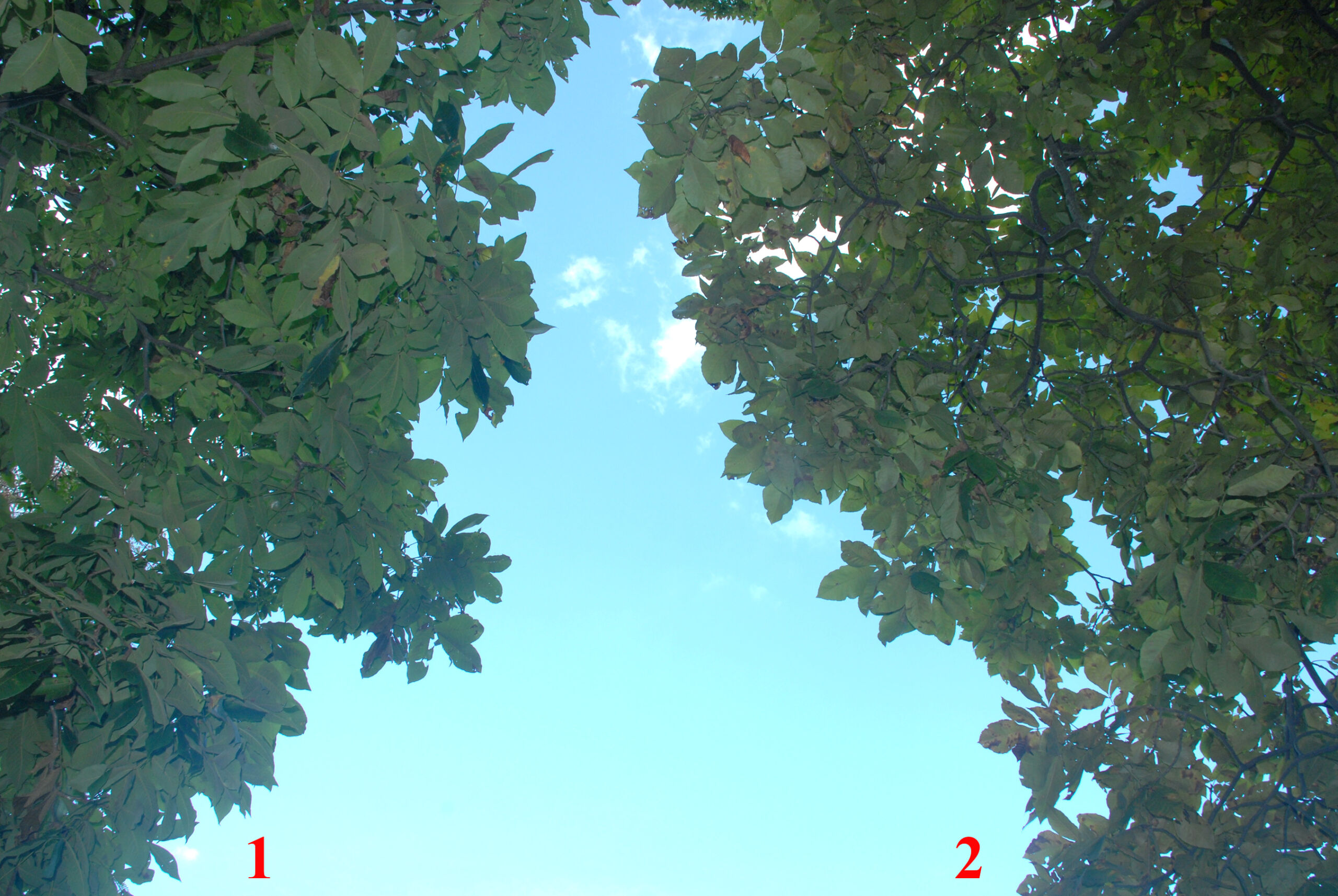
Carya is a genus of deciduous trees in the walnut family, Juglandaceae, known in everyday language as the hickories, with the pecan as their most famous member. The genus name comes from the Greek karya, the ancient word for walnut trees, which is a clue to the family resemblance: like walnuts, hickories bear their nuts in husks, grow deep taproots, and produce wood that is famously tough. Flora of North America counts 18 species in the genus, 11 of them in its flora area, while broader counts that include the Asian species run to about 25, and the honest statement is that the genus holds roughly two dozen species, split between eastern North America, Mexico, and eastern Asia, with the North American species divided into two groups, the true hickories and the pecan hickories.
A Carya tree is unmistakable once you know the pattern. The leaves are pinnately compound, a central stalk carrying 5 to 17 leaflets depending on the species, turning clear gold in fall. The bark varies by species and is often the best field mark: shagbark hickory peels into long, shaggy gray strips that curl away from the trunk, shellbark hickory does the same on a larger tree, pignut and mockernut have tight, furrowed bark, and pecan has furrowed bark on a tall, straight trunk. The fruit is the giveaway for the whole genus: a nut enclosed in a husk that splits, fully or partly, into four sections when ripe, dropping a hard-shelled nut that is sweet in some species, bitter in others, and thin-shelled and buttery in the pecan. If you find a husked nut with a four-part split under a tall eastern tree with compound leaves, you have found a Carya, and the taste test will narrow it down fast, though the bitter ones will narrow it down faster.
Size is the first thing to respect. Most Carya species are large trees, 60 to 100 feet tall at maturity, with pecan reaching 100 feet or more in river-bottom soil and mockernut hickory typically 60 to 80 feet, according to Missouri Botanical Garden. These are not garden shrubs, not patio trees, and not plants for a small lot. They are forest canopy trees that happen to also be orchard trees, and they need the room of a forest canopy tree, decades of patience, and soil deep enough for a taproot that goes down like it means it.
One plain-text clarification, because the site’s existing guides invite confusion: this genus guide does not replace the site’s species guides. The site already has a Hickory guide, but that guide is filed as Carya ovata, shagbark hickory, a single species, not the genus, and it has separate guides for pecan varieties and for individual hickory species such as pignut and water hickory. A species guide does not cover its genus, and this genus guide does not replace any species guide; it is the map of the whole family, and the species guides are the individual portraits.
How to grow
Grow Carya the way a forest grows it: in full sun, in deep, moist, well-drained soil, with room and patience. Most species prefer fertile bottomland or rich upland soil, and pecan in particular thrives in the deep, moist soils of river bottoms and at the base of protected slopes, while upland hickories such as mockernut and pignut tolerate drier ridges and somewhat dry soils. All of them want drainage with depth: a shallow soil over rock or hardpan will stunt a tree whose taproot wants to go deep, and a permanently waterlogged soil will rot it, with the exception of water hickory, which tolerates swampy ground that would drown its cousins. If your soil is shallow, wet, or compacted, fix the soil before you buy the tree, because a hickory planted in bad soil will spend twenty years resenting the decision.
Plant in fall or spring while dormant, and plant young, because the taproot is the whole story of transplanting Carya. Nursery trees are best moved small, as bare-root or small container stock, and large balled-and-burlapped hickories often fail because the taproot was cut and never recovered. Water deeply through the first two or three years, mulch wide, and then mostly leave the tree alone. Growth is slow to moderate, and nut production is slower: a seedling pecan or hickory may take a decade or more to bear a real crop, and grafted pecan varieties bear much sooner, which is why orchards plant grafted trees and forests plant seedlings. If you want nuts in your lifetime, buy a grafted pecan variety suited to your zone; if you want a forest tree, plant a seedling hickory and enjoy the shade while you wait.
Hardiness is a genus span, not a single number, and this guide’s hero stats say so plainly. Mockernut hickory is hardy to zones 4 to 9, pecan is generally zones 5 to 9, with some accounts stretching it to zone 10, and the composite genus range of zones 4 to 10 covers the commonly grown species without promising that any one species covers the whole span. Florida gardeners should note that pecan and the southern hickories do grow in northern Florida, but they need a site with deep soil and summer moisture, and they are not a good fit for the shallow, sandy soils of much of the peninsula without serious soil preparation. Choose the species for your zone, not the genus for your dreams.
Pruning is light and structural. Prune in winter while dormant, remove dead, crossing, or damaged wood, and train a strong central leader while the tree is young, because a mature hickory with co-dominant leaders is a storm problem waiting for a windy night. Do not top a hickory, do not shear it, and do not remove more than a quarter of the crown in any one year. Hickories also tolerate juglone, the growth-inhibiting chemical black walnuts release into the soil, which is a useful trait if you garden near a walnut, and they are themselves allelopathic only mildly, so they are better neighbors than their walnut cousins.
Water & feeding
Water to establish, then match water to species. Through the first two or three years, water deeply every week or two in dry weather, soaking the root zone so the taproot grows down. Once established, upland hickories are moderately drought-tolerant, while pecan is not: pecan needs consistent moisture through the growing season for good nut fill, and a dry summer on a pecan means small, poorly filled nuts, no matter how good the variety. That difference is the practical split between the two groups, and it is the reason pecan orchards are irrigated and hickory woodlots are not.
Feed lightly, if at all. Carya trees grow well in average to fertile soil, and a yearly mulch of leaf litter or bark, kept off the trunk, is all the feeding most trees need. Pecan orchards are the exception, with managed fertilizer programs keyed to leaf analysis and zinc, since pecan is famously sensitive to zinc deficiency, which shows as rosetting, small, yellow-mottled leaves. A garden pecan showing those symptoms should get a soil and leaf test before any fertilizer, because guessing at zinc is how you trade one deficiency for a toxicity. For a shade hickory, skip the fertilizer entirely and let the leaf litter do the work, which is what the forest has been doing for millions of years.
Common problems
- Transplant failure from taproot damage. The classic Carya problem, and almost always caused by moving too large a tree. Plant small, plant young, and do not move an established hickory unless you have no choice and a very good spade.
- Slow bearing. Seedling trees may take a decade or more to bear nuts, and that is normal, not a defect. If nuts are the goal, plant grafted pecan varieties and plant two compatible varieties for cross-pollination, since pecan needs a pollination partner for a full crop.
- Pecan weevil and hickory bark beetle. Pecan weevil is the serious orchard pest, with grubs feeding inside the nuts and adults emerging from the soil in fall; orchard control is a managed program, not a spray-and-pray. Hickory bark beetle, borers, and twig girdlers trouble hickories in parts of their range, and the best defense is a vigorous tree, sanitation, and removal of infested wood.
- Pecan scab. The most important pecan disease in humid regions, a fungus that spots leaves, shucks, and nuts and can ruin a crop in a wet year. Resistant varieties are the real answer in the Southeast; a susceptible variety in a humid climate is a yearly battle.
- Nut drop and alternate bearing. Pecans and hickories bear heavily one year and lightly the next, and they drop nuts early under drought stress. That alternation is built into the genus, and thinning a heavy crop in spring can even it out somewhat, though it will never eliminate it.
- Size and litter. A 100-foot tree dropping hard nuts, husks, and compound leaves is a tree for a large property, not a courtyard. Do not plant a pecan over a patio, a driveway, or a roof you like, and give every Carya 30 to 50 feet of clear space.
Harvest
The harvest is the reason this genus matters, and it comes in two currencies: nuts and wood. Pecan is the most important nut tree native to North America, according to Flora of North America, and its nuts are the buttery, thin-shelled standard every other hickory nut is judged against. Shagbark and shellbark nuts are sweet and excellent eating, though smaller and harder to crack than pecan, and they were a staple food for Indigenous peoples and for early American settlers. Bitternut and pignut nuts are bitter and inedible for practical purposes, and water hickory nuts are bitter too, which is a useful reminder that a husked nut is not automatically dinner: taste a little, and trust the bitter ones to warn you off.
The wood harvest is just as important, and in some ways more distinctive. Flora of North America notes that hickory wood is unequaled for tool handles because of its combined strength and shock resistance, and it is the classic wood for axe handles, hammer handles, drumsticks, and smoked meat, since hickory smoke is the flavor of American barbecue. A hickory tree is therefore two crops in one, a nut orchard and a timber stand, and the reason old farm woodlots kept their hickories when they cut everything else.
Butterfly guides list Carya as a host plant for the banded hairstreak butterfly, and that is the per-guide record: one butterfly guide, the banded hairstreak, in its Host plants section, with the Latin name Carya given at genus level, not tied to a single species. That genus-level listing is exactly why this genus guide exists, and it is worth stating accurately rather than stretching it into a claim about every hickory species. Hickory foliage feeds a large caterpillar fauna beyond any single guide, including the hickory horned devil, the spectacular caterpillar of the royal walnut moth, and a tree that feeds that many caterpillars is feeding that many birds in turn.
Saving seeds
For the whole Carya genus, the seed is the nut, and saving it starts with the genus-level truth that a nut is not a bean. Collect nuts in fall as they drop, when the husks split and the nuts inside are plump and well filled, and sort ruthlessly: throw away cracked, insect-bored, or suspiciously light nuts, because a weevil hole is a nut that will never be a tree. Husk them promptly, because husks left on stain and invite mold, and note which species you are holding, since this genus mixes dinner and disappointment in the same basket. Pecan, shagbark, and shellbark nuts are sweet and worth eating and planting, while bitternut, pignut, and water hickory nuts are bitter and inedible for practical purposes, so do not save seed from a bitter species expecting a sweet tree. The genus-level method that follows fits all of them, but the eating advice does not, and the label on the jar is what keeps the two straight.
Most hickory nuts are dormant and need a cold, moist winter before they will germinate, which is why the simplest method is also the oldest: plant them in fall, in place or in a protected nursery bed, and let winter do the work. If you prefer the fridge to the weather, soak the husked nuts in water for two to four days, changing the water daily to wash away tannins, then mix them into moist sand, sawdust, or vermiculite in a sealed bag and refrigerate for about three months, keeping the medium damp but never waterlogged. Pecan is the famous exception: it does not truly go dormant, but nurseries still cold-store it through winter, because a pecan left warm and dry goes rancid and loses viability, while a pecan kept cool and damp stays alive and germinates more evenly in spring. Do not store Carya nuts the way you store beans. Dry storage is how you kill them. Keep them moist and cold, plant them in deep pots or directly where the tree will grow, because every Carya makes a taproot that goes straight down and hates being transplanted, and protect fall plantings from squirrels and mice with hardware cloth, because rodents consider your seed bank a buffet and they are not wrong.
Seedlings do not grow true to a named variety, and that is the sentence that decides the whole project. A pecan seedling will be a pecan, but it will not be the cultivar its nut came from, and it may take many years to bear nuts of unknown quality, while a grafted or budded tree of a known variety bears sooner and predictably. Seed is the right route for rootstock, for a wildlife tree, for a timber tree, or for the long gamble of raising a seedling and discovering something good, and nurseries raise open-pollinated seedlings by the thousand for exactly that rootstock purpose. For a known nut, graft or bud a named variety onto a seedling rootstock in late winter or in summer when the bark slips, and rub out the shoots that sprout below the graft, because a rootstock sucker left to grow will quietly take over the tree. Wind pollination does the crossing here, with pollen travelling long distances, so do not try to isolate a Carya by spacing in a home garden; instead, accept that every seedling is a new combination, label your lots by mother tree and year, and if you want a particular nut, plant a grafted tree and let the seedlings be the adventure, not the plan.
Notable species
The Carya genus is best learned species by species, and the notable species below are listed in plain text, without links, because this guide’s only link is the browse link at the bottom.
- Carya illinoinensis (pecan): The most important nut tree in the genus, 70 to 100 feet tall or more, zones 5 to 9, the state tree of Texas, with hundreds of grafted varieties bred for nut size, shell thinness, and scab resistance. The site has its own pecan variety guides, which are the place for variety detail.
- Carya ovata (shagbark hickory): The shaggy-barked hickory, 60 to 80 feet tall, zones 4 to 8, with sweet nuts and bark that peels into long gray strips that shelter roosting bats. The site’s Hickory guide covers this species, not the genus.
- Carya laciniosa (shellbark hickory): The largest hickory, with the largest nuts, a bottomland tree of rich, moist soil, with shaggy bark like shagbark on a bigger frame.
- Carya glabra (pignut hickory): A tough upland hickory with tight bark and pear-shaped nuts, common across the eastern United States, with bitter to barely edible nuts and excellent fall color.
- Carya tomentosa (mockernut hickory): A medium to large hickory, 60 to 80 feet tall, zones 4 to 9, with large, hairy buds and sweet nuts, named for the mockernut’s deceptive resemblance to a more valuable nut.
- Carya cordiformis (bitternut hickory): A fast-growing hickory with bright yellow buds and bitter nuts, common in moist woods, and the hickory most often planted for timber and shade where nut quality does not matter.
- Carya aquatica (water hickory): The swamp hickory, tolerant of soils underwater for part of the year, with bitter nuts and a liking for river bottoms and floodplains that would drown its cousins.
- Carya floridana (scrub hickory): A Florida endemic, a smaller hickory of scrub and sandy soils, and the Carya most Florida gardeners are actually likely to meet in the wild.
Asian Carya species, including species native to China and Indochina, exist in the genus but are rarely grown in North American gardens, and they are not listed here as garden recommendations, only as a reminder that the genus is bigger than the eastern forest.