
🌿 Catnip
What it looks like
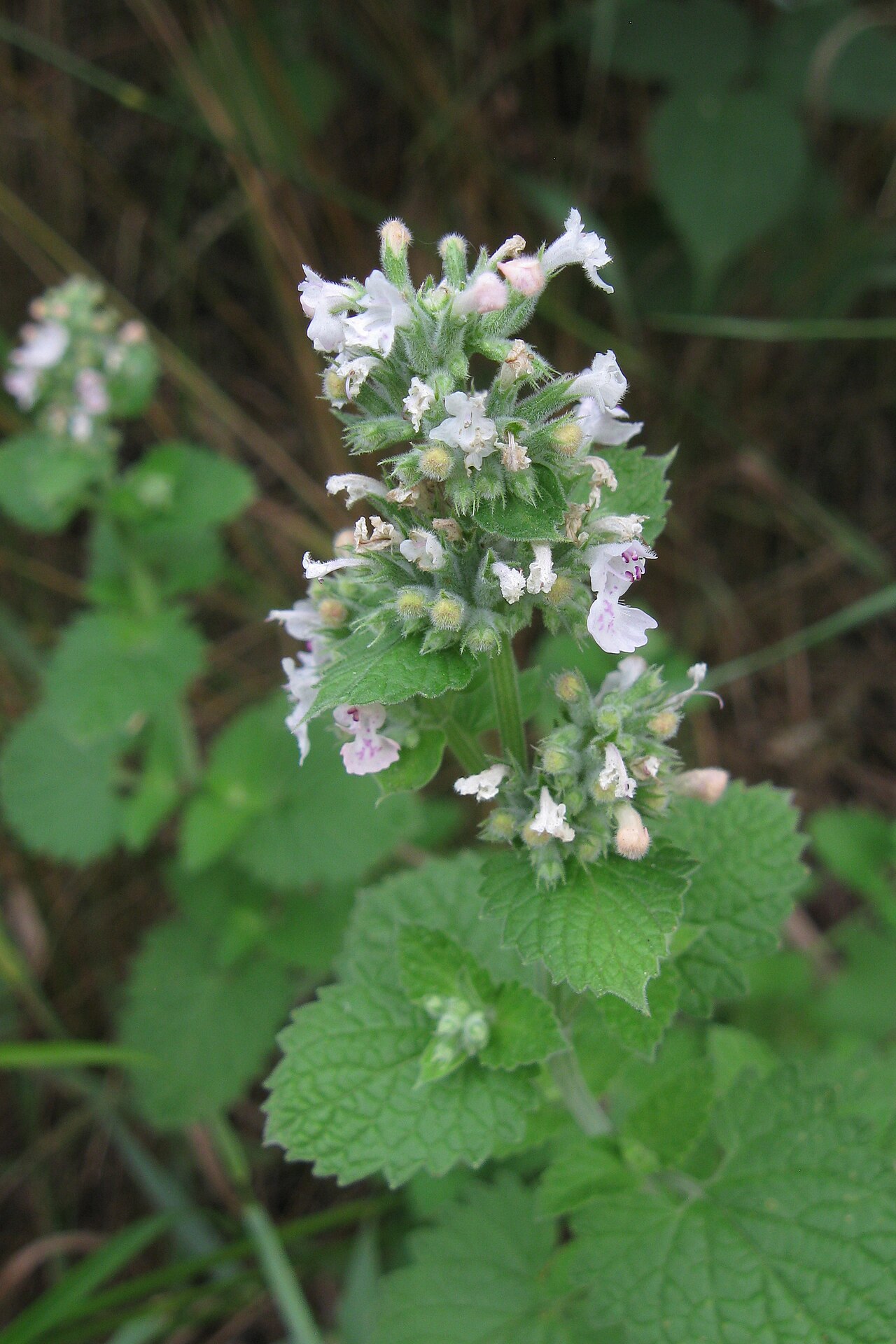
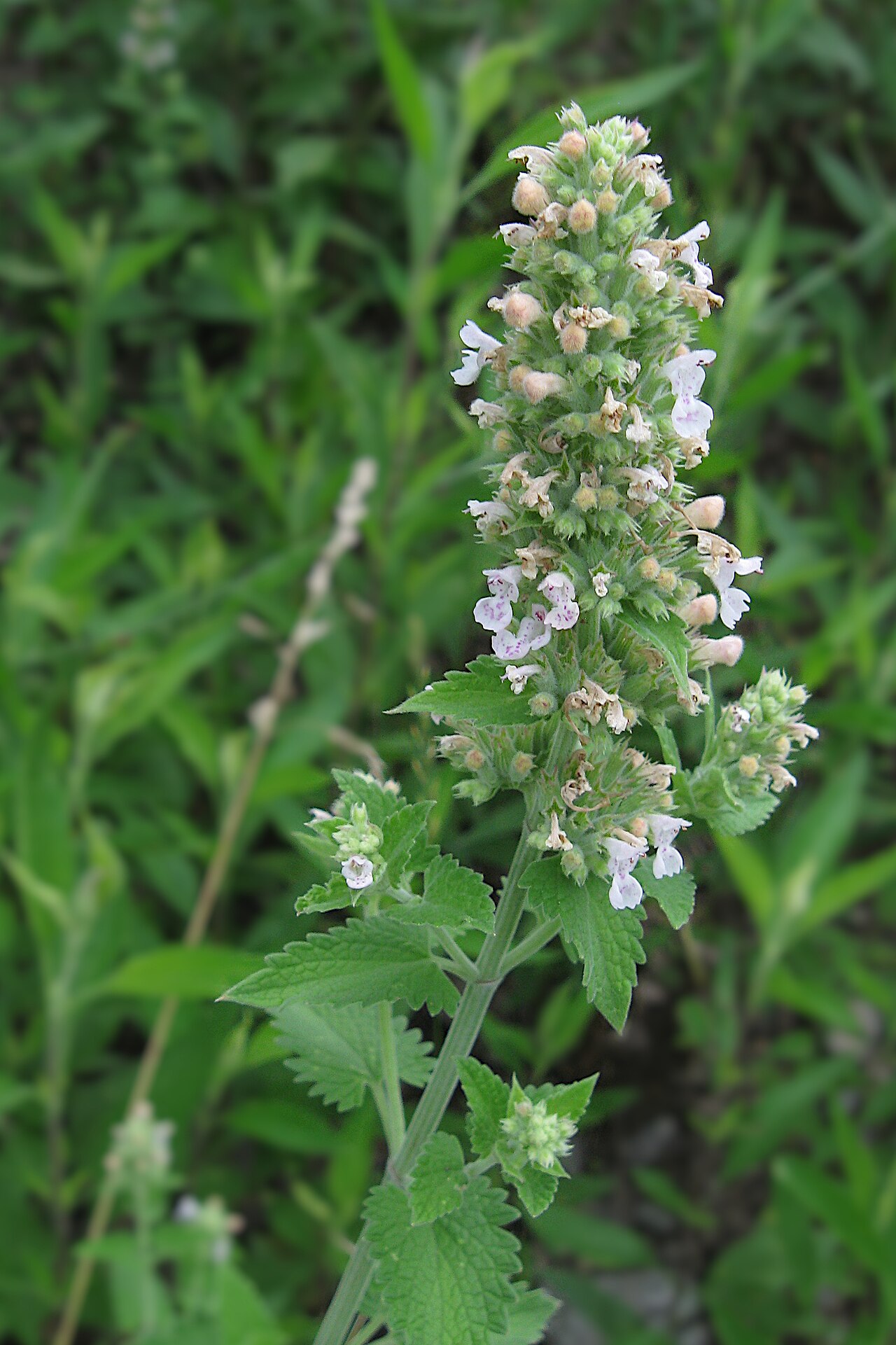
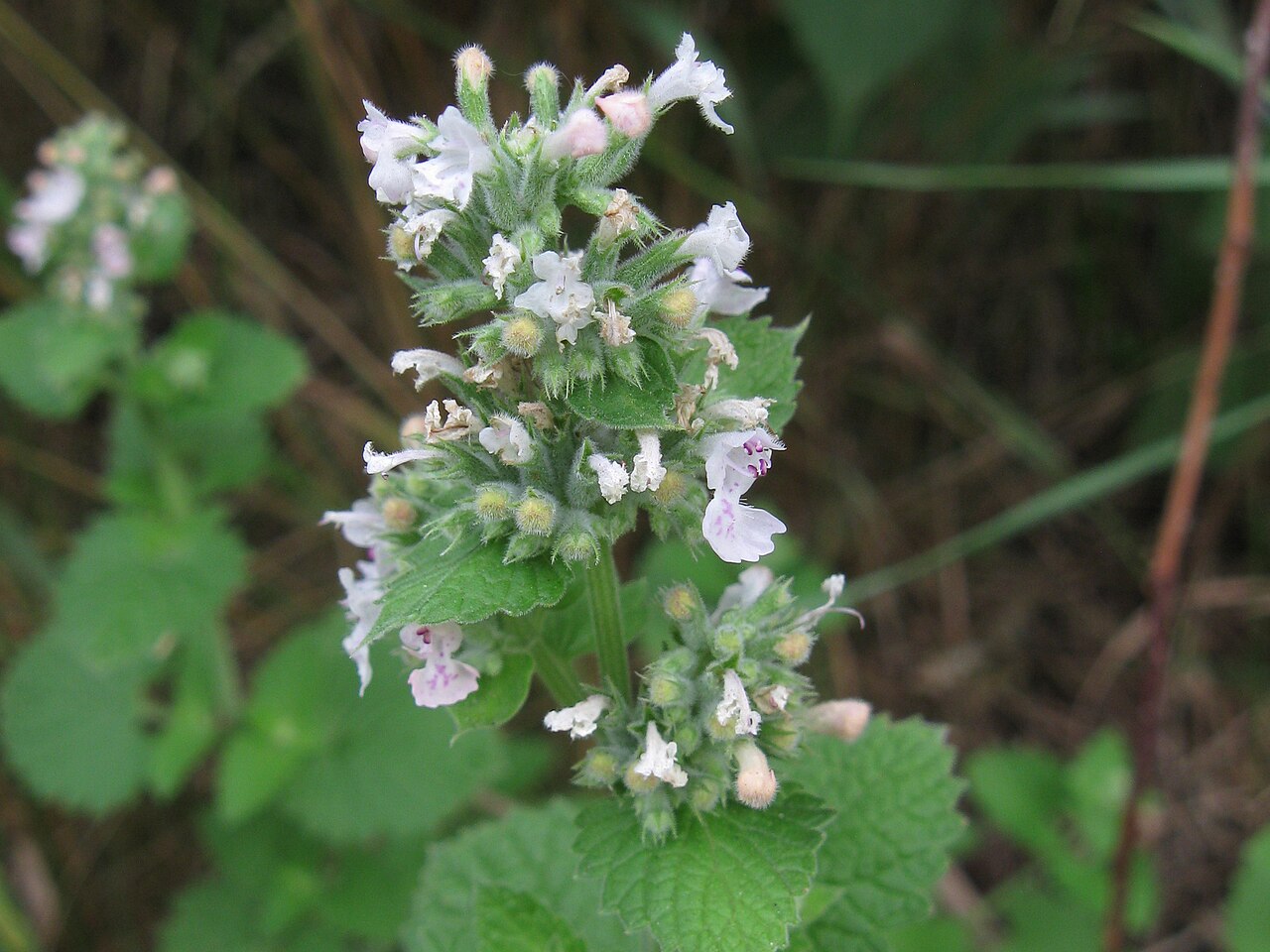
How to grow
Catnip is a mint-family perennial best known for sending cats into fits of rolling, rubbing, and general undignified joy — but it is also a legitimate culinary and tea herb with a mild, minty flavor, long used for herbal tea. Grow it the way you grow mint: with containment in mind. Catnip spreads by seed and runners, though less aggressively than true mint, and the real garden hazard is not the plant but the cats: neighborhood cats will roll in an unprotected catnip patch and flatten it. Grow catnip in a pot, or in a bed protected by a wire cage until plants are large enough to survive feline attention. Start from seed, transplants, or division; seed germinates readily but benefits from a brief chill or nicking. Catnip is tough and drought-tolerant once established, tolerates poor soil, and thrives on neglect — which makes it an excellent beginner herb, provided you accept that it will try to naturalize. Cut plants back after flowering to prevent self-seeding and encourage bushy regrowth. Do not confuse catnip with catmint (Nepeta × faassenii and related ornamentals), which are showier garden plants with a much weaker effect on cats.
Water & feeding
Water to establish, then water sparingly — catnip is drought-tolerant and prefers soil on the dry side. About half an inch to an inch a week is plenty. It is a light feeder: worm castings at planting is enough, and rich soil makes floppy plants with weaker scent.
Common problems
- Cats flattening plants — grow in pots or under wire protection until established.
- Self-seeding — deadhead after flowering to prevent volunteers throughout the garden.
- Powdery mildew in humid, crowded conditions — space for airflow and cut back affected growth.
- Flea beetles on young leaves — usually cosmetic on a vigorous plant; row cover helps seedlings.
Harvest
Harvest leaves and flowering tops as needed, cutting stems in the morning after dew dries. For cats, fresh leaves work immediately; for tea, dry leaves in a dark, airy spot and steep a teaspoon per cup. For cat toys, dry leaves thoroughly and store airtight — potency fades with age and light, so refresh supplies annually. Note that about a third of cats do not respond to catnip at all, through no fault of yours or the plant's.
Browse all plant & pest guides
Saving seeds
Catnip is one of the easiest herbs to save seed from, which is both the good news and the warning label: a plant you let go to seed will happily plant itself all over your garden next spring. If you want seed, pick one or two of your strongest plants and leave them alone while you keep harvesting the rest. Let their flower spikes run their full course until the spikes turn brown and dry and papery on the plant, usually in late summer. Green seed heads are not ready yet, and seed picked too early simply will not sprout, so patience here is not a virtue, it is the whole method.
When the spikes are fully dry, cut the stalks and drop them head-first into a paper bag, then hang the bag somewhere dry and airy or lay the heads on a screen for a few more days. Catnip seed is small and light, and a good shake and rub of the dried heads over a fine sieve will drop the seed through while the chaff stays behind. Winnow off the last dusty bits by pouring the seed slowly from one bowl to another in front of a gentle fan, or just outside on a still day, and do not skip the drying step. Seed that goes into storage even slightly damp is seed that will mould, and in Florida humidity that means drying indoors in air conditioning, not on a porch, until the seed feels hard and snaps rather than bends.
Store the clean, dry seed in a labelled envelope or small airtight jar with a desiccant packet, in a cool, dark place. Expect good germination for a couple of years, with some references reporting several years from well-stored seed, so sources disagree a little here and the honest move is to sow generously from older packets and test a pinch on a damp paper towel before you commit a whole bed to them. Saved seed from ordinary open-pollinated catnip generally grows true to type, which is to say your next plants will smell like catnip and drive the same cats to the same undignified rolling. But catnip is bee-pollinated and crosses freely with other members of the mint family genus Nepeta, including catmints and ornamental Nepeta varieties, if bees can travel between them. If you grow several Nepeta kinds and want pure catnip seed, save from plants grown on their own, or accept that your seedlings may be handsome mint-family mutts with a weaker cat effect.
One more honest note: if you do not want volunteers, deadhead the spent spikes before they dry. A single plant allowed to go fully to seed can scatter enough seed for dozens of seedlings, and catnip volunteers have a way of appearing in paths, pots, and beds you never invited them to. Seed saving here is less about coaxing a reluctant plant into reproducing and more about deciding, deliberately, how much of next year’s garden you want the cats to run.
Varieties
Every named variety of Catnip with its own growing guide:
- Citriodora Catnip — Catnip that smells like lemons: the same soft gray-green herb, with a citrus scent cats mostly ignore and cooks actually reach for.