
💙 Ceanothus
What it looks like
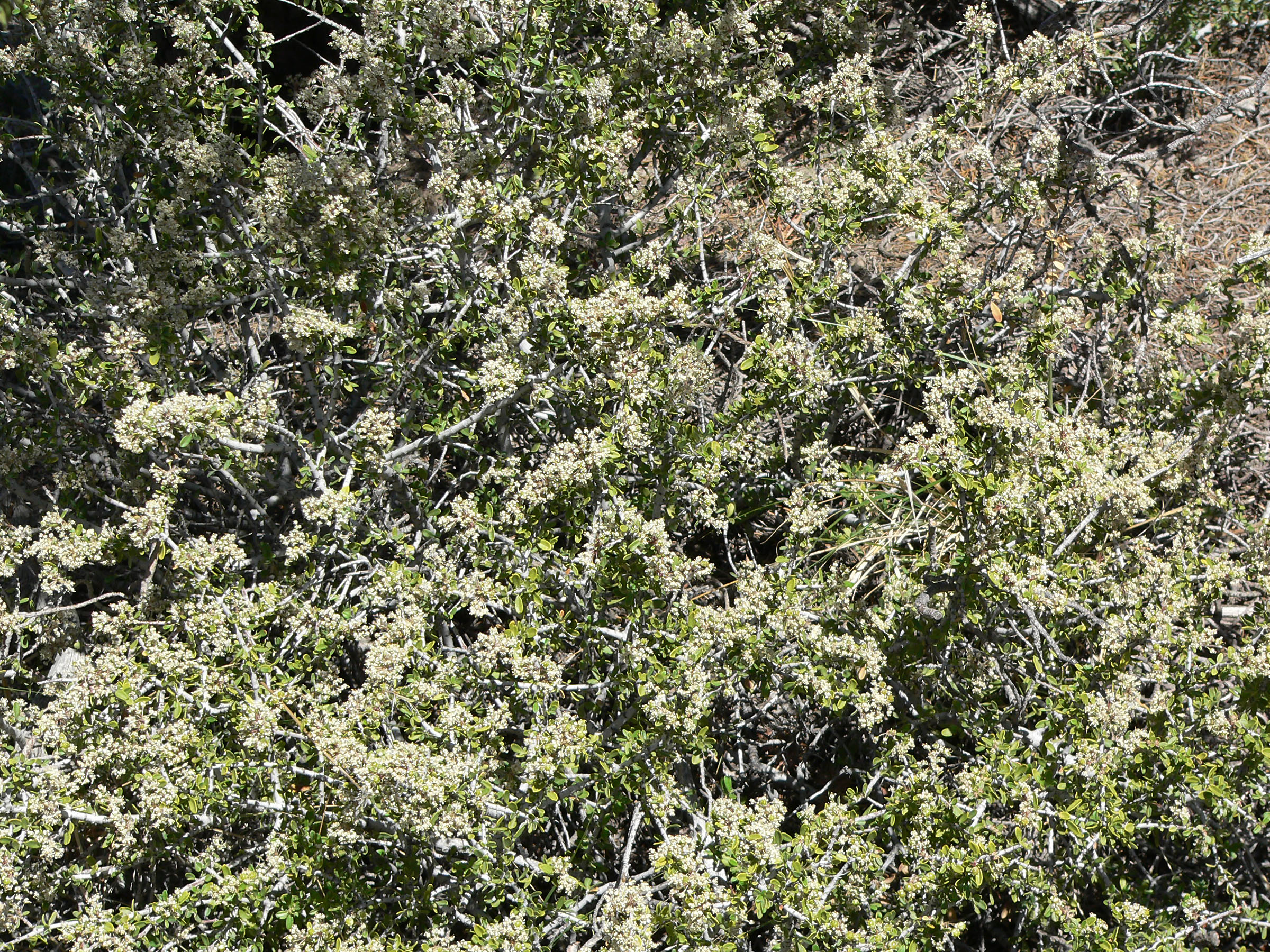
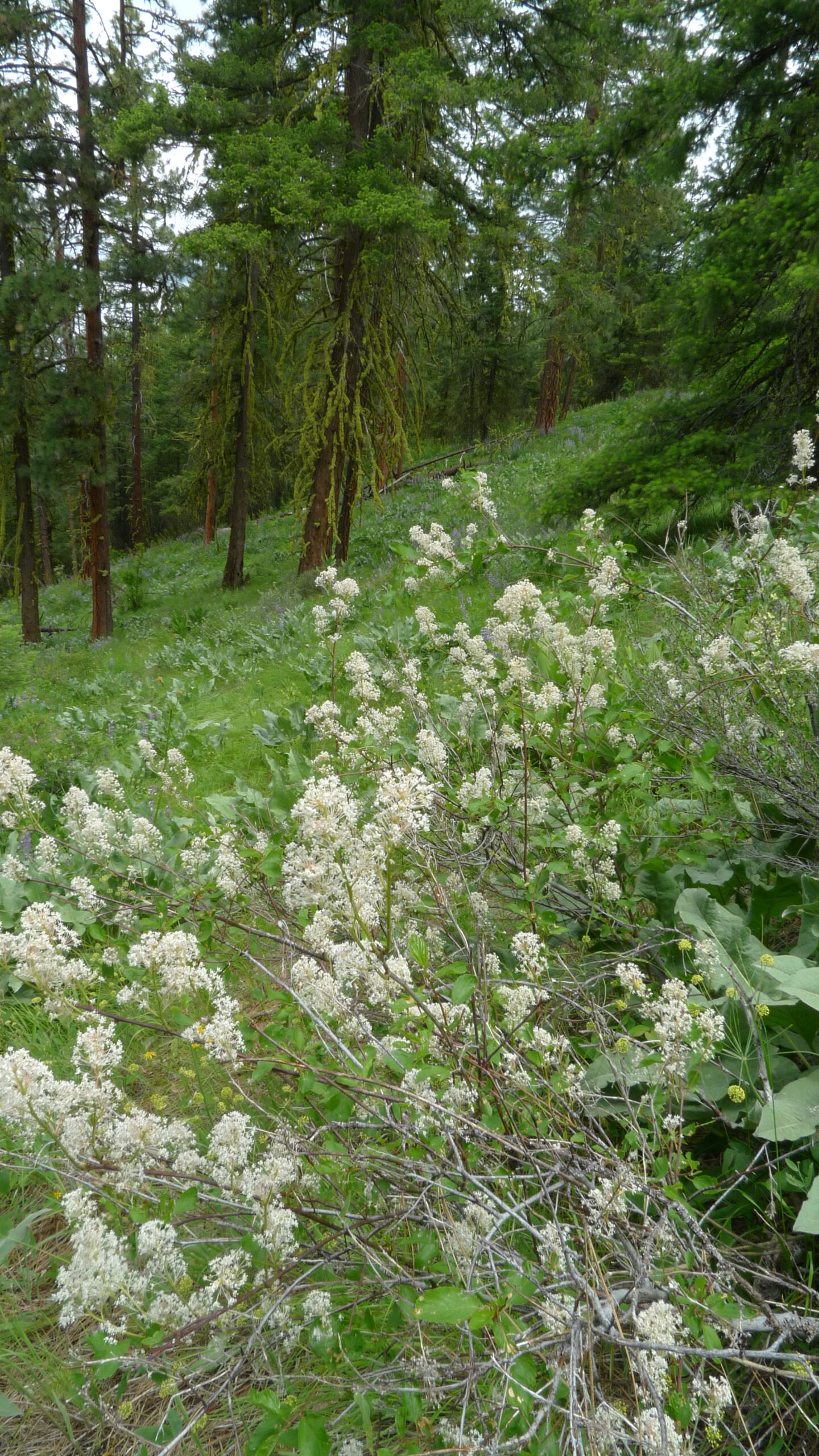
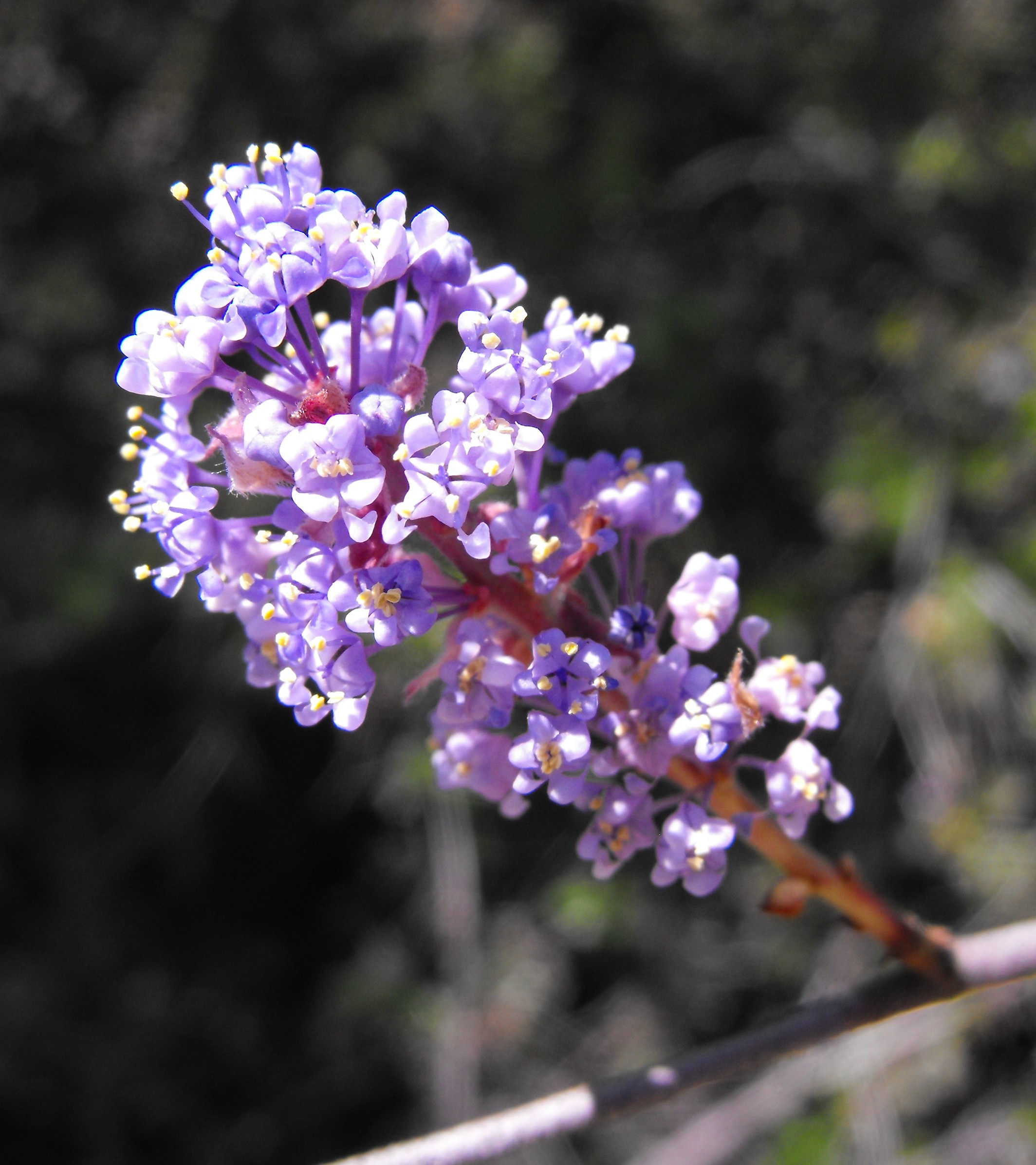
Ceanothus is a genus of about 50 to 60 species of shrubs and small trees in the buckthorn family, Rhamnaceae, native to North America, with most species concentrated in California and the West and a smaller eastern contingent. Gardeners call many of them California lilac, wild lilac, mountain lilac, buckbrush, or soap bush, and the first thing to get straight is that none of them is a lilac: true lilacs belong to the genus Syringa, in the olive family, and Ceanothus is not related to them at all. The name is a compliment to the flower show, not a family tree. When a Ceanothus is in bloom, the compliment makes sense: the shrub disappears under dense clusters of tiny flowers, blue, purple, white, or pink depending on the species, and the whole plant hums with bees, butterflies, and other pollinators for weeks.
The range of forms inside the genus is enormous, which is exactly why this is a genus guide and not a single-plant guide. At one end sit prostrate groundcovers barely 2 feet tall that hug a bank; at the other sit upright shrubs and small trees 15 to 25 feet tall, like feltleaf ceanothus, and blueblossom, which can reach 20 feet or more in its native chaparral. Leaves are usually small, oval, glossy or dull green, and three-veined from the base, a family trait you can learn to spot at a glance. Many species are evergreen, holding their foliage through winter; the eastern species are deciduous, dropping their leaves and standing as twiggy, red-rooted shrubs until spring. Flowers are always small and always in clusters, but the clusters vary from tight round puffs to long, fluffy panicles, and flower color is the quickest field mark: the western species run blue to purple, the eastern species run white.
One important disambiguation, in plain text: New Jersey tea, Ceanothus americanus, already has its own species guide. That guide covers that one eastern shrub in depth, including its deep red roots and its Revolutionary-era tea-substitute story. This genus guide does not replace it. If the plant you want is specifically New Jersey tea, that species guide is the one to follow; if you want to understand the whole genus, compare species, and pick the right Ceanothus for your climate, you are in the right place here.
How to grow
Plant Ceanothus in full sun for the heaviest bloom; most species tolerate a little afternoon shade, especially inland where the sun is brutal, but shade costs flowers. The non-negotiable rule, repeated by every source on this genus, is drainage. Ceanothus wants well-drained, lean soil and it dies in wet, soggy, or heavily amended ground. Do not plant it in a low spot, do not enrich the hole with rich compost, and do not mulch it into dampness. On clay, plant on a slope, a berm, or a raised bed, or pick one of the species that tolerates heavier soil, and even then give it drainage first. This is a plant that evolved on dry slopes, chaparral, and open woodland, and it resents being treated like a rose.
Hardiness is where the genus guide has to be honest instead of tidy: there is no single zone for Ceanothus. Most of the popular western evergreen species and cultivars are hardy in zones 7 to 10, which is why they are beloved in California and the Pacific Northwest and disappointing in a cold winter elsewhere. The cold-hardy end of the genus reaches zone 4: New Jersey tea is hardy to zone 4, and desert ceanothus and its relatives handle cold and high country. Garden guides that summarize the whole genus commonly give zones 4 to 10 depending on the variety, and that spread is the point. Buy by species and cultivar, check the zone for that exact plant, and do not assume a blue-flowered Ceanothus from a California nursery will survive a zone 5 winter. Florida gardeners, note the other end of the range: most Ceanothus species are not Florida plants. They want dry summers and sharp drainage, and Florida humidity and summer rain are a poor match for most of them, whatever a catalog photo promises.
Plant in fall or early winter in mild climates, so winter rain establishes the roots, and in spring in cold climates, after the worst frost has passed. Space according to the mature size of the species you bought, not the size of the pot it came in: groundcovers 2 to 4 feet apart, medium shrubs 4 to 6 feet apart, hedge species around 6 feet apart, and large shrubs or small trees 10 to 15 feet apart. Water deeply at planting, then back off. Ceanothus is famous for thriving on neglect, and the most common way gardeners kill it is kindness: too much water, too much fertilizer, too much rich soil, and too much pruning, all of which shorten its life.
Water & feeding
Water to establish, then water sparingly. Through the first growing season, water when the top few inches of soil are dry, deeply enough to push roots down. Once established, most Ceanothus species are strongly drought-tolerant, and supplemental summer watering can actually shorten the plant’s life, especially in heavy soil. The eastern deciduous species tolerate more summer moisture than the western evergreens, but even they dislike wet feet. If your Ceanothus is in well-drained soil and looks a little stressed in a heat wave, a deep, infrequent drink is better than a daily sprinkle, and no water at all is often better than either.
Do not fertilize. Ceanothus fixes its own nitrogen, partnering with Frankia bacteria in root nodules in a symbiosis called actinorhizal nitrogen fixation, the same trick its relative New Jersey tea performs. Fertilizer pushes soft, floppy growth, invites disease, and can kill a plant that was perfectly happy in lean soil. If you must do something, a light mulch of gravel or coarse bark kept off the crown helps keep the root zone cool and dry, which is what this genus actually wants. Pruning is light and late: prune after flowering, since flowers form on the previous season’s wood in many species, and never cut a mature Ceanothus hard back into old, leafless wood, because many species will not resprout from it. Remove dead wood, shape lightly, and leave the rest alone.
Common problems
- Root rot in wet soil. The most common cause of death, and the most preventable. Soggy ground, heavy clay without drainage, and overwatering all rot the roots. Drainage is the cure; there is no spray that substitutes for it.
- Wrong zone. A zone 7 evergreen planted in zone 5 will die in the first hard winter, and no amount of mulch reliably saves it. Match the species to your zone before you buy.
- Short life when pampered. Rich soil, frequent water, and fertilizer produce fast, weak growth and a plant that declines in a few years instead of living for decades. Lean and dry is the long-life recipe.
- Hard pruning failure. Cutting into old wood that has no leaves often leaves a permanent hole, because many Ceanothus species do not resprout from bare old stems. Prune lightly, after bloom, and never shear it like a hedge unless the species tolerates it.
- Deer and rabbits. Young plants get browsed, and deer will eat twigs and foliage in some regions. Protect young plants until established; mature plants usually outgrow the damage.
- Honey fungus and other root rots in damp gardens. In wet British-style gardens, Ceanothus is vulnerable to root-rotting fungi. Again, the answer is drainage and dry summer soil, not chemicals.
Harvest
There is no fruit or vegetable harvest from Ceanothus, and the harvest here is the flower show, the pollinator traffic, and the soil improvement the plant performs quietly through its nitrogen-fixing roots. For butterfly gardeners, the value is double: several species are caterpillar host plants, and the flowers feed adult butterflies, bees, and beneficial insects in spring when little else is blooming so profusely. The genus is a host for hairstreaks, duskywings, and swallowtails, among others, which is why it appears in butterfly garden lists from California to the East Coast. Plant it in a sunny, dry, well-drained spot, leave its leaf litter where it falls if you can, and let it do the work it evolved to do.
Propagation is possible but not instant. Seed needs scarification, a hot-water soak or similar treatment to break the hard seed coat, followed by cold-moist stratification, and germination is slow and irregular. Softwood cuttings from new growth in summer root with moderate success and are the usual way named cultivars are reproduced, since seedlings of a cultivar will not come true. For most gardeners, the honest advice is to buy a nursery plant of the exact species or cultivar suited to your zone, plant it once in its final spot, and then practice the hardest Ceanothus skill of all: leaving it alone.
Saving seeds
This is a genus-level method, because this guide covers the whole Ceanothus genus rather than one species, and the good news is that the genus is remarkably consistent about one thing: its seed does not want to germinate until it has been through something dramatic. In the wild, ceanothus seed can sit in the soil for decades, waiting for fire or clearing to crack its hard coat and wake the embryo inside, and gardeners have to imitate that drama on a smaller, less smoky scale. Start by collecting from vigorous, healthy plants, and do it with bags, not buckets: tie small cloth bags over the clusters of green seed capsules, because ripe capsules split open and fling their seed with real force, and a cluster cut too early will give you mostly empty promises. When the capsules have split inside the bag, shake out the small, hard, dark seeds and clean away the capsule bits.
Breaking dormancy takes two steps, and skipping either one is the usual reason ceanothus seed sits there doing nothing. First comes scarification, softening that armour-plated coat: pour hot, not boiling, water over the seed and let it soak for a day or so, until the water cools, which mimics the heat shock of a fire without actually cooking the embryo. Then comes cold stratification, a spell of cold, moist conditions, roughly fridge temperature, for up to about three months, which mimics winter. After that, sow in warm, moist conditions and be patient in a way that would embarrass a sloth: germination can be slow and erratic, stretching over weeks to a few months, and some seed will simply decline to participate. Store any seed you are not sowing right away fully dry, in an airtight container in a cool, dark place, and know that ceanothus seed is famously long-lived in storage as well as in soil, so a well-kept packet is not a perishable emergency.
Now the two honesty clauses that decide whether seed is even the right route. First, named cultivars will not come true from seed. The garden favourites listed in this guide, plants like ‘Concha’ and ‘Yankee Point’, are selections and hybrids, and their seedlings will be variable mixtures that may share the blue flowers but not the size, habit, or hardiness you bought the cultivar for. If you want another ‘Concha’, take semi-ripe cuttings in summer to autumn from evergreen types, or softwood cuttings in late spring from deciduous types, keep them warm and humid, and root a clone; that is the reliable way to copy a cultivar, and it will give you a flowering plant in a couple of years, usually faster than seed anyway. Second, the Florida caveat: most ceanothus are plants of dry western hillsides and chaparral, built for sharp drainage, lean soil, and dry summers, which is roughly the opposite of a humid Florida summer, so check the species and its hardiness before you invest a season in seed that was never going to love your climate. Seed-grown ceanothus is a project for the patient and the curious, and it rewards them with genuinely individual shrubs, each one a small genetic lottery ticket, but it is a lottery, and cuttings are the way to buy the same ticket twice.
Species in this group
One disambiguation first, repeated because it matters: New Jersey tea (Ceanothus americanus) has its own species guide and is not repeated in full here. The species below are the rest of the genus worth knowing, in plain text.
- New Jersey tea — Ceanothus americanus: The eastern deciduous species, 3 to 4 feet tall, white flowers, zones 4 to 8, deep red roots, nitrogen-fixing, and the Revolutionary-era tea substitute. Covered in full by its own species guide.
- Blueblossom — Ceanothus thyrsiflorus: The classic California lilac, an evergreen shrub to small tree from coastal Oregon and California, glossy leaves, and clusters of blue to near-white flowers in spring that can cover the whole plant. Size varies wildly, from prostrate coastal forms to trees over 20 feet tall.
- Feltleaf ceanothus — Ceanothus arboreus: The giant of the genus, an evergreen shrub or small tree 15 to 25 feet tall from the Channel Islands and coastal California, with large leaves and pale blue flowers. Needs a mild climate and room to be a tree.
- Desert ceanothus — Ceanothus greggii: A tough, dry-country shrub of the Southwest, white to pale blue flowers, and one of the more cold- and drought-tolerant species. A good choice where water is scarce and winters are cold.
- Redstem ceanothus — Ceanothus sanguineus: A deciduous western species with red stems, white flower clusters, and a wide northern range. More cold-tolerant than the tender evergreen species.
- Woollyleaf ceanothus — Ceanothus tomentosus: A California shrub with woolly-hairy leaves and blue to white flowers, adapted to dry chaparral and open woodland.
- Santa Barbara ceanothus — Ceanothus impressus: A dense, dark-green evergreen shrub with deep blue flowers, popular in gardens and available in groundcover and upright forms.
- Garden hybrids and cultivars: ‘Concha’ (deep cobalt blue, 5 to 7 feet tall, zone 7), ‘Gloire de Versailles’ (the famous powder-blue hybrid), and ‘Yankee Point’ (a spreading groundcover form) are among the most planted Ceanothus in gardens. They are hybrids or selections of western species, not New Jersey tea, and their zones, sizes, and flower colors must be checked individually, because a cultivar name is not a guarantee of hardiness.