
🌿 Celebration Bermuda Grass
What it looks like
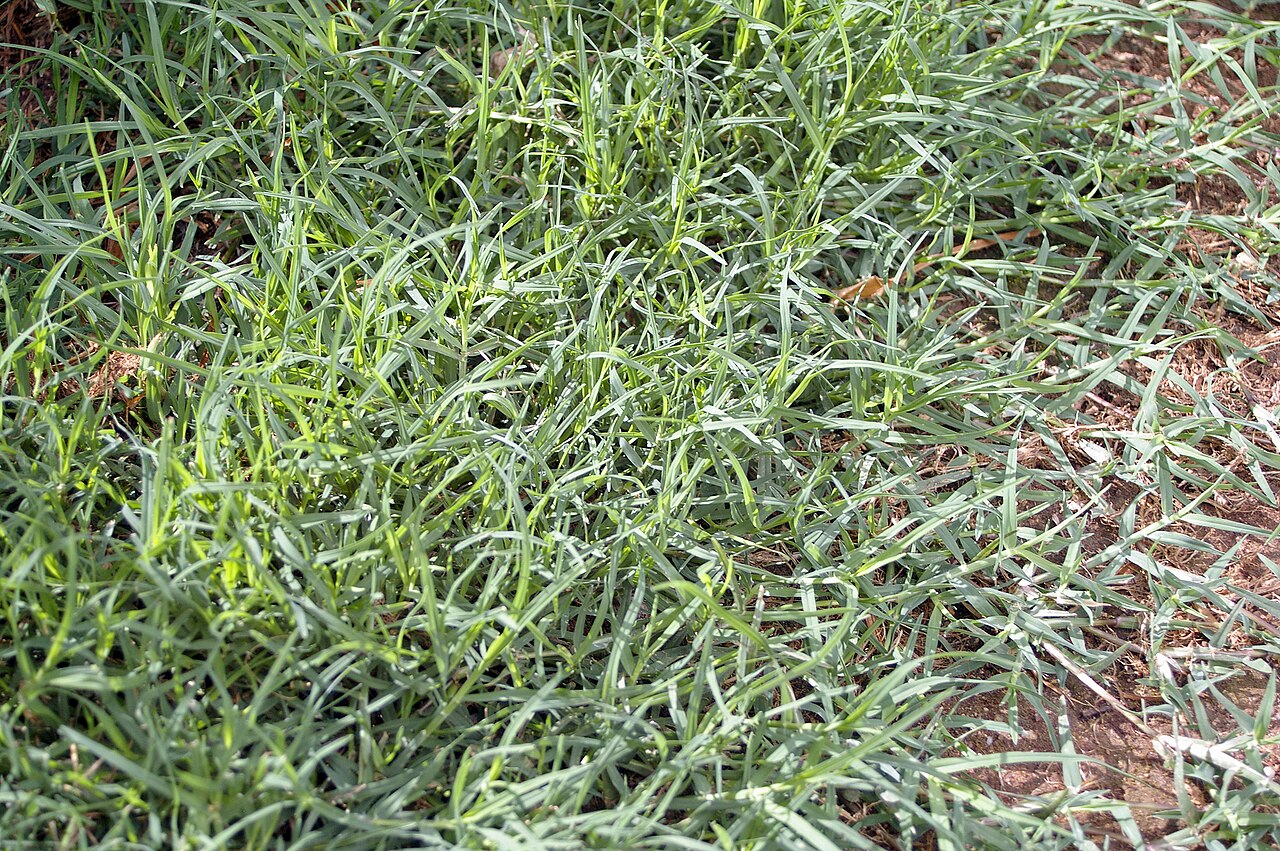
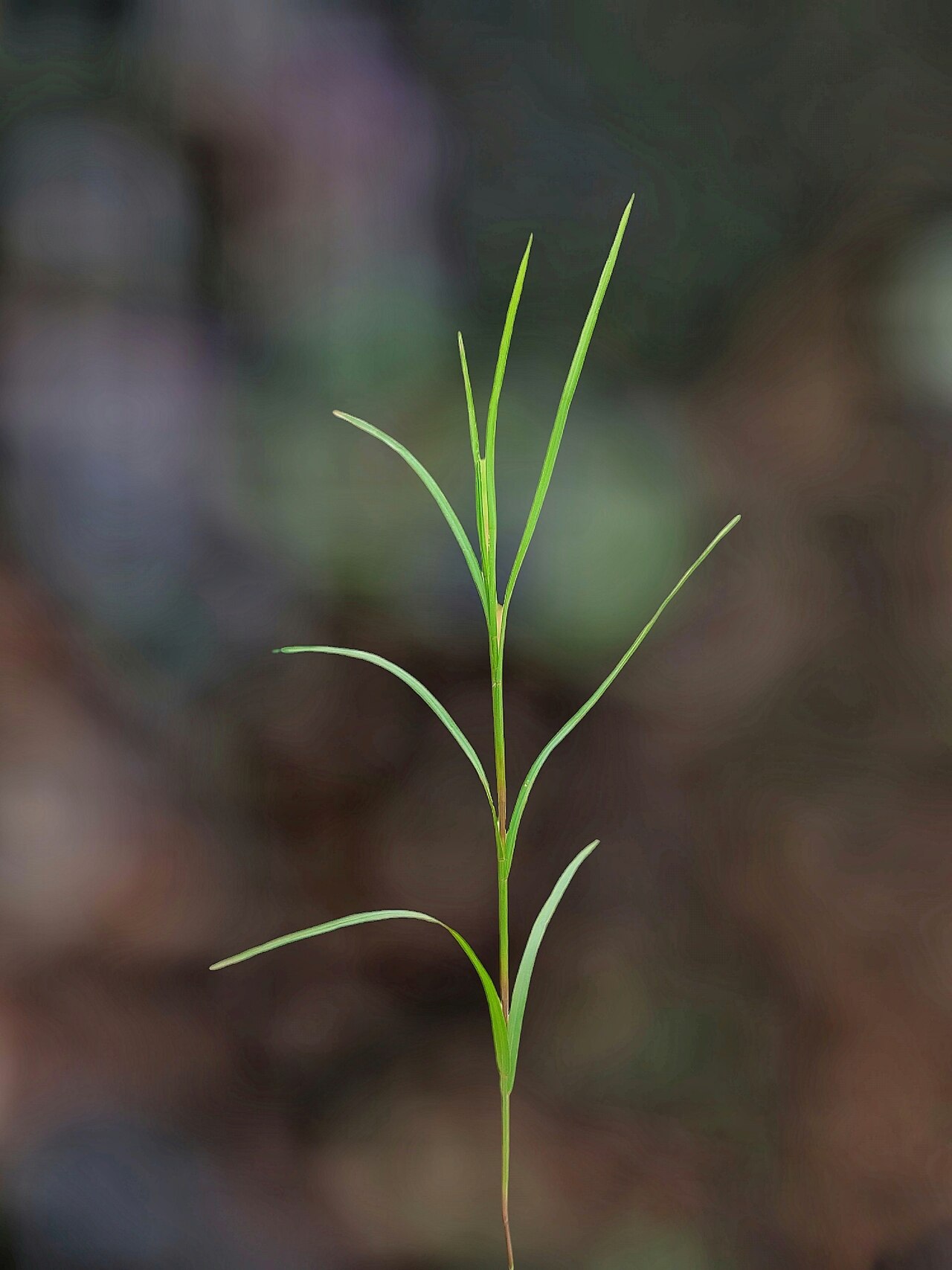
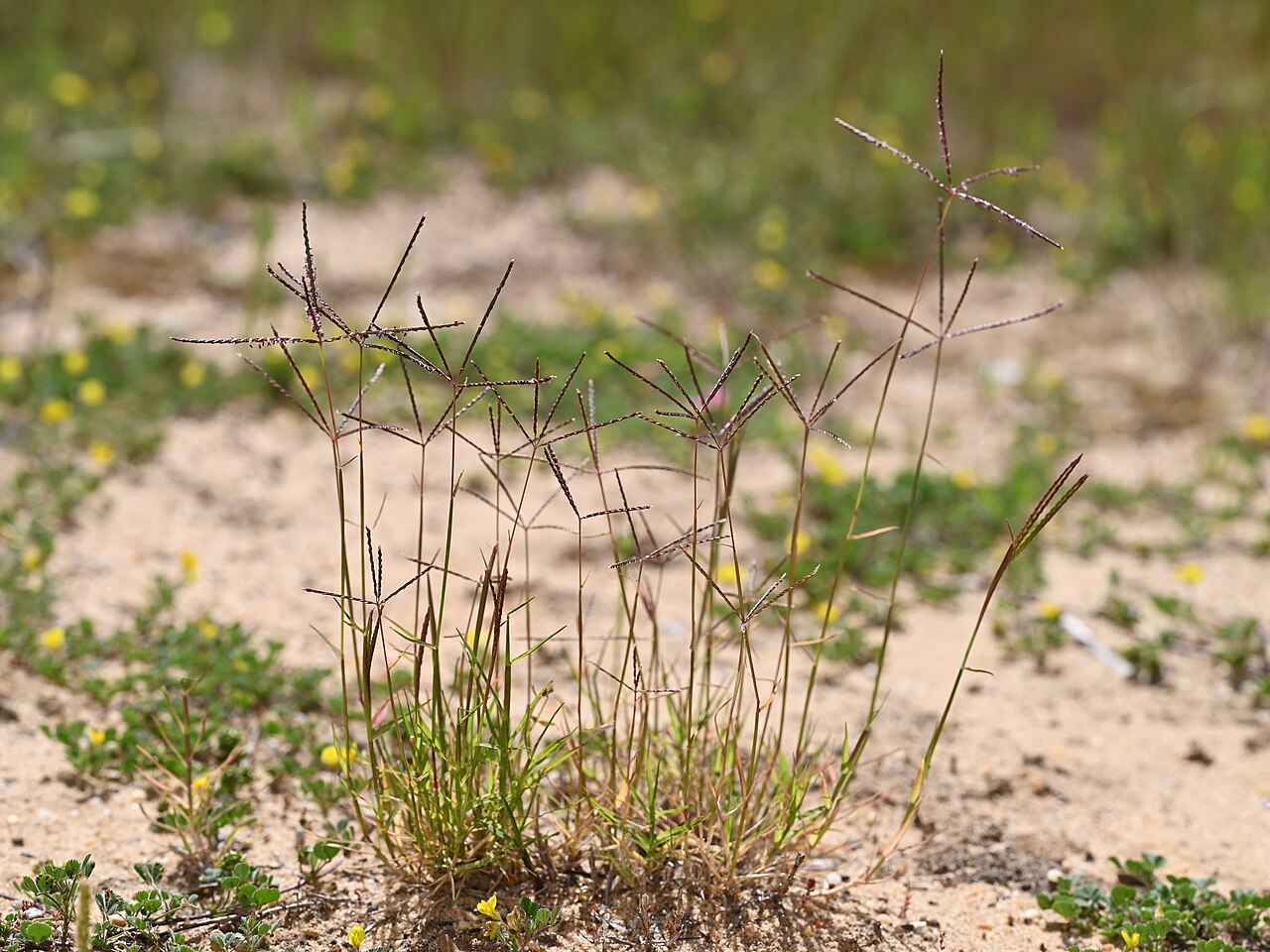
‘Celebration’ is the bermuda that looks like it was photographed for a brochure: a dense, fine-textured hybrid with a deep blue-green color that holds through heat and wear, forming a tight turf that crowds out weeds when it is mowed and fed properly. It is a sterile hybrid, so it comes as sod or sprigs, never as seed — which is also why it stays where you put it instead of seeding into beds. In university comparison charts it scores very good to excellent across the board: color, wear recovery, heat, drought, and salt tolerance.
Why this variety
Plant ‘Celebration’ when you want a lawn that performs like a sports field and looks like a showcase. It combines the wear tolerance that made ‘Tifway 419’ famous with strong drought and disease performance, and its deep blue-green color is its signature — darker and richer than most bermudas. It is a favorite for home lawns, sports fields, and golf course fairways and roughs across the warm South, and in Florida it is in its element: heat, humidity, and sandy soil are its home conditions, not its challenges.
How to grow
Plant sod or sprigs in full sun after the soil has warmed in spring, on well-drained soil with the pH in the 5.5 to 7.5 range. ‘Celebration’ wants sun — 8 or more hours — and it will thin in shade, so do not plant it under trees and expect a lawn. Mow at roughly 0.5 to 1.5 inches with a reel or sharp rotary mower, mowing often enough to remove no more than a third of the blade at a time, and feed through the growing season on a schedule your local extension recommends. In Florida, that means active growth from spring through fall and a winter slowdown, not true dormancy, in the southern half of the state.
Water & feeding
Water deeply to establish sod or sprigs, then water as needed to keep the turf green — ‘Celebration’ has good drought tolerance but looks its best with regular irrigation in dry spells, roughly an inch a week in the growing season, adjusted for rain. Water early in the day so foliage dries before night, which keeps disease pressure down, and avoid daily light sprinkles that grow shallow roots.
Common problems
- Shade thinning — ‘Celebration’ needs full sun; in shade it thins and weeds move in. For shady spots, consider a shade-tolerant bermuda like ‘TifGrand’ or a different grass altogether.
- Thatch buildup — vigorous hybrids thatch; verticut or aerate when the thatch layer gets thick.
- Armyworms and sod webworms — warm-season turf pests; scout for chewed blades and treat early infestations rather than spraying on a calendar.
- Winter browning in the north of its range — it goes dormant and brown after frost in zone 7; in most of Florida it stays green much longer.
Harvest
No harvest — the yield is the lawn itself: a dense, dark, wear-tough carpet that handles kids, dogs, and backyard games and still looks like a showcase on Sunday. Mow it, feed it, keep it in the sun, and ‘Celebration’ does the celebrating for you.
See also: Bermuda Grass: Growing Guide