
🏔️ Cercocarpus
What it looks like
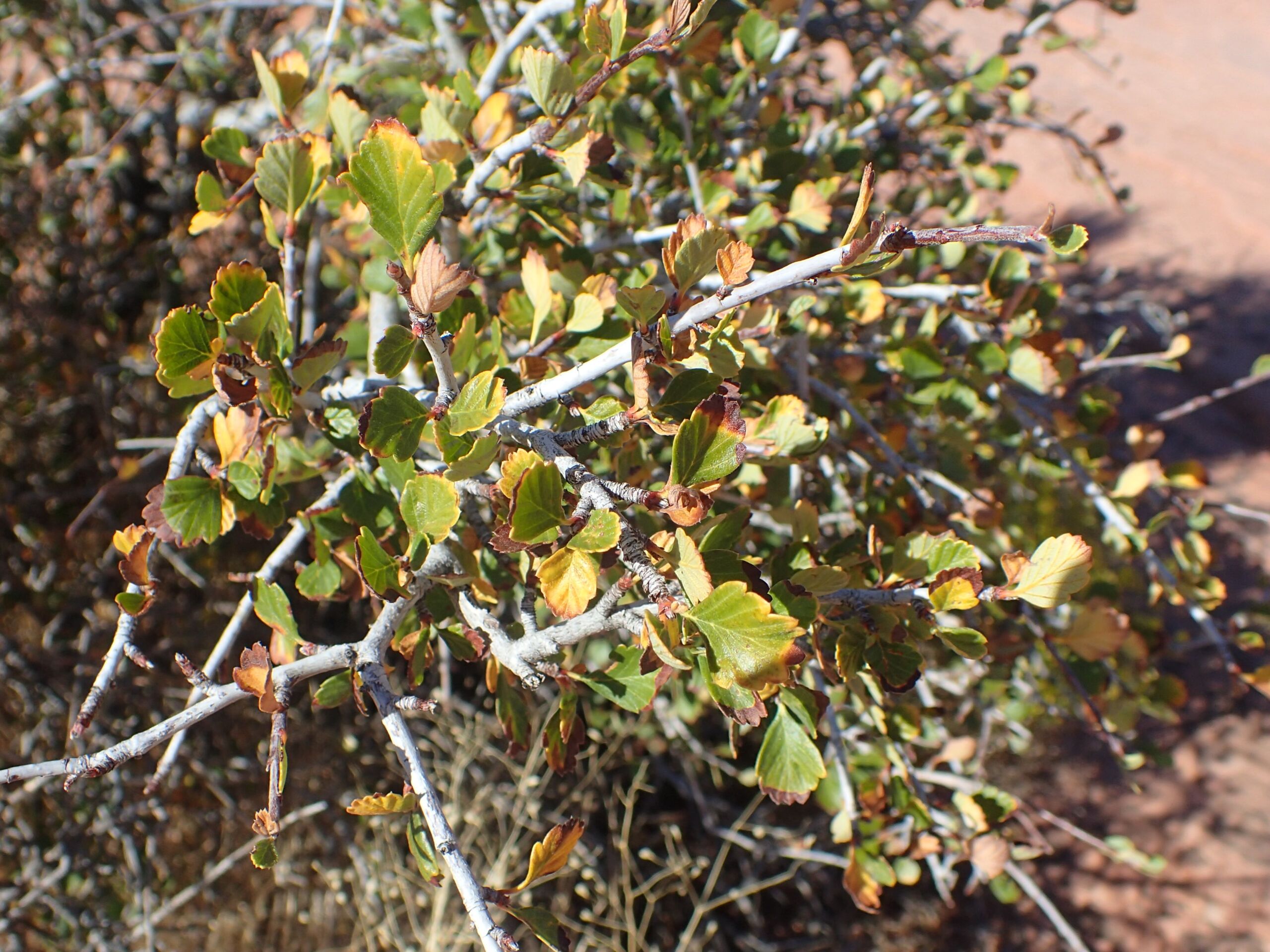
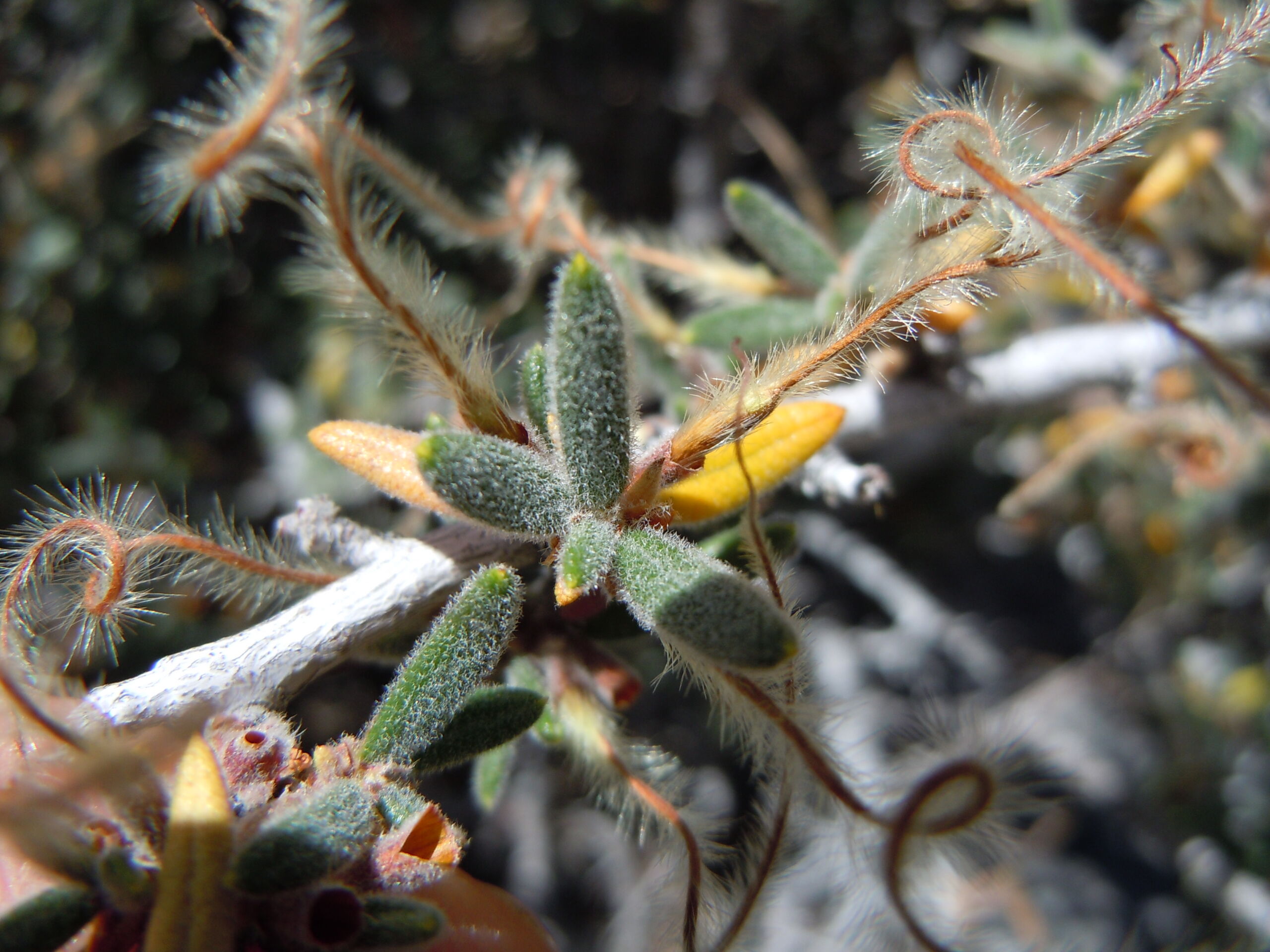
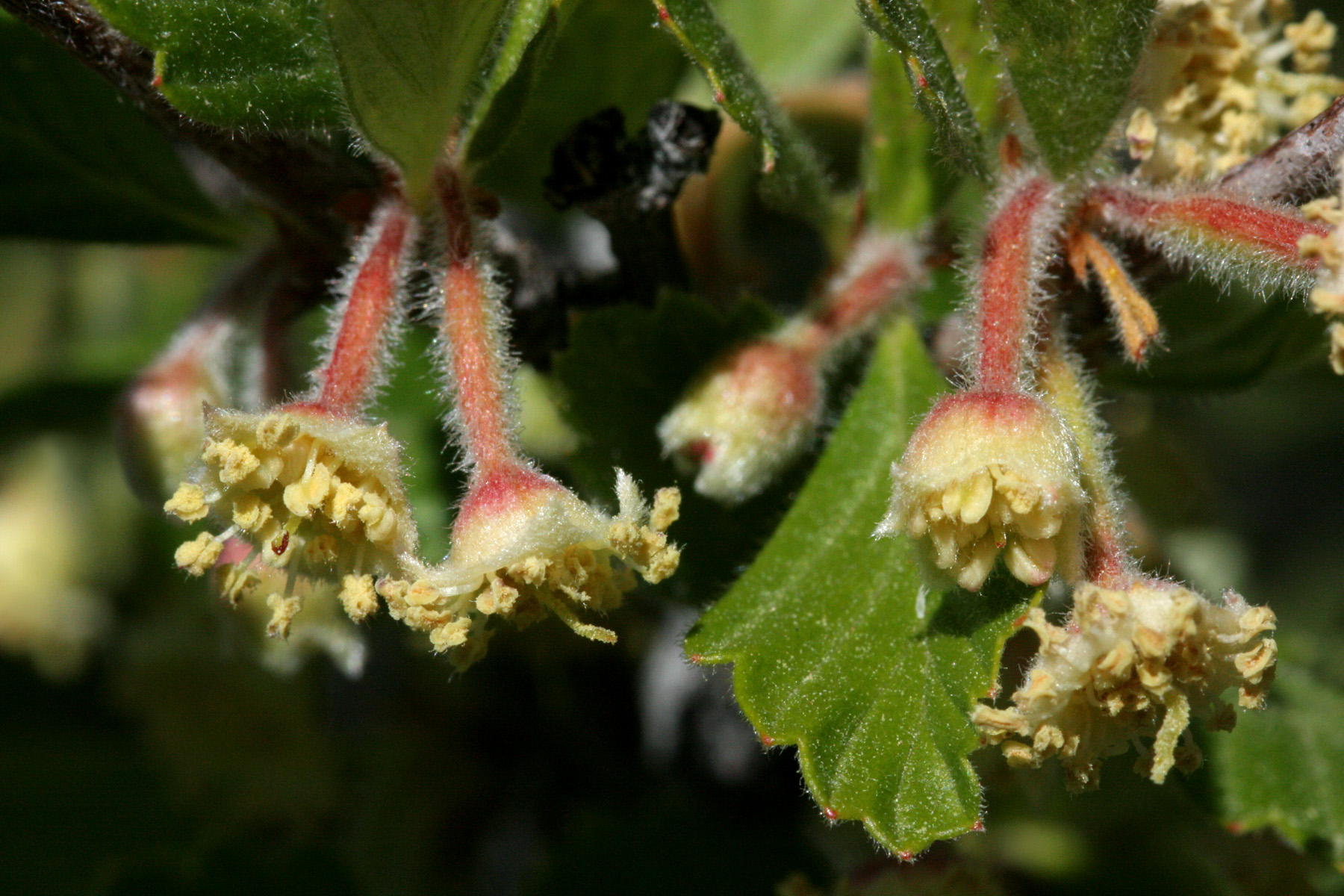
Cercocarpus is the genus of the mountain mahoganies, and the name is a field guide in itself: from Greek kerkos (tail) and karpos (fruit), for the long, feathery, plume-like tail carried by each seed. It is a small genus in the rose family, Rosaceae — about ten species, all native to western North America, from the foothills and mountains of the western United States south into Mexico — and it is a genus built for hard places. Mountain mahoganies are evergreen or semi-evergreen shrubs and small trees, with small, leathery, often toothed leaves, shredding bark, and a habit that says dry slope, rocky soil, and full sun, and I am not apologizing for any of it.
The leaves are the first field mark. They are small, thick, and leathery, often with rolled or curled edges — curl-leaf mountain mahogany (Cercocarpus ledifolius) wears its strategy in its common name, curling its narrow leaves to cut water loss in dry mountain air — and many species hold their leaves through winter, staying green on slopes where most shrubs have given up and gone bare. The flowers are the opposite of showy: small, cream to yellowish, without petals, clustered modestly in spring, and easy to walk past without noticing, which is a shame, because they are followed by the genus’s signature feature. Each tiny fruit carries a long, feathery style that persists as a plume, and in fruiting season a mountain mahogany looks dusted with pale feathers, each one a seed with a parachute and a drill, designed to catch wind and then screw itself into the soil when it lands.
The roots are the hidden superpower, and the reason this genus punches above its weight in poor soil. Cercocarpus species are actinorhizal nitrogen fixers: their roots host Frankia bacteria in nodules, and those bacteria pull nitrogen from the air and hand it to the plant, letting mountain mahogany thrive in rocky, nutrient-poor ground where other shrubs starve, and slowly enriching the soil around it for everything that follows. It is the same trick legumes pull with rhizobia, arrived at by a completely different branch of the plant family tree, and it is why mountain mahogany is a pioneer on burns, slides, and raw slopes — the first green thing back, feeding the soil as it goes. Deer and other wildlife browse it heavily, which tells you something about its palatability, and old, gnarled specimens on dry ridges can be impressively long-lived, with twisted trunks that look carved.
That toughness is the butterfly context for this genus guide. The Mountain Mahogany Hairstreak butterfly guide lists, in its Host plants section, mountain mahogany (Cercocarpus montanus) and related Cercocarpus species, and the butterfly’s common name tells you how tight the relationship is: this is a hairstreak named for its host genus. The mention forms matter, and this guide states them plainly. The bare genus form Cercocarpus, and the phrase related Cercocarpus species, are what this genus guide covers. The named species mountain mahogany (Cercocarpus montanus) is a separate species unit, not covered in particular by this genus guide, and a coordinator wiring links should send the species form to the species guide and the genus form here, not blur the two together.
One plain-text disambiguation, because the common name causes real confusion. Mountain mahogany is not a mahogany at all — true mahoganies are tropical hardwoods in a different family entirely — and Cercocarpus is not related to them except by a woodworker’s compliment about the hardness and color of its wood. It is a rose-family shrub of western mountains, and this genus guide claims Cercocarpus species as a genus only. Buy and plant by Latin name, species by species, and let this guide be the map of the genus, not a substitute for any species on it.
How to grow
Growing Cercocarpus starts with the only decision that matters: are you gardening in its home range, or are you trying to talk a western mountain shrub into living somewhere it never signed up for? This is a western genus, and it wants what the West gives it: full sun, lean, well-drained, rocky or sandy soil, dry air, and cold winters that it shrugs off. In its range — the foothills, mountains, and high deserts of the western United States — it is a low-care native shrub for a dry garden, a slope, or a restoration planting. Outside that range, and especially in humid, wet-summer climates, it sulks, rots, or simply declines, and no amount of enthusiasm fixes a climate mismatch. Florida gardeners should read this guide as a butterfly-host story and a western native, not as a planting recommendation for a Florida yard.
For gardeners inside its range, the pattern is refreshingly undemanding. Plant in full sun in the leanest, best-drained spot you have — a slope, a rock garden, a gravelly berm — and do not amend the soil into richness, because rich, moist soil is exactly what this genus does not want. Space shrubs so each has room to reach its natural size, which varies by species from a low, spreading shrub to a small tree, and give young plants water through their first dry season to establish, then back off. Once established, mountain mahogany is genuinely drought-tolerant, and overwatering is a bigger threat than underwatering. Prune lightly, if at all, to remove dead wood and keep the shape open, and leave the feathery fruiting plumes alone — they are the plant’s autumn show, and the seed crop for the next generation of slope-holders.
Propagation follows the tough-plant pattern: seed, which benefits from stratification and scarification to break dormancy, and cuttings, which root with patience rather than speed. Seed-grown plants vary, which is fine for a restoration slope and less fine for a formal hedge, so buy named species from a native nursery in your region, and check which species and variety suits your elevation and rainfall before you plant. The nitrogen-fixing root nodules mean you should not fertilize heavily — the plant makes its own nitrogen, with bacterial help, and extra fertilizer mostly feeds weeds and soft growth that the deer will eat first anyway.
Florida note, stated plainly rather than by implication. Cercocarpus is not a Florida plant, and this guide does not recommend planting it in Florida, where humidity, wet summers, and the absence of a cold mountain winter work against it. Its place in a Florida gardener’s education is as the host genus of the Mountain Mahogany Hairstreak, a western butterfly, and as a lesson in how butterfly host lists are written at genus level when a butterfly uses several related species. If you garden in the West, plant the Cercocarpus species native to your slope. If you garden in Florida, admire it from here, and plant the mallow, legume, and oak hosts your own butterflies actually use.
Water & feeding
Water, for Cercocarpus, is a question of restraint. These are plants of dry slopes and rocky soils, and their roots want drainage and air, not a steady drink. Water young plants through their first season to get roots established, then taper off hard: in a suitable western garden with normal rainfall, established mountain mahogany largely waters itself, and in a dry spell it waits it out, leathery leaves curled against the air, rather than demanding irrigation. A plant that is overwatered shows it in yellowing leaves and root trouble, and a plant sited in a lawn’s irrigation zone or a rich, constantly moist bed is a plant in the wrong place, not a plant with a watering problem you can solve by adjusting the timer.
Feeding: minimal, across the genus, and this is the nitrogen-fixing story paying off. A mountain mahogany with Frankia nodules in its roots is manufacturing its own nitrogen supply from the air, so it needs no nitrogen fertilizer, and heavy feeding mostly produces soft growth that deer browse and drought then punishes. A thin mulch of gravel or rock, rather than rich organic mulch piled against the trunk, suits the plant’s drainage needs and its mountain-slope origins. The soil science here is the pioneer story: on a raw, nutrient-poor slope, a nitrogen fixer is the first step in building soil, because its leaf litter and root turnover add nitrogen and organic matter that later plants — grasses, wildflowers, other shrubs — can use, and its roots hold the slope while that slow building happens. Planting a Cercocarpus on a dry western slope is therefore not just decorating a hillside; it is installing a soil-building machine that also feeds a hairstreak, and the feathery seeds are its way of sending the machine downhill to the next bare patch.
Common problems
- Wrong climate. The most consequential problem in the genus. Cercocarpus wants dry air, lean soil, and western conditions. Humid, wet-summer gardens outside its range are a mismatch, not a challenge to overcome with watering.
- Overwatering and soggy soil. Established plants want drainage and restraint. Yellowing leaves in a moist, rich bed usually mean the site is wrong, not the plant is thirsty.
- Rich soil. Do not amend a mountain mahogany’s soil into fertility. Lean and rocky suits it, and rich soil feeds soft growth and root trouble.
- Deer browse. Mountain mahogany is good deer forage, which is a compliment and a problem. Protect young plants in deer country, or accept the pruning service.
- Wrong species, wrong elevation. A low-foothill species on a high cold ridge, or a high-country species in a hot valley, is a plant out of place. Check the species’ native elevation and rainfall before you buy, and buy by Latin name.
- Caterpillar feeding. Hairstreak caterpillars eat leaves, and that is the point of planting a host. A healthy shrub recovers, so do not spray the caterpillars — they are the crop.
Harvest
Cercocarpus’s harvest is seed, cuttings, and slope-holding — in that order, and with one firm boundary that this guide states plainly. This is not a food plant, and no part of this guide recommends eating it, though its hard, dense wood has a long history of use for tools and implements in the hands of people who knew the plant far better than any garden guide can teach. If you want seed, collect the feathery-tailed fruits in late summer and fall, and sow with the stratification the species expects, because a mountain seed expects a winter before it wakes up. If you want more plants, take cuttings with patience, and transplant while young, because an established mountain mahogany with its deep, nitrogen-fixing root system resents disturbance.
The simplest harvest, though, is a dry western slope with a mountain mahogany holding it together: leathery leaves against the sky, feathery seed plumes catching the light, hairstreaks flickering around the crown, and the knowledge that the shrub under your feet is quietly fixing nitrogen into ground that had almost none. Leave most plants standing through the season for the caterpillars, prune only dead wood, and let the shrub do what it evolved to do. That is the crop, and it arrives without a single spray — because spraying it would kill the very thing you planted it for, and because a plant that has held western slopes since before there were gardens does not need your intervention, only your willingness to plant the right species in the right dry place and then get out of its way.
Browse all plant & pest guides
Saving seeds
This section describes the genus-level method for Cercocarpus — the mountain mahoganies share the same basic seed story across species, though the details vary a little from one species to the next, and this guide says so rather than pretending one species’ protocol covers them all. The headline is that mountain mahogany seed is built to wait. It wears a hard coat, it carries an internal dormancy that demands a winter before it wakes, and it punishes impatience: sow it fresh with no treatment and you will mostly grow a pot of nothing, then throw the pot away the week before it would have sprouted. Treat it like the mountain seed it is, and it rewards you.
Collect in late summer and fall, when the feathery-tailed fruits are ripe and dry. Each seed carries that famous plume — the long, twisting, feathery style that first catches wind for dispersal and then, as humidity shifts, screws the seed into the soil like a tiny auger. Gather the plumed achenes when they detach easily, and strip the tails off for storage if you like; leaving them on does no harm, but tails take up room and tangle. Dry the seed thoroughly in an airy spot, then store it in a labeled envelope somewhere cool and dry. Mountain mahogany seed loses viability in dry storage after several years — one university protocol puts the window around five to seven years — so date the envelope and sow older seed generously.
Breaking dormancy takes two keys, not one. First, scarification: weaken the hard coat so water can get in, by gently nicking or rubbing the seed with sandpaper or a file, or by soaking in warm water. Second, cold, moist stratification: a period of damp cold that imitates winter, which sources put anywhere from about a month to three months depending on species — some protocols say thirty to sixty days, others two to three months, and the honest summary is that the genus disagrees with itself, so err on the longer side. The easiest route of all is to skip the fridge and sow outdoors in fall, letting a real winter do the stratifying for you.
Sow in a sharply draining, gritty mix, barely covered, kept moist but never soggy, and then practice the hardest gardening skill of all: waiting. Germination is slow and staggered, often taking weeks to months, and some seeds sit out a whole season before deciding to join the party — do not discard the pot too soon. Seedlings grow slowly and should be transplanted while young, because an established plant with its deep, nitrogen-fixing root system — Frankia bacteria in the roots doing the legume’s job for a rose-family shrub — resents disturbance with real conviction. Seed-grown plants also vary, so if you need an exact cultivar, take semi-hardwood cuttings in late summer to early fall instead and root them in a well-drained medium under mist or humidity.
The Florida note is a reality check, not a scolding: Cercocarpus is a dry western slope plant, and Florida’s humidity, summer rain, and heavy soils are its natural enemies. In Florida, seed starting and growing demand the sharpest drainage you can engineer — gritty mix, raised beds, no wet feet — and even then, many species will simply be happier in a drier climate, so treat any Florida mountain mahogany as an experiment, not a guarantee. Grown in the right dry place, though, a seed-grown shrub that drilled itself into life with its own feathery auger is a plant you will never look at the same way again.
Species
Cercocarpus is a genus of about ten species, and this section names the species a western gardener or butterfly-watcher is most likely to meet, in plain text, and states plainly which ones have their own guides. Cercocarpus montanus, mountain mahogany or alderleaf mountain mahogany, is the foothill species of the Mountain Mahogany Hairstreak’s host list, and it is a separate species unit, not covered in particular by this genus guide. Cercocarpus ledifolius, curl-leaf mountain mahogany, is the high-country species with narrow, curled leaves. Cercocarpus betuloides, birchleaf mountain mahogany, is a California and Baja California species with birch-like leaves. Cercocarpus intricatus, littleleaf mountain mahogany, is a small, intricately branched species of dry canyons. Cercocarpus traskiae, Catalina Island mountain mahogany, is a rare island endemic. Grow the species native to your slope, by its Latin name, and let the genus guide be the map, not a substitute for any species on it.