
🌸 Checkerbloom
What it looks like
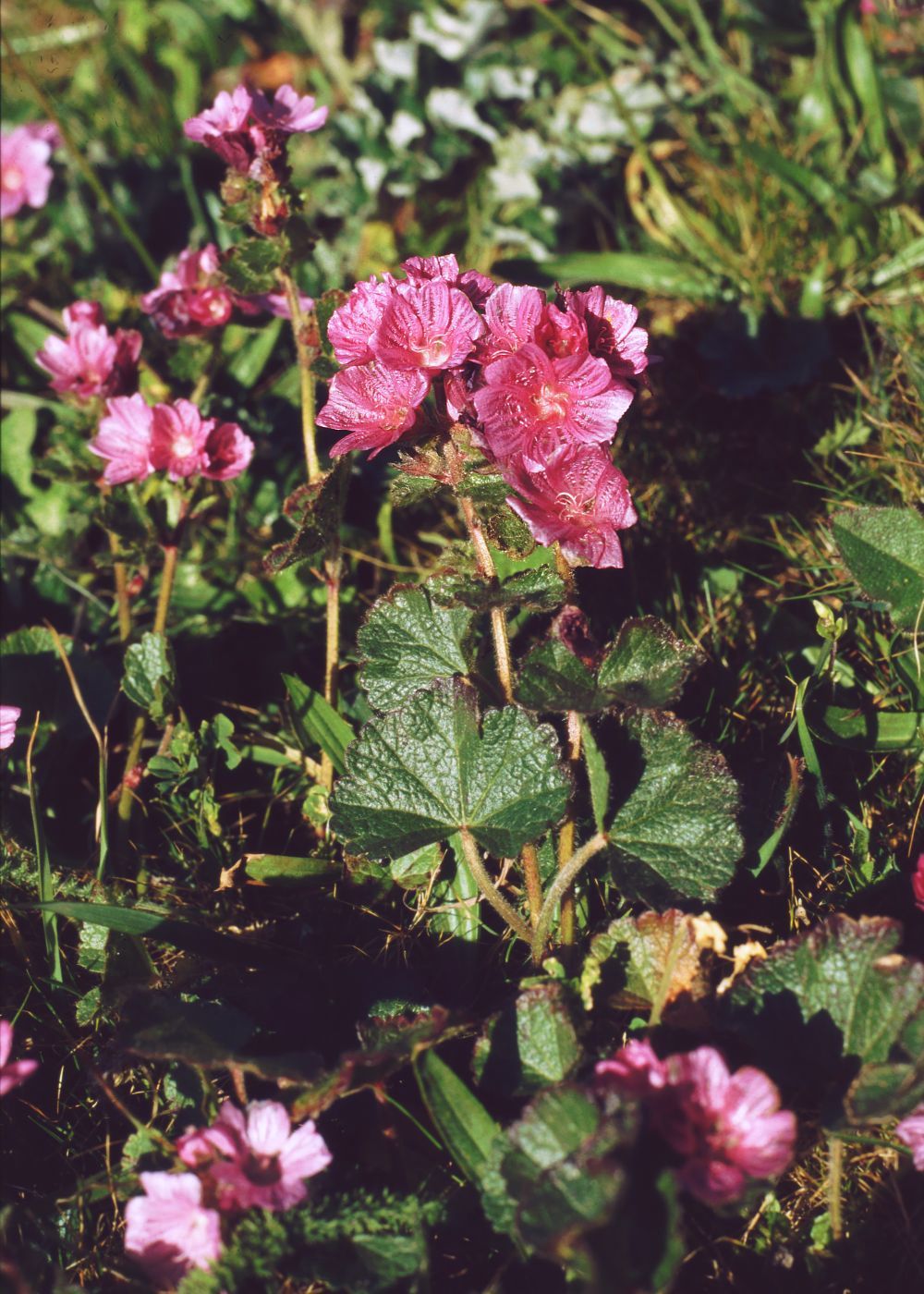
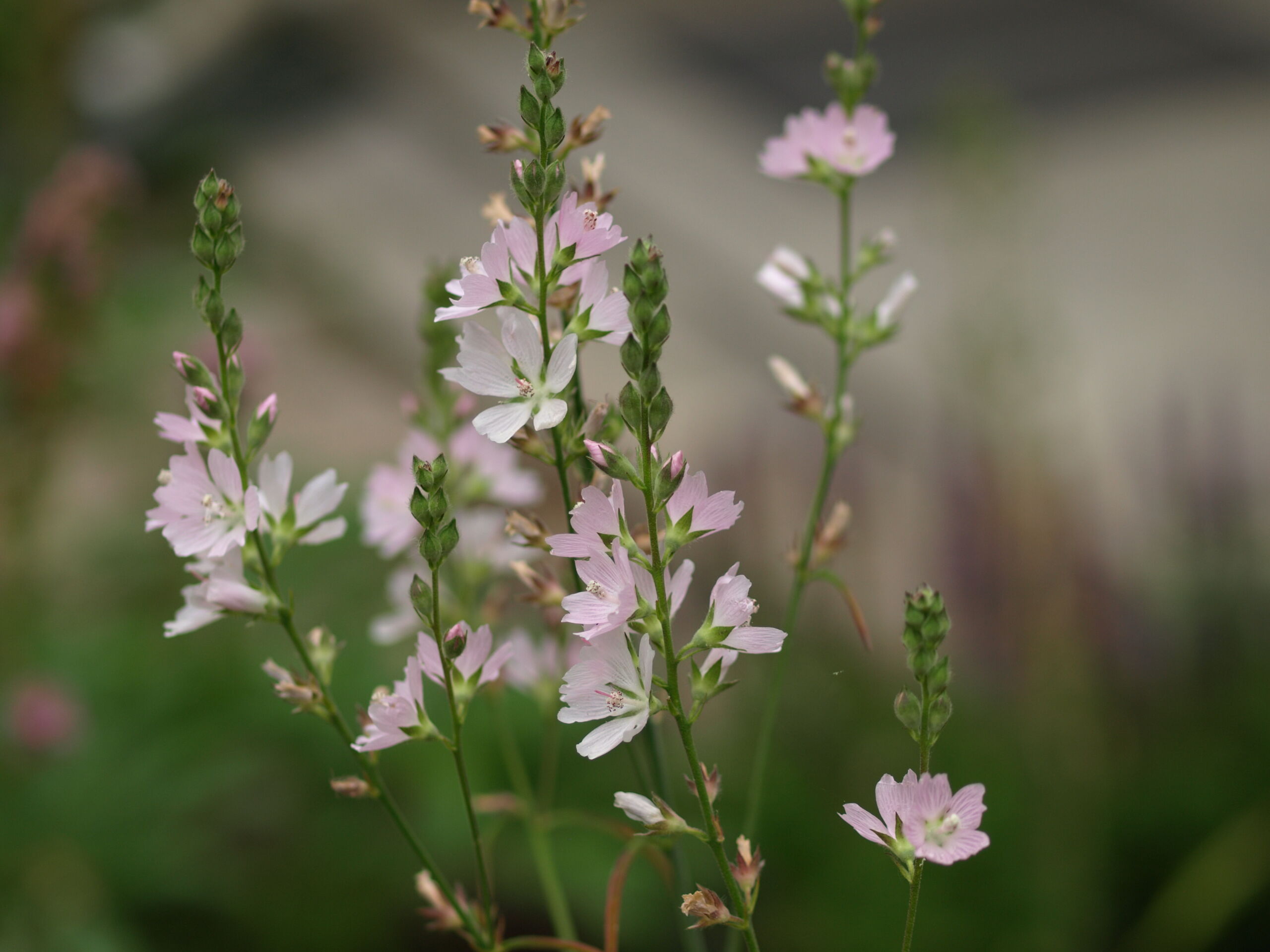
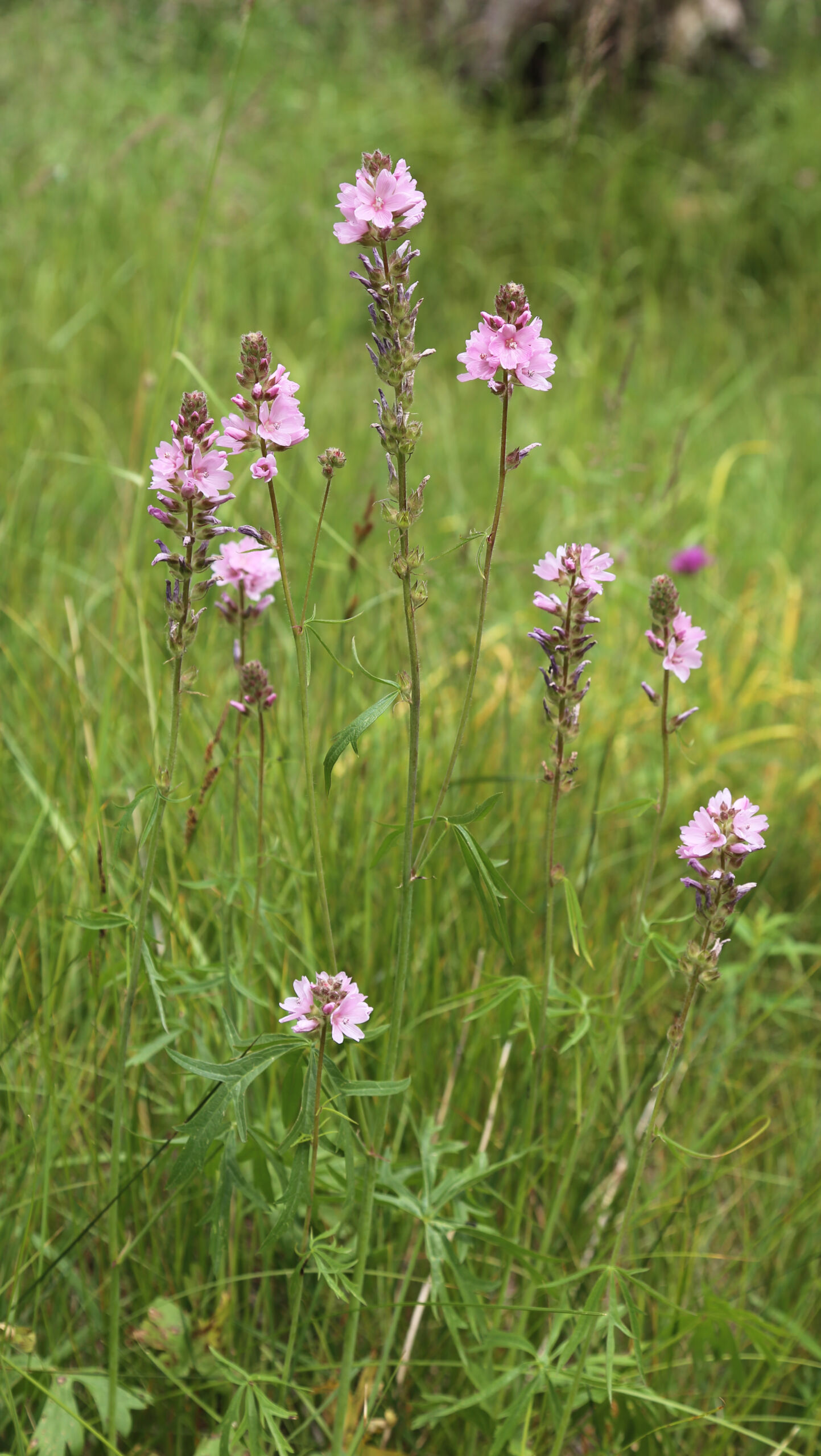
Sidalcea is the genus of the checkerblooms, and the common name is a small mystery wrapped in a pretty flower: nobody is entirely sure what is being checked, though the leading guesses involve the checkered pattern of the seed heads, the checkerboard arrangement of the flowers, or a gardener’s eye for a name that sounds good, and any of them will do, because the flowers are charming enough to carry a mysterious name. It is a genus in the mallow family, Malvaceae — the hollyhock family — of roughly two dozen species, all native to western North America, from southern British Columbia south to Baja California and east into the Rocky Mountains, and it is a genus of perennial herbs that look like hollyhocks that decided to stay a sensible height and live in a meadow instead of against a cottage wall.
The flowers are the show, and they are unmistakably mallow: five broad petals, pink to rose-purple, sometimes white, arranged in spikes or racemes over the clump, with the central column of stamens that marks every mallow from hibiscus to okra. The leaves are rounded to palmately lobed, often with the lower leaves broad and the upper leaves more deeply cut, and the plants form clumps 1 to 4 feet tall depending on species, with the dwarf coastal species staying low and spreading and the meadow species standing tall and upright. Bloom runs through late spring and summer, and a checkerbloom clump in flower is a bee and butterfly magnet, which is exactly what a mallow should be, because the mallow family has been feeding pollinators with open, accessible flowers for a very long time.
The roots are the quiet part of the story. Many checkerblooms grow from a taproot or a short rhizome, and several species like a damp meadow edge, a streamside, or a seasonally moist hollow — moist, but not waterlogged, which is a distinction the genus cares about a great deal. Some species are rare and narrowly endemic, confined to a single valley, island, or meadow system, and at least one, Nelson’s checkerbloom (Sidalcea nelsoniana), is federally listed as threatened, which means its meadows are protected places and its plants are not for digging up. The genus as a whole is a western meadow story: open ground, sun, moisture in spring, and a dry summer that the deep roots ride out, with seeds that wait for the right year to germinate.
That meadow story is the butterfly context for this genus guide. The West Coast Lady butterfly guide lists, in its Host plants section, many plants in the mallow family, including tree mallow, globe mallow, bush mallow, mallow, alkali mallow, checkerbloom, and hollyhock, and gives the Latin form Sidalcea for checkerbloom. The mention forms this genus guide covers are the common form checkerbloom and the Latin form Sidalcea, in that guide’s Host plants section. The other mallow genera in that same list — Lavatera, Sphaeralcea, Malvastrum, Malva, Sida, Alcea — belong to their own guides, not to this one, and no Sidalcea species is named in that guide, so this genus guide is the honest unit for the checkerbloom mention: it covers Sidalcea species as a genus, not any one species in particular.
One plain-text disambiguation, because the mallow family causes real confusion and this genus guide must not swallow its neighbors. Checkerbloom is Sidalcea, not hollyhock (Alcea), not globe mallow (Sphaeralcea), not bush mallow (Malvastrum), not true mallow (Malva), and not alkali mallow or fanpetal (Sida), though all of them appear in the same West Coast Lady host list and all of them look like cousins, because they are. Buy and plant by Latin name, genus and species together, and let this guide be the map of Sidalcea, not a substitute for any mallow that merely looks like one.
How to grow
Growing Sidalcea starts with the only decision that matters: are you gardening in its home range, or are you trying to talk a western meadow perennial into living somewhere it never signed up for? This is a western genus, and it wants what the West gives it: full sun to part shade, moist but well-drained soil, a cool spring and a dry summer that its roots can ride out. In its range — the valleys, meadows, and coastal gardens of western North America — it is a low-care perennial for a sunny border, a meadow edge, or a rain-garden margin that dries out in summer. Outside that range, and especially in hot, humid, wet-summer climates, it struggles, and no amount of enthusiasm fixes a climate mismatch. Florida gardeners should read this guide as a butterfly-host story and a western native, not as a planting recommendation for a Florida yard.
For gardeners inside its range, the pattern is straightforward. Plant in full sun to part shade in moist, well-drained soil — a meadow edge, a border with regular water in spring, or a spot that stays damp into early summer and then dries — and space clumps 1 to 2 feet apart so each has room to spread without crowding its neighbor. Give young plants water through their first season to establish, then water in dry spells in summer, because a checkerbloom that dries out completely in bloom will cut its flowering short, while one with steady moisture blooms for weeks. Deadhead spent spikes to encourage a second flush, and cut the clump back in fall after the foliage fades, leaving the crown to return next spring.
Propagation follows the perennial pattern: seed, sown in fall or spring, which germinates with a little patience, and division of established clumps in fall or early spring, which is the fastest way to more plants of a species you already like. Seed-grown plants vary, which is fine for a meadow edge and less fine for a formal border, so buy named species from a native nursery in your region, and check which species suits your soil moisture and elevation before you plant — a coastal dwarf species and an inland meadow species are not interchangeable, even though they share a genus and a pink flower.
Conservation note, stated plainly because it changes how you buy. Several Sidalcea species are rare, narrowly endemic, or listed as threatened, and their wild populations are not a nursery. Buy nursery-propagated plants only, from a reputable native grower, and never dig a checkerbloom from a wild meadow, a roadside, or a protected site. A nursery-grown checkerbloom is a plant you can admire without guilt; a wild-dug one is a hole in a meadow that may be the last meadow that species has. If a seller cannot tell you the plant was nursery-grown, walk away, and let your garden be a refuge for the genus rather than a reason for its decline.
Florida note, stated plainly rather than by implication. Sidalcea is not a Florida plant, and this guide does not recommend planting it in Florida, where heat, humidity, and wet summers work against a western meadow perennial. Its place in a Florida gardener’s education is as the host genus of the West Coast Lady, a western butterfly, and as a lesson in how butterfly host lists are written at genus level when a butterfly uses a whole mallow clan. If you garden in the West, plant the Sidalcea species native to your meadow. If you garden in Florida, admire it from here, and plant the mallow, legume, and oak hosts your own butterflies actually use.
Water & feeding
Water, for Sidalcea, is a question of moisture without sogginess. These are plants of damp meadow edges and streamsides, not of bogs, and their roots want steady moisture in spring and early summer, then a drier summer rest, with drainage that keeps the crown from sitting in water through winter. Water young plants regularly through their first season, water established clumps in dry spells while they are in bloom, and then taper off as the season dries, because a checkerbloom that is watered like a lawn plant in a heavy clay bed will rot at the crown, while one in a well-drained meadow edge will come back year after year. A thick mulch of compost or leaf litter helps hold spring moisture and cool the roots in summer, and it doubles as habitat for the soil life that keeps meadow soil healthy rather than sour.
Feeding: modest, across the genus. A spring topdressing of compost is the right scale of feeding — not a heavy fertilizer program, which mostly produces soft, leggy growth that flops in the first wind. In a meadow or border soil with decent organic matter, the nutrients arriving with mulch and leaf litter are often plenty on their own. The soil science here is the meadow story: moist, humus-rich soil is a nutrient highway, regularly replenished with organic matter, and the microbes, fungi, and invertebrates of that soil cycle nutrients fast in warm, damp conditions. A checkerbloom’s roots live in that community, storing energy in a taproot or rhizome and sending up new growth through it, and its yearly leaf fall returns organic matter to the soil as food for the next cycle. Planting a checkerbloom at a sunny meadow edge is therefore not just decorating a border — it is installing a perennial pollinator plant on top of a soil-building machine, and the pink spikes are its way of advertising the whole arrangement to every bee and butterfly in the neighborhood.
Common problems
- Wrong climate. The most consequential problem in the genus. Sidalcea wants western meadow conditions: sun, moist spring soil, and a dry summer. Hot, humid, wet-summer gardens outside its range are a mismatch, not a challenge to overcome with watering.
- Crown rot in soggy soil. Moist does not mean waterlogged. A crown that sits in water through winter rots, so give the plant drainage and do not plant it in a bog or a constantly wet hollow.
- Drought in bloom. A checkerbloom that dries out completely while flowering cuts its bloom short. Water in dry spells while it is in flower, then taper off.
- Wild-collected plants. Never buy a Sidalcea of unknown or wild origin, especially a rare species. Buy nursery-propagated only, from a grower who says so plainly.
- Wrong species, wrong moisture. A coastal dwarf species in a dry inland bed, or an inland meadow species in a wet coastal garden, is a plant out of place. Check the species’ native moisture and elevation before you buy, and buy by Latin name.
- Caterpillar feeding. West Coast Lady caterpillars eat mallow leaves, and that is the point of planting a host. A healthy clump recovers, so do not spray the caterpillars — they are the crop.
- Rust and mallow pests. Mallows share rust and a few leaf pests across the family. Remove affected leaves, give plants air circulation, and do not crowd clumps into a damp, still corner.
Harvest
Sidalcea’s harvest is seed, division, and a summer of pink spikes — in that order, and with one firm boundary that this guide states plainly. This is not a food or medicine plant in this guide’s sense, and no part of this guide recommends eating or brewing it; its value is as a pollinator plant, a butterfly host, and a meadow perennial that earns its place. If you want seed, let a few spikes ripen and collect the checkered seed heads when they are dry, and sow in fall or spring with patience, because a meadow seed expects a season before it wakes up. If you want more plants, divide established clumps in fall or early spring, and replant the divisions promptly in moist soil.
The simplest harvest, though, is a sunny meadow edge in summer with checkerbloom spikes in flower, bees working the open blooms, and a West Coast Lady laying eggs on the leaves below, because the plant is doing three jobs at once and making all of them look easy. Leave most plants standing through the season for the caterpillars, deadhead for a second flush, cut back in fall, and let the crown return next spring. That is the crop, and it arrives without a single spray — because spraying it would kill the very thing you planted it for, and because a plant that has fed western meadows since before there were gardens does not need your intervention, only your willingness to plant the right species in the right meadow edge and then get out of its way.
Browse all plant & pest guides
Saving seeds
Checkerbloom seed saving starts with restraint: deadhead most of the spent spikes to keep the plant blooming, but leave a few chosen spikes alone to finish the job. After the pink flowers fade, the seed heads — little stacked, lantern-like capsules — dry, brown, and begin to split open along the spike. That splitting is your cue. Snip the dry spikes into a paper bag before the seed rattles out on its own, and let the bag sit in a dry spot indoors until the capsules have finished opening and dropped their seed.
Cleaning is gloriously low-tech: shake and rub the dried heads over a bowl, pick out the bigger bits of chaff, and winnow lightly if you like — checkerbloom seed is small but not dust-fine, so it forgives a clumsy hand. Dry it thoroughly before storage, and in Florida humidity that means finishing the drying indoors, spread thin, until the seed feels completely dry; then seal it in a labeled envelope inside an airtight jar with a desiccant packet, kept cool and dark. Kept dry that way, the seed holds for a few seasons, though fresh seed is always the surest bet.
Sowing has two good windows. Fall sowing outdoors lets winter do the work — a natural cold spell that suits these plants — while spring sowing works too, started indoors a few weeks before last frost or direct-sown once the soil has warmed. Sow shallowly, no deeper than about a quarter inch, keep the soil evenly moist but not waterlogged, and expect sprouts over a few weeks rather than overnight; some growers scarify the hard seed coat with a light rub of sandpaper first, though at least one formal propagation trial found no real difference between treated and untreated seed, so treat scarification as optional, not essential.
The usual honesty note applies with extra force here, because this guide covers a whole genus: seed from a named cultivar — a particular color form or garden selection — will not reliably repeat that cultivar, and seed saved from one species grown near another Sidalcea may wander in its loyalties too. If you want an exact copy of a plant you love, divide it instead: lift an established clump in early spring or fall, tease or cut it into sections with roots and shoots attached, and replant at once. Division gives you a clone and rejuvenates a tired clump at the same time — seed gives you the genus’s next generation, which, for a wildflower group like this, is a perfectly good thing to want. And one geographic note: most checkerblooms are western natives, so check the species entry for your plant’s home range before sowing it widely.
Species
Sidalcea is a genus of roughly two dozen species, and this section names the species a western gardener or butterfly-watcher is most likely to meet, in plain text, and states plainly that this genus guide covers them only as a genus. Sidalcea malviflora, dwarf checkerbloom, is the low, spreading coastal species widely grown in gardens. Sidalcea oregana, Oregon checkerbloom, is the inland meadow species of the Pacific Northwest and the Rockies. Sidalcea campestris, meadow checkerbloom, is the tall Willamette Valley meadow species. Sidalcea hendersonii, Henderson’s checkerbloom, is a species of coastal marshes and wet meadows. Sidalcea nelsoniana, Nelson’s checkerbloom, is a rare Willamette Valley species federally listed as threatened, and it is named here for recognition, not as a plant to acquire from the wild. Sidalcea cusickii, Cusick’s checkerbloom, and Sidalcea virgata, rose checkerbloom, are among the other western species in cultivation and in the flora literature. Grow the species native to your meadow, by its Latin name, from nursery-propagated stock only, and let the genus guide be the map, not a substitute for any species on it.