
🌱 Chickweed
What it looks like
How to grow
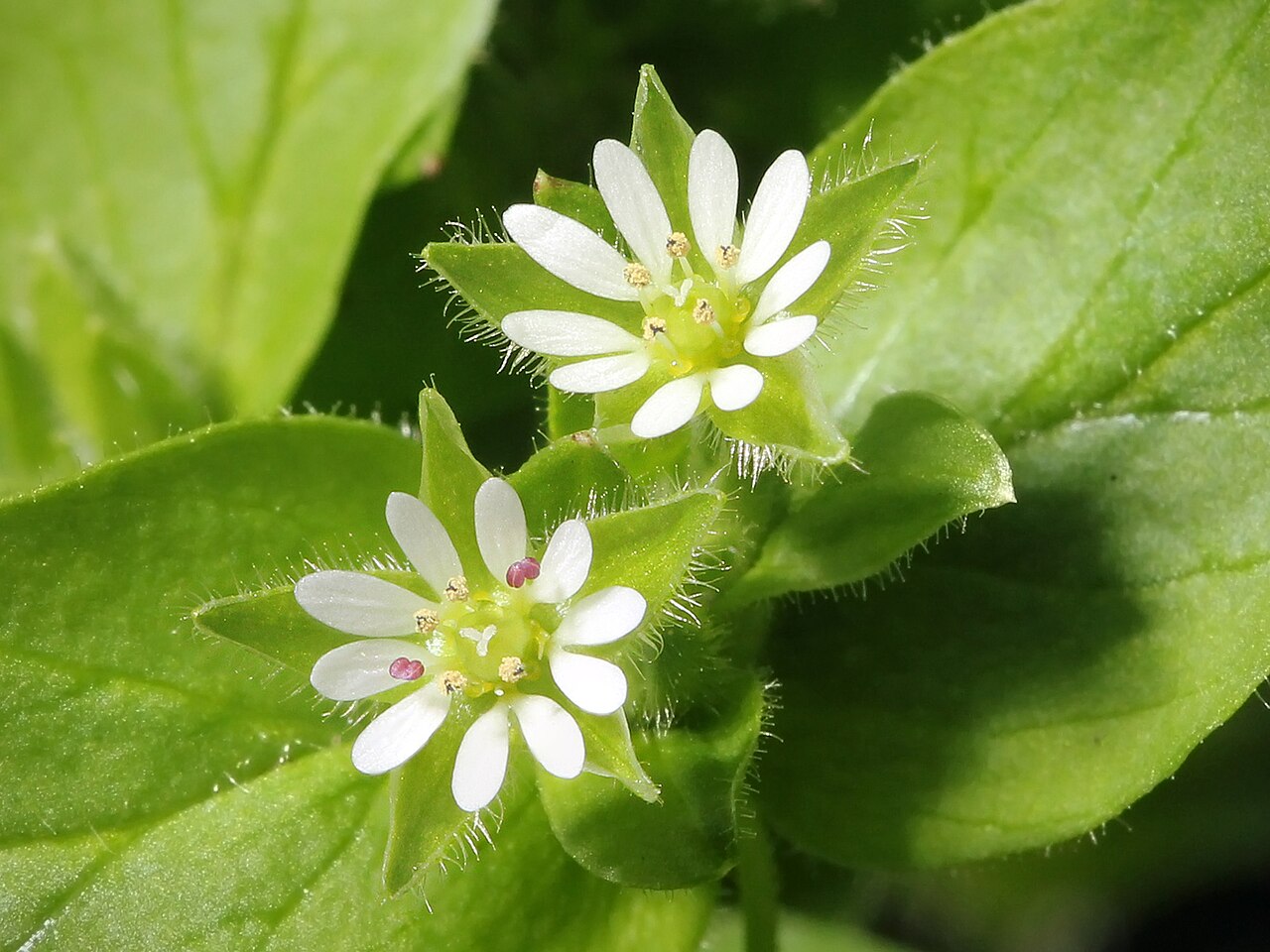
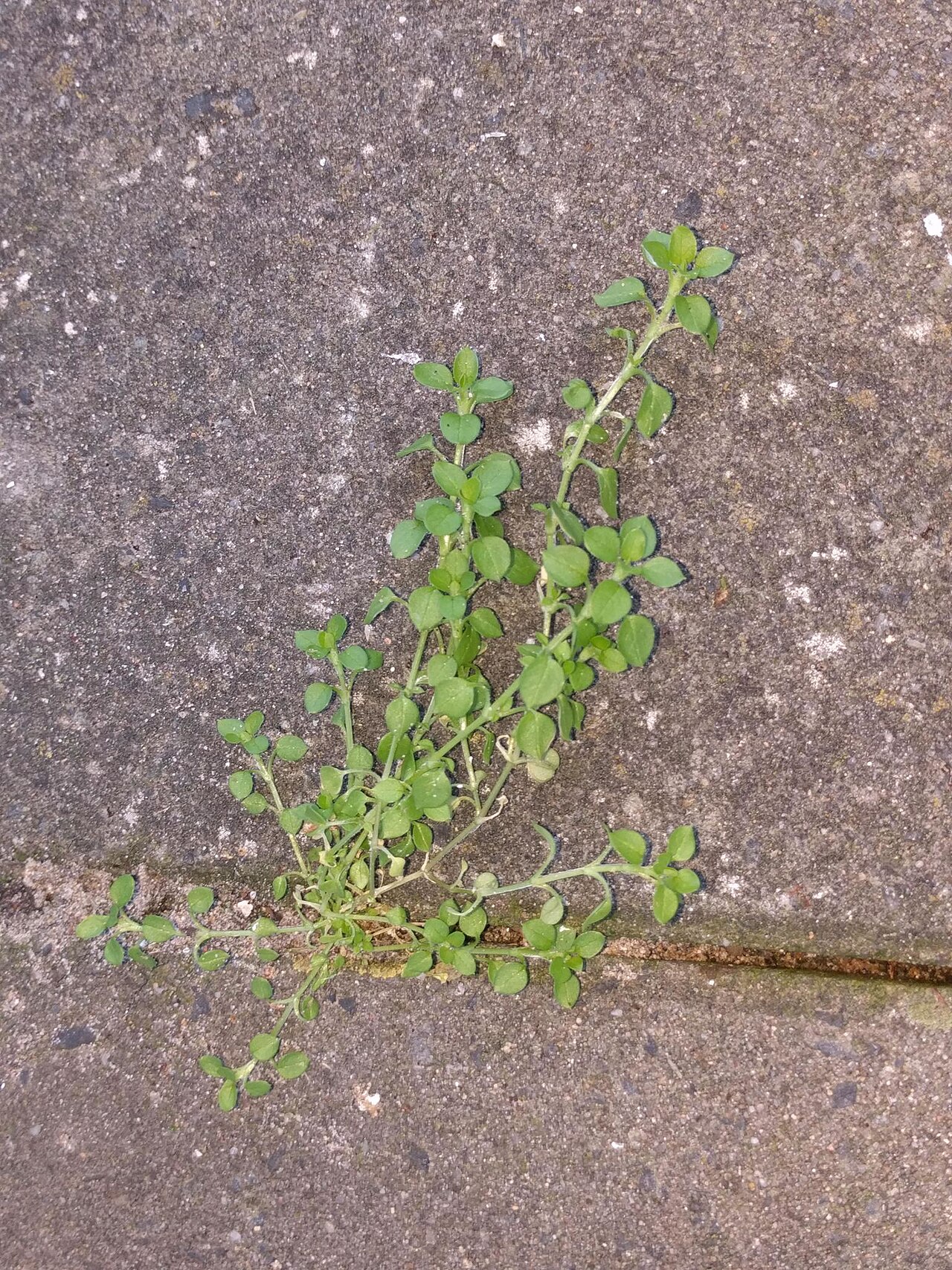
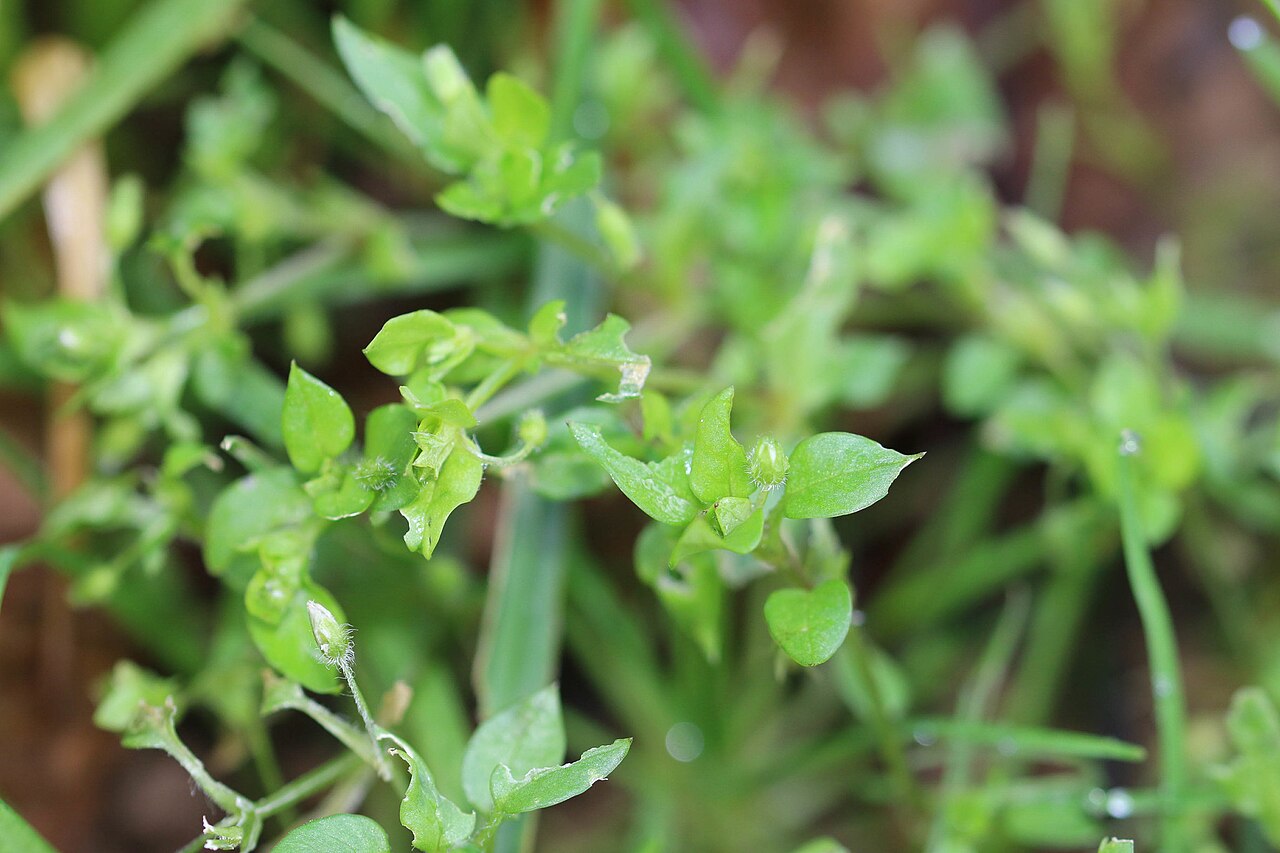
Chickweed is a low, sprawling, cool-season annual, 4-8 inches tall, with small, oval leaves, tiny white star-shaped flowers, and a single line of hairs along each stem — the detail that distinguishes it from look-alikes. Sow seed directly outdoors in early spring or fall, scattering it on the surface in part shade to sun and any decent, moist soil; chickweed germinates in cool weather and grows fast, which is the point and the warning. It wants cool, moist conditions and goes to seed and dies back in summer heat, so grow it in spring and fall, in a bed you control, and harvest young. It is a classic foraging plant, but foraging from lawns risks spray and contamination — growing your own in a clean bed is the safe way to have it. Do not let it go to seed near vegetable beds unless you want chickweed in every bed next year, because it seeds prolifically and its seeds last for years in soil.
Water & feeding
Keep soil consistently moist — chickweed is a cool, damp-weather plant and wilts in drought and heat. Mulch lightly to hold moisture, and feed lightly with compost at planting; it needs little, and rich soil mostly makes it grow faster. Water in dry spells, and shade the bed with row cover or a taller crop in warm weather to extend the season.
Common problems
- Bolting and seeding in heat — grow in cool seasons, shade in warm weather, and harvest young before flowers form.
- Self-seeding everywhere — pull plants before seed ripens, and do not compost seeding plants.
- Look-alike confusion — learn the single line of stem hairs and the star-shaped flowers before eating any chickweed, and only eat plants from your own clean bed.
- Slugs on tender leaves in damp spots — hand-pick at dusk; fast-growing patches outrun minor damage.
Harvest
Snip young tips and leaves as needed, taking the top few inches before plants flower, and rinse well — chickweed is traditionally eaten raw in salads or lightly cooked, and only from a clean bed you planted yourself, never from sprayed lawns or roadsides. Harvest in the morning for the crispest leaves, and pull the whole plant before it seeds to keep the bed clean. This guide is about growing only: chickweed has traditional herbal uses, but as a garden plant its value is as a fast, cool-season green, and that is reason enough to grow it. Sow a fresh patch every few weeks in spring and fall for a steady supply.
Preventing seed spread
This guide deliberately does not teach you to save chickweed seed, because chickweed does not need your help. It needs the opposite. Common chickweed is one of the most prolific seed producers in the garden: sources disagree wildly on the exact number, from a few hundred seeds on a small plant to well over ten thousand on a big, happy one, but every estimate points the same way — one plant that gets away from you can seed a bed for years. The seeds stay viable in soil for a decade or more, and a single plant can race from sprout to flower to ripe seed in about five or six weeks, squeezing several generations into one growing season. Chickweed is not a crop you run out of. It is a crop you cannot get rid of.
The timing trap is what catches most gardeners. Chickweed bears flowers and mature seeds at the same time, so a plant that looks like it is just starting to bloom may already be dropping seed. Pull early and pull young, while plants are still small rosettes with no white star flowers at all, and get the whole plant, roots and all. Stems left on the soil can re-root from their nodes, so a half-hearted yank that snaps the top off is barely a setback for the plant. The easiest moment is after rain or watering, when the soil is soft and the shallow roots come away cleanly.
What you do with the pulled plants matters as much as pulling them. If a plant has any flowers or seed capsules on it, bag it and put it in the trash — do not compost it and do not leave it lying on the bed. A home compost pile rarely gets hot enough, long enough, to reliably kill chickweed seed, and a pile of pulled weeds left on the soil is just a seed delivery service with extra steps. The same goes for plants you pull before flowering: composting those is fine, but the moment you see a single white flower, treat the plant as a seed bomb and trash it.
Prevention beats pulling, week after week. Chickweed seeds need light to germinate, so a thick mulch layer over bare soil is one of the most effective tools you have — it shades the seed bank out of action. Keep beds planted densely or covered rather than leaving bare soil over winter and early spring, which is chickweed’s favorite season in Florida’s cool months, and hoe or hand-pull seedlings the moment they appear rather than letting them grow into a mat. You will not empty the seed bank in one season; seeds already in the soil will keep germinating for years. But every plant you pull before it seeds is thousands of future weeds you never have to meet, and that is a trade worth making every single week.