
🫘 Chinese Green Noodle Yardlong Bean
What it looks like
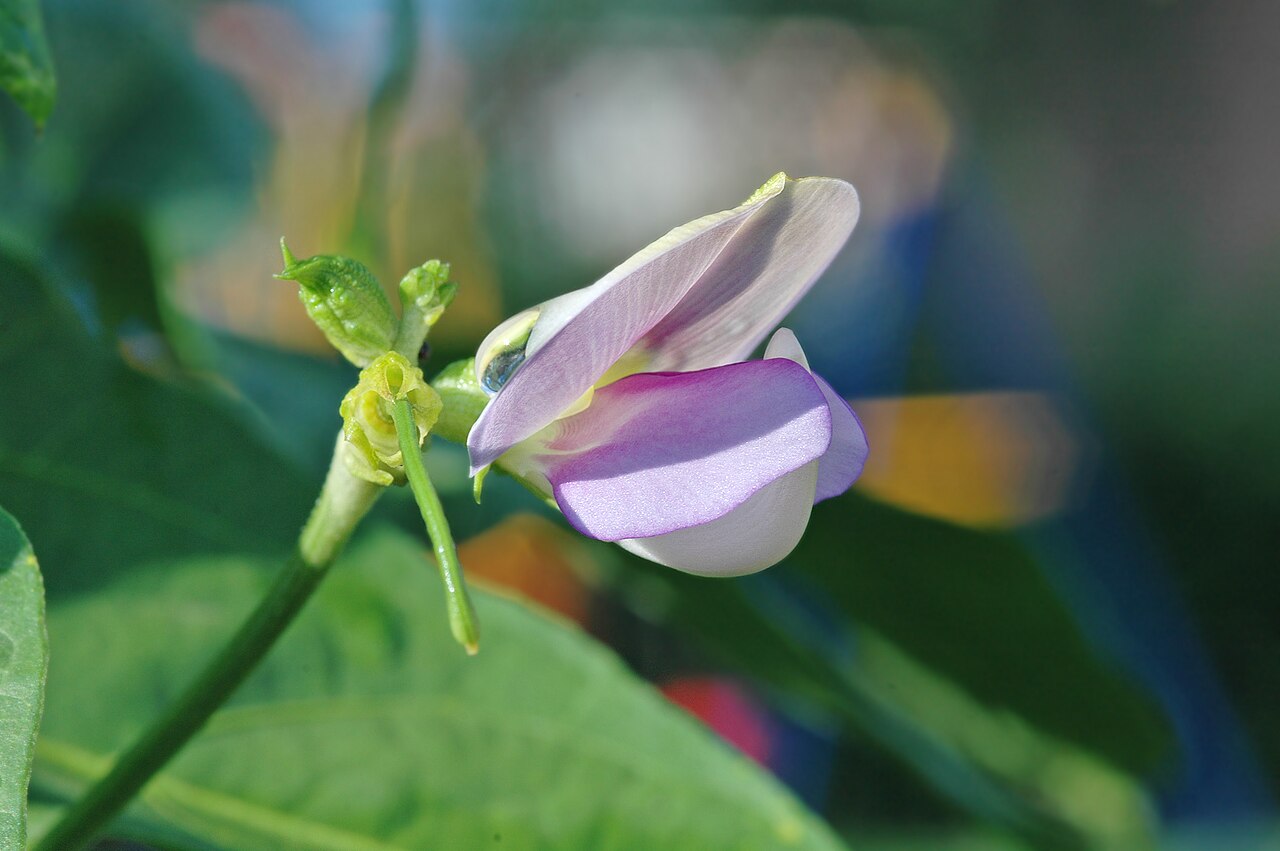
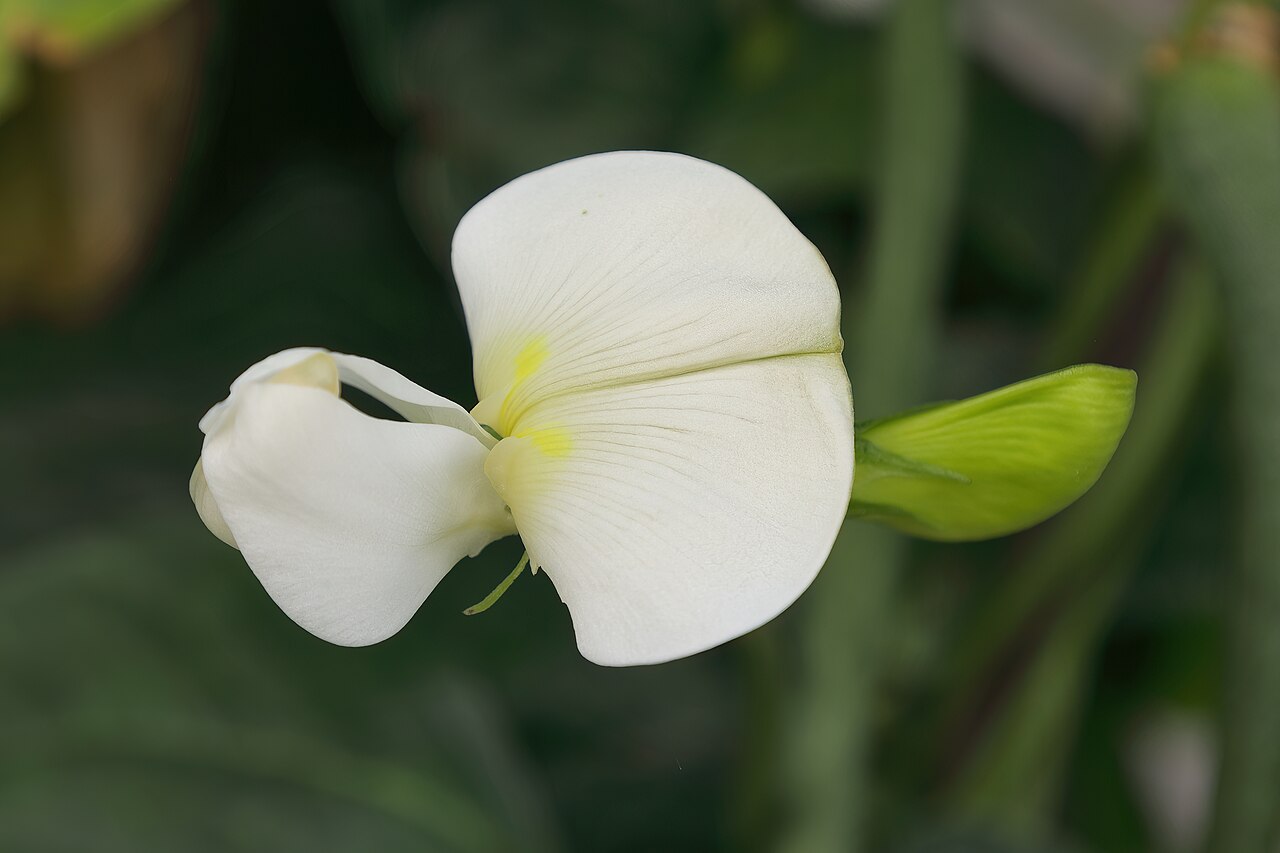
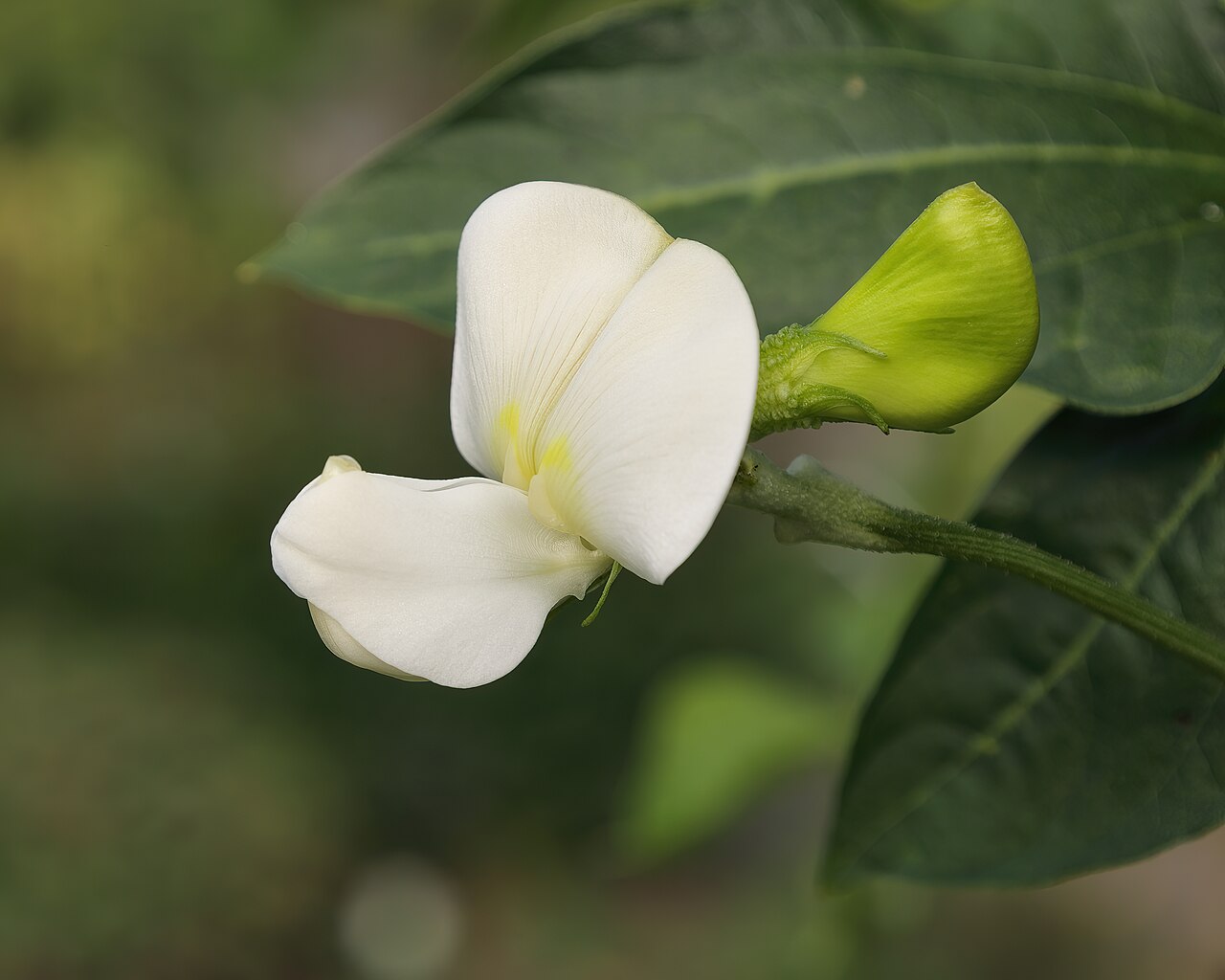
Why this variety
Chinese Green Noodle is the yardlong bean that won the trial, and trial results are worth quoting: in a University of California long-bean trial comparing twelve varieties, Chinese Green Noodle was the most productive variety by far, and the favorite in the first tasting for its very tender, mild pods. Pods are bright green, long and slender, produced in abundance on vigorous vines, and the variety is sold by heirloom seed houses as a classic Chinese long bean. If Red Noodle is the yardlong for color and rich flavor, Chinese Green Noodle is the yardlong for sheer production and tenderness — the one to grow if you want the most beans, and the mildest ones, from a single trellis.
The tenderness case is the reason to choose it: yardlong beans are prized for being stringless and tender when picked young, and Chinese Green Noodle is, by trial tasting, the tenderest and mildest of the lot, which makes it superb in stir-fries, where a tough pod would ruin the dish, and in any cooking where the bean itself should be delicate, not chewy. Its productivity is the other half of the case — a vine that out-produces its neighbors by a wide margin means fewer plants for the same harvest, or a larger harvest from the same trellis, and in a Florida summer, where yardlongs already out-produce snap beans, that margin matters. Grow Chinese Green Noodle if you want the yardlong that trials, not just catalogs, recommend.
If you are new to choosing between cultivars, the Varieties Matter guide explains why the name after the plant matters as much as the plant itself. And if you want the whole clan at a glance, the broader Yardlong Bean guide covers yardlong beans generally.
How to grow
Yardlong beans in Florida are a summer star, and if you have ever watched snap beans quit in July, you know why: yardlongs are cowpeas, not common beans, and they treat heat and humidity as the whole point, producing long, slender, stringless pods all summer on vigorous vines. Give them a tall, sturdy trellis — pods hang a foot or two long and the vines are strong — sow after the soil warms, and pick often, because a yardlong left to grow is a yardlong planning to get tough. They are the bean for stir-fries, curries, and any dish where a long, tender pod is the star, and they keep producing when the rest of the bean bed has filed for summer vacation. Note the family connection: yardlongs are cousins of southern peas, which is why they share that heat-proof attitude.
Sow after the last frost, once the soil is warm, seeds about an inch deep and 4 to 6 inches apart along a tall, sturdy trellis, in full sun and fertile, well-drained soil. Yardlongs are cowpeas, so they want heat and tolerate humidity — sow in spring for a summer harvest, and again in late summer for fall, picking every day or two in peak season, because pods grow fast and toughen if left. Water steadily, about an inch to an inch and a half a week, mulch thickly, and train vines onto the trellis early, because yardlong vines are strong and will grab anything nearby. Note the relationship to the existing Red Noodle guide: Red Noodle is the deep-red yardlong already on this site, and Chinese Green Noodle is its bright-green, more productive counterpart, not a duplicate — different color, different flavor, different trial record.
Water & feeding
Yardlong beans want steady water — about an inch to an inch and a half a week while they flower and fill pods — because dry vines drop flowers and make tough, short pods. Work worm castings into the planting hole, mulch thickly to hold moisture in sandy soil, and water at soil level. Go easy on nitrogen fertilizer, because yardlongs fix their own nitrogen, and extra nitrogen grows vines instead of pods. Keep watering through the harvest, picking every day or two in peak season, because a well-watered yardlong vine is a vine that never stops.
Common problems
Bean beetles, aphids, and stink bugs may visit; check vines and hand-pick or wash off as needed. Leaf diseases appear in humid, crowded vines, so prune for air and water at soil level. Drought during pod fill makes tough, short pods, so keep water steady while harvesting — a yardlong vine that is picking daily is drinking daily. Pods left too long get tough and seedy, so pick at 12 to 18 inches, or even younger for the tenderest pods, rather than waiting for maximum length, because a yardlong’s bragging length is not its eating length.
Harvest
Pick pods when they are long, slender, and tender — typically 12 to 18 inches, though they can grow longer — every day or two, and cook promptly in stir-fries, curries, and soups, where their mild, tender character shines. For dry cowpeas, let some pods mature fully, thresh, and store airtight. Save seed from healthy vines; yardlongs are largely self-pollinating, though insects can cross cowpea types, so separate from other yardlongs and southern peas if purity matters.
Nerdy fact: Yardlong beans are not actually a yard long — the subspecies name sesquipedalis means one and a half feet, which is a more honest measurement — but Chinese Green Noodle’s pods, hanging in pairs from a vigorous vine, are long enough to impress anyone who has only ever grown snap beans, and tender enough to make them converts.
Saving seeds
Chinese Green Noodle is a classic yardlong bean, so it comes true from seed — save seed from your best pods and let them dry fully before storing. The full method is in the Saving seeds section of the Yardlong Bean guide.