
🍒 Chokecherry
What it looks like
How to grow
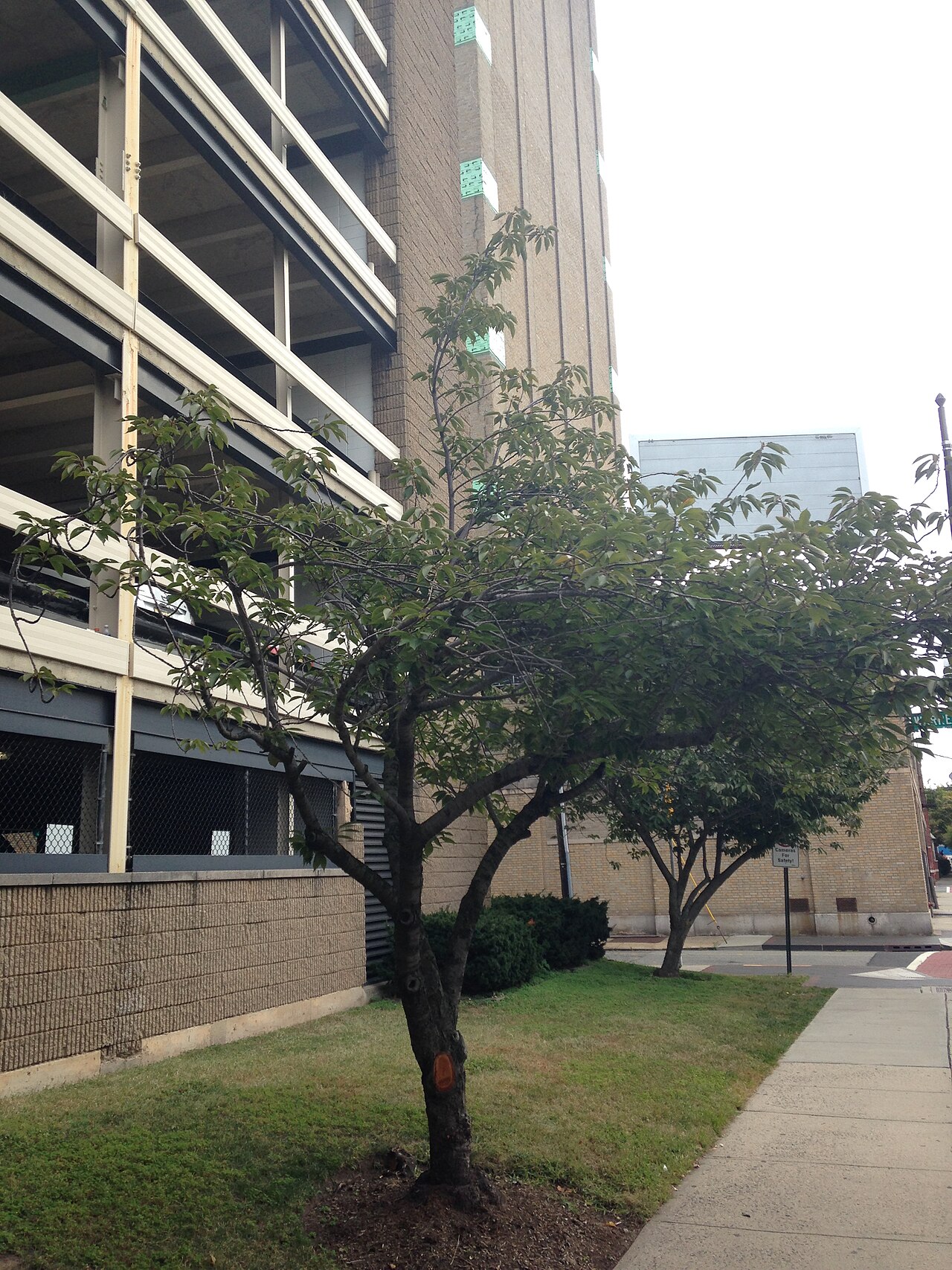
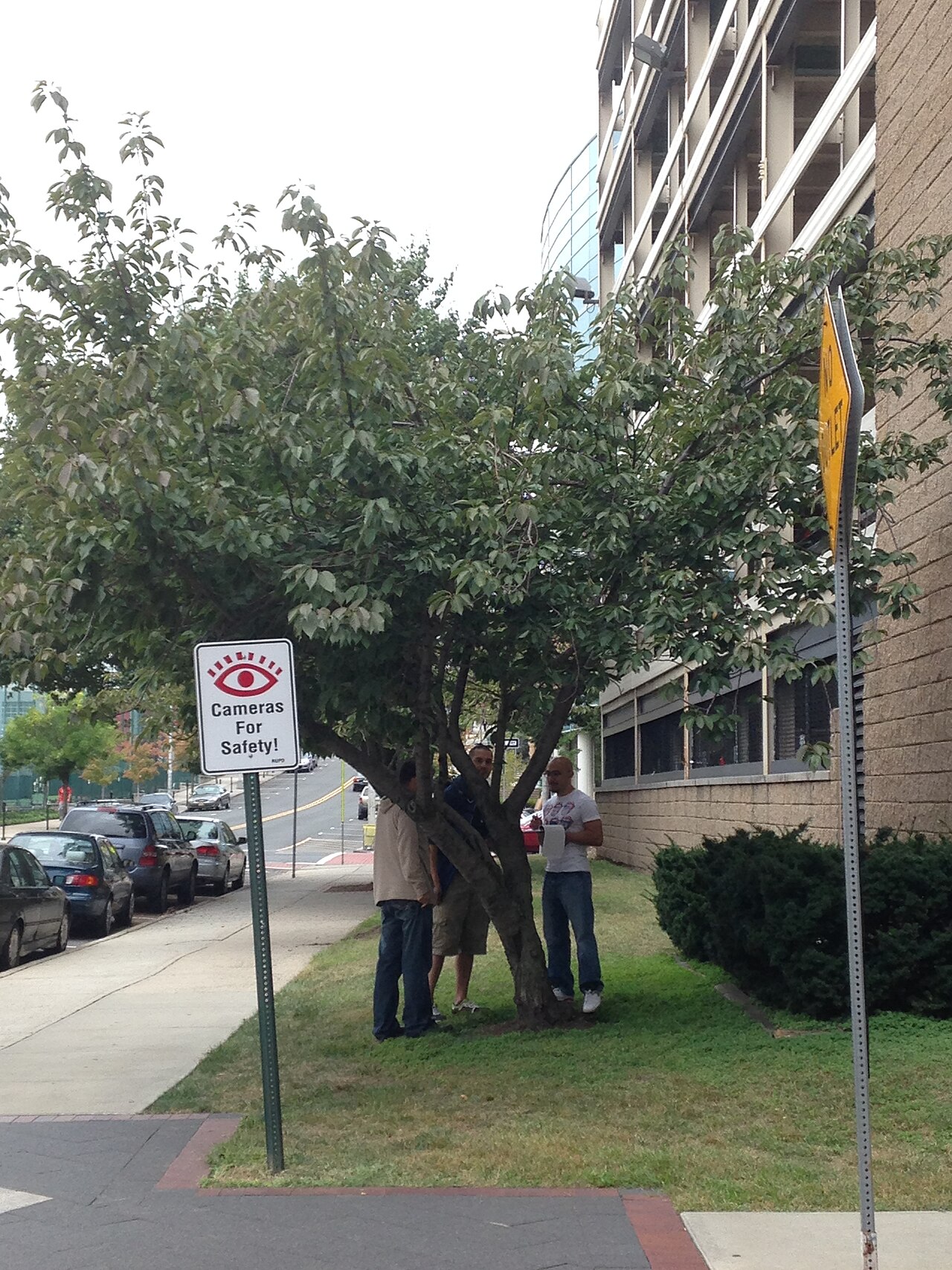
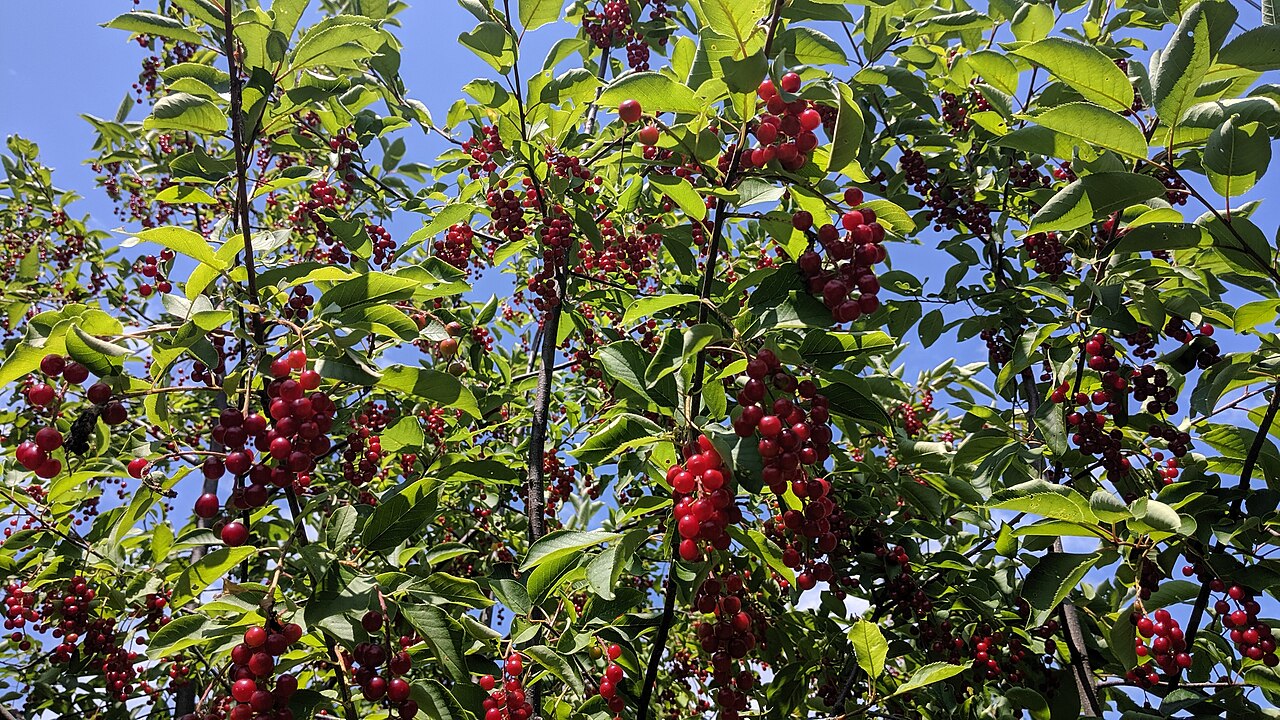
Chokecherry is a native North American small tree or large shrub with white spring flower clusters and hanging bunches of dark red to black fruit that pucker the mouth raw but make superb jelly, syrup, and wine when cooked and sweetened. Plant in full sun to light shade in well-drained soil — it tolerates dry soil and cold far better than sweet cherry, and it suckers into thickets if you let it. Prune to a single trunk for a tree form, or let it thicket for wildlife and screening. One safety rule matters above all: the fruit pulp is edible cooked, but the pits, leaves, and wilted foliage contain cyanogenic compounds and must not be eaten — never crush pits into a recipe, and never let livestock browse wilted chokecherry branches.
Water & feeding
Water while young and in drought; established chokecherry is notably drought-tolerant. Mulch to suppress suckers where you do not want them. Feed lightly in spring with compost; it fruits well on modest fertility.
Common problems
- Black knot fungus — hard black swellings on branches; prune well below them in dry weather and destroy the prunings.
- Tent caterpillars and aphids — prune nests out and wash aphids off; healthy trees tolerate light feeding.
- Suckering thickets — mow or cut suckers if you want a single tree.
- Toxic pits and leaves — cook fruit, discard pits, and keep wilted foliage away from livestock and children.
Harvest
Pick when fruit turns fully dark red to black and softens; taste will still be astringent raw. Cook, strain out pits, and sweeten for jelly, syrup, sauce, and wine. Do not eat pits, and do not use crushed-pit recipes.
Browse all plant & pest guides
Saving seeds
Toxicity warning first, because this one is not optional: chokecherry pits, leaves, bark, and twigs contain cyanogenic glycosides, compounds that can release hydrogen cyanide, and cases of illness have been traced to eating the pits. The ripe fruit flesh is the edible part; the pit is not food. Spit pits out, keep them away from children and livestock, and never let wilted or frost-damaged leaves near grazing animals, since wilting concentrates the danger. Handle seed saving with the same respect: gloves on, pits in a labeled container, and nobody snacking during the cleaning process. With that understood, chokecherry is a straightforward and rewarding tree to raise from seed — it just asks for a winter first.
Collect fruit when it is fully dark red to nearly black and soft, stripping whole clusters from a tree whose fruit you actually like, because seedlings vary. Chokecherry is insect-pollinated and outcrossing, so a seedling is a genetic remix of its parents, not a clone: it may fruit earlier or later, sweeter or sharper, bigger or smaller than the parent tree. If you are in love with one particular tree’s fruit, do not rely on seed — dig a root sucker in spring instead, which is an exact copy, roots and all. Save seed when you want trees for wildlife, hedges, or jelly in general, and accept the delightful uncertainty.
Cleaning is simple but messy: mash the ripe fruit, rub the pulp away under water, and keep the hard pits. Do not let cleaned pits dry out like bean seeds — Prunus seed is happier kept moist. The classic shortcut is to sow outdoors in fall, right after cleaning, about half an inch deep in a prepared bed with a screen over it, and let winter do the work. If you prefer spring sowing, give the pits a cool, moist stratification in the refrigerator — mixed with barely damp sand or peat in a bag — for three to five months, checking now and then for mold. Sources give a range here, roughly ninety to one hundred sixty days, and the longer end of that range gives the most consistent germination. In Florida, where winters may not deliver a long, steady chill, the refrigerator route is the reliable one, not the hopeful one.
Then comes the patience test: chokecherry germination is famously staggered. Some seeds sprout in the first spring, others wait a full year or more, sometimes up to eighteen months, so do not dig up a quiet bed in frustration. Mark the bed, keep it weeded and watered, and let the latecomers arrive. Grow seedlings on for a season or two before planting out, and store any extra seed the same way you stratified it — cool, moist, and labeled — rather than in a dry envelope. A chokecherry grown from your own saved pit will take years to fruit, but it will feed birds, pollinators, and jam pots for decades after that, and there is something deeply satisfying about a tree whose first chapter you wrote in a refrigerator vegetable drawer.
Varieties
Every named variety of Chokecherry with its own growing guide:
- Schubert Chokecherry — Canada Red chokecherry: green leaves that turn purple-red, white spring flowers, and tart fruit that makes superb jelly.