
🌸 Cinderella Antique Pink Stock
What it looks like


Why this variety
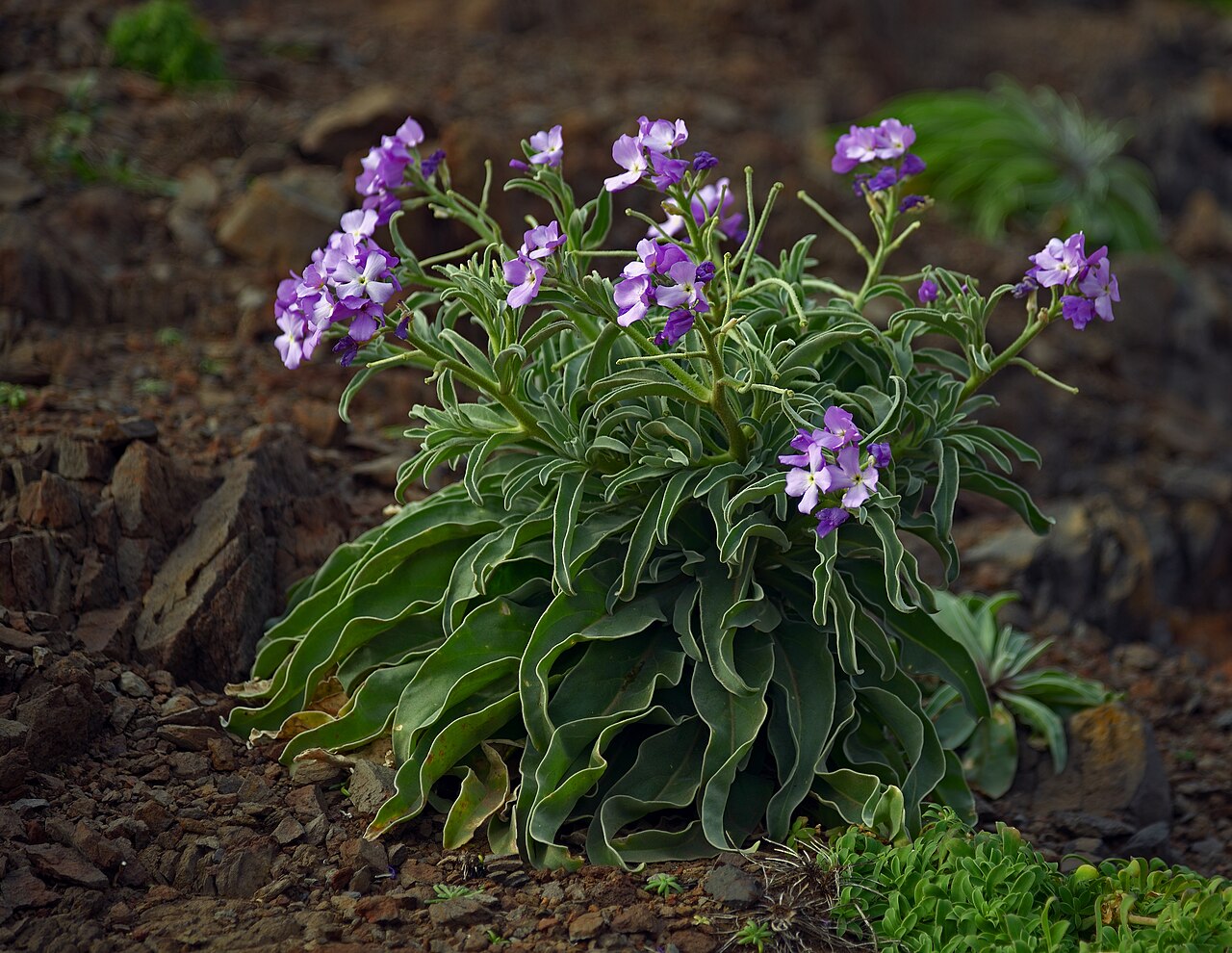
Cinderella Antique Pink is the stock for gardeners who want the perfume without the height: a compact, dwarf plant, 12 to 18 inches tall, with dense spikes of sweetly scented, double flowers — frilly, pale pink edges over greenish-yellow centers, like a two-tone rose — in late spring and early summer. It is listed by the Royal Horticultural Society, and it is the stock to plant in pots, at a path edge, or in a window box, where its scent can be appreciated at nose height rather than lost at the back of a border.
The trade-off is that stock is a cool-season plant that wants rich, well-drained soil, cool weather, and steady moisture, and it quits when heat arrives. Start seeds indoors in gentle heat in early spring, or sow in fall where winters are mild, give it sun and rich soil, and cut stems for bouquets as they open — stock lasts well in water and perfumes a room. When the foliage yellows in heat, the show is over; treat it as a glorious cool-season annual and replant next year.
If you are new to choosing between cultivars, the Varieties Matter guide explains why the name after the plant matters as much as the plant itself. Cinderella Antique Pink is a perfect example: it is not just a stock in the abstract, it is a stock with a specific job, a specific history, and specific strengths.
Florida honesty, stated plainly: stock is a North Florida cool-season trial, not a statewide promise — it needs cool weather to bloom and perfume well, and Florida heat ends the show early. In North Florida, sow in fall or start indoors in early spring, in rich, well-drained soil, and enjoy a fragrant spring show before the heat arrives. In Central and South Florida, expect a short, early show at best, and plant it as a fun cool-season experiment.
How to grow
Start seeds indoors in gentle heat in early spring, or sow in fall where winters are mild — stock is a cool-season plant that wants cool weather, rich soil, and steady moisture. Set plants out in full sun and rich, well-drained soil, work worm castings and compost into the bed at planting, and stake tall types in windy sites. Cut stems for bouquets as they open — stock lasts well in water and perfumes a room.
Set plants 9-12 inches apart in soil with a pH around 6.5-7.5. Work worm castings into the bed at planting and mulch to hold moisture. A well-fed stock plant rewards that care directly: steadier growth, better bloom, and a show that actually shows up.
Water & feeding
Keep soil evenly moist but never waterlogged — stock wants steady moisture and good drainage, not swamp and not drought. Water at the soil line, mulch to hold moisture, and feed moderately: castings and compost at planting plus a balanced liquid feed during growth. In heat, water is the care program, but no amount of water makes stock bloom in summer — cool weather is what it really wants.
Common problems
- Heat ending the show early — stock quits when warm weather arrives; plant in fall or early spring for a cool-season show.
- Leggy growth in shade or rich soil — lean soil and full sun make sturdier stock; do not overfeed.
- Aphids on new growth — blast with water and encourage ladybugs; avoid broad-spectrum sprays.
- Crown rot in wet soil — stock wants moist soil, not standing water; improve drainage and do not plant where rain ponds.
- Flopping tall types — stake White Goddess in windy sites, and do not plant tall stock where it cannot be supported.
Harvest
Cut stems for bouquets in late spring and early summer, when spikes are fully open — stock lasts well in water and perfumes a room, especially in the evening, when its moth-pollinated scent peaks. Cut in the cool of the morning for the longest vase life, and deadhead for a longer show. When the foliage yellows in heat, pull annual plants and compost them, and start fresh seed for next year’s cool-season show.
Browse all plant & pest guides
Saving seeds
Cinderella Antique Pink is a double-flowered stock, and double stock flowers are sterile — seed saved from those frilly double blooms won’t reproduce them. Buy fresh seed of the Cinderella series instead, and sow generously, since only some seedlings will be doubles. The full method is in the Saving seeds section of the Stock guide.