
🌿 Cleavers
What it looks like

How to grow
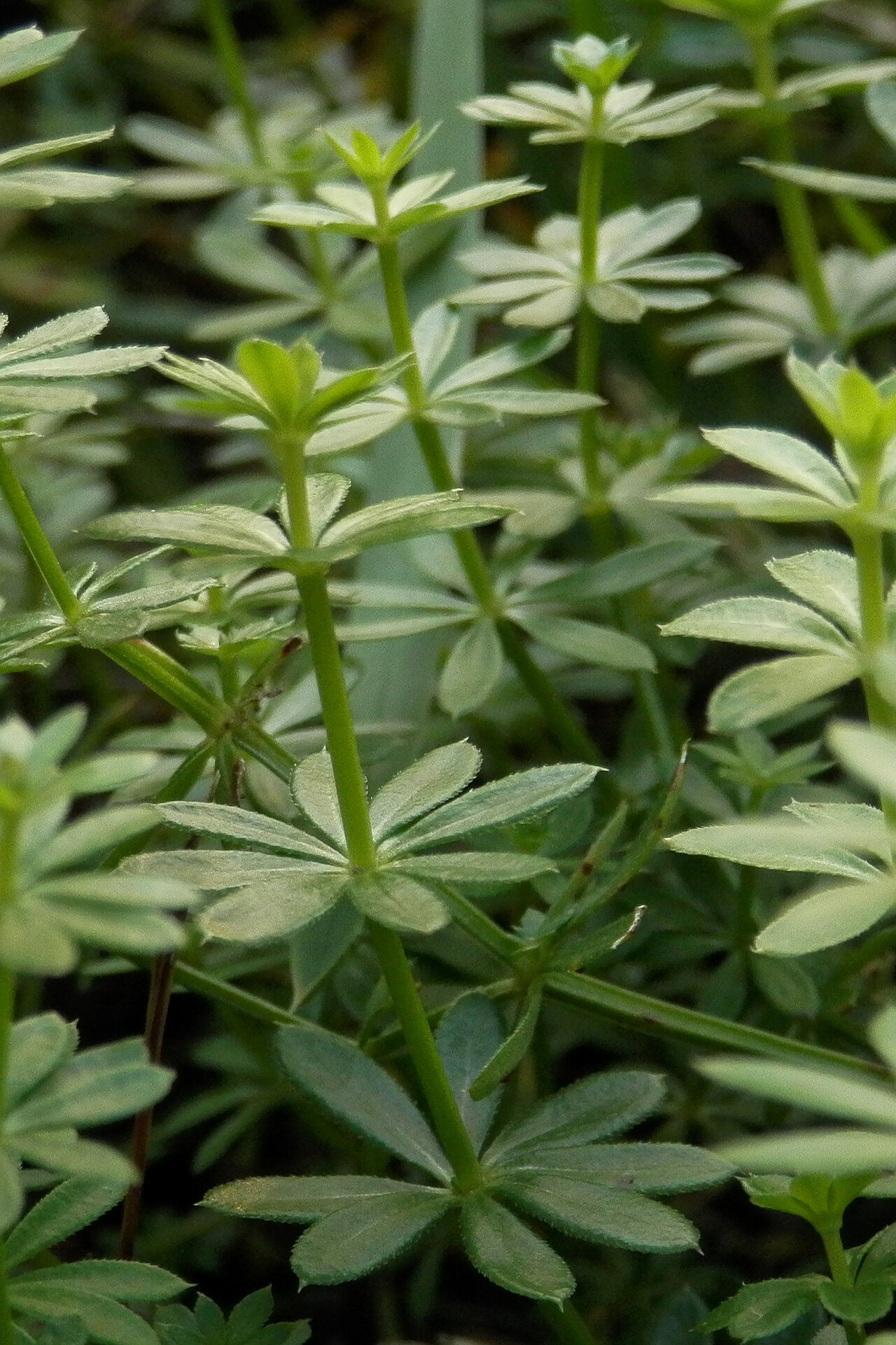
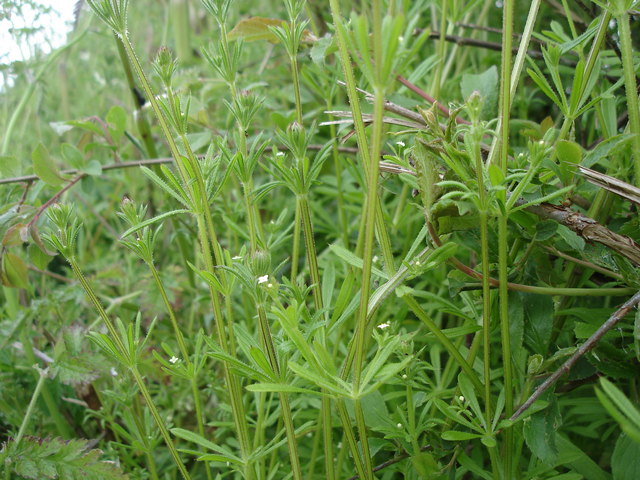
Cleavers, also called goosegrass or stickyweed, is a sprawling, square-stemmed annual, 2-4 feet long, with whorls of narrow leaves and tiny hooked bristles that cling to clothes, fur, and other plants — the Velcro of the plant world. Sow seed directly outdoors in fall or early spring, scattering it in part shade to sun and any decent, moist soil; cleavers germinates in cool weather and grows fast, scrambling over neighboring plants for support. It wants cool, moist conditions and dies back in summer heat, so grow it in spring and fall, in a bed or pot you control, and harvest young. Like chickweed, it is a classic foraging plant, but foraging from unknown ground risks spray — growing your own in a clean bed is the safe way to have it. Do not let it go to seed near vegetable beds unless you want cleavers in every bed next year, because its sticky seeds hitchhike on everything that brushes past.
Water & feeding
Keep soil consistently moist — cleavers is a cool, damp-weather plant and wilts in drought and heat. Mulch lightly to hold moisture, and feed lightly with compost at planting; it needs little. Water in dry spells, and give it a trellis or neighboring plants to scramble over, since it grows as a sprawling vine rather than an upright plant.
Common problems
- Bolting and seeding in heat — grow in cool seasons, harvest young, and pull plants before seeds form.
- Self-seeding by hitchhiking — sticky seeds cling to clothes and pets, so bag trimmings and do not compost seeding plants.
- Smothering neighbors — cleavers scrambles over other plants, so give it its own bed or pot, or trellis it away from crops.
- Skin irritation in sensitive people — the hooked bristles can irritate skin; wear gloves and long sleeves when handling.
Harvest
Snip young tips in spring, before plants flower, wearing gloves, and rinse well — cleavers is traditionally used fresh, juiced or lightly cooked, and only from a clean bed you planted yourself, never from sprayed ground. Harvest in the morning for the tenderest growth, and pull the whole plant before it seeds to keep the bed clean. This guide is about growing only: cleavers has traditional herbal uses, but as a garden plant its value is as a fast, cool-season green, and that is reason enough to grow it. Sow a fresh patch in fall for spring harvest, and keep it contained.
Seed prevention
This section is deliberately not a how-to-grow guide. Cleavers is a prolific weed, and the kindest thing this guide can teach you about its seed is how to stop it. A single plant can produce hundreds of seeds, the hooked seeds hitchhike on clothing, pet fur, tools, and anything else that brushes past, and dormant seed can wait in the soil for several years before sprouting. That combination is why one overlooked plant becomes a patch, and a patch becomes a yearly chore. If you grow cleavers on purpose for harvest, the prevention advice still applies: harvest it young, and never let it set seed.
Timing is everything, and early is the whole strategy. Pull plants while they are young and before they flower, when the soil is moist so the shallow roots come out whole. Grasp low, pull steadily, and wear gloves and long sleeves, because the hooked bristles can scratch and irritate skin. Hoeing works for seedlings too, and a dry, sunny day is the best day for it, since uprooted plants left in sun shrivel instead of re-rooting. Cutting stems at soil level will also prevent seed set if pulling is impractical, though it leaves the root behind, so pulling is the better choice where you can manage it.
What you do with pulled plants matters as much as pulling them. Bag seeded plants and put them in the trash. Do not compost them and do not leave them lying on the ground, because a home compost pile does not reliably get hot enough to kill cleavers seed, and a discarded plant can finish ripening its seed right there on the path. The same rule covers seed heads: if a plant has already flowered, bag the heads before they burst and trash them, and then clean your shoes, clothes, pets, and tools before walking into a clean bed, or you will plant next year’s crop yourself.
For prevention between pullings, mulch thickly, around eight centimetres of bulky organic matter in early spring, to smother seedlings and block light from seed in the soil, and keep beds covered rather than leaving bare soil, which cleavers loves. Watch the edges, hedges, and boundaries especially, since seed creeps in from neighbouring ground and a garden bordering rough land will need more regular weeding. And be patient with the seed bank: even perfect pulling this year will not end the story, because seed already in the soil will keep germinating for seasons. Pull every few weeks, before anything flowers, and each year the patch gets smaller. That slow, boring victory is the entire technique, and it works.