
🌿 Rocky Mountain Beeplant
What it looks like

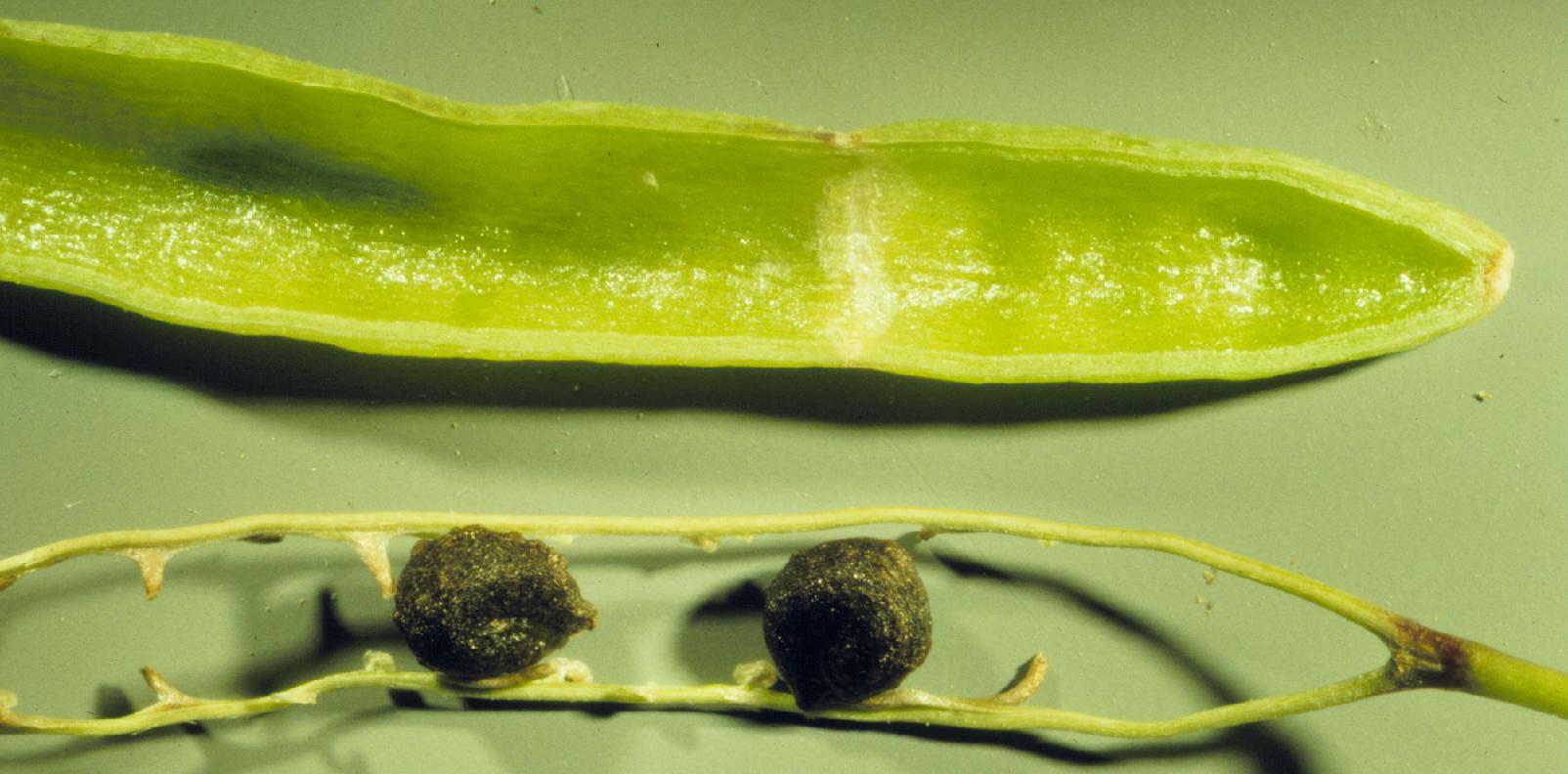
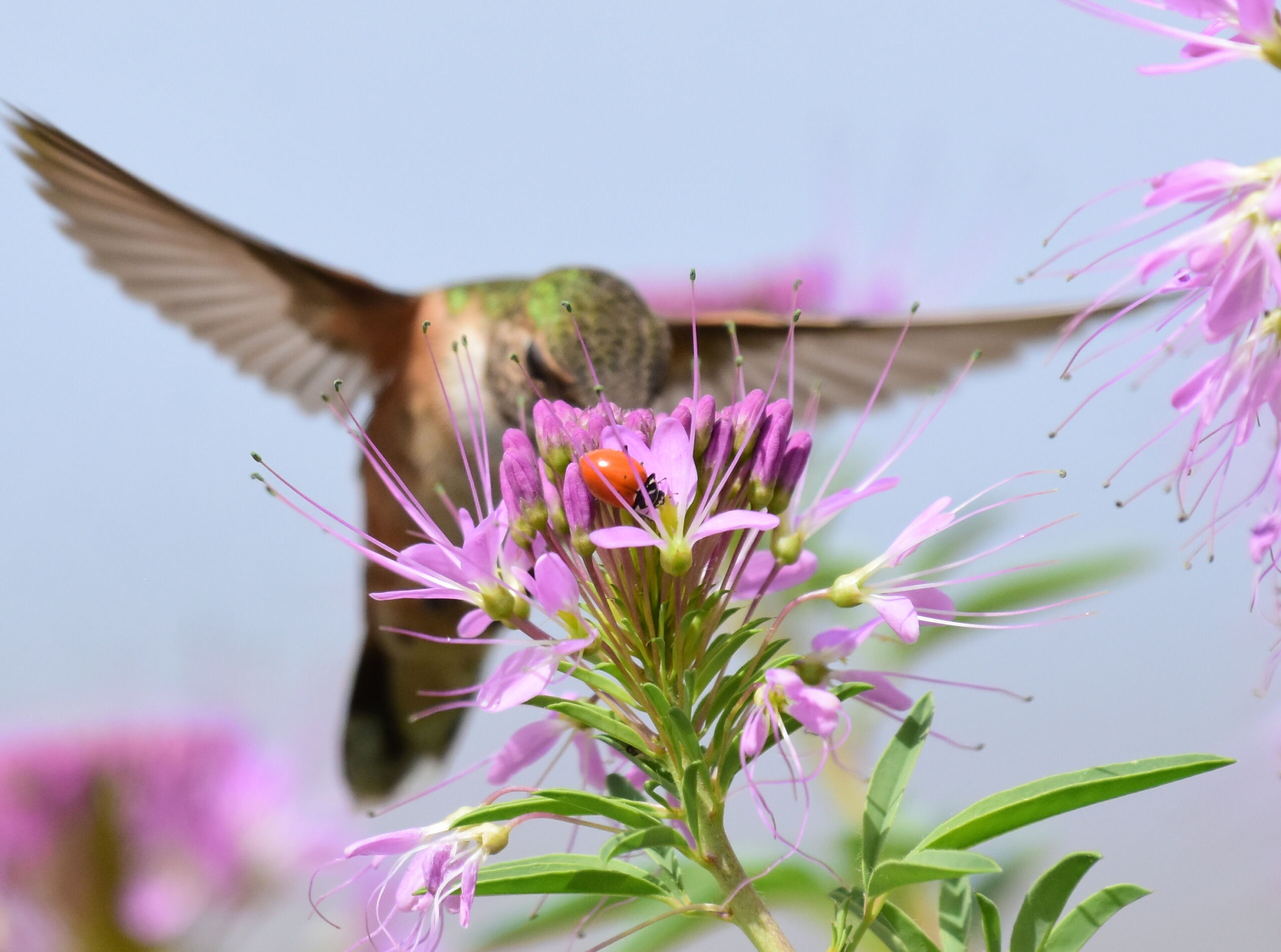
Rocky Mountain beeplant is a native annual wildflower of the spiderflower family, Cleomaceae, and it is one of the most honest plants you can put in a dry, sunny, open spot: it looks like exactly what it is, a tall, branching, slightly stinky annual built for disturbed ground, and then it spends months covered in pink flowers and dangling pods while bees, butterflies, wasps, and hummingbirds queue up for it. The United States Department of Agriculture’s plant materials note describes it as an annual, tap-rooted, colonizing native wildflower growing 2 to 5 feet tall, and the Montana field guide puts its stems at 15 to 80 centimeters, which is the same plant seen from two different altitudes: a lanky annual that can be knee-high on a dry ridge or shoulder-high in a good year with a little extra moisture. Expect an upright, branching stem, a loose, airy shape, and a plant that looks a little wild even when it is exactly where you planted it, because wild is its native language.
The leaves are the first identification clue, and they settle the most common mix-up on sight. They are compound and palmate, with three leaflets each, arranged alternately along the stem, the leaflets narrow, 1 to 7 centimeters long, with minutely toothed or serrated margins — serrulata means finely saw-toothed, and the leaf edges live up to it. Three leaflets is the number to remember, because the garden cleome sold in nurseries, Cleome hassleriana, is a South American species with five to seven leaflets, and a plant with five or seven leaflets is not this plant, no matter how pink its flowers are. The flowers come in elongated clusters at the tops of the stems, opening from the bottom of the cluster upward, so a single stem shows new blossoms above and dangling seed pods below at the same time, several stages of the plant’s life on one stalk. Each flower has four petals and four sepals, pink or purple, rarely white, with six long stamens that stick out well beyond the petals — the Montana guide puts the stamens at two to three times the petal length — and those spidery stamens are what give the whole group its spiderflower name. The fruit is a slender, broadly linear capsule, 2 to 6 centimeters long, hanging on a stalk, and it is the reason the plant looks like it is growing legs as the season goes on.
The family story is the reason this guide sits next to the mustard guides, and it is worth telling plainly. Rocky Mountain beeplant was formerly placed in the caper family, Capparaceae, and is now placed in Cleomaceae, the spiderflower family, which genetic work shows is closely related to the mustard family, Brassicaceae — all of them in the order Brassicales, all of them sharing the four-petaled flower and the long, pod-like fruit. That is why a butterfly of wild mustards, Becker’s White, uses this plant as a caterpillar host even though it is not a mustard: to a caterpillar that eats crucifers, a close mustard relative with the same flower plan and similar chemistry reads as family. The Becker’s White guide says it exactly that way, calling Rocky Mountain beeplant a caper relative among its mustard hosts, and this guide repeats that framing because it is the honest one.
One plain-text clarification, because the name invites it and the nursery trade makes it worse. Rocky Mountain beeplant is not the garden cleome, Cleome hassleriana, the tall South American annual sold as spider flower, and it is not yellow beeplant, Cleome lutea, the yellow-flowered western relative. Buy and plant by the full Latin name, and check the leaflet count: three leaflets, pink to purple flowers, dangling pods, western native — that is Rocky Mountain beeplant. Anything else sold simply as cleome is a different plant wearing a similar name.
How to grow
Grow Rocky Mountain beeplant by copying a western roadside, meadow edge, or open rangeland, not a rich garden bed. It wants full sun, open ground, and well-drained soil, and it is famously at home on the soils other plants reject: sparsely vegetated, often saline, sandy to clayey ground in grasslands, steppe, moist meadows, and roadsides, in plains and valleys, is the Montana guide’s habitat list, and it reads like a list of places a gardener would apologize for. Rocky Mountain beeplant does not want the apology. It wants the sun and the drainage, and it will take poor soil over pampered soil every time.
Sow seed in spring after last frost, in open ground where it can get full sun from the start, or let it sow itself: this is a self-seeding annual, and a planting that is allowed to ripen seed will usually return on its own the next year, forming a drift rather than a row. That self-seeding habit is the whole management plan. Thin seedlings if they come up too thick, deadhead before seed ripens if you do not want volunteers, and otherwise leave it alone. It is native from southern Canada, British Columbia to Ontario, through the western and central United States — Washington to Saskatchewan south to California, Arizona, and New Mexico, and east to Ohio — and it is found in the northern Rocky Mountains at elevations of roughly 760 to 2,200 meters, which tells you its climate preferences better than any zone number: cool nights, strong sun, and a dry-ish summer suit it, and it is introduced, rather than native, in much of the eastern United States.
Flowering runs a long season, May through September depending on location and elevation, and the bloom is the point of the plant. The nectar-filled blossoms are clustered in elongated racemes near the tops of the stems and attract a diverse crowd of pollinators, including bees, butterflies, and wasps, and hummingbirds visit too, as the Seedskadee photograph in this guide shows. Do not expect a tidy bedding plant: this is a colonizing wildflower, and a planting that looks a little ragged in late summer, with flowers at the top and pods dangling below, is flowering and seeding exactly as designed. In Florida, it is not a Florida plant at all: it wants the dry, sunny, open conditions of its western range, and Florida’s wet, humid summers are the opposite of its native pattern. Admire it in western gardens, and plant a pollinator annual suited to your region at home.
The human history is part of the plant, and it is older than the garden trade. The earliest specimen was collected in 1804 by Meriwether Lewis along the Missouri River near Vermillion in South Dakota, on the Lewis and Clark Expedition, and Frederick Pursh described it in 1814, which is why the name carries Pursh as its authority. Its common names record its uses and its smell in equal measure: beeplant and bee spiderflower for the pollinators, stinking-clover, skunk weed, and stinkweed for the faintly unpleasant odor of the crushed foliage, Navajo spinach and guaco for its traditional food and medicinal uses among Southwestern peoples, and the Tewa and other Southwestern tribes planted it as a fourth sister alongside the Three Sisters of corn, beans, and squash, because it draws bees that pollinate the beans and squash. That last use is the best planting advice in this guide, stated as history rather than as a promise: a beeplant patch next to a vegetable garden is an old idea, and it works because bees go where the nectar is.
Water & feeding
Water to establish, then mostly stop. Through the first weeks, keep the seedbed moist until seedlings are up and growing, and water in a dry spell while plants are young. Once established, Rocky Mountain beeplant is a dry-country annual, and it handles drought far better than it handles wet feet or constant irrigation. In heavy ground that holds winter water, plant it high, on a slope or a raised bed, and amend for drainage rather than for richness. Rich, heavily watered soil makes it grow soft and leggy; lean soil makes it live like itself.
Do not feed it like a vegetable. Rocky Mountain beeplant evolved on poor, disturbed soils, and it grows best in average to lean ground with no added fertilizer. If your soil is genuinely depleted and the plant is pale and stunted, a single light application of a balanced, slow-release fertilizer in spring is plenty, and in most native-soil gardens it is unnecessary. The most common feeding mistake is not underfeeding but overwatering a fertilized plant, which produces soft growth that the first dry spell then punishes. The soil science here is the disturbed-ground story: this is a pioneer annual, one of the plants that colonizes bare ground first, holds it with a taproot, feeds the pollinators while it stands, and then returns its own stems and leaves to the soil as organic matter when it dies in fall. Planting it on a bare patch is therefore not just decorating an empty corner — it is putting a pioneer to work, and the bees are its wages.
Common problems
- Self-seeding everywhere. The most common surprise, and usually a gift. A planting allowed to ripen seed will return next year, sometimes thickly. Thin seedlings in spring, or deadhead before seed ripens if you want to keep it contained.
- Wrong cleome. Garden cleome, Cleome hassleriana, has five to seven leaflets and is a South American annual, not this plant. Check the leaflet count and the full Latin name before you buy.
- Wet soil. The number one killer, and almost always a drainage problem rather than a disease problem. If plants yellow and collapse in wet ground, the soil stayed wet too long. Replant higher, in grittier soil, and do not water it on a lawn schedule.
- Leggy growth in rich, irrigated soil. A plant given lawn water and fertilizer grows fast, sprawls, and flops. Lean soil, sun, and restraint are not neglect here; they are the care plan.
- Smell. The crushed foliage has a faintly unpleasant, skunky odor, which is where stinkweed and skunk weed come from. It is not a defect, and it is one reason deer and rabbits tend to leave it alone, but site it where you will brush past the flowers, not the crushed leaves, if the smell bothers you.
- Wrong climate. In humid eastern gardens it grows poorly and rarely achieves its western form. If your summers are humid and wet rather than dry and sunny, this is a plant to admire in photographs and in the West, not to force into your border.
- Caterpillar nibbling. Becker’s White caterpillars may eat the foliage, and that is the point of planting it for butterflies. A healthy planting outgrows the nibbling, so do not spray the caterpillars — they are the crop.
Harvest
There is no kitchen harvest recommended from Rocky Mountain beeplant in this guide, and the harvest it gives is ecological and horticultural. Its flowers feed an extraordinary roster of insects over a very long season: native bees above all, and the plant’s common name is the receipt, plus butterflies, wasps, and hummingbirds, and its long bloom, May through September, is the reason it is a staple of western pollinator plantings. Butterfly guides list it as a caterpillar host for Becker’s White, among that butterfly’s wild mustards and mustard relatives, and that is the honest guest list from the butterfly guides themselves, not a padded one.
The garden harvest is seed, if you want more plants or want to share them. Seed ripens in the dangling pods in late summer and fall; collect pods as they dry, and sow the seed the following spring after last frost, or let the plants sow themselves and thin the volunteers. Traditional food uses — the young leaves and shoots eaten as a potherb, under the name Navajo spinach — are recorded history, and this guide records them as history rather than recommending them, because the plant’s chemistry and the variability of wild-collected material make foraging advice a matter for a specialist source, not a growing guide. Leave the dried stalks standing through winter for birds and for winter interest if you like the look, and clear them in spring before new seedlings come up, which is the one annual chore this plant really asks of you.
Saving seeds
Rocky Mountain beeplant saves the way it lives: loudly, generously, and on its own schedule. This is an annual that dies with the first hard frost and comes back purely because it scattered seed the summer before, so the pods are not an afterthought — they are the entire next generation. After flowering, the plant produces drooping, bean-like pods that ripen to dark brown. Watch them closely, because ripe pods split and spill their seed, and the local birds have learned exactly when that happens. The gardener who dawdles gets an empty pod and a well-fed sparrow.
Harvest on a dry day, as soon as the pods are brown and dry but before they have fully split. Clip them into a paper bag, spread them out of direct sun to finish drying, then split the pods open by hand and shake out the seed. Keep only the dark, plump seeds; pale, thin ones are usually duds, and no amount of optimism will germinate them. Clean off as much chaff as you reasonably can, dry the seed thoroughly, and store it labelled in a cool, dark place in an airtight jar with desiccant if your climate is humid — which, if you are reading this from Florida, it is. Stored dry and cool, beeplant seed keeps for several years, so one generous plant can stock a whole pollinator patch.
Here is the part that trips people up: this seed does not simply wake up in spring because you planted it. In the wild it spends winter cold and damp in the soil, and it expects the same treatment from you. The easy route is to sow in autumn and let winter do the work — scatter the seed on the surface or under the thinnest dusting of soil, because it needs light to germinate, and let the cold months break its dormancy. For spring sowing, mimic winter yourself: mix the seed with damp sand and refrigerate it for about a month before sowing, then sow shallowly and keep the soil evenly moist. Even then, germination can be slow and patchy, sometimes stretching over several weeks, and the rate is naturally modest — sow more thickly than feels polite and thin later.
Will saved seed grow true? Mostly, yes, with a shrug. Beeplant is self-fertile, so a lone plant can set good seed without a pollinator partner, and the straight species has no named garden varieties to drift away from. What you save is what you get: the same pink, four-petalled, gloriously pungent annual. One Florida honesty note: this is a plant of western prairies and dry open ground that wants a real cold winter to wake its seed. In warm-winter Florida it is a curiosity rather than a reliable self-sower, so treat fridge stratification as mandatory, not optional, and enjoy it as an experiment rather than a sure thing.
Varieties
Rocky Mountain beeplant is sold mostly as the straight species, and the Flora of North America recognizes no subspecies or varieties for it, so there is no catalog of garden cultivars to list here, and this guide does not invent one. The variation a gardener meets is the variation of the species itself: flower color from pink to purple, rarely white, plant height from knee-high on a dry ridge to shoulder-high in a good year, and the Utah plants described by some treatments as two intergrading phases, a widespread phase and a southern-Utah phase with narrower leaflets, which intergrade where they meet and are not sold as separate garden plants. They are listed here in plain text, without links, because this guide’s only link is the browse link at the bottom.
- Cleome serrulata, the straight species: The pink to purple, three-leafleted annual of the western and central United States and southern Canada, the plant this guide describes, sold as Rocky Mountain beeplant seed.
- The white-flowered form: The same species with white rather than pink flowers, occurring rarely in wild populations, not a separate variety in the Flora of North America treatment.
- The narrow-leafleted Utah phase: Plants from southern Utah counties described in some treatments as a narrow-leafleted phase, intergrading with the widespread phase, not a garden cultivar.
If a seller offers you a named Rocky Mountain beeplant cultivar, ask which species it was selected from and count its leaflets, because the cultivar name matters less than the answer: three leaflets and the full name Cleome serrulata, or its synonyms Peritoma serrulata and Cleomella serrulata, mean you have the right plant, and anything else means you have a different cleome.