
What it looks like

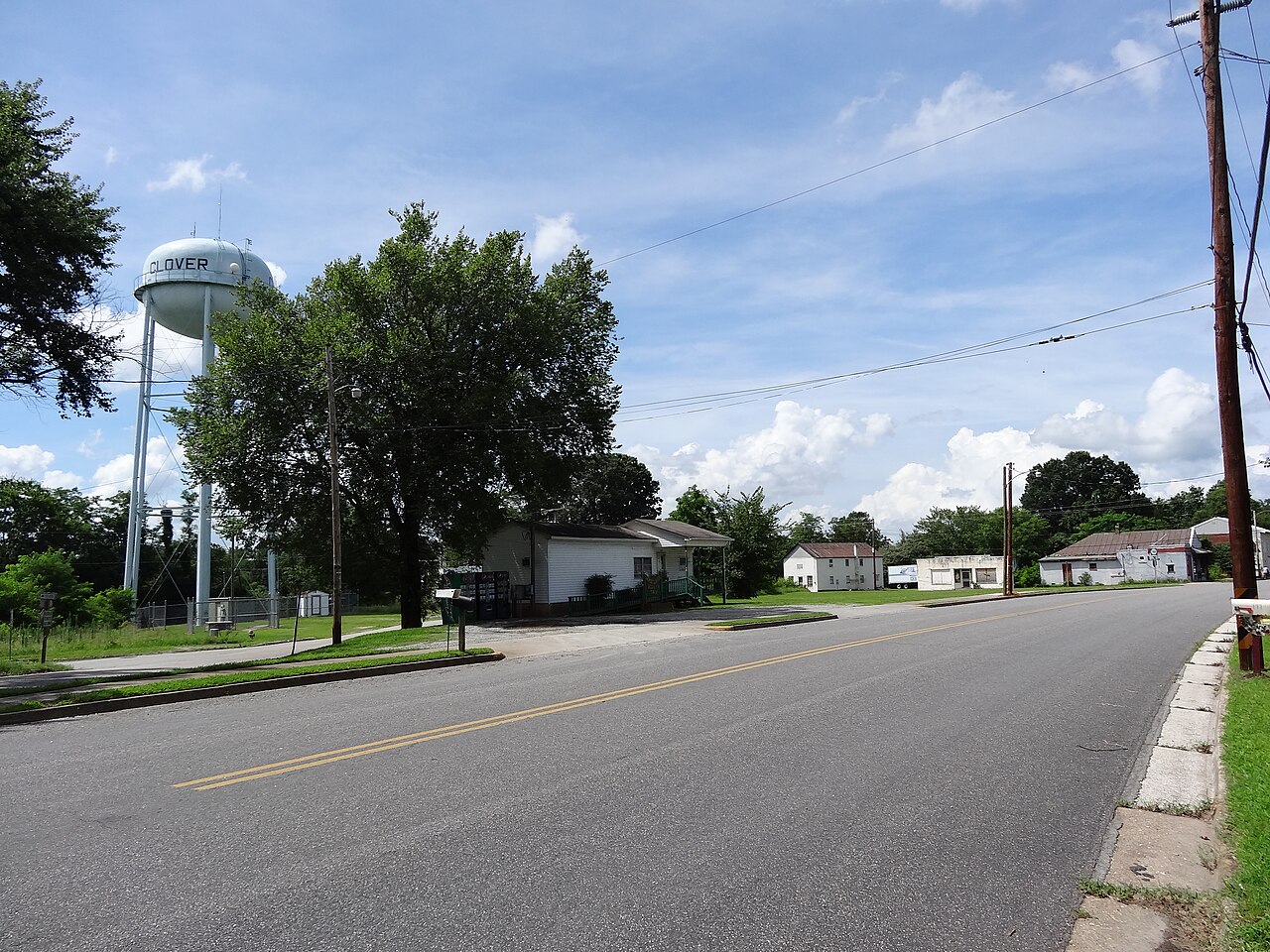
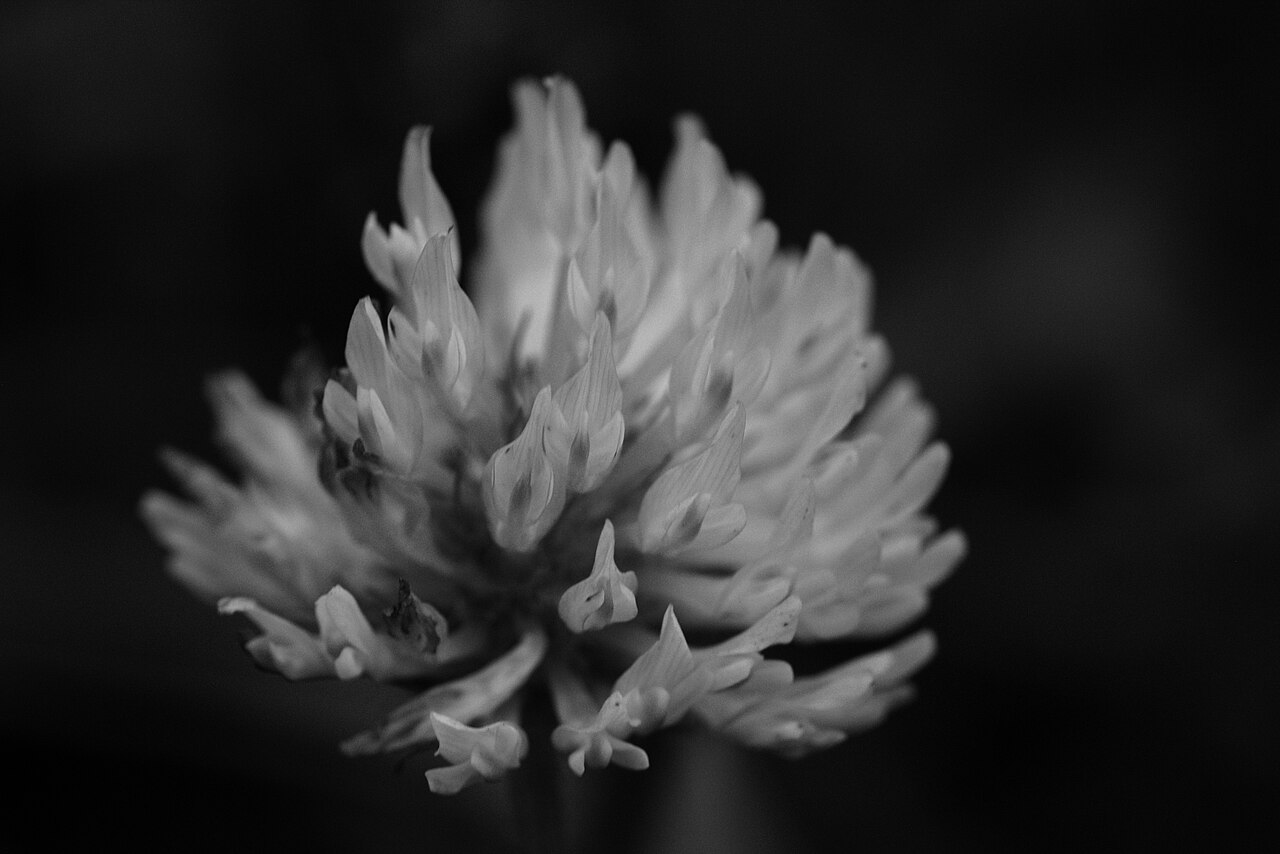
Clover (Trifolium) is a legume that fixes its own nitrogen, feeds bees, and covers ground — as a lawn alternative, a cover crop, and chicken forage, often all at once. Gardeners usually plant “clover” more than they plant a species, so this guide covers the genus, with the three types you will actually meet below.
The three types
White clover (Trifolium repens) is the perennial lawn clover. It creeps by stolons (above-ground runners), tolerates mowing, stays low, and fills in bare spots. It is the one for lawns, pathways, and living mulch. In Florida it needs water through summer to stay lush.
Red clover (Trifolium pratense) is taller and shorter-lived — a biennial or short-lived perennial grown for hay and cover cropping. It has its own guide: Red Clover: Growing Guide.
Crimson clover (Trifolium incarnatum) is the annual winter cover and the show-off: a spectacular spring bloom of deep red flowers that bees mob. It is a Florida favorite for winter cover — plant in fall, bloom in spring, then mow or till before it gets woody (or let it reseed).
Nitrogen fixation, honestly
Clover fixes atmospheric nitrogen through rhizobium bacteria living in nodules on its roots. Seed often comes pre-inoculated (pink-coated seed is inoculant); bare seed benefits from an inoculant dusting. One counterintuitive rule: don’t pile on nitrogen fertilizer. Added nitrogen makes clover lazy — it fixes less when nitrogen is handed to it. Let it do its own work.
Planting in Florida
- When: fall (October–November in North and Central Florida) for winter cover and lawn establishment. White clover lawns establish in fall and need water through summer.
- How: sow on bare soil, rake in lightly, and keep moist until established. Clover seed is small — shallow is right.
- Mowing: white clover tolerates mowing and stays tidy. Crimson needs no mowing — let it bloom for the bees, then mow or till.
- Sun: full sun to part shade. White clover tolerates some shade better than most lawn plants.
Uses
Living mulch under trees and in pathways — it covers soil, fixes nitrogen, and stays walkable. Chicken forage — chickens love clover, and it is good for them. Green manure — till it in before it gets woody and the next crop inherits the nitrogen. Bee forage — white clover honey is a classic light honey, and crimson bloom is a spring bee feast. Clover is also on the insectary list in our Cavalry tool: it attracts the tiny wasps that sterilize flea beetles, among other generalist predators.
Cautions
It spreads. White clover creeps by stolons — edge your beds if you want boundaries. Livestock bloat. Pure clover pasture gorged on wet can bloat ruminants — a real homestead caution, brief but serious: don’t turn hungry animals onto pure wet clover. Slippery paths. Clover pathways get slick when wet. Practical, not tragic, but worth knowing before you plant the main walkway in it.
For the tall hay type, see Red Clover: Growing Guide.
Saving seeds
First, a genus-level honesty note, because this guide covers clover as a group rather than one single species: the saving method below is the shared clover method, and it works across the common garden types — white clover, red clover, and crimson clover — with the differences between them flagged where they matter. If you are saving from one specific type, follow its quirks; if you are saving from a mixed lawn patch, keep your types separate and labelled, because a jar marked just “clover” is a mystery you will not enjoy solving next spring.
Timing is everything, and it is also the part most people get wrong. Clover seed is ready when the flower heads have faded, dried, and turned brown and papery on the plant — roughly a couple of weeks after bloom, though white clover ripens unevenly, so check heads daily once they start to brown. Harvest on a dry day, after the dew has lifted, by pinching or clipping the dried heads into a paper bag. Do not harvest green or damp heads and hope they will ripen in the bag: immature clover seed simply rots in storage, and damp seed is compost, not next year’s lawn. Spread the heads indoors in a well-ventilated spot for a week or so to finish drying, then rub or thresh them over a tray to release the tiny seeds — they are only a millimetre or two across, in shades of yellow, brown, or red — and winnow away the chaff.
Storage is where Florida gardeners need to be extra careful. Clover seed must stay dry, cool, and dark, and Florida humidity is its enemy: dry the seed thoroughly, then seal it in a labelled airtight jar with a desiccant packet. Sources disagree on exactly how long clover seed stays lively — some say a year or two, others stretch it to a few — so treat saved seed as a one-to-two-season proposition and run a simple germination test before you commit a whole bed to it: ten seeds on a damp paper towel, kept moist for a week, will tell you honestly whether your jar is still worth sowing. Sow thickly if the test is middling.
Will saved seed grow true? For the straight species types, largely yes, but with two caveats. First, red clover depends heavily on bees — bumblebees especially — for pollination, so a patch sprayed or mowed during bloom sets little viable seed; let a portion of the patch flower undisturbed and skip the insecticide if seed is your goal. Second, do not save seed from hybrid or specially bred micro-clovers sold for dense lawns: those will not come true from seed, and the seedlings will be a mixed bag. White clover, meanwhile, hardly needs your help at all — it spreads by creeping stolons as well as by seed, so a white clover lawn renews itself whether you collect seed or not. Save seed for red and crimson types you want to move to a new bed, let white clover do its own thing, and label every jar with type and year, because future you will not remember which brown dust is which.