
🌼 Coastalplain Palafox
What it looks like
How to recognize it
Coastalplain palafox is a Florida-and-southern-Georgia endemic, which is a fancy way of saying it grows almost nowhere else on Earth. In the wild you will find it in dry or scrubby flatwoods, coastal hammocks, and longleaf pine sandhills, frequently throughout central Florida and often showing up after fire, which it clearly enjoys. It is a long-lived perennial that dies back to its roots after the first frost and comes roaring back, and it self-sows freely, so a happy plant tends to make more of itself without asking permission.
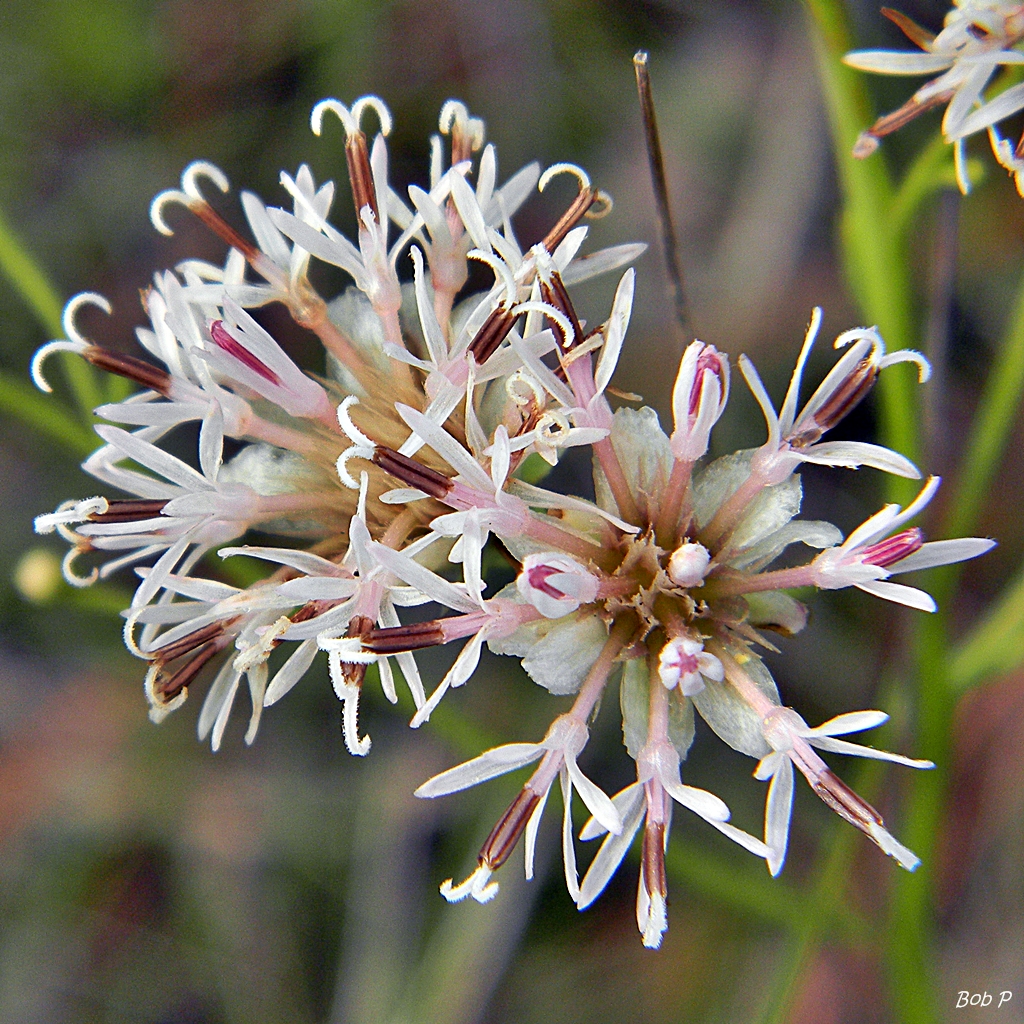
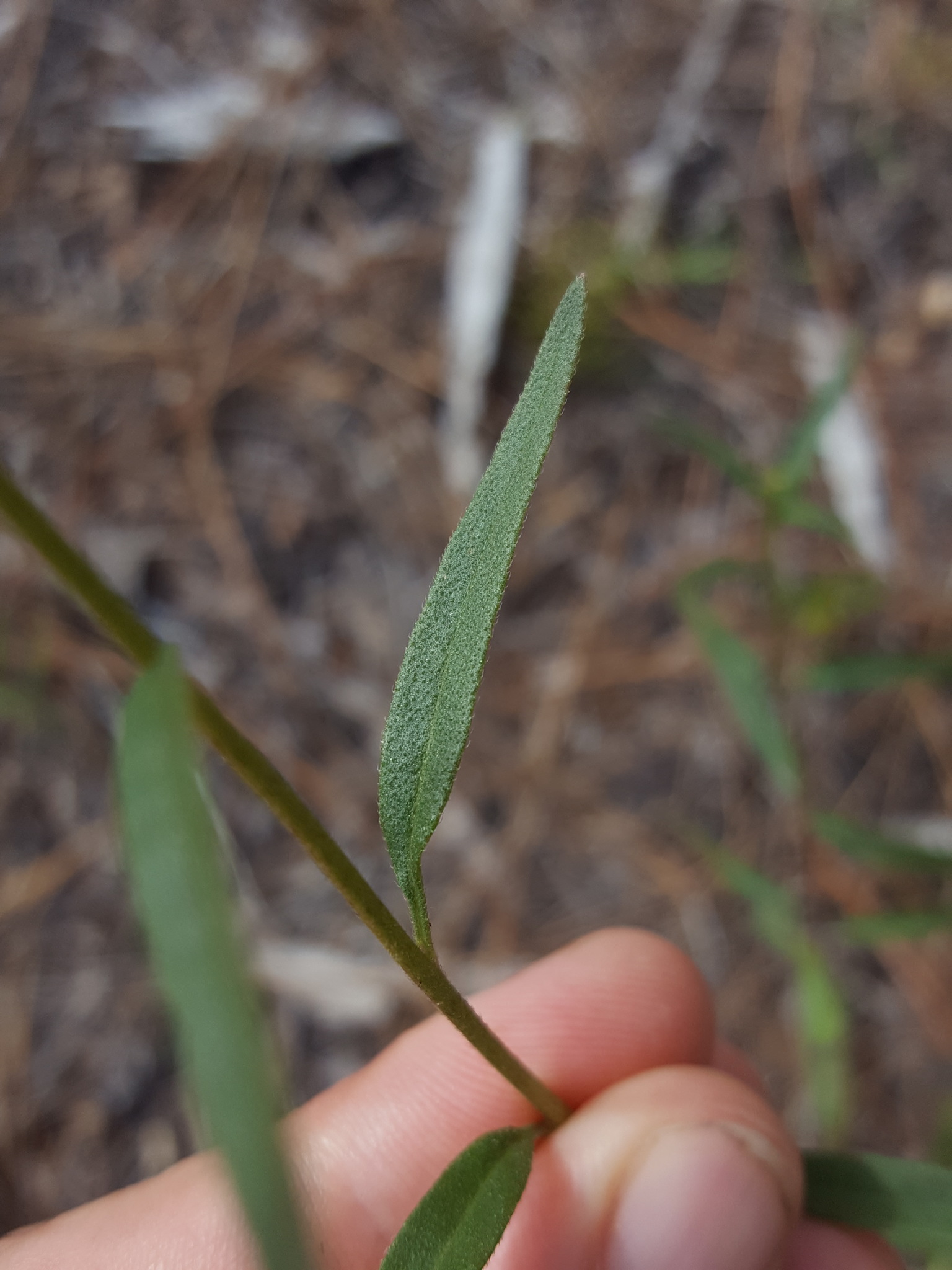
The plant runs 3 to 4 feet tall and 2 to 4 feet wide, with narrow stems that branch toward the top — older specimens carry multiple stems, and the whole thing can look a little leggy and windswept, because the stems are less woody than other palafoxes and prone to drooping. Leaves are glossy and alternate, longer and broader low on the stem and narrower toward the top. The flowers are the whole point: white to pink pincushion heads with long, curled rays, concentrated at the tops of the stems, blooming late summer into fall with a mid-fall peak. From a distance a blooming clump looks like someone set off small white fireworks in the sandhill.
How to grow it
Give palafox what its home ground gives it: full sun, deep sand, and drainage. It wants acidic to circum-neutral sandy soil, moisture that ranges from somewhat moist to short very dry periods, and absolutely no flooding. It is drought tolerant once going, and it does not need rich soil or heavy feeding — this is a sandhill plant, and it is happiest when you stop trying to improve its situation. Since it gets tall, plant it toward the rear of a wildflower garden, 2 to 3 feet apart, where its height reads as a backdrop instead of a blockade.
Propagation is by seed, and here is the catch: it is not readily available from nurseries, but it is said to be easy to grow from seed, so seed is how most gardeners will meet it. Sow in a sunny, sandy spot and let it self-sow after that. It dies back after frost, which is normal and not a reason to panic — the roots are fine, and it returns. One more boundary to respect: palafox has low to no tolerance for salt spray or salty inundation, so it is not a beachfront plant despite the coastalplain name. Keep it out of soggy ground and salty wind.
Water & feeding
Average to dry water suits it; do not keep it wet. It tolerates short dry spells without complaint, and overwatering in heavy soil is a faster way to lose it than drought is. No fertilizer program needed — a lean sandy soil is its native condition, and feeding mostly buys you floppy growth.
Wildlife value
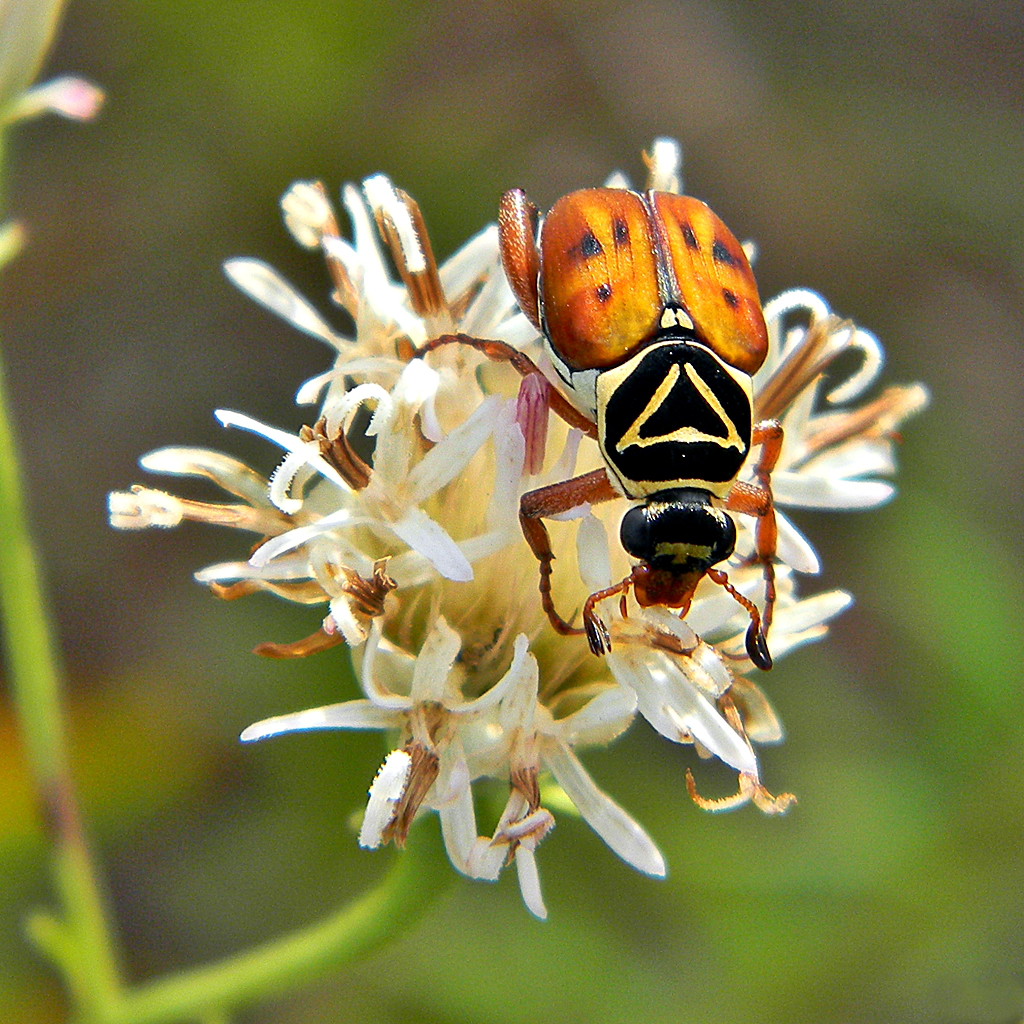
Palafox earns its place by blooming when pollinators are running low on options. Butterflies, hummingbirds, bees, wasps, moths, and scarab beetles all visit, including the delta flower scarab, a handsome orange-and-black beetle that is practically a palafox specialist in fall. The Florida Museum rates its nectar value a solid 3 out of 5, and in a fall garden it is an important nutrition stop for insects heading into the lean season. If you plant one thing for fall pollinators in sandy soil, this is a strong candidate.
Common problems
Drooping stems are the main complaint, and they are a feature, not a disease — the stems are simply less woody than other palafoxes. Planting it among sturdy neighbors or toward the back of a bed gives it something to lean on, visually if not literally. Winter dieback is normal. Failure to thrive usually traces back to wet feet, heavy soil, or salt exposure, all of which it hates. And if you cannot find it for sale, that is normal too — it is a seed-grown plant more than a nursery plant, which is part of why it is worth growing: an older NatureServe assessment lists it as globally vulnerable, so every garden clump is a small act of conservation.
Saving seeds
Coastalplain palafox is a plant worth saving seed from on purpose, not just by accident. This is a Florida-and-southern-Georgia endemic that grows almost nowhere else on Earth, and an older conservation assessment lists it as globally vulnerable — so every garden clump is, as this guide already says, a small act of conservation. That makes the first rule of palafox seed saving a conservation rule too: save from plants in your own garden, and never dig or strip wild plants to stock a seed jar. Garden-grown seed, honestly come by, is the whole point.
Collect in fall, after the white firework heads have finished blooming and dried to fluffy, papery seed heads. The seeds ride a tuft of fluff, like most of their sunflower-family cousins, so work on a calm day with a paper bag: slip the bag over the head, snip the stem, and shake. Spread what you collect thin on a tray indoors for a week or so to finish drying, then rub the heads gently to separate seed from chaff and pick out the obvious debris. Florida humidity is the enemy of this step — seed stored even slightly damp will mold in a closed jar — so dry it fully, then store it in a labeled, airtight container with a small desiccant packet, kept cool and dark. Sow the freshest seed first; older seed germinates more unevenly, and palafox is generous enough that you should rarely need to reach for an old jar.
To sow, press seed lightly into sandy, well-drained soil — about a quarter inch deep at most, since these seeds like a little light — and keep the soil evenly moist but never waterlogged; wet feet are this plant’s great enemy at every stage of life. Fall sowing lets the seed sit through winter the way it would in a flatwood, while spring sowing in warm soil is the other reliable route. Sources disagree on whether a cold period helps germination, which is a polite way of saying different gardeners succeed with different methods, so if one timing gives you patchy results, try the other before blaming the seed. Expect sprouts in roughly one to two weeks in warm, moist soil, and give seedlings room — two to three feet apart — because a happy palafox gets tall and likes to lean on sturdy neighbors.
Seedlings generally grow true to the species, which is easy to promise here because coastalplain palafox has no formally recognized varieties for a seedling to fail to match — it is itself, in all its lanky, late-blooming glory, with the usual individual variation in height and flower shade. If you also grow its close relative Feay’s palafox nearby, keep your seed lots labeled by mother plant rather than by memory, just in case. And leave a few heads uncollected on purpose: palafox self-sows freely, and a patch that is allowed to drop some of its own seed will quietly restock itself every year, which is the laziest and most reliable seed-saving method of all.
Relatives, not varieties
Coastalplain palafox has no formally recognized varieties — the Flora of North America treatment recognizes no infraspecific taxa for it. Its closest Florida relative is Feay’s palafox (Palafoxia feayi), another Florida endemic of the central peninsula scrubs, beautiful but harder to grow and even less available. And the genus itself is named for José de Palafox, a Spanish general from the Peninsular War — which makes this the rare garden plant named after a soldier rather than a botanist. It also answers to many-wings, which is a much better name for a flower that looks like a firework.