
🌿 Compacta Marjoram
What it looks like
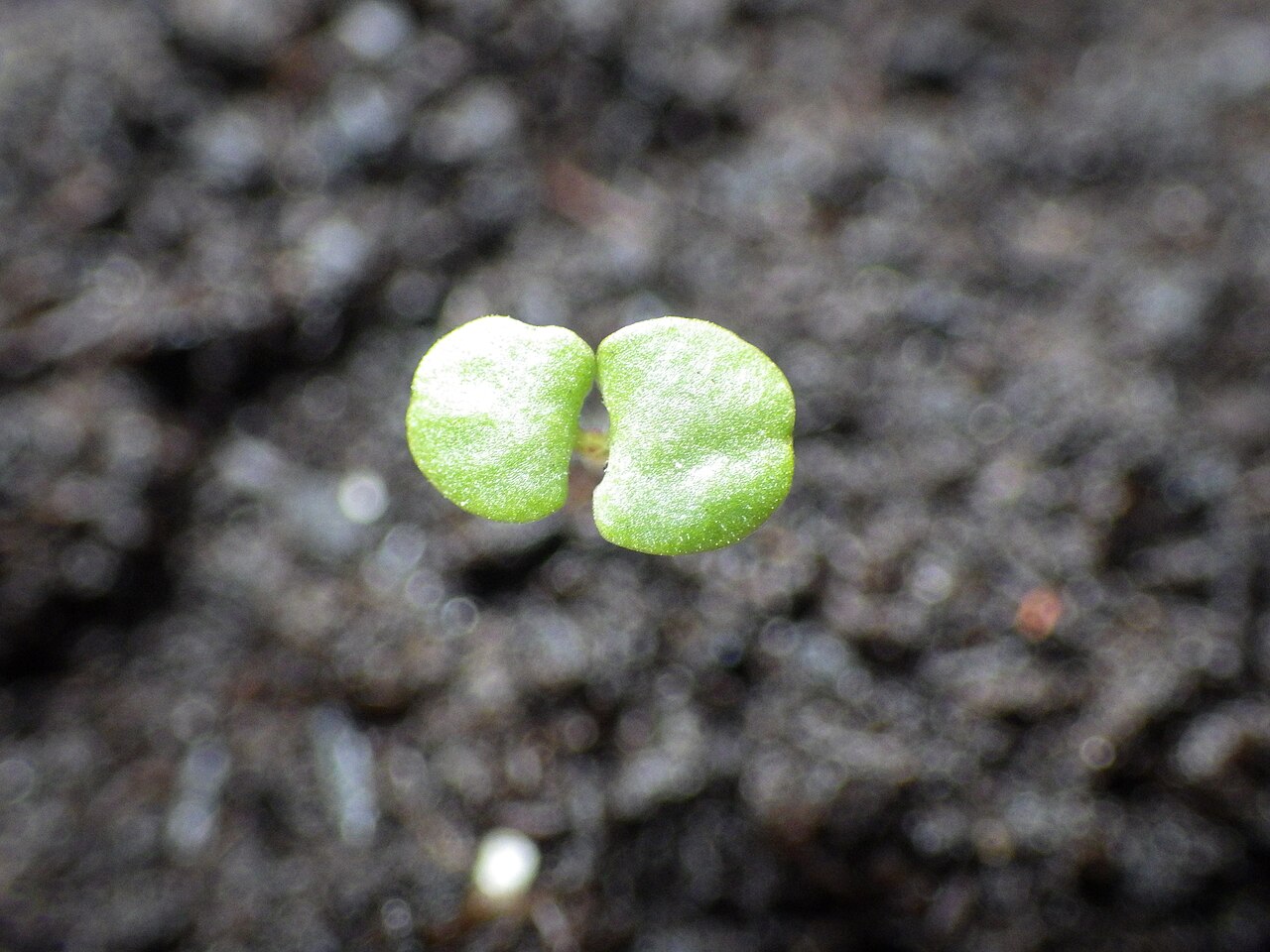

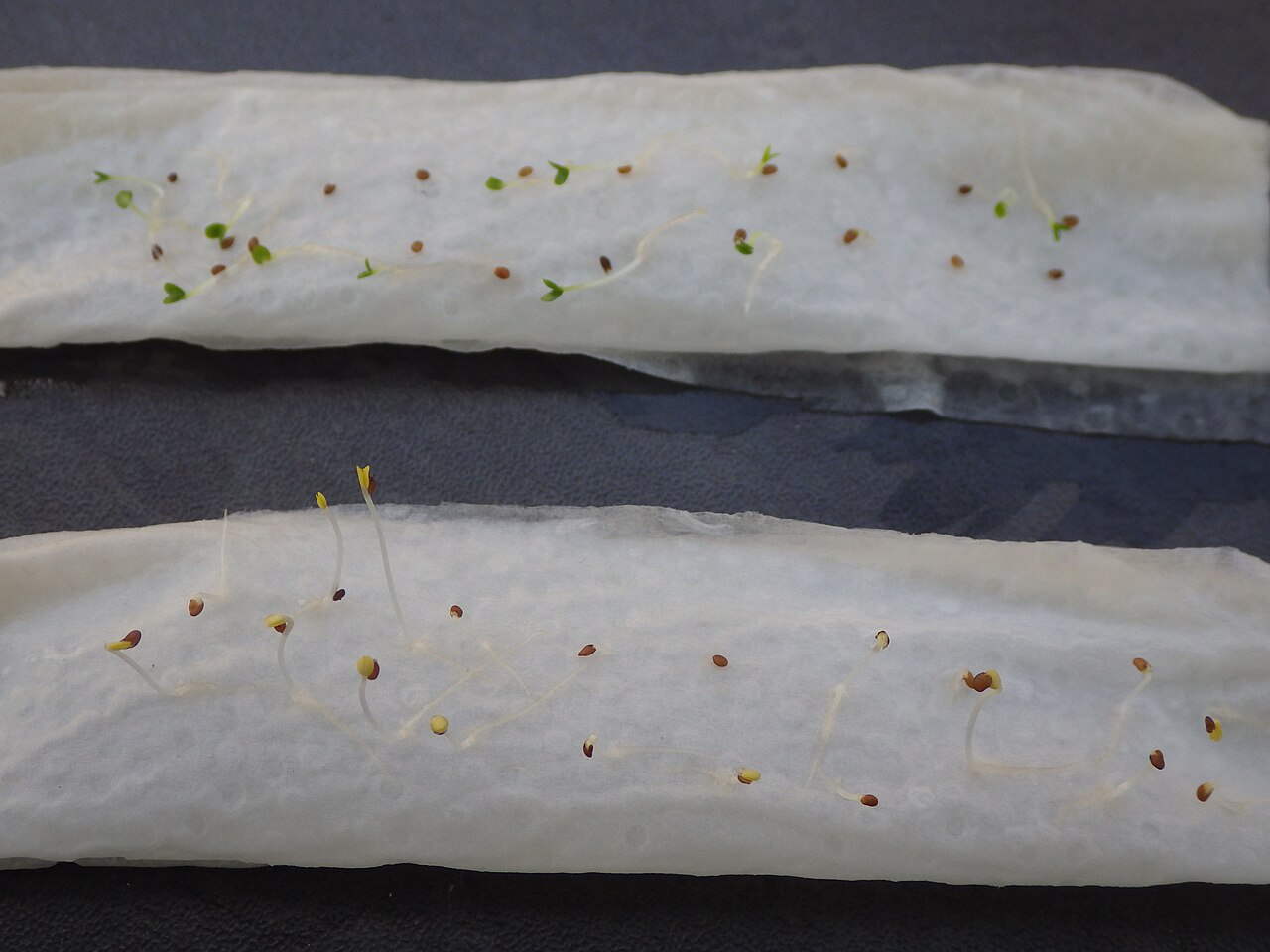
Why this variety
Compacta is sweet marjoram bred down to fit the gardens most people actually have: a dwarf, dense, bushy form of Origanum majorana with the same sweet, mild, floral flavor — the marjoram of Mediterranean and Middle Eastern cooking, for sausages, stuffings, soups, and tomato dishes — in a plant that stays tidy instead of sprawling. Standard sweet marjoram is already small, but Compacta is smaller and denser, which makes it the marjoram for pots, window boxes, path edges, and the front of a herb bed, where a sprawling herb would swallow its neighbors. For a cook with a small garden and a big herb habit, Compacta is the marjoram that fits.
The trade-off is the same as all sweet marjoram: it is tender, it wants full sun and sharp drainage, and it will not survive a hard winter outdoors outside zones 9-11 — grow it as an annual elsewhere, or pot it and bring it in. Do not overwater it or plant it in rich, wet soil; marjoram, like oregano, comes from the Mediterranean and wants lean, drained soil, with flavor best before the small white flowers bloom in summer. Pinch it regularly to keep it bushy and to delay flowering, and harvest by snipping stems — the more you cut, the more it branches, which is the herb gardener’s favorite kind of math.
If you are new to choosing between cultivars, the Varieties Matter guide explains why the name after the plant matters as much as the plant itself. Compacta is a perfect example: it is not just a marjoram in the abstract, it is a marjoram with a specific job, a specific history, and specific strengths.
Florida honesty: Compacta grows statewide in Florida — a perennial in South and Central Florida (zones 9-11) and a warm-season annual in North Florida, where a hard freeze will finish it. It loves Florida’s sun and tolerates its heat better than many Mediterranean herbs, provided its soil drains, and it is an excellent pot herb for a sunny patio or kitchen step. In the Panhandle, grow it in a pot you can move under cover on freeze nights, or treat it as an annual and start fresh each spring. Either way, it is a marjoram that earns its place by being both useful and well-behaved, which is rarer than it sounds.
How to grow
Plant in spring in full sun and sharply drained, lean soil — marjoram is a Mediterranean herb that rots in wet, rich soil faster than it starves in poor soil. Work a little worm castings into the bed at planting, space 9-12 inches apart, and pinch regularly to keep plants bushy and delay flowering, because flavor is best before bloom. Harvest by snipping stems all season; the more you cut, the more it branches.
Set plants 9-12 inches apart in soil with a pH around 6.0-7.5. Work worm castings into the bed at planting and mulch to hold moisture. A well-fed marjoram plant rewards that care directly: steadier growth, better bloom or fruit, and a show that actually shows up.
Water & feeding
Water to establish, then water sparingly — marjoram is drought-tolerant once established and rots in wet soil, so overwatering is the mistake to avoid. Water at the soil line, do not mulch heavily, and feed lightly: castings at planting is usually enough, because rich soil makes leggy marjoram with diluted flavor. Lean soil, sun, and drainage make the most fragrant leaves.
Common problems
- Root rot in wet soil — the marjoram killer; plant in sharp drainage, do not overwater, and never plant where rain ponds.
- Freeze damage — sweet marjoram is tender outside zones 9-11; pot it and move it under cover, or grow it as an annual.
- Leggy growth without pinching — unpinched marjoram stretches and flowers early; pinch regularly for bushy plants and better flavor.
- Flavor loss after flowering — leaves taste best before bloom; harvest heavily before flowers open, and cut back flowering stems for a fresh flush.
- Confusion with oregano — oregano (Origanum vulgare) is bolder and peppery; sweet marjoram is milder and floral, and substituting one for the other changes the dish.
Harvest
Harvest leaves all season, from 60-70 days after planting — snip stems in the morning, before flowering, when flavor is best, and use fresh in soups, sausages, stuffings, and tomato dishes, or dry leaves flat in a warm, airy spot for winter cooking. Do not strip a plant bare: take a third at a time and let it branch, and cut back flowering stems for a fresh flush of leaves. A pot of Compacta or Variegata by the kitchen door is a cook’s best friend, and the more you snip, the more it gives.
Browse all plant & pest guides
Saving seeds
Compacta is a dwarf sweet marjoram, and marjoram varieties are open-pollinated — saved seed comes true, as long as it doesn’t cross with oregano or other marjorams nearby. The full method is in the Saving seeds section of the Marjoram guide.