
🍒 Cornelian Cherry
What it looks like
How to grow
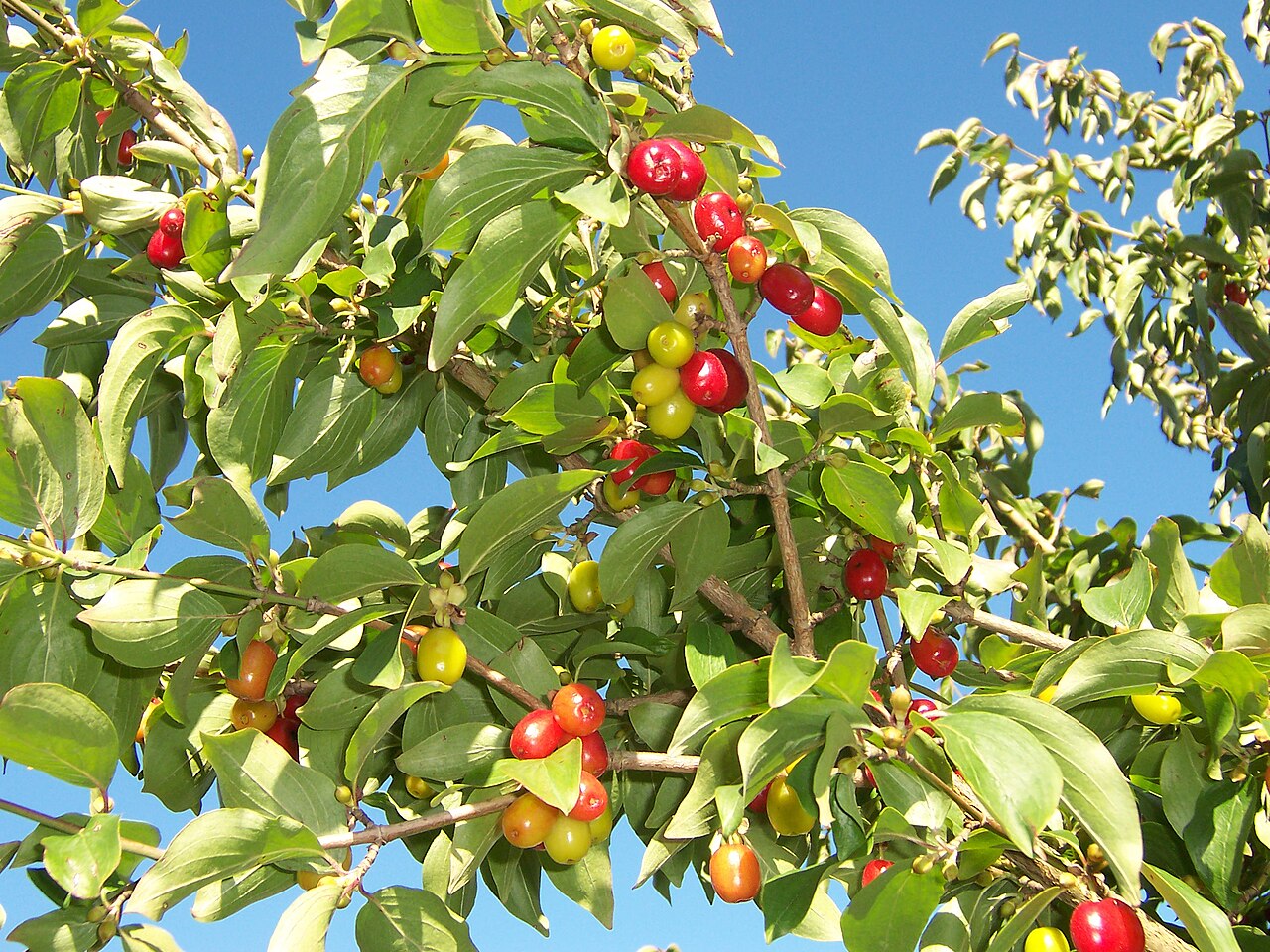
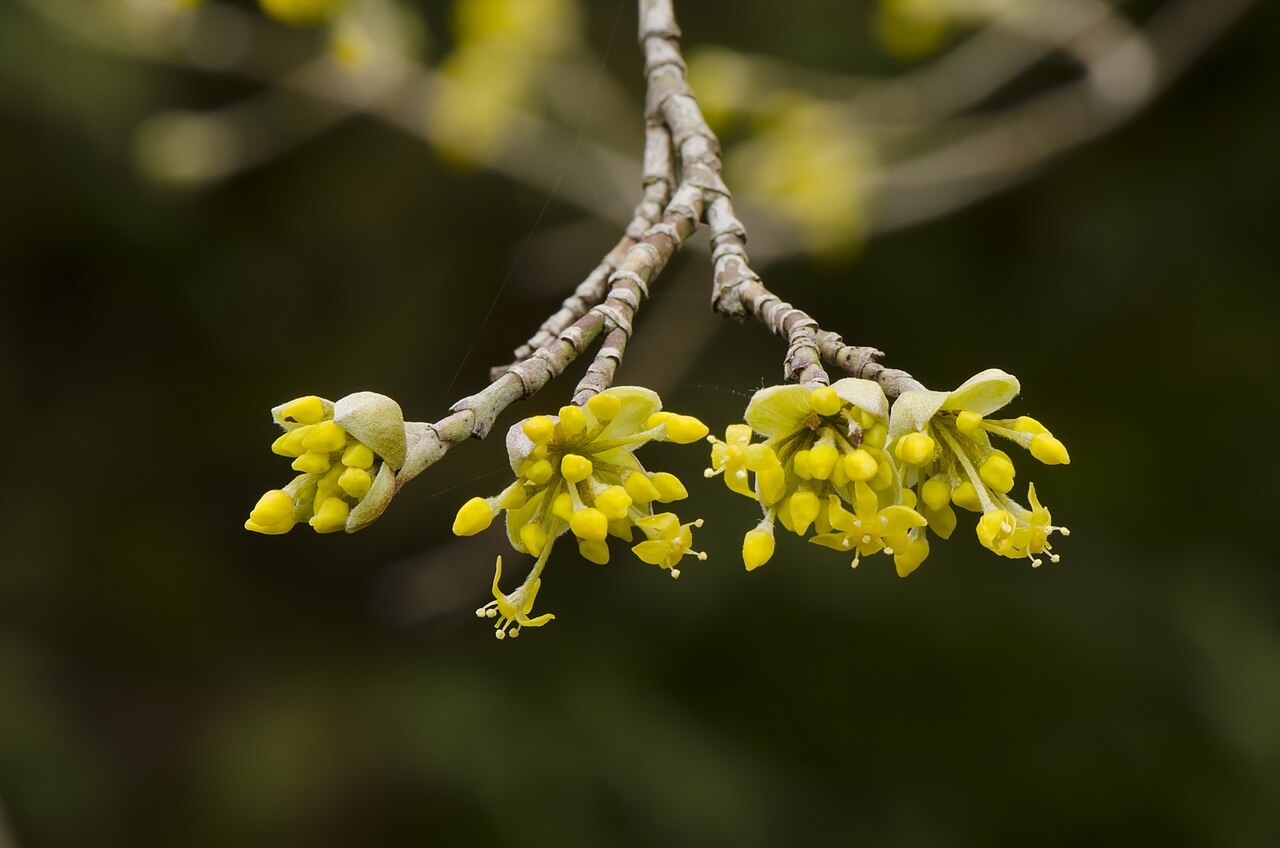
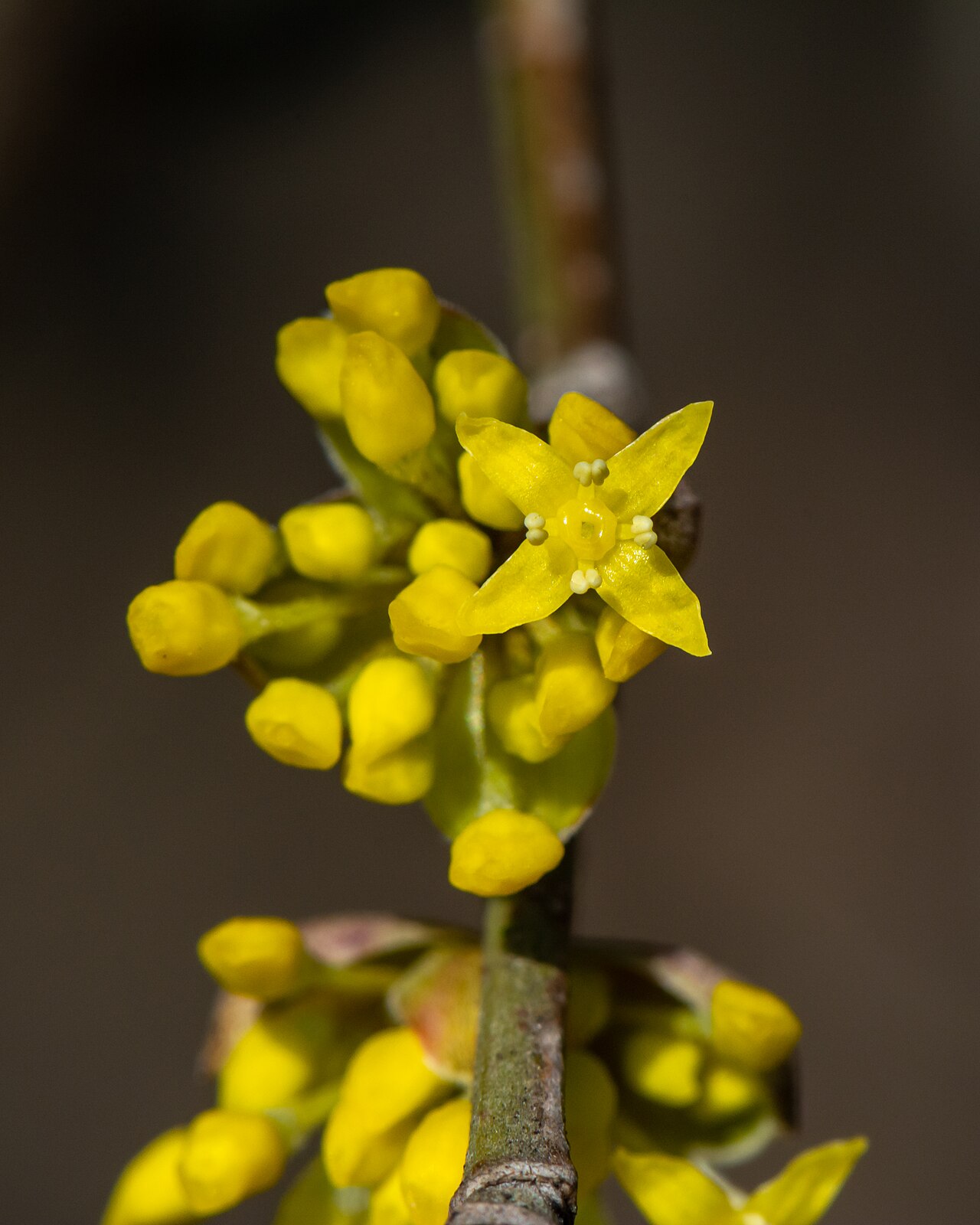
Cornelian cherry is a dogwood that forgot to be merely ornamental: it opens small yellow flowers in late winter, before most trees leaf out, then bears oblong, tart red fruit in late summer that makes superb jam, syrup, and liqueur. It is a small, long-lived tree or large shrub, 15-25 feet tall, tolerant of shade, clay, and city conditions, and hardy to zone 4. Plant in full sun for the heaviest fruit, in well-drained soil, and be patient — seedlings take years to fruit, while grafted varieties fruit sooner and more reliably. It is largely self-fertile, but a second tree improves crops. Prune lightly in summer after fruiting to keep an open shape; it needs little else.
Water & feeding
Water while young and in drought; established cornelian cherry tolerates dry spells better than flowering dogwood. Mulch to hold moisture. Feed lightly in spring with compost; it is not a heavy feeder.
Common problems
- Slow to fruit — seedlings can take many years; buy a grafted, named variety if you want fruit soon.
- Dogwood anthracnose and borers in stressed trees — keep trees watered and avoid bark wounds.
- Birds — net if you want the crop; birds strip ripe fruit fast.
- Fruit drop in drought — water while fruit swells.
Harvest
Pick when fruit turns fully dark red and softens; it is tart raw, like a sour cherry crossed with a cranberry. Cook into jam, jelly, and syrup, or steep in spirits. Fully ripe fruit softens on the tree and drops, so check often and pick over several days.
Browse all plant & pest guides
Saving seeds
Cornelian cherry teaches patience the way only a dogwood can: it gives you a beautiful, tart, cherry-like fruit, and then hides its seed behind a dormancy so stubborn that gardeners have been grumbling about it for generations. The fruit is not a true cherry at all — it is a dogwood, Cornus mas — and the seed inside is a hard stone, not a soft pit. Start by waiting until the fruit is fully ripe, dark red and soft to the touch, usually in late summer. Unripe fruit gives unripe seed, and no amount of stratification will fix a stone that was never finished.
Cleaning is not optional, and it is the step most people skip. The fruit flesh contains substances that inhibit germination, so the stone must be completely freed from pulp. Squash the ripe fruit, pick out the stones, and wash them thoroughly until no flesh remains — a short soak and a good rub in a sieve does the job. Do not dry the stones bone-dry and forget them; fresh seed sown promptly outdoors in fall, in a cold frame or sheltered seedbed, is the traditional route, because it gets the long, cold, damp winter it expects. If storing seed instead, dry it only enough to handle, then keep it cool and dry airtight until stratifying — but stored seed is harder to wake than fresh, and the longer it sits, the more stubborn it gets.
Stratification is where the sources start arguing with each other, so here is the honest version: stored cornelian cherry seed needs months of moist cold, around three to four months in the refrigerator in damp sand, vermiculite, or peat, and many growers find a warm, moist period before that cold spell — or a careful nick in the hard coat, called scarification — improves results further. Some growers even run a double cycle, warm then cold then warm again, which tells you everything about how deep this dormancy runs. Even after all that, germination is famously strung out: some stones sprout the first spring, others wait until the second, and reports of stored seed taking eighteen months or more are not exaggerations. Sow in a deep pot or seedbed, keep it moist but not soggy, label it clearly, and then — this is the hard part — leave it alone and keep watering a pot that appears to contain nothing but soil. Prick seedlings out into individual pots once they are big enough to handle, and grow them on sheltered for their first winter.
Seedlings will not reliably reproduce a named cultivar, so if you fell in love with a particular variety’s fruit size or flavour, propagate that plant by cuttings or layering instead — half-ripe cuttings in summer and hardwood cuttings in autumn both root well, and layering a low branch takes most of a season but is nearly foolproof. Seed-grown plants are a lucky dip: good trees, but variable in fruit, taking several years to flower and fruit — a project for someone who enjoys the long game. One Florida reality check: cornelian cherry expects a genuine winter chill to break dormancy and to thrive, which makes it a poor bet across most of Florida even before the seed question arises. For Florida growers, the refrigerator stratification route is the only honest way to try, and even then, treat it as an experiment, not a plan. Stored dry seed keeps for a couple of years cool, dry, and airtight, but fresh seed sown in fall remains the method the tree itself would vote for.
Varieties
Every named variety of Cornelian Cherry with its own growing guide:
- Pioneer Cornelian Cherry — The fruit-first Cornelian cherry: large, early, sweet-tart red fruit on a dogwood that blooms before winter has quite left.
- Redstone Cornelian Cherry — A heavy-cropping Cornelian cherry with large, dark red fruit: the preserves-maker's pick for a reliable harvest.