
💜 Corydalis
What it looks like
Corydalis is a genus of more than 400 species in the poppy family (Papaveraceae), and if you have never heard of it, your shade garden has been missing out. Most species are woodland or rock-garden perennials from the temperate Northern Hemisphere, with more than 300 species native to China alone, and they share a look that is instantly recognizable once you know it: finely divided, fern-like foliage in soft blue-green, and flowers that dangle from upright or arching stems like little spurred tubes, in colors that run from clear yellow through rose and purple to a blue so vivid it looks photoshopped. Corydalis is related to the bleeding hearts (Dicentra), and the family resemblance shows in the flower shape — the same dangling, heart-like architecture, miniaturized and multiplied into long racemes.
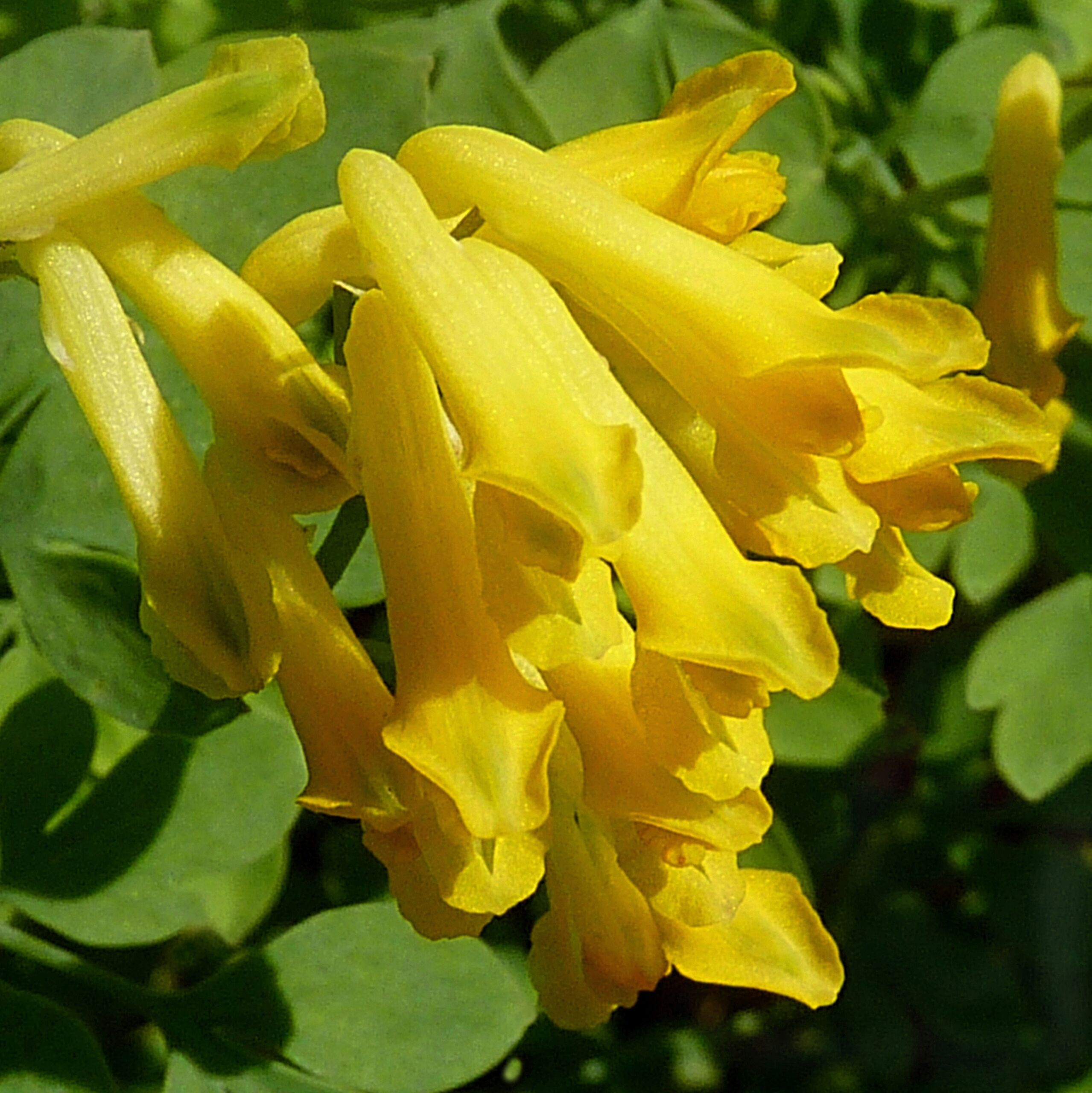
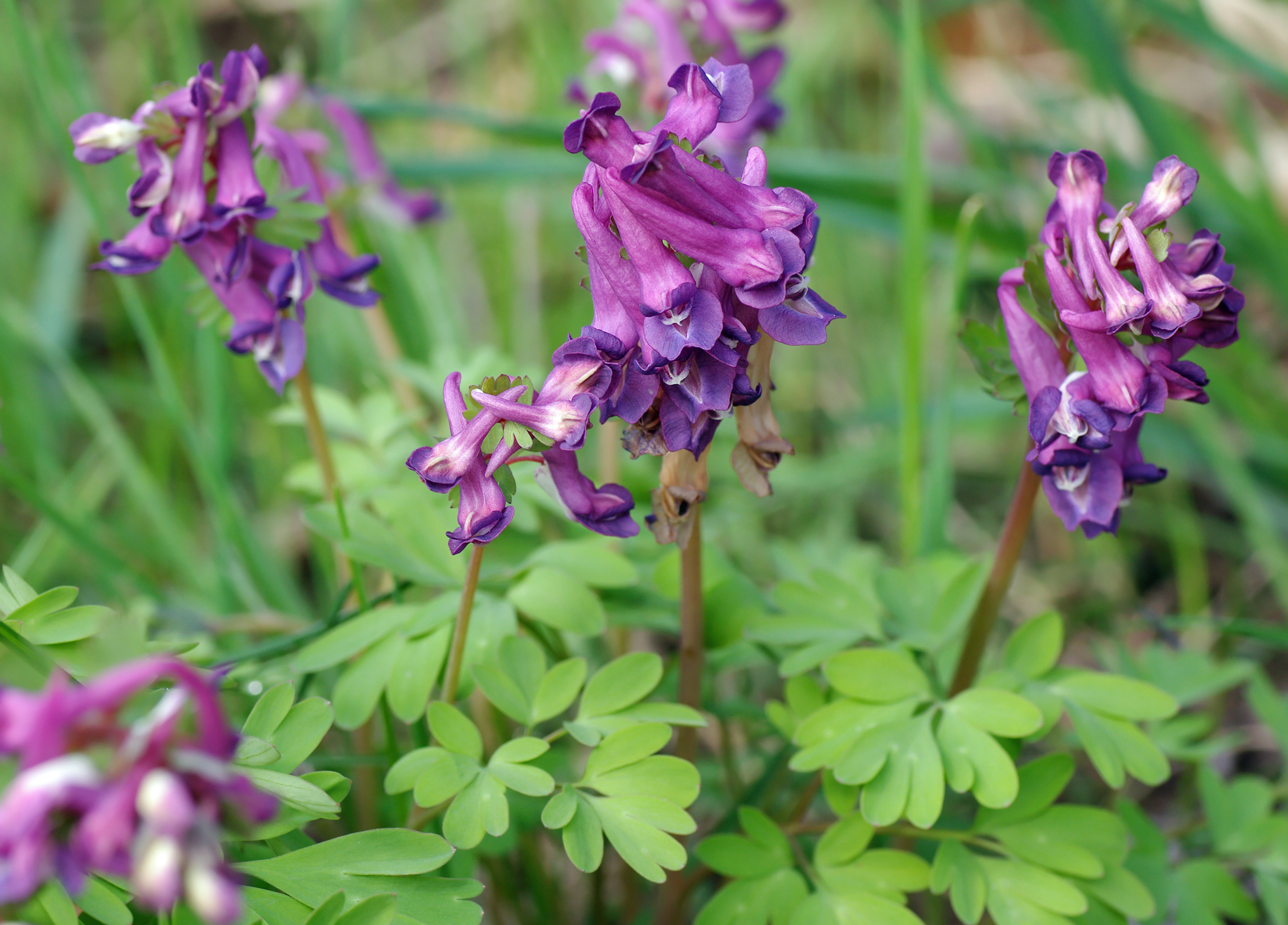
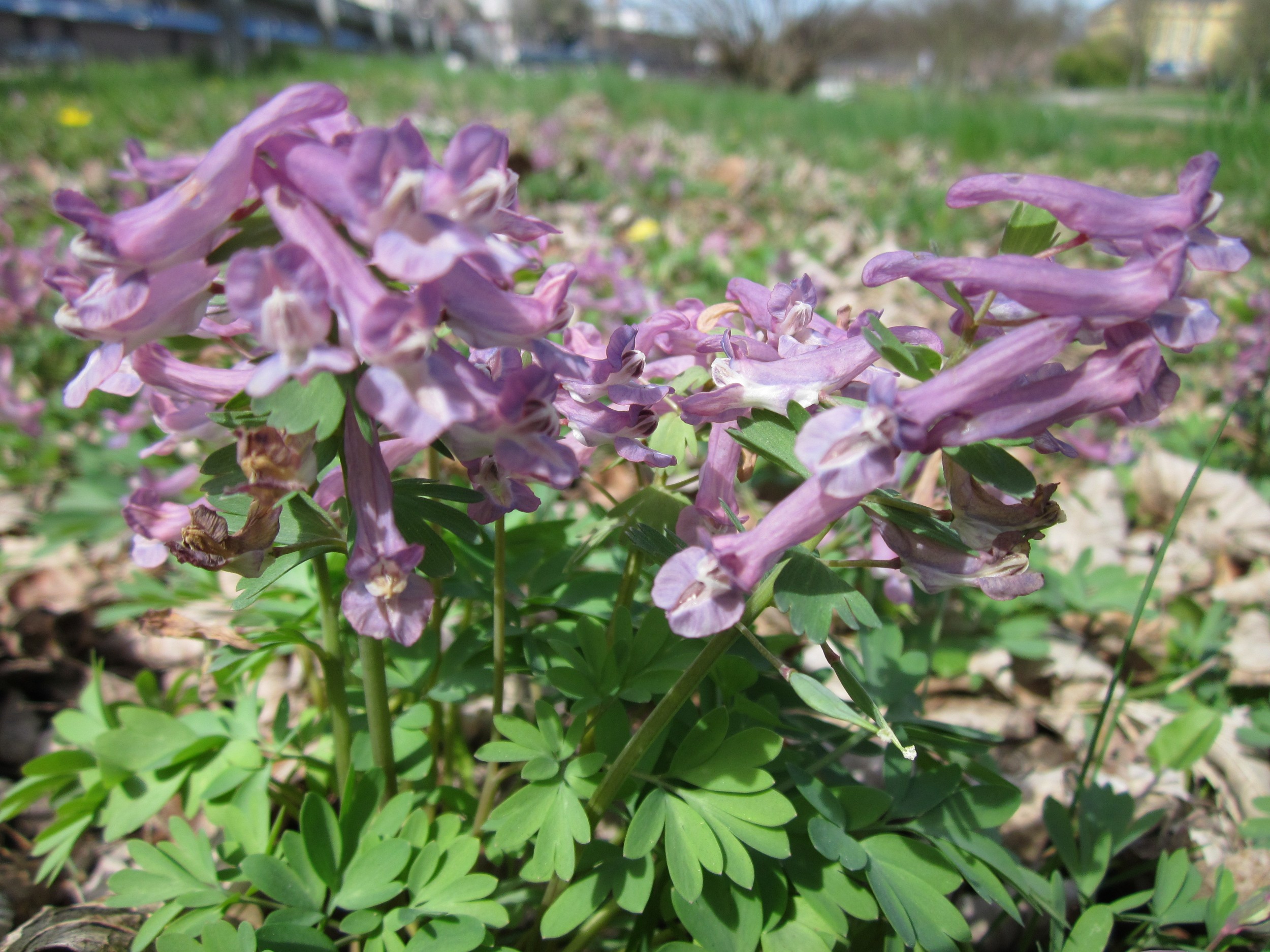
The flowers are the whole point. Each one is a small, tubular, two-lipped bloom with a spur at the back — the nectar spur that gives the genus its name — carried in a raceme that can hold dozens of flowers at once. Yellow corydalis carries golden-yellow flowers about three-quarters of an inch long over a very long season, blue corydalis carries flowers of an almost neon blue, and fumewort carries dense racemes of purplish-red flowers in early spring. The foliage is finely cut, almost lacy, and often glaucous, with a blue-green cast that looks cool even in the heat of a summer shade garden. Plants are generally modest in size, around 10 to 16 inches tall depending on species, forming loose mounds or clumps that spread gently by rhizomes or by self-seeding, and many species have tuberous or rhizomatous roots that store energy underground.
One habit surprises new growers and must be understood before buying: many corydalis species go summer-dormant. After flowering, the foliage yellows and dies back, and the plant disappears below ground until the following spring. This is not death. It is the plant’s strategy for surviving hot, dry summers in its native habitats, and it is the reason corydalis pairs so well with ferns, hostas, and other shade plants that fill the same space in summer. Plant it where you will not dig it up by accident in August, mark its spot, and let it rest. For butterflies, corydalis is a host plant in the strictest Latin sense: the clodius parnassian and Eversmann’s parnassian are the two butterfly guides that list Corydalis as a host plant, and in both cases the mention is by Latin name only, which is fitting for a genus whose garden fame has always been a little quiet and Latinate.
Florida note: Corydalis is a cool-climate shade plant, and Florida’s heat is its enemy. Most species do not tolerate heat well, and the summer dormancy that is a tidy trick in a temperate garden becomes a survival problem in a subtropical one. This is a plant for gardeners with cool summers and shady woodland soil; Florida gardeners should admire it in photographs and plant native shade lovers instead.
How to grow
Give corydalis what a woodland floor gives it: part to full shade, consistently moist but well-drained soil rich in humus, and cool roots. Morning sun with afternoon shade suits many species; deep shade is fine for some, but flowering will be lighter. The soil must drain — corydalis hates wet feet in winter and, crucially, hates being hot and wet while dormant in summer — but it must also hold moisture, so work in leaf mold, compost, or other organic matter before planting. A gravelly or gritty component in the mix helps the drainage that tuberous species in particular demand. Plant tubers and rhizomes in autumn or early spring, setting them just below the surface, and space plants about a foot apart so the mounds can knit together without crowding.
Zones vary by species, roughly zones 5 to 8 across the genus, and this is a genus where buying the right species for your zone matters more than buying the genus in general. Yellow corydalis is hardy to about zone 5 and is the most forgiving species for beginners; blue corydalis is hardy to zones 5 to 8 depending on the source, but is fussier about summer heat and drainage; fumewort is a spring ephemeral for cooler gardens. Check the species, not just the genus, before you order, and be suspicious of any listing that promises corydalis for a hot climate without naming the species. Seed can be sown fresh when ripe — many species self-seed freely where they are happy, and yellow corydalis in particular will colonize cracks in paths and walls with cheerful disregard for your garden plan. That self-seeding is a feature in a woodland garden and a nuisance in a formal one, so deadhead if you want to keep it in bounds.
The summer dormancy rule deserves its own paragraph because it is where most corydalis are killed by kindness. When the foliage dies back in summer, stop watering that spot. The dormant tubers and rhizomes are waiting out the heat, and water at that moment invites the crown rot that is the genus’s great enemy, especially in the blue-flowered group. Mark the planting, plant summer companions over or beside it, and do not dig there. Come autumn or spring, the plant returns as if nothing happened, which, from its point of view, is exactly what happened.
Water & feeding
Water corydalis consistently while it is in growth — spring through early summer, when it is leafing out and flowering — keeping the soil moist but never waterlogged. Then, when it goes dormant, back off sharply. This two-season rhythm is the whole watering program: generous in growth, dry in dormancy. In a woodland bed with leaf litter and shade, natural rainfall is often enough in the growing season, and supplemental watering is mainly for new plantings and dry springs. Container-grown corydalis needs the same rhythm, with excellent drainage and a pot that does not sit in a saucer of water.
Feeding is light. A top-dressing of leaf mold or compost in autumn, or a scattering of balanced fertilizer in early spring as growth starts, is plenty. Corydalis is not a hungry plant, and heavy feeding produces soft growth that slugs love and that rots more easily in a wet summer. The plant’s real food is the humus in its soil, and a woodland mulch of fallen leaves, left in place rather than tidied away, feeds it better than any bagged product. Keep mulch off the crown itself, especially for tuberous species, where a wet mulch collar in summer is an invitation to rot.
Common problems
- Crown and root rot in summer dormancy: The number one killer, especially for blue corydalis and its relatives. Hot, wet soil while the plant is dormant rots the crown and tubers. Prevention is drainage, gravel in the planting mix, and no summer watering of dormant plants. Once rot sets in, there is rarely a rescue.
- Heat: Most corydalis do not tolerate heat well. In hot-summer climates the plants go dormant early, flower poorly, or fail outright. This is a climate mismatch, not a care failure, and the honest fix is a different plant for a hot garden.
- Slugs and snails: The soft, ferny foliage is slug food, and a wet spring can defoliate young plants. Hand-picking, beer traps, and keeping the bed free of slug shelter near the crowns are the usual defenses; the plants generally regrow from their roots if the damage is caught early.
- Aphids: Aphids colonize flower stems and young growth in spring. A strong jet of water or a wait for ladybirds usually suffices; heavy infestations on a prized plant can be treated with insecticidal soap, but check for butterfly caterpillars first — this is a host-plant genus, after all.
- Mildew and rust: Downy mildew, powdery mildew, and rust are all recorded on corydalis, particularly in humid, poorly ventilated sites. Space plants for air movement, water at the base, and remove affected foliage promptly.
- Disappearing act: New growers routinely assume a dormant corydalis is dead and dig it up or replant the spot. Mark plantings, pair with summer companions, and trust the cycle. If you must know whether it survived, wait until the following spring before declaring it gone.
- Self-seeding: Yellow corydalis self-seeds with enthusiasm, including into paths, walls, and containers. Deadhead after flowering if you want to limit it, or let it wander in a woodland setting where its seedlings are welcome.
Harvest
Corydalis is not a food or medicine plant for the home garden, and this guide does not recommend harvesting it for either purpose. Some species have a history of use in traditional medicine, and the genus contains alkaloids — the same family of compounds that makes its poppy relatives pharmacologically interesting and, in the wrong hands, dangerous. The harvest of corydalis is visual: cut a few stems for a small spring arrangement if you like, though the flowers are delicate and short-lived indoors, and the real reward is the plant itself, returning each spring to a shady corner. The practical harvest is seed: collect seed fresh when the pods ripen and sow it immediately, because corydalis seed loses viability quickly in storage, and fresh seed is how the genus spreads itself in the wild. Divide clumps in autumn when they become congested, replanting divisions promptly and keeping them moist until established, and never divide a dormant plant in midsummer unless you enjoy gambling with rot.
Saving seeds
A note before anything else, because it belongs at the top of any corydalis advice: these plants contain alkaloids and are toxic if eaten. This section is about growing more of them, not tasting them. Wash your hands after handling seed pods, keep seed away from children and pets, and admire corydalis with your eyes, which is what its spurred flowers are for.
Now the real corydalis lesson, which is that this genus does not believe in seed banking. Corydalis seed is short-lived and loses viability fast once it dries out, so the usual advice — dry it, jar it, sow it next year — is exactly backwards here. The winning move is to sow fresh seed, ideally the same day you collect it, and to treat any seed you receive in the post as a perishable parcel, not a packet to file away. There is also a rival collector you have to beat: each seed carries a small, fatty appendage called an elaiosome, a packed lunch that ants find irresistible. Ants carry the seeds off to their nests, eat the appendage, and dump the seed somewhere it may or may not germinate — a brilliant dispersal strategy for the plant, and a maddening one for a gardener trying to collect a full pod. The pods themselves split explosively when ripe, so the window between “nearly ready” and “gone” can be a day or two.
Watch the pods daily once flowering ends. When they are plump and just starting to yellow or split, cut the whole stem into a paper bag before the ants and the explosion get there first. Open the pods over a tray, pick out the small, dark seeds, and sow them at once: surface-sow or barely cover them in a moist, humus-rich, well-drained mix, because many corydalis seeds need light to germinate and all of them hate drying out. Keep the tray cool and evenly moist, out of hot sun, and be patient in a specific way — germination is often slow and irregular, taking one to three months in cool conditions, and some seed will simply wait until the following spring. If you must hold seed for a short while, a warm period followed by a cold spell in the refrigerator can help stored seed wake up, but treat that as damage control, not as good as fresh. Seedlings are delicate in their first year, often making only a single leaf, and they are very prone to damping off, so sow thinly, water gently, and leave them undisturbed in their pot for a full first year before pricking them out when dormant.
Seedlings from open-pollinated plants are variable, and corydalis species can hybridise where several kinds grow together, so seed is for increasing your stock and for pleasant surprises, not for exact copies. If you need a plant identical to its parent, divide an established clump or its tubers while dormant — spring-flowering kinds after flowering, summer kinds in spring — and replant immediately, since tubers and roots must never be allowed to shrivel dry. The genus-level method described here fits most corydalis, but individual species differ in timing and hardiness, so check the species guide for its own quirks. In Florida, add one more honest note: most corydalis are cool-climate woodlanders that sulk in sustained heat and humidity, so seed-saving here is mainly for gardeners with a cool, shaded, well-drained microclimate, or for a cool greenhouse — and even then, fresh seed sown at once, kept moist and shaded, is the only approach with a fighting chance.
Species in this group
Corydalis is a large genus, and the species below are the ones gardeners actually grow and the ones this guide’s sources name. They are listed in plain text, with the habits and hardiness the sources give, because choosing the right species matters more here than in most genera.
- Corydalis lutea (yellow corydalis, yellow fumitory): The most commonly grown species in the United States, and the most forgiving. Golden-yellow flowers about three-quarters of an inch long, carried over a very long season from May onward, on mounds of blue-green ferny foliage. Hardy to about zones 5 to 7, self-seeds freely, and tolerates alkaline soil. Taxonomy note: modern references often reclassify this species as Pseudofumaria lutea, and you will meet both names in nurseries and books; they refer to the same plant.
- Corydalis flexuosa (blue corydalis): The blue-flowered star of the genus, rhizomatous, with flowers of an almost neon blue. Hardy to zones 5 to 8 in some listings and 6 to 8 in others, and the fussiest of the common species about summer heat and drainage — it goes summer-dormant and is notorious for crown rot if kept hot and wet while dormant. The cultivar Blue Panda, with brilliant blue flowers on mounds about 8 inches tall, is the best-known named selection.
- Corydalis solida (fumewort): A tuberous spring ephemeral, about 10 inches tall, with dense racemes of purplish-red flowers in early spring, before most of the garden wakes up. Hardy in cooler gardens (one source lists zones 6 to 7, with a question mark, so treat that range as approximate). Goes dormant after flowering and wants a dry summer rest.
- Corydalis cava (hollowroot): A tuberous species, about 8 inches tall, with dense racemes of rosy-purple or white flowers in spring and summer. A classic woodland plant for cool, humus-rich shade, and like its relatives, dormant in summer.
- Corydalis intermedia: A smaller woodland species, occasionally listed among the garden-worthy corydalis, with the genus’s characteristic spurred flowers and finely cut foliage. Less widely grown than the species above, and worth seeking from specialist alpine and woodland nurseries rather than general garden centers.