
🟡 Cossack Pineapple Ground Cherry
What it looks like

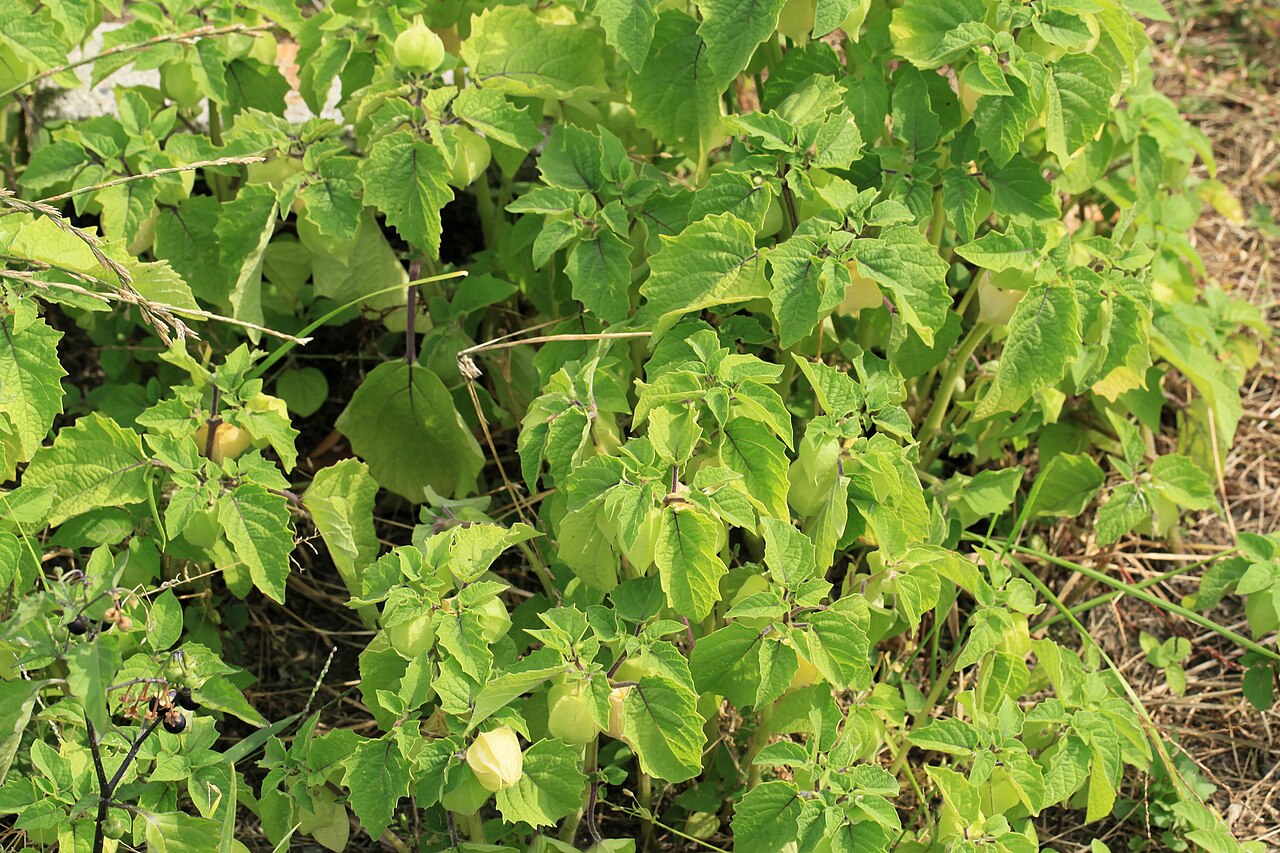
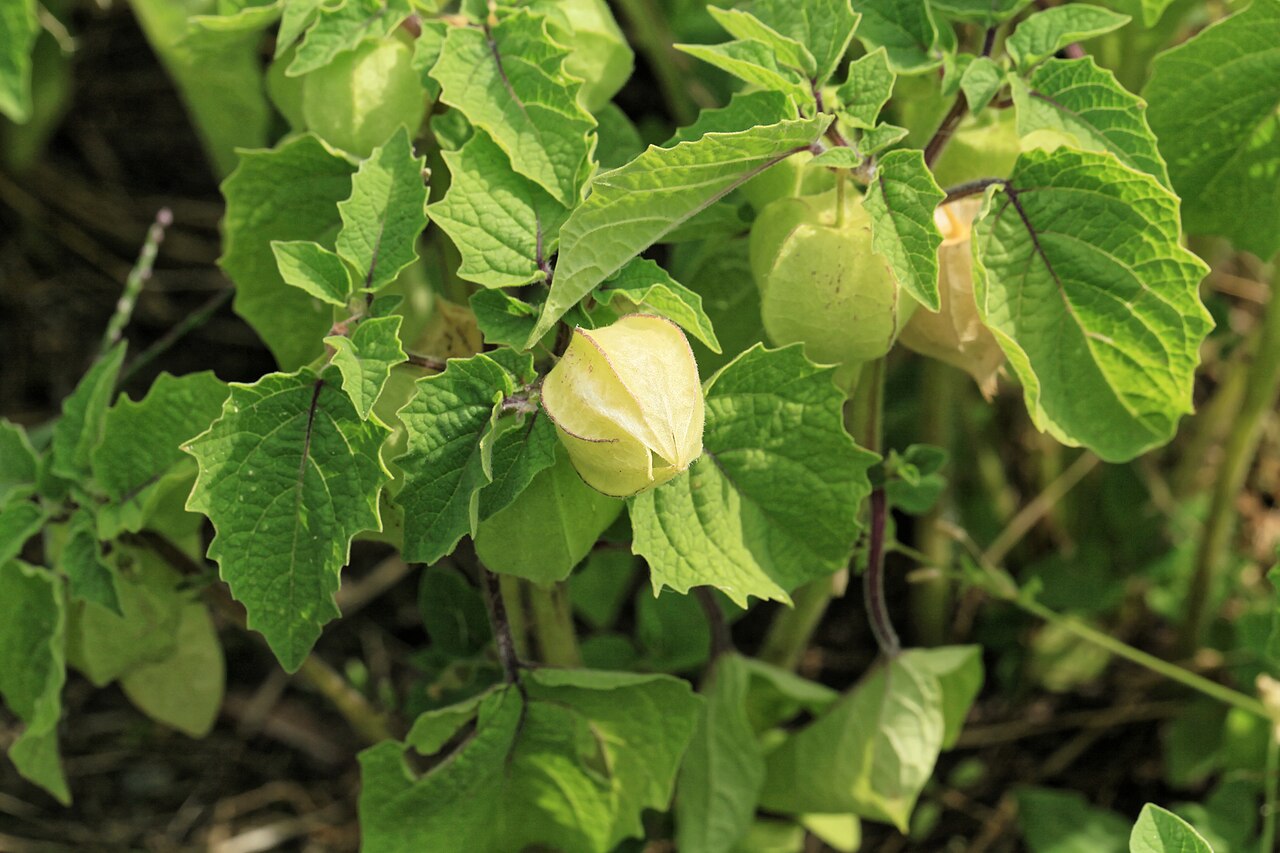
Why this variety
Cossack Pineapple is the ground cherry for flavor-chasers. It produces petite fruit with a bright, unmistakable pineapple note — more pineapple than Aunt Molly’s, more perfumed than Goldie — on compact, prolific plants. Grower comparisons consistently rank it among the best-tasting ground cherries, even when it loses on yield and fruit size, which tells you exactly what kind of variety this is: the one you grow for eating fresh, not for filling the freezer.
The plant is compact and productive, and it is described as heat-tolerant for a ground cherry, which matters in Florida, where a variety that keeps setting fruit into warm weather is worth more than a variety that quits at the first hot spell. The fruit is smaller than Goldie’s and more variable in size, so this is not the jam-maker’s pick — it is the snacker’s pick, the variety whose fruit rarely makes it indoors.
How to grow
Here is the honest Florida part first: ground cherry is a Florida-friendly annual, full stop. Sow it for spring and again for fall, give it sun and drainage, and it will drop its husked fruit all over the bed — which is the harvest method, not a mess to apologize for. Summer humidity brings leaf diseases, so successions and airflow matter more here than they do in drier climates.
Grow as for other ground cherries: start indoors 6–8 weeks ahead or direct-sow in warm soil, transplant into full sun and well-drained soil, space 2–3 feet apart, and allow sprawl or light caging. In Florida, Cossack Pineapple’s heat tolerance makes it a better midsummer candidate than most ground cherries, but airflow and mulch still matter — humidity, not heat alone, is what invites leaf disease.
Water & feeding
Water about an inch a week at soil level, feed lightly with castings, and mulch. Because the fruit is small, drought shows up fast as dropped, underfilled husks, so do not let plants go thirsty while fruiting. A light side-dress when plants start setting heavily keeps production going without pushing excessive leaf growth.
Common problems
- Flea beetles, whiteflies, and aphids as usual; bacterial wilt and nematodes in Florida sand, handled by rotation away from other nightshades.
- Toxicity rule unchanged: only fully ripe, golden fruit.
- Cossack Pineapple’s small fruit also means more husks per cup, so harvest into a bucket and husk at a table, not bent over the bed — your back will thank you.
Harvest
Harvest fallen husks daily, eat fresh the same day for the best pineapple flavor, or refrigerate in the husk for a week or two. This variety is at its peak eaten out of hand, warm from the garden, which is a sentence that explains why so few Cossack Pineapple harvests ever reach a recipe.
Browse all plant & pest guides
Saving seeds
Cossack Pineapple is a ground cherry grown from seed, and ground cherries come true from seed — save seed from your best fruit and let it dry fully before storing. The full method is in the Saving seeds section of the Ground Cherry guide.