
🌿 Costmary
What it looks like
How to grow
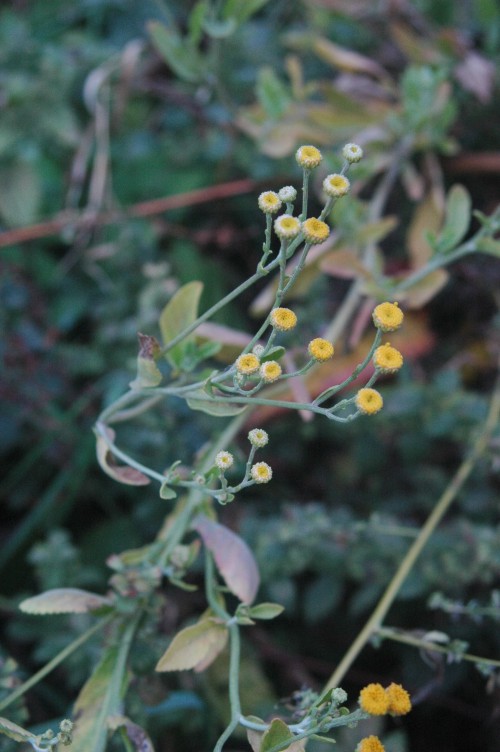
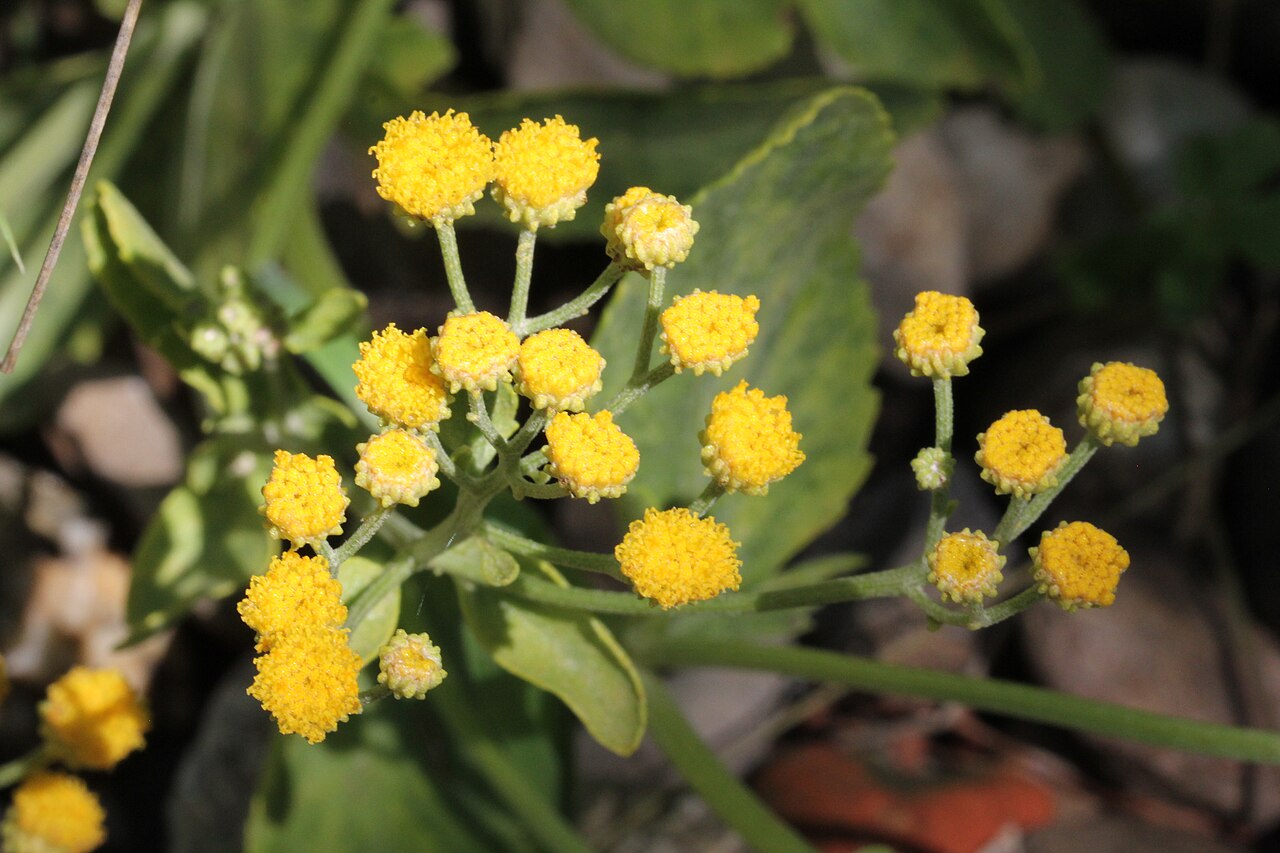
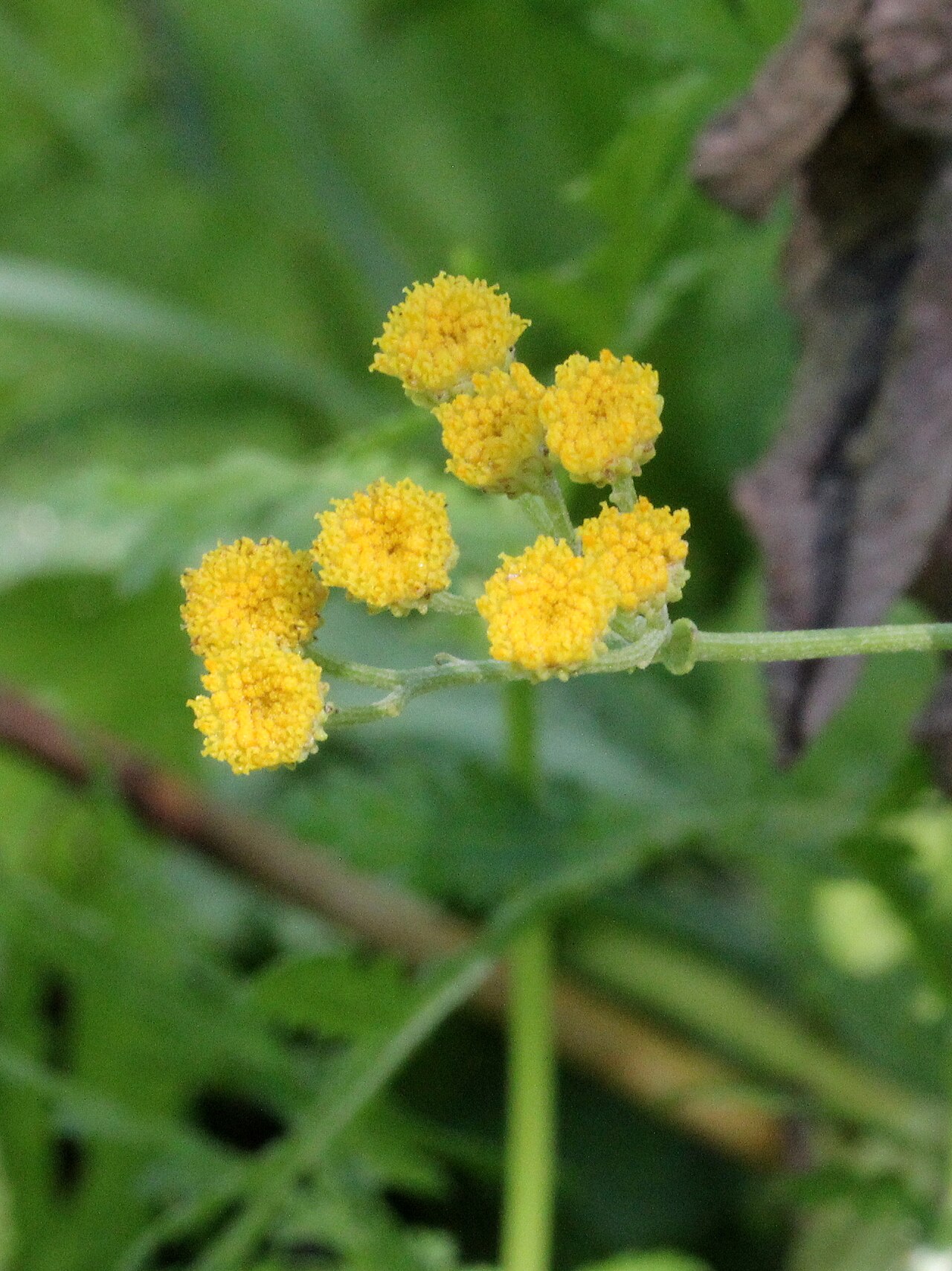
Costmary is a sturdy perennial, 2-3 feet tall, with large, softly serrated, mint-and-balsam-scented leaves and small yellow button flowers in late summer. It was once called Bible leaf because its long, fragrant leaves were used as bookmarks in church — and, less piously, to keep worshippers awake during long sermons. Start from divisions in spring or fall, or from cuttings; seed is unreliable. Plant in full sun to part shade in well-drained, average soil, and give it room to run: costmary spreads by rhizomes into a generous clump, though it is far better behaved than its cousin common tansy, which is a noxious weed banned in several states and should not be planted — do not confuse the two, and do not accept tansy as a substitute. In hot climates, afternoon shade keeps the leaves from scorching.
Water & feeding
Water regularly until established, then about an inch a week; costmary tolerates short dry spells but looks best with steady moisture. Feed lightly with compost in spring — rich fertilizer makes floppy, oversized leaves. Mulch to hold moisture, and cut back after flowering to keep the clump tidy and to discourage seeding.
Common problems
- Spreading by runners — divide every few years, and pull runners that stray into paths or neighboring beds.
- Flopping in shade or rich soil — grow in sun and leaner soil, and cut back by a third after the first flush.
- Powdery mildew in humid, crowded beds — space for airflow and water at the base.
- Confusion with common tansy — costmary’s leaves are large, soft, and mint-scented; tansy’s are finely divided and harsh-smelling. If a seller cannot tell them apart, do not buy it.
Harvest
Snip leaves as needed through the season, taking outer leaves first, and cut flowering stems in late summer if you want to dry them — hang small bunches in a dark, airy spot. Fresh leaves are traditionally used to scent salads, teas, and baked goods in small amounts, and dried leaves keep their fragrance for sachets and potpourri. This guide sticks to growing and culinary scent: costmary has traditional herbal uses, but it is not a plant to dose from a garden blog, so keep it in the kitchen and the linen drawer. Divide the clump every 3-4 years to keep it vigorous.
Browse all plant & pest guides
Propagation
Costmary is the rare garden plant where the honest seed-saving advice is: do not build your plans around seed at all. This section is a propagation note instead of a seed-saving section for exactly that reason. First, the warning that comes before any method: costmary spreads by underground rhizomes and will quietly widen its clump year by year, crowding neighbours if you give it the chance. Site it where it has room, or be ready to divide it — which, conveniently, is also how you make more of it.
Division is the method that actually works, and it is also routine maintenance. Every two to three years, in spring or autumn, lift a mature clump with a fork, pull or cut the rhizomes apart so each piece carries roots and shoots, and replant at the same depth it was growing. Large divisions can go straight into their permanent spot; small pieces do better potted up and grown on in light shade until they are clearly growing away, then planted out in summer or the following spring. Every division is a clone, so it is identical to the parent — no surprises, no lottery, just more costmary. The centre of an old clump often dies out, so dividing is not optional tidiness; it is how the plant stays vigorous.
Cuttings are the second reliable route. In late spring, take basal shoots when they are roughly 8 to 10 centimetres tall, harvesting each with a good piece of underground stem attached, and pot them in light shade in a cold frame or greenhouse until they root well. Semi-hardwood stem cuttings in summer are also reported as workable. Keep cuttings moist but never soggy — costmary likes a sunny, well-drained spot and resents wet feet, and in Florida’s wet summers that drainage matters more than anything else. A clump sitting in soggy soil will rot long before it roots anything.
What about seed, since someone will ask? Costmary seldom sets much seed, and what seed there is has a reputation for being extremely difficult to germinate — some experienced growers describe growing it from seed as next to impossible. If you do obtain seed, the most defensible attempt is to sow it in a cold frame in early spring, prick seedlings out into individual pots when large enough to handle, and grow them on under cover for their first winter before planting out after the last frost. Some guidance mentions a cold period before sowing, but sources disagree on the details, so do not treat any single recipe as gospel. Expect poor results, keep your expectations low, and let division do the real work. A friend with an established clump and a spade is worth more than a whole packet of costmary seed.