
🍃 Creeping Fig
What it looks like
How to grow
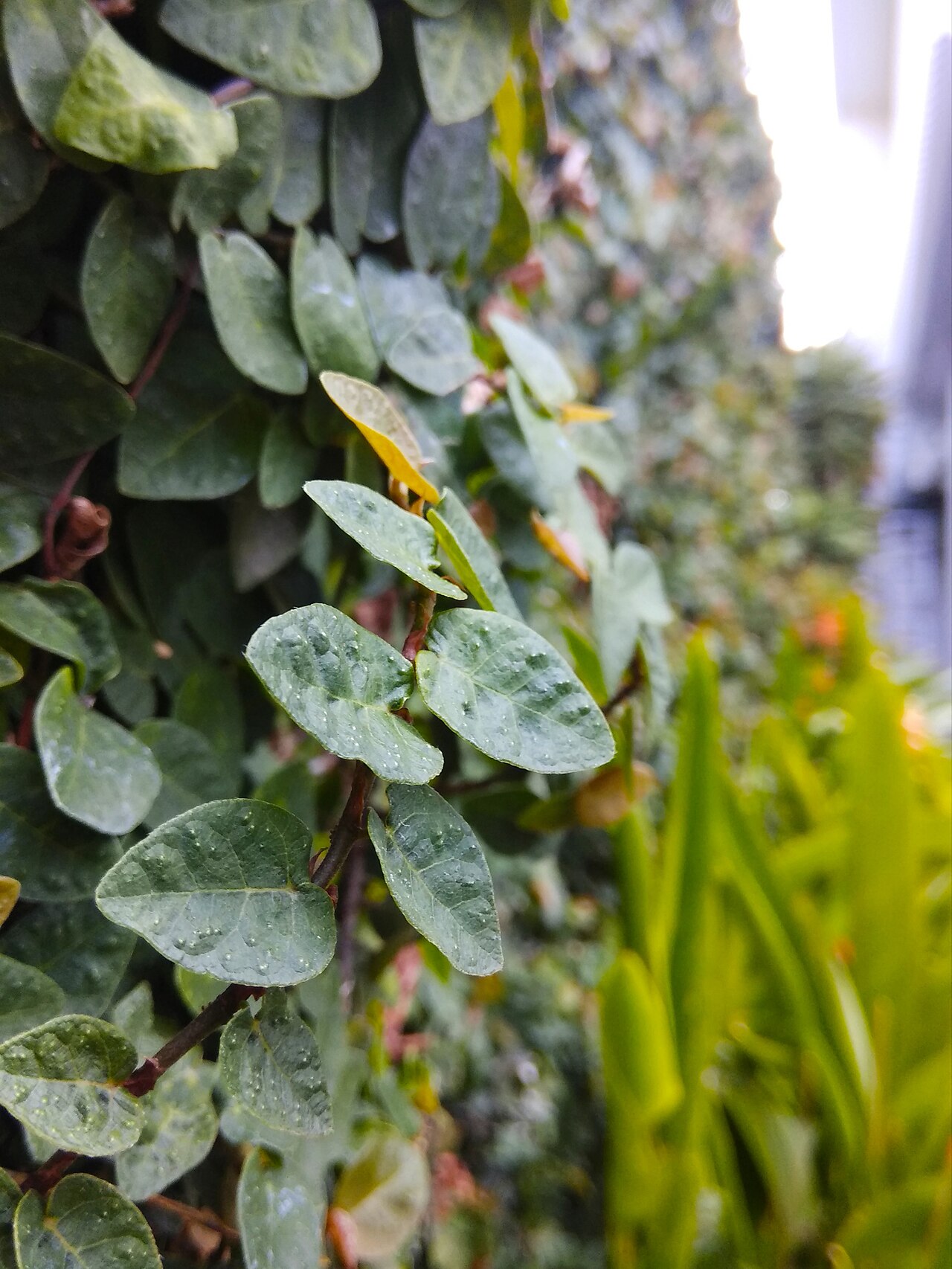
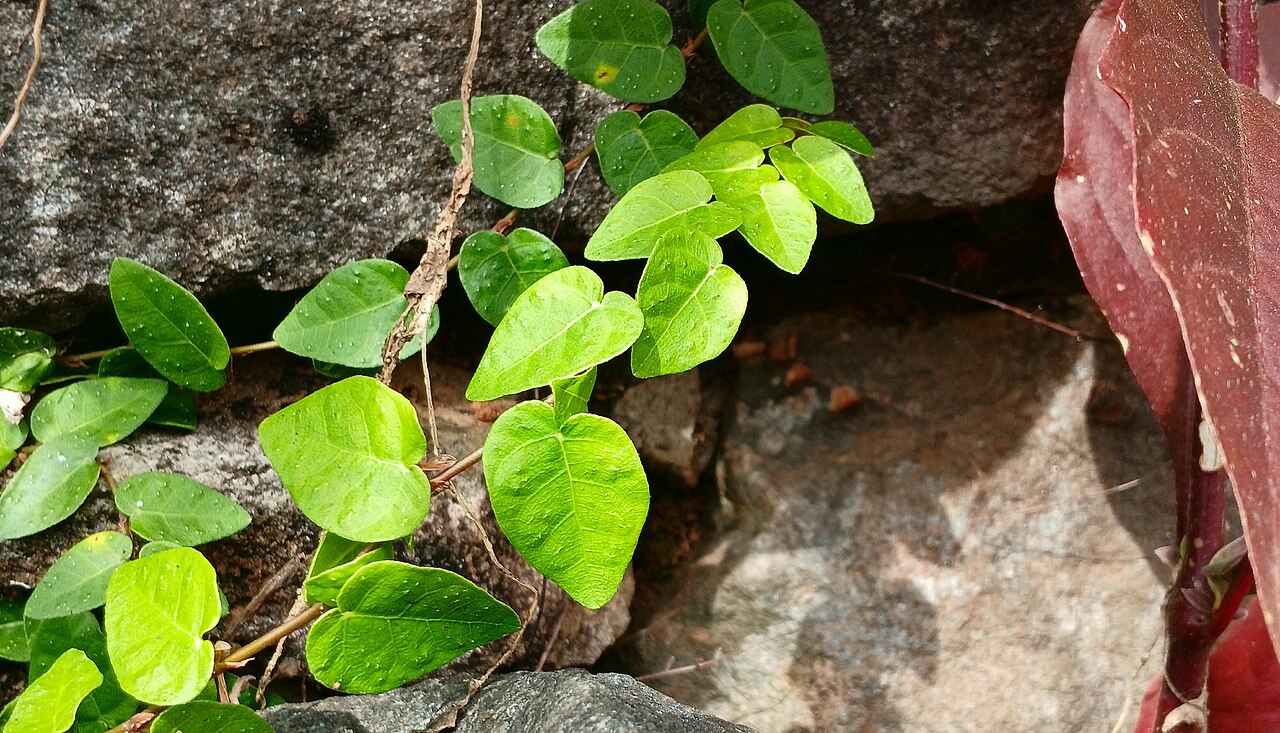
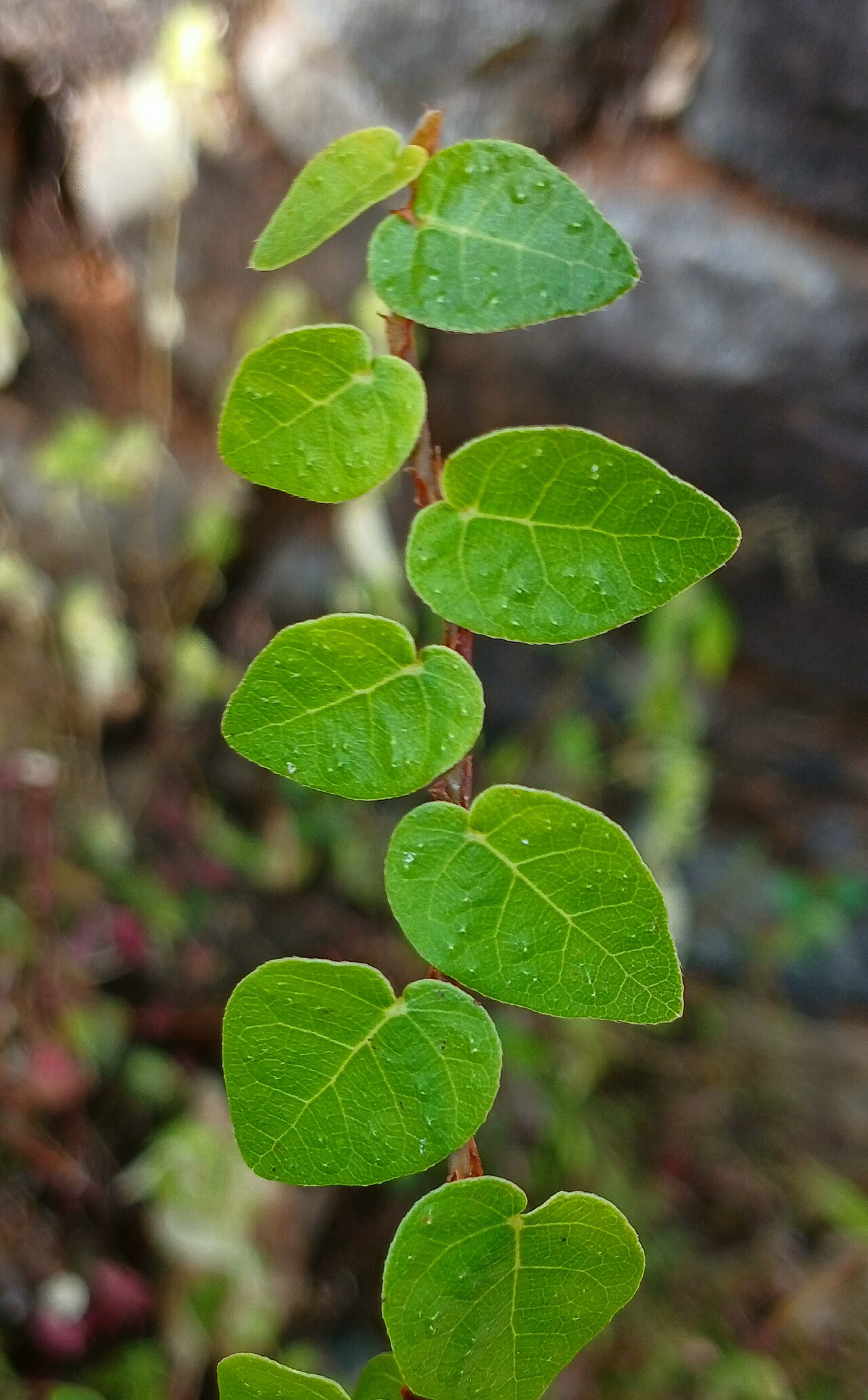
Creeping fig is a broadleaf evergreen woody climber from East Asia, grown not for flowers — they are insignificant — but for its dense mat of small, heart-shaped juvenile leaves that cling to walls, fences, and tree trunks by aerial rootlets, like ivy but finer-textured. Plant in fall or early spring in moist, well-drained soil high in organic matter, on a north- or east-facing wall where it gets shade from harsh afternoon sun. It starts slowly, then speeds up, eventually reaching 20 feet or more if unchecked. Keep it off painted surfaces, wood siding, and gutters, since the rootlets grip hard and removal can damage finishes. In cooler zones, grow it in a pot indoors in bright indirect light.
Water & feeding
Water regularly in the first season to establish roots, then water when the top of the soil dries; established plants tolerate some drought but look best with steady moisture. Feed lightly in spring with a balanced slow-release fertilizer or compost. Mulch to hold moisture, especially in dry climates, and prune as needed to keep the mat flat and inside its bounds — mature growth produces larger, leathery adult leaves and fruit, so prune to keep the fine juvenile foliage if that is the look you want.
Common problems
- Damage to surfaces — never let it climb a wall you may want to repaint or repair; removal pulls paint and can damage mortar and wood.
- Aggressive growth once established — prune several times a season in warm climates, and keep it off trees you value, since it can smother and strangle them.
- Iron chlorosis and spider mites — yellowing between leaf veins often means high soil pH or poor drainage; correct drainage, feed lightly, and wash mites off foliage.
- Skin irritation — the milky sap can irritate skin, so wear gloves when pruning large amounts.
Harvest & notes
There is no garden harvest to speak of: the fruit is inedible as usually grown, though a related variety is used for jelly in Taiwan. The reward is the wall itself, green and textured year-round in mild climates. Prune trimmings go in the compost, not on the ground where they can root, and any stem escaping onto a neighbour’s wall or a tree should be cut back promptly — creeping fig does not ask permission.
Browse all plant & pest guides
Propagation
First, the caution, stated plainly, because it should shape every decision in this section: creeping fig can damage masonry and climb aggressively. Its tiny aerial rootlets grip with a glue-like hold, and on stucco, brick, mortar joints, painted surfaces, and wood siding they can stain, lift finishes, and dislodge mortar, with the marks often remaining long after the vine is pulled off. Left alone it will keep going, up walls, over gutters, across roofs, and into trees, smothering whatever it covers. In Florida it can also escape the garden and behave invasively, so never let it run wild, and never dump prunings or rooted pieces where they can take hold. The safe way to enjoy it is on a freestanding trellis or a wall you have deliberately sacrificed to the cause, pruned hard and often, kept well away from gutters, roofs, and painted wood. Propagate it with that same discipline, and only plant new pieces where you are genuinely willing to prune them forever.
With that understood, the good news is that creeping fig is almost embarrassingly easy to propagate, and seed is not the way to do it. The plant rarely flowers or fruits away from its native range, because its pollination depends on a specific tiny fig wasp that is generally absent elsewhere, and indoor plants essentially never set seed at all. So forget seed packets and fruit hunts. Stem cuttings are the practical route, and they root so readily that the plant’s own biology is doing most of the work for you.
Take cuttings in spring or early summer, when growth is fresh and active. Snip healthy stem tips about four to six inches long, cutting just below a node, the little bump where leaves and roots emerge, and strip off the lower leaves so only a tuft remains at the tip. Rooting hormone is optional here; many growers skip it entirely and still get roots. Push the cuttings into a moist, free-draining mix, or root them in water, and keep them in bright indirect light with steady humidity, a clear plastic tent or a covered tray works well, without letting the mix turn soggy. Roots typically appear within a couple of weeks. Pot each rooted cutting up once the roots are an inch or so long, and harden it off gradually before it faces full outdoor conditions.
Layering is the lazy gardener’s bonus method, and it suits this vine perfectly. Where a stem touches moist soil it will often root on its own, so you can peg a low stem down into a pot of mix while it is still attached to the parent, wait for roots to form, and then snip it free as an independent plant. Every cutting and layered piece is a clone of its parent, so it keeps the parent’s leaf size and habit exactly, which is more than seed could ever promise for this plant. Wear gloves when handling large amounts of cut material, since fig sap can irritate skin, and keep new plants contained from day one. A vine this eager deserves a gardener who plans its boundaries before it plans its own.
Varieties
Every named variety of Creeping Fig with its own growing guide:
- Minima Creeping Fig — The tiny-leaf creeper: miniature leaves on a delicate, slow vine, the creeping fig for small spaces and terrariums.
- Variegata Creeping Fig — The cream-margined creeper: green leaves edged in creamy white, the variegated creeping fig for bright walls.