
🍉 Crimson Sweet Watermelon
What it looks like
Why this variety
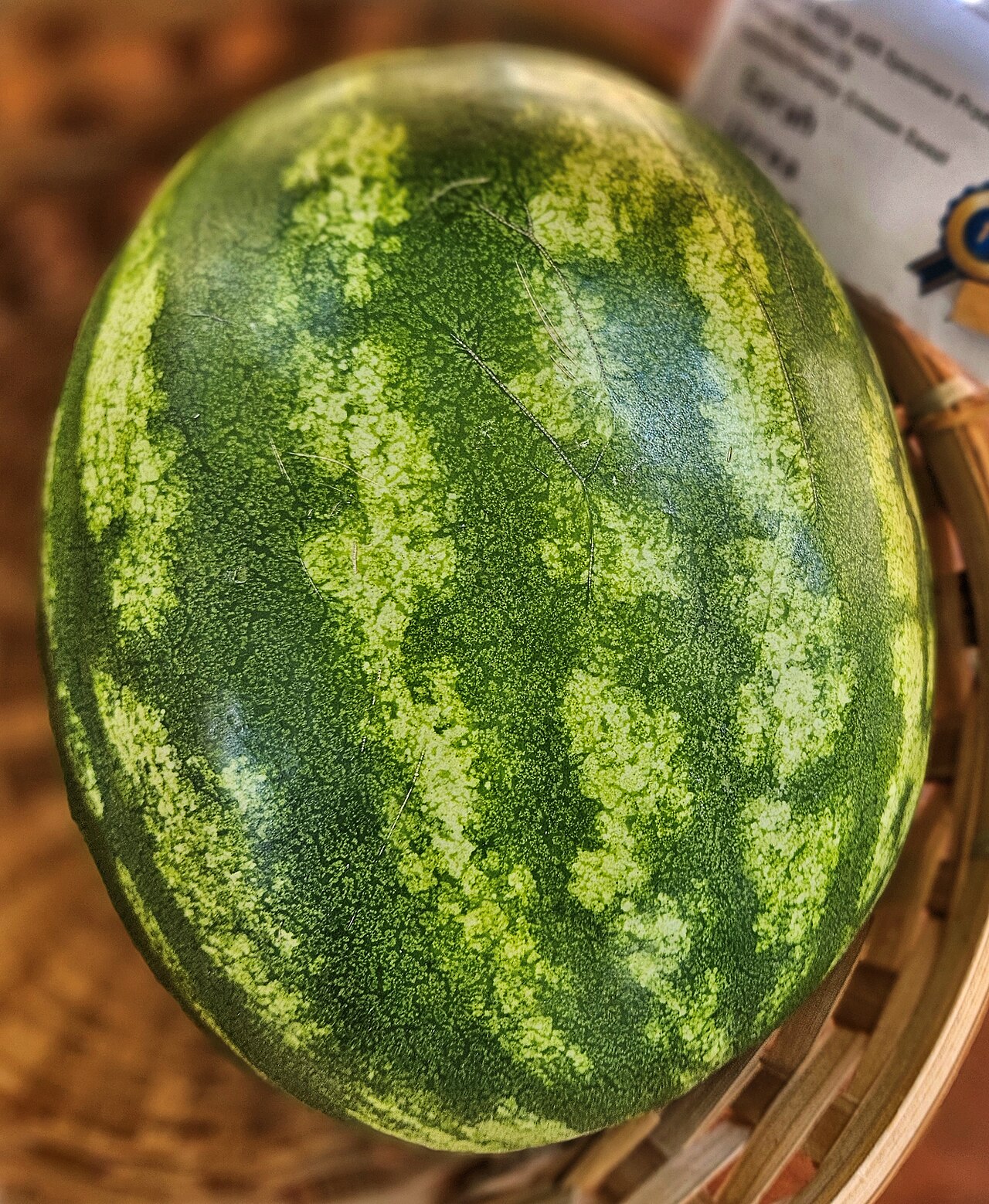
Crimson Sweet is the watermelon on the picnic table in your memory: light green rind with dark stripes, round to slightly oblong, 20 to 25 pounds, and flesh so sweet and crisp it made the variety an All-America Selections winner back in 1964. It is also genuinely disease-resistant, carrying resistance to anthracnose and fusarium wilt races 1 and 2 — resistance that matters enormously in Florida, where both diseases are endemic.
This is the Southern staple for a reason: it handles heat, produces heavily, and the fruit holds up well after picking. The trade-offs are space and thin rind — vines run 10 feet or more, and the famously thin, crisp rind that makes it so good to eat also means it bruises and splits more easily than thick-rinded types if water swings wildly near harvest.
If you are new to choosing between cultivars, the Varieties Matter guide explains why the name after the plant matters as much as the plant itself.
How to grow
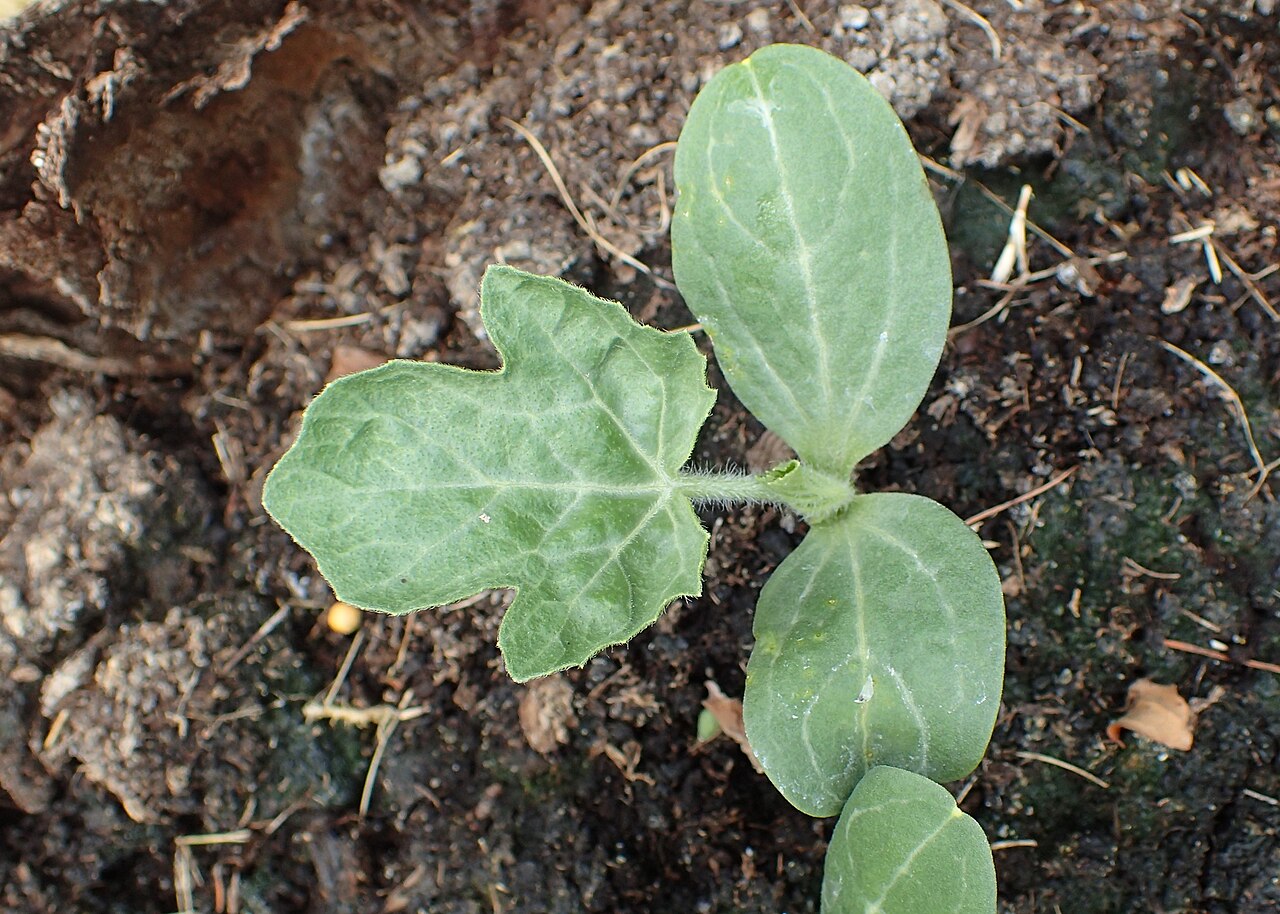
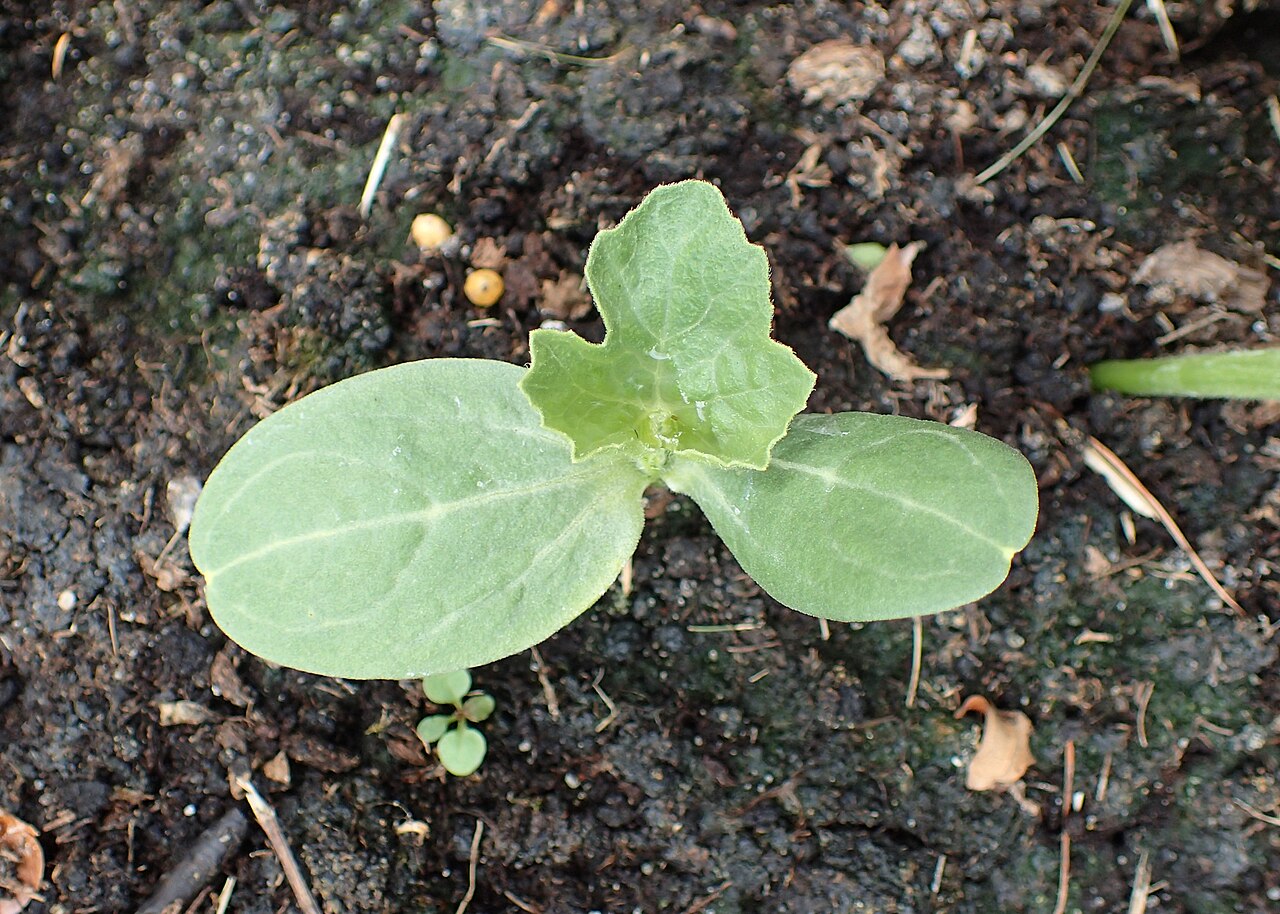
Watermelons want heat, sun, and room to be dramatic. Start seed indoors 2 to 3 weeks before your last frost date, or direct-sow once the soil is reliably above 70°F — cold soil rots seed before it ever sprouts, and a watermelon seedling chilled early never really forgives you. In Florida, spring planting runs roughly February to March in the north, January to March further south, with a second fall window in August and September. Give each plant a hill or a wide row and space to run: vines routinely stretch 6 to 10 feet, and crowding them is how mildew parties start.
Give Crimson Sweet a big bed, steady water, and a pollinator-friendly garden — it is seeded and open-pollinated, so bees matter, and seed saving works if you keep it isolated from other watermelons. In Florida, spring planting gives you summer melons; a fall planting gives you a second shot with less disease pressure at the start.
Bees do the pollination, so do not spray insecticide on open flowers in the morning when bees are working. A female flower wears a tiny melon behind the petals; if it yellows and drops, it was not pollinated, and the usual culprit is too few pollinators, not your soil. Black plastic or landscape fabric warms the soil and holds moisture in spring plantings, but in a Florida summer it can cook roots — straw mulch is the safer summer bet.
Water & feeding
Water deeply and consistently, especially while fruit is sizing — a melon is about 92 percent water, and it is not shy about where that water comes from. An inch or two a week, delivered at the soil line, keeps growth steady. Ease off slightly as fruit ripens; a flood right before harvest dilutes sugars and can split rinds.
Feed moderately at planting with castings worked into the hill, then side-dress once vines start running and again at first fruit set. Too much nitrogen late in the season grows leaves instead of melons and delays ripening, which is the opposite of the deal.
Common problems
- Fusarium wilt — vines yellow and collapse, often on one side first. Rotate beds, choose resistant varieties where available, and never plant melons in the same spot year after year.
- Downy and powdery mildew — humid Florida air is their home turf. Space for airflow, water at the soil line, and remove badly infected leaves promptly.
- Anthracnose and gummy stem blight — leaf spots and stem cankers in wet weather. Rotate, mulch to stop soil splash, and buy clean seed.
- Pickleworm and rindworm — caterpillars that bore into fruit. Scout under leaves, use row cover until flowering (then remove it so bees can pollinate), and pick damaged fruit early.
- Aphids and cucumber beetles — aphids spread viruses and beetles chew seedlings. Row cover early, strong water blasts for aphids, and hand-picking for beetles on small plantings.
Harvest
Pick when the tendril dries, the ground spot turns yellow-cream, and the thump is dull and hollow. Crimson Sweet’s stripes make the ground spot easy to read: look for the spot where the melon sat, not the stripes on top. Cut, don’t pull, and refrigerate promptly — a warm melon is a less sweet melon.
Store whole melons in a cool spot for a week or two; cut melon goes in the fridge and gets eaten fast, because it does not improve with age. Save seed only from fully ripe, open-pollinated fruit, and keep varieties separated if you want the seed to stay true — watermelons cross with enthusiasm.
Browse all plant & pest guides
Saving seeds
Crimson Sweet is a seeded, open-pollinated watermelon and an All-America Selections winner from 1964, so it comes true from seed — save seed from your best fruit and let it dry fully before storing. The full method is in the Saving seeds section of the Watermelon guide.