
🌿 Crotons
What it looks like
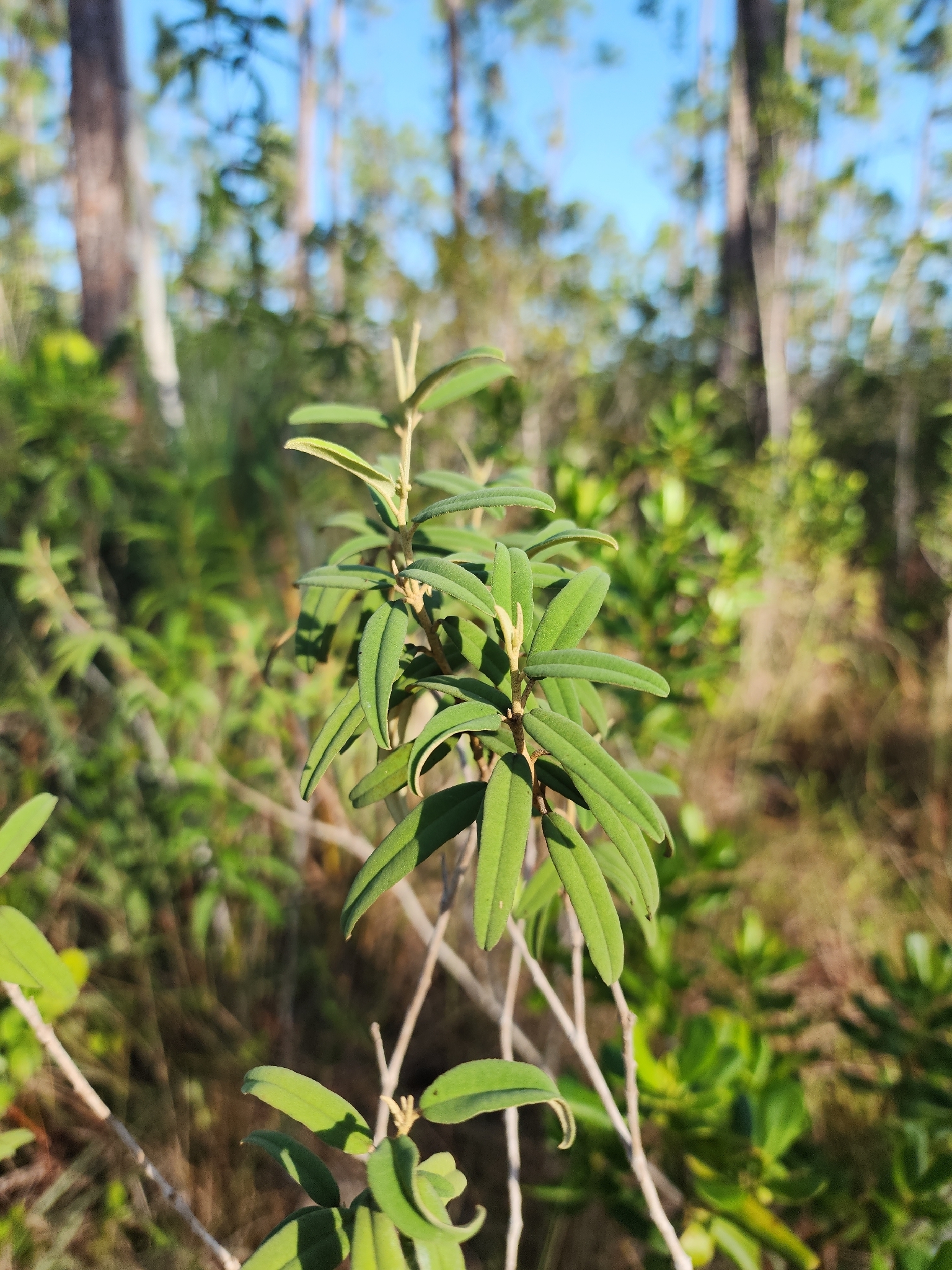
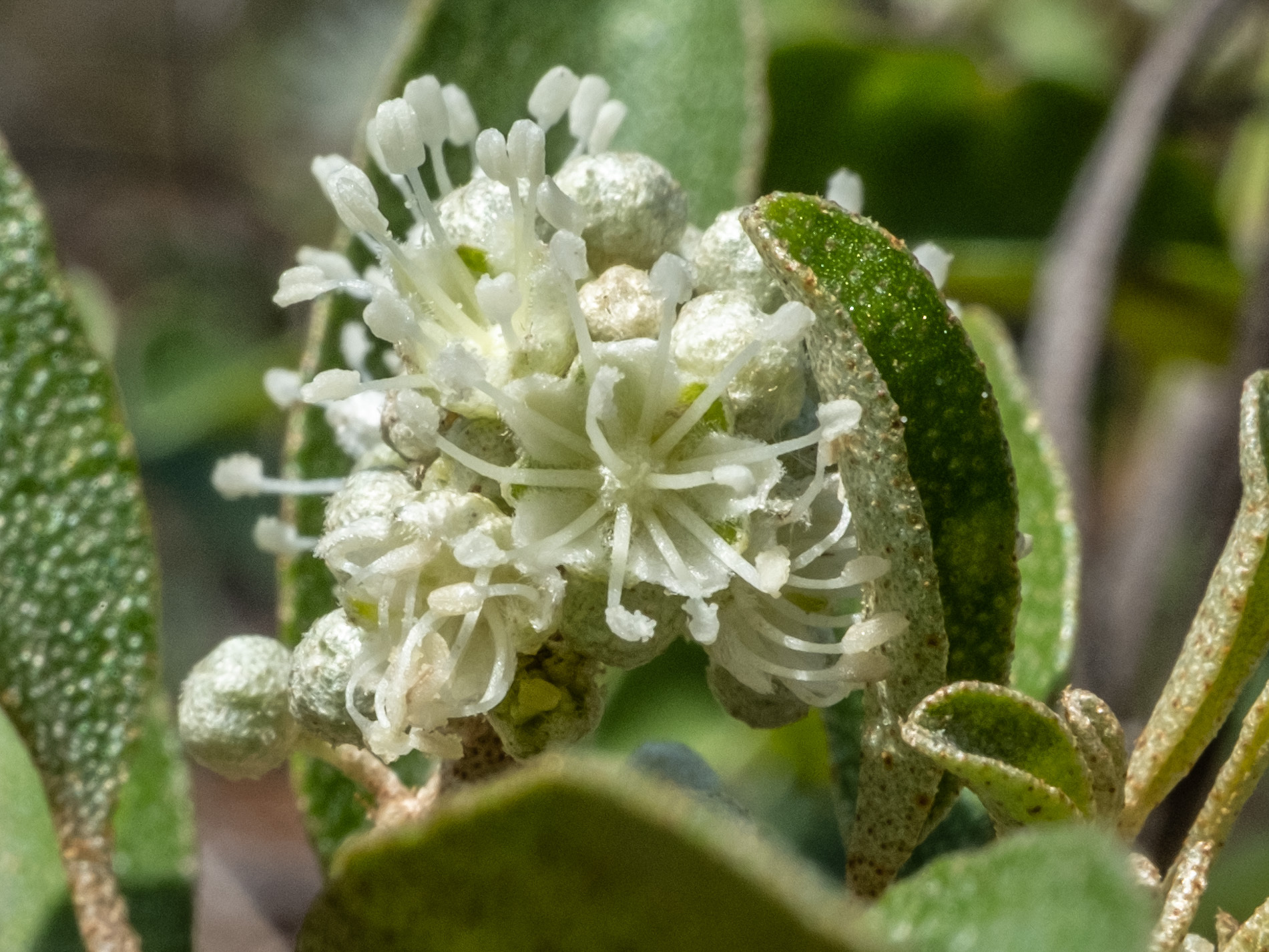
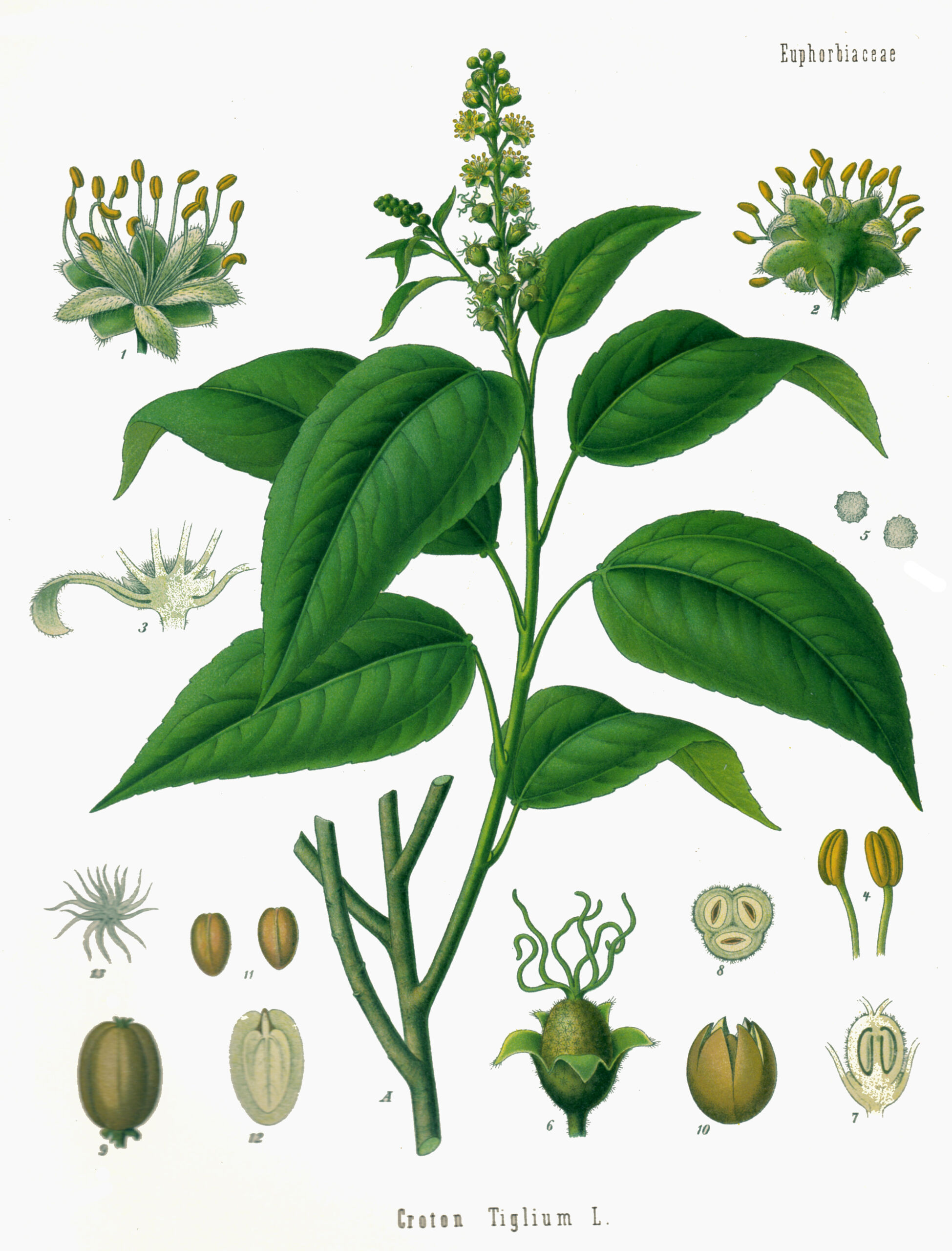
Crotons are the genus Croton, in the spurge family, Euphorbiaceae, formally established by Linnaeus in Species Plantarum in 1753. How many species that actually means is a question botanists answer differently depending on which book you open: Plants of the World Online, run by the Royal Botanic Gardens, Kew, calls it a genus of over 1,100 species throughout the tropics; a Kew volume from 2022 says nearly 1,300 species; and an older Flora Zambesiaca account puts it between 700 and 1,000 species and admits authorities disagree on the number. The honest version is “somewhere around a thousand, give or take a few hundred, and the count keeps moving as taxonomists revise it.” Either way, it is one of the largest genera in the spurge family, spread through the tropics and subtropics worldwide, with most species in the Americas, and it refuses to sit still for one portrait: members range from small annual herbs to shrubs to trees.
What ties them together is the spurge family toolkit. Many crotons wear a coat of star-shaped hairs — stellate hairs — that give leaves and stems a grayish, silvery, or woolly look and help the plant shrug off hot, dry air. Many carry small glands, often a pair of them where the leaf stalk meets the stem, which is exactly the kind of tiny detail that makes a botanist happy and a gardener squint. The flowers are small and easy to overlook, which is a shame, because they are doing something interesting: crotons are monoecious, meaning one plant carries separate male and female flowers, usually in the same spike-like cluster, with the male flowers showier and the female flowers smaller and plainer. The fruit is typically a three-chambered capsule that splits open to release three seeds. Nothing about that screams garden center glamour, and that is the point. Crotons are not show plants. They are survivor plants, built for thin soil, hard sun, and long dry spells, and they feed a surprising number of creatures while looking like they are not trying at all.
There is also the sap question, and it is not optional. Like most spurges, crotons can have milky or irritating sap, and several species are frankly poisonous — woolly croton is toxic to livestock and dogs, and the purging croton’s seed oil is a violent purgative that modern medicine has sensibly retired. Wear gloves when you prune, wash your hands after handling, and do not let children or pets chew on any of them. A croton is a plant to admire and to feed butterflies with, not a plant to taste-test.
The name trap: this is not the houseplant
Before anything else, we need to clear up the confusion that has followed this genus around garden centers for over a century, because it is the single most common mistake people make with crotons. The showy, multicolored foliage plant sold everywhere as “croton” — the one with leaves splashed in red, orange, and yellow — is not a Croton at all. It is Codiaeum variegatum, a different genus in the same family. It was once classified under Croton, which is how the common name stuck, and then taxonomists moved it, and the nurseries never got the memo. The houseplant croton has its own separate guide, and nothing about growing it applies to the plants in this guide: the true crotons here mostly want sun, drainage, and to be left alone.
The confusion is not just academic, and it bites in exactly the place you would expect. Retail listings have been known to sell pineland croton mislabeled as a Codiaeum cultivar with a name like “Linearis,” which is wrong in both halves: wrong genus, wrong plant. If you are buying pineland croton for a butterfly garden, buy it from a Florida native plant nursery, check that the tag says Croton linearis, and be suspicious of anything with glossy variegated leaves. The real pineland croton has narrow, matte, silvery-backed leaves and looks like a tough little shrub, not a tropical sunset. Getting the genus right is the whole ballgame here, because a Codiaeum in a pot will never feed a Bartram’s scrub-hairstreak caterpillar, no matter how pretty it is.
Notable species
One reminder belongs at the top of this list: the houseplant sold as croton, Codiaeum variegatum, is a different genus with its own separate guide, and it is not one of the species below. Every plant in this section is a true Croton.
Pineland croton, Croton linearis, also called grannybush, is the species this guide keeps coming back to, and for good reason. It is a small, usually evergreen shrub of the pine rocklands of South Florida and the West Indies, with wiry, often rust-colored stems and narrow, linear leaves that are dark green on top and silvery or coppery underneath, thanks to that dense coat of star-shaped hairs. The Lady Bird Johnson Wildflower Center describes it as a small shrub with stems to about 3 feet, while other accounts run taller: a Florida native-plant nursery puts it in the 1 to 3 foot range, a South Florida grower’s account says mature plants can reach six feet though they are often several feet shorter, and the Bahama Flora describes a shrub 1 to 2 meters high. Sources disagree, in other words, and the disagreement probably reflects fire: pine rockland plants stay shorter where fire passes through regularly and grow taller where it does not. Expect 1 to 3 feet in a garden, and be pleasantly surprised if yours stretches taller.
Pineland croton’s range in Florida is small and specific, and that specificity matters. The Flora of North America places it in only Martin, Miami-Dade, Monroe (the Keys only), Palm Beach, and St. Lucie counties, in rocky limestone pinelands and coastal areas, flowering year-round. The Florida Plant Atlas and the Flora of the Southeastern United States agree on the habitat — pine rocklands, marl prairies, coastal strands, and disturbed uplands — and NatureServe regards it as threatened in South Florida even though it is secure across its wider Caribbean range, because so much of its pine rockland habitat has been lost to development. This is a plant with a shrinking address, which is why the butterflies that depend on it are in trouble too, and why you should never dig one from the wild. Buy nursery-grown plants, and ask whether the stock is of Florida origin: conservation growers have noted that West Indian pineland croton plants look visibly different from Florida plants — glossier, broader leaves, less floppy branches — and since two critically endangered butterflies depend on this plant, the cautious move is Florida stock for Florida gardens.
Silver croton, Croton argyranthemus, is the central Florida answer to the same butterfly problem. The University of Florida’s Featured Creatures profile of the goatweed leafwing notes that the butterfly’s larval hosts are various species in the genus Croton, and that a commonly used host in central Florida is silver croton, a common inhabitant of longleaf pine and high pine communities. If you live in Central Florida and cannot grow pineland croton, silver croton is the croton your local leafwings are already using.
Woolly croton, Croton capitatus, also called goatweed or hogwort, is the weedy cousin most gardeners will actually meet without trying. It is a native warm-season annual of dry, open, sandy ground across the eastern United States, growing 2 to 4 feet tall with erect, branching stems densely covered in light brown or white woolly, star-shaped hairs that give the whole plant a whitish cast. It is a host plant for the goatweed leafwing and the gray hairstreak, and its seeds are valued food for doves and quail — but every part of it is poisonous to livestock and dogs, so it belongs in a wild corner or a meadow edge, not a pasture or a dog run.
Tropic croton, Croton glandulosus, also called vente conmigo, tooth-leaved croton, or sand croton, is the one you are most likely to mistake for a weed, because in much of the Southeast it is one. It is a weedy summer annual, 4 to 24 inches tall, with alternate leaves that start oval and grow more lance-shaped, edges coarsely toothed, and — the giveaway — a white, oval gland on either side of the leaf stalk where it meets the stem. Crush a leaf and it gives off a distinctive odor. It is a genuine agricultural pest in cotton and peanuts in the Southeast, so admire its glands, pull it from your beds, and do not plant it on purpose.
Purging croton, Croton tiglium, is the famous one, and the one to leave strictly alone. It is a shrub of Southeast Asia whose seeds yield croton oil, a drastic purgative that older pharmacopoeias used and modern medicine has dropped as unsafe. It appears in this guide for one reason: so that when you meet the name, you know it is a real Croton, it is not a garden plant, and nobody should be dosing anything with it. The genus contains both butterfly food and poison, and telling the difference is the species name, not the family name.
How to grow
Grow pineland croton the way its home grows it: hot, sunny, dry, and poor. Give it full sun to part shade — the Wildflower Center lists sun to part shade — in sandy or calcareous soil that drains fast and stays dry. It thrives in poor, sandy soils or calcareous marl, does not tolerate wet soil or soil with significant amounts of organic matter, and is intolerant of high salt levels, which is a useful warning for coastal gardeners who assume every native coastal plant likes salt spray. This one does not. Once established in the ground, it needs no supplemental irrigation, according to the nursery account, and the Wildflower Center rates its water use as low and its drought tolerance as high. In other words, the fastest way to kill a pineland croton is to love it the way you love a tomato: rich soil, daily water, and mulch piled against the stem. Plant it lean, water it to establish, and then mostly walk away.
Space plants 18 to 36 inches apart and let them form a loose, wiry shrub rather than a clipped hedge. Pineland croton flowers in any month — the Flora of North America says flowering year-round, and the Southeastern flora gives its phenology as January through December — with small white flowers that the early caterpillars of the Bartram’s scrub-hairstreak hide among, camouflaged against the white blooms. Do not deadhead aggressively if you are growing it for butterflies; the flowers, fruits, and young leaves are all caterpillar food, and the adults also nectar on the plant’s own small flowers. If you prune, prune lightly to shape, wear gloves for the sap, and do your shaping after a flush of growth rather than during peak caterpillar season if you can help it.
North and Central Florida gardeners should read the range map before they fall in love with pineland croton. In the wild it stops at St. Lucie County, and a plant that evolved for pine rockland limestone is not a statewide shrub. If you are north of its range, the honest move is to grow the crotons that belong to your region — silver croton in Central Florida’s high pine country, woolly croton where it volunteers in dry open ground — rather than forcing a South Florida endemic into soil and winters it never signed up for. And wherever you are, buy nursery-grown, Florida-origin stock for pineland croton, never wild-collected plants. A garden plant is not habitat restoration, but a garden full of the right croton is still a real waystation for butterflies that are running out of places to live.
Water & feeding
Water to establish, then back off. Pineland croton is a low-water, high-drought-tolerance plant that wants dry soil between waterings and will sulk, rot, or simply die in soil that stays wet. Do not fertilize it like a garden perennial. It evolved in limestone rockland with almost no organic matter, so rich compost and regular feeding are not a kindness; they are a habitat mismatch. If your soil is heavy clay or stays soggy after rain, do not plant pineland croton there at all — build a raised, sandy, limestone-amended bed or pick a different native. The plant’s whole personality is “I survive where nothing else wants to,” and the way to honor that is to give it the poor, dry, sunny spot other plants reject.
Butterflies, honestly
Here is where crotons earn their keep, and where the stakes get real. Pineland croton is the only known larval host plant in Florida for two federally endangered butterflies: the Bartram’s scrub-hairstreak and the Florida leafwing, both listed as endangered in 2014. The U.S. Fish and Wildlife Service puts it bluntly for the hairstreak: it occurs only within pine rocklands that retain its only known host plant, pineland croton, and its caterpillars feed only on pineland croton. The National Park Service adds the detail that makes the whole story click: first and second instar caterpillars stay camouflaged among the white croton flowers, while later stages roam the whole plant. A caterpillar that hides in its food plant’s flowers is a caterpillar that cannot survive on a substitute. Plant the wrong “croton” — the houseplant — and you have planted nothing at all, as far as these butterflies are concerned.
The wider genus pulls its weight too. The goatweed leafwing’s caterpillars eat various Croton species, with silver croton the common central Florida host, and woolly croton hosts both the goatweed leafwing and the gray hairstreak. Adult butterflies also nectar on croton flowers — the small white blooms of pineland croton attract several butterfly species, and bare-genus “croton” shows up on nectar lists for a handful of other butterflies as well. The pattern is consistent: crotons are not the butterfly garden’s centerpiece, they are its infrastructure, the unglamorous shrubs and weeds that caterpillars actually eat while the gardener is admiring something flashier.
Common problems
- Wrong plant at the nursery — the number one croton problem, and it is a labeling problem, not a gardening problem. If the tag says Codiaeum, or the leaves are glossy and variegated, it is the houseplant, not a true croton. Check the Latin name before you buy.
- Wet feet — pineland croton does not tolerate wet soil or heavy organic matter. Yellowing, rot, or sudden collapse in a rainy spot usually means the drainage failed, not the plant.
- Salt intolerance — despite its coastal range, pineland croton is intolerant of high soil salt levels. Do not assume a coastal native wants a salty site.
- Sap and toxicity — croton sap can irritate skin, woolly croton is poisonous to livestock and dogs, and purging croton seed oil is unsafe. Gloves on, hands washed, no tasting.
- Weediness of the wrong species — tropic croton is a serious crop weed in the Southeast. Do not plant it deliberately, and pull it from beds where it volunteers.
- Habitat loss, not garden failure — pineland croton is threatened in South Florida because its pine rockland habitat is nearly gone, not because it is hard to grow. A struggling wild population is a land-use story, not a reason to overwater your shrub.
Florida cautions
Florida gardeners need to match the croton to the county. Pineland croton belongs in South Florida — St. Lucie County southward through Miami-Dade and the Keys — and planting it as a butterfly host outside that range does not extend the endangered butterflies’ range with it; those butterflies live only where the pine rocklands are. Central and North Florida gardeners have their own native crotons, and those are the ones to grow. Everywhere in the state, the rules are the same: never collect pineland croton from the wild, buy nursery-grown Florida-origin stock, and remember that pine rockland itself is a fire-maintained habitat — your garden shrub is a waystation, not a replacement for the rocklands, and it will never need a prescribed burn, however authentic that would feel.
Saving seeds
Toxicity warning first: like every member of the spurge family, native crotons are toxic if ingested, and their milky sap irritates skin. Wear gloves when you collect seed, wash your hands afterward, and keep seed packets labeled and out of reach of children and pets. Nothing in this section is food, and none of it belongs in a kitchen.
One more framing note, because this is a genus guide rather than a single-species guide: the method below is genus-level, and it fits the native crotons covered here as a group. Individual species vary in timing and enthusiasm, so read it as the family pattern and let the species guide for your particular croton have the last word where one exists.
Native crotons carry their seed in small capsules that split open when ripe, scattering the seed the moment they are ready. That is the whole challenge of collecting them: you have to arrive just before the plant throws its own seed party. Watch the capsules as they turn brown and dry, and collect them when they are brown and just beginning to split, before they fling seed across the bed. Drop them into a paper bag, let them finish drying indoors for a few days, and shake out the seed, winnowing away the papery capsule bits. Dry the seed thoroughly before it goes anywhere near a sealed container; in Florida humidity, seed stored even slightly damp is seed stored dead, so use an airtight container with a little desiccant and keep it cool and dark.
Sow fresh seed if you can, since croton seed does not improve with age, pressing it lightly into warm, well-drained mix and keeping it moist but never soggy. Germination is uneven and can take anywhere from a few weeks to a few months, so sow more than you think you need and do not throw the tray out in impatience. Seedlings of a wild species generally grow true to that species, which is the good news; the bad news is that a named selection will not reliably repeat from seed, so if you want an exact copy of a particular plant, take stem cuttings instead, rooting a 4- to 6-inch tip in well-drained mix with rooting hormone, the same way you would for the houseplant croton.
And a conservation rule that outranks everything else in this section: never collect seed, or plants, from wild pineland croton or any wild croton population. Buy nursery-grown, Florida-origin stock, and let your garden plants be the seed source. A shrub that feeds endangered butterflies deserves gardeners who increase it without raiding the last wild plants that feed them.