
🌿 Curry Leaf
What it looks like
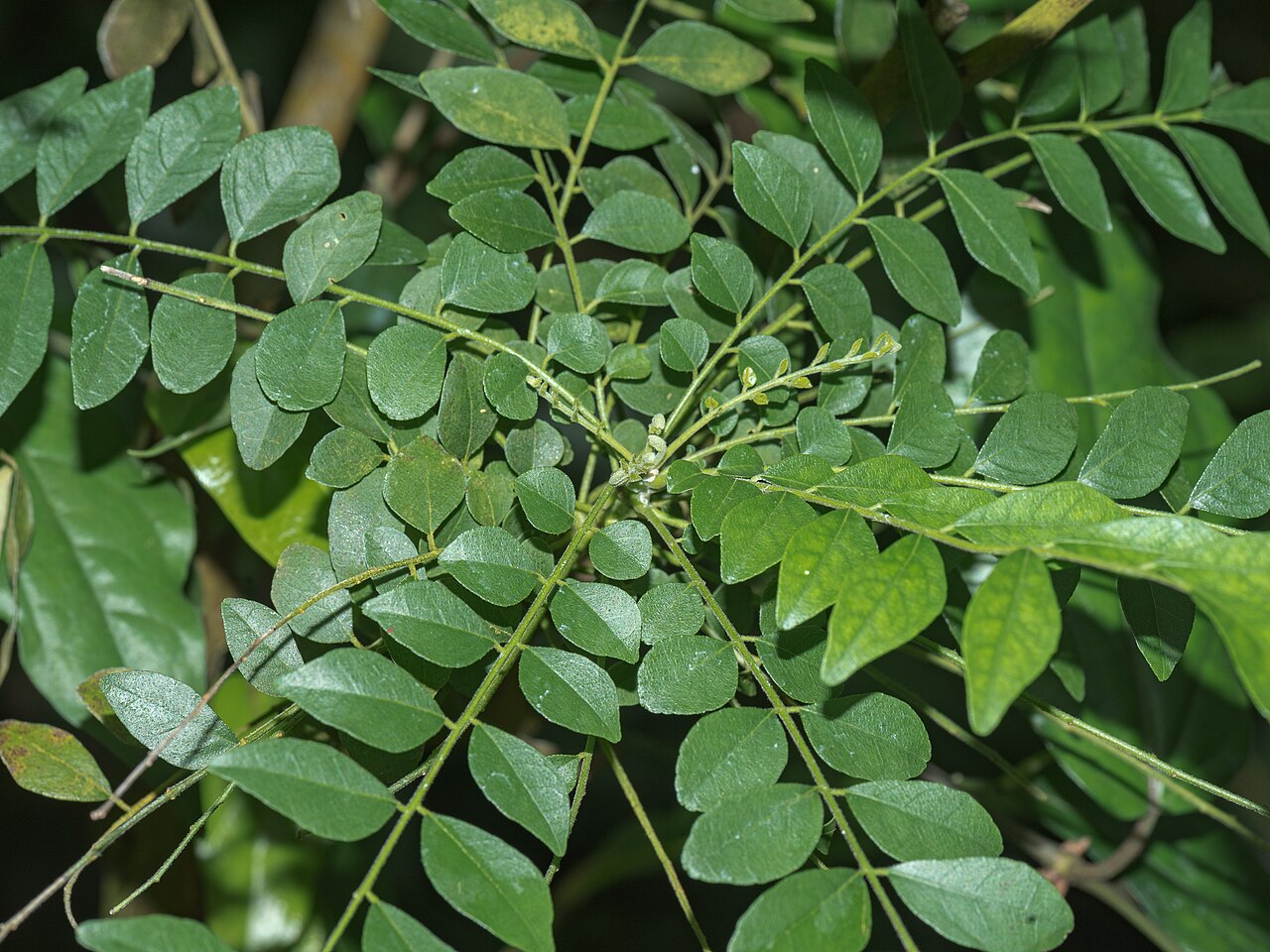
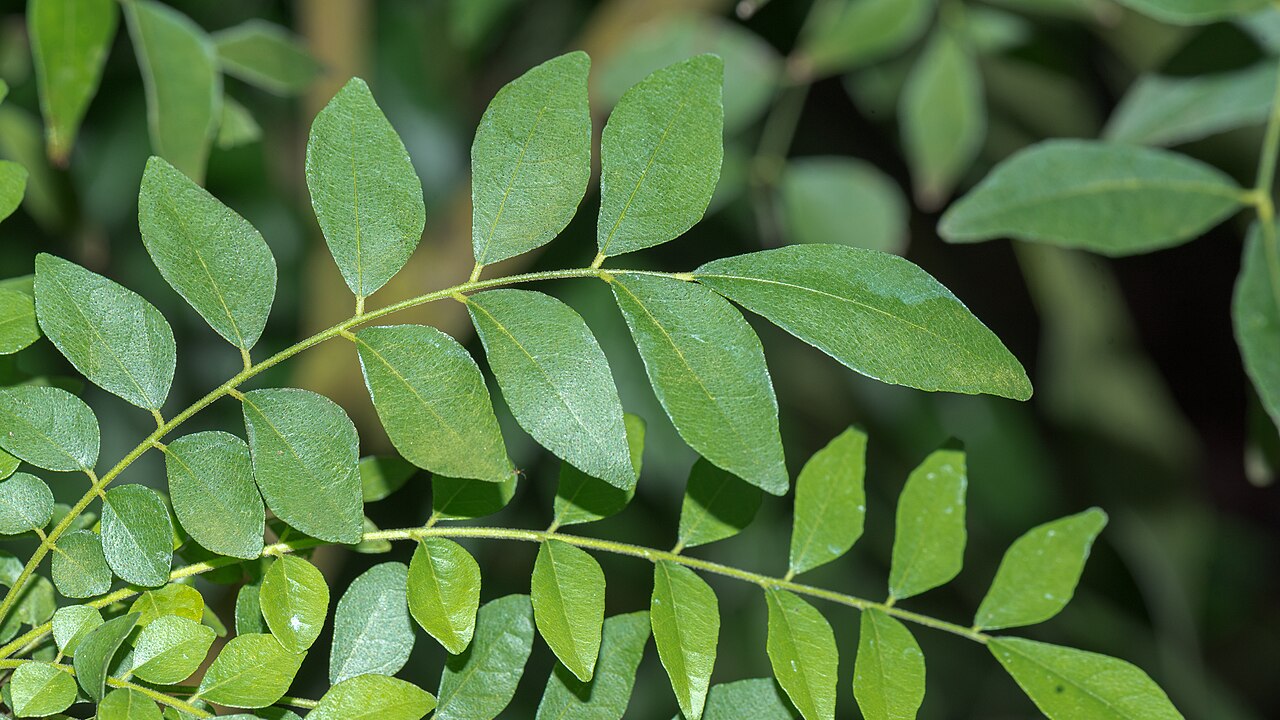
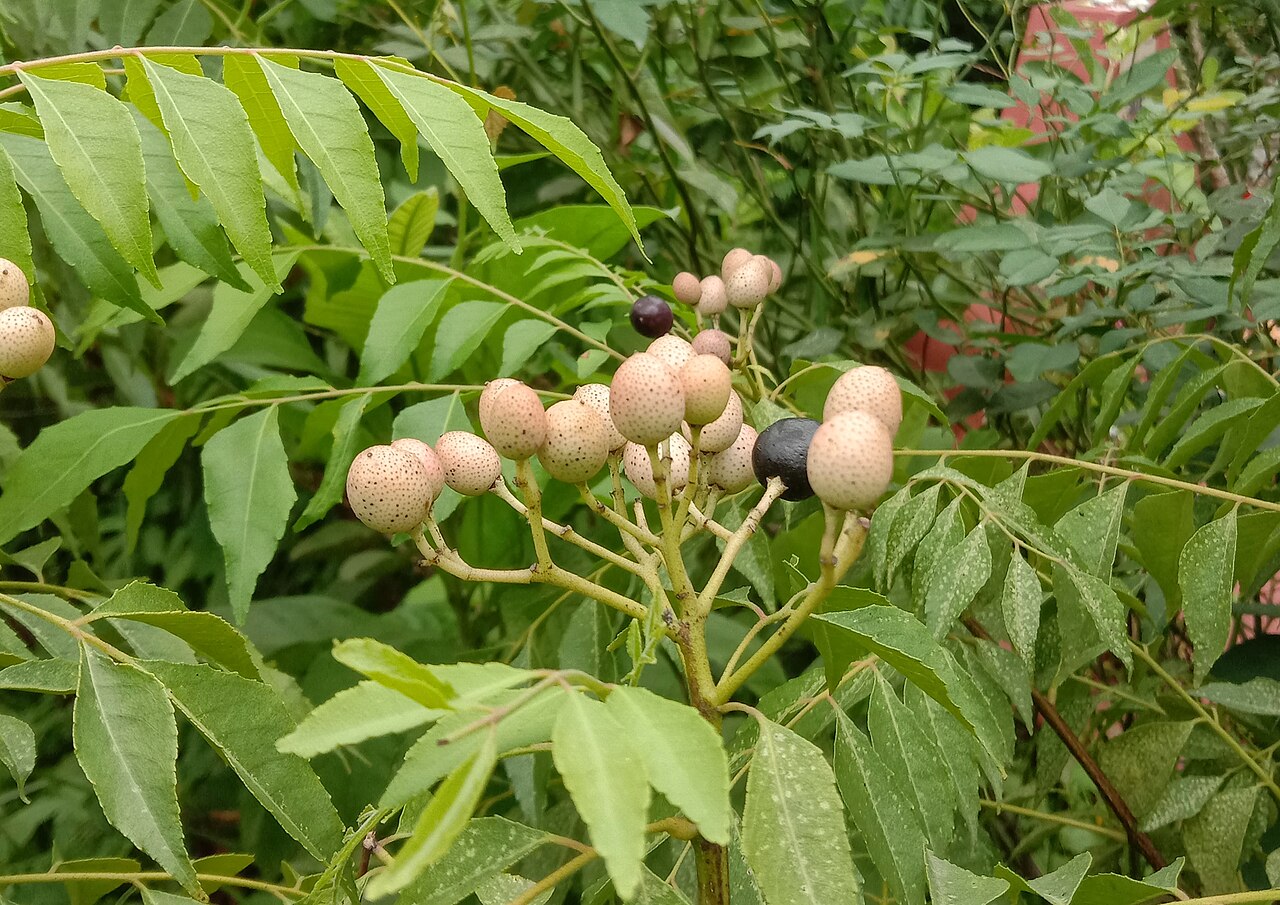
How to grow
Curry leaf is a small tropical tree from India whose aromatic leaves are essential to South Indian cooking — tempered in hot oil at the start of a dish, where they release a citrusy, nutty, slightly smoky fragrance that curry powder cannot replicate. Curry leaf has nothing to do with curry powder (a British blend of spices) or the curry plant (Helichrysum, an ornamental); it is its own ingredient, and cooks who use it consider it irreplaceable. In zones 9-11 it grows outdoors into a small tree; everywhere else, grow it in a large pot and bring it inside before frost, giving it your brightest window. Curry leaf is slow to start but long-lived once established, and it tolerates pruning well — prune to keep potted plants at a manageable size. Start from nursery plants; seed is slow and seedlings are variable, and cuttings root reluctantly. It wants full sun to part shade, well-drained soil, and regular water during the growing season, but it dislikes soggy soil and cold wind. In Florida it thrives outdoors with protection from hard freezes, and it is a popular patio tree in the warmest parts of the state.
Water & feeding
Water regularly during the growing season, letting the top inch of soil dry between waterings — about an inch a week, more in containers. Reduce watering in winter. It is a moderate feeder: worm castings at planting and a light spring and midsummer top-dress keep it vigorous. Avoid overfertilizing potted plants, which can cause weak growth.
Common problems
- Frost kill — it is tropical; move pots indoors before first frost and protect outdoor trees in marginal zones.
- Slow establishment — curry leaf is slow the first year; be patient and do not overwater to compensate.
- Scale and aphids, especially indoors — wipe off by hand or use horticultural oil.
- Root rot in soggy pots — use well-drained mix and pots with drainage holes.
Harvest
Harvest leaves as needed from established plants, picking whole sprigs or individual leaflets. Use fresh leaves when possible — they lose much of their aroma when dried, though frozen leaves keep well and are the best preservation method. For cooking, fry leaves briefly in hot oil or ghee until crisp and fragrant, then build the dish around them; remove stems before serving if desired. A handful of fresh curry leaves in a lentil dish is the difference between a good dal and a memorable one.
Saving seeds
Two warnings belong at the very top of this section, before a single berry is picked. First, curry leaf seeds are poisonous and are never, ever food — the leaves are the treasure, the seeds are strictly for growing new trees, so keep them away from children, pets, and anyone who mistakes them for a spice. Second, birds love these berries and will plant curry leaf trees all over your neighbourhood if you let them, so in Florida, where the tree fruits happily, pick the berries before the birds do your seed saving for you. With those two rules observed, saving curry leaf seed is straightforward, as long as you respect the one trait that defines it: freshness is everything.
Watch for the berries to ripen fully to deep purple-black, then pick them by hand and squeeze each seed out of its pulp right away, rinsing off any clinging flesh so it cannot rot around the seed. Do not dry the seeds, do not store them in an envelope for next spring, and do not buy dried curry leaf seed and expect much of it to wake up — this is the species where dried seed usually means dead seed. Sow immediately, barely covering the seed in warm, moist, well-drained mix, and keep the pot warm, ideally in the range of a warm room or a heated propagator, because cool soil is the most common reason a batch fails. Germination is slow and uneven, taking anywhere from a couple of weeks to a couple of months, so sow several seeds per pot and do not throw a quiet pot away in impatience. Seedlings start out unhurried, and it can take a year or two before a seed-grown tree is established enough for regular leaf picking — this is a long-game plant, not a quick herb.
Seedlings grown this way usually come fairly true to the species, since named cultivars of curry leaf are uncommon, though you should still expect some natural variation between seedlings rather than identical copies. If you want an exact clone of a particularly fragrant tree, root suckers or cuttings from that tree are the better route, and suckers dug with roots attached are the fastest of all. For any seed you must hold for a short while between picking and sowing, keep it in its moist pulp-free state in a cool spot for days, not months, and never let it dry out. One Florida-specific caution rounds out the picture: curry leaf is in the citrus family and hosts the Asian citrus psyllid, the insect that spreads citrus greening disease, so Florida growers should keep an eye on their trees and think twice before letting volunteer seedlings pop up unmonitored around citrus. The leaves are worth the wait; the seeds just demand that you do not make them wait.
Varieties
Every named variety of Curry Leaf with its own growing guide:
- Dwarf Curry Leaf — The patio curry tree: all the citrusy, nutty leaf flavor of the full-size tree, on a plant that fits a pot by the door.
- Gamthi Curry Leaf — The connoisseur's curry leaf: the slowest, smallest, most fragrant form — a bonsai-sized tree with an outsized aroma.