
🥔 Diamant Celeriac
What it looks like

Why this variety
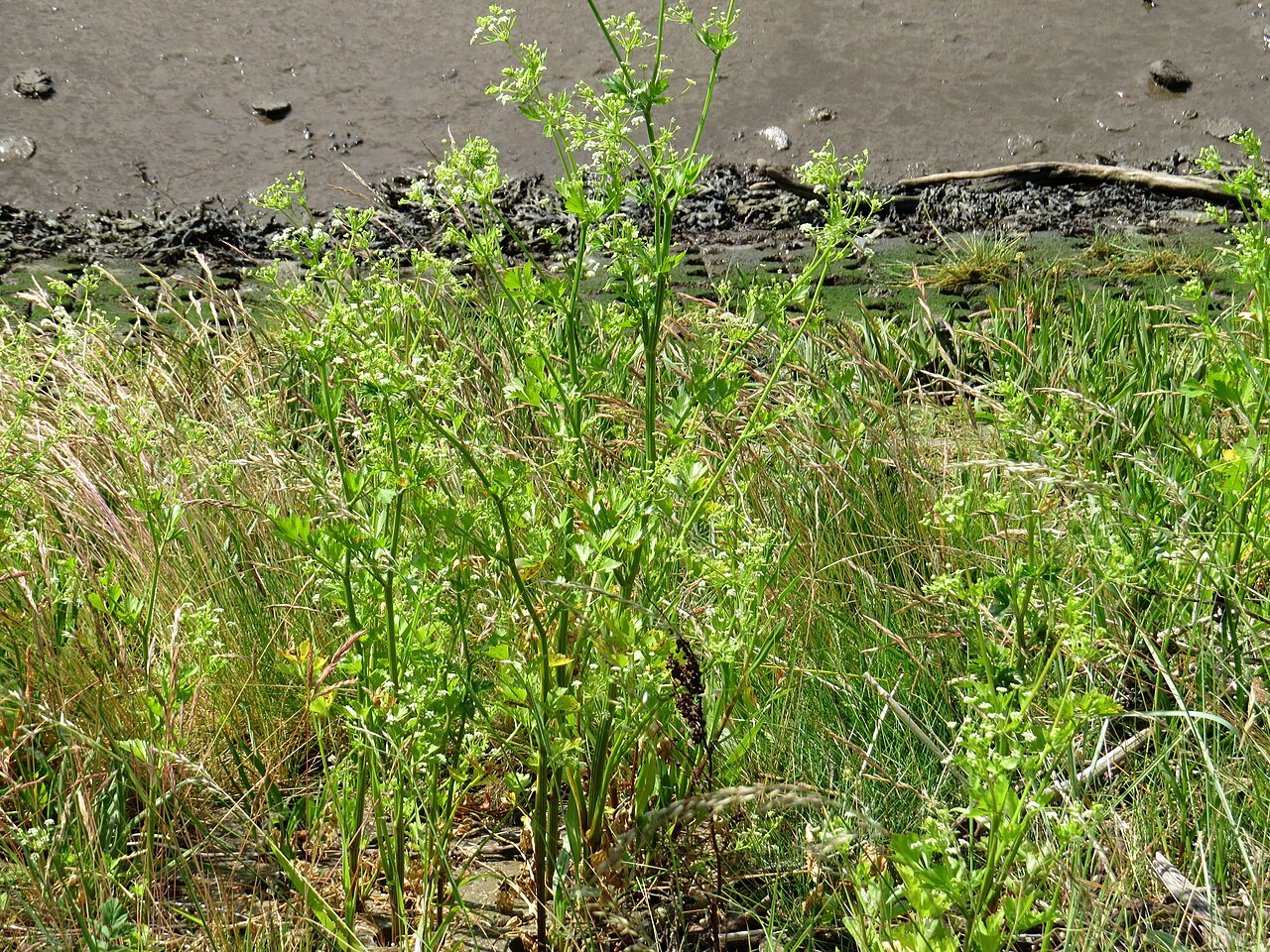
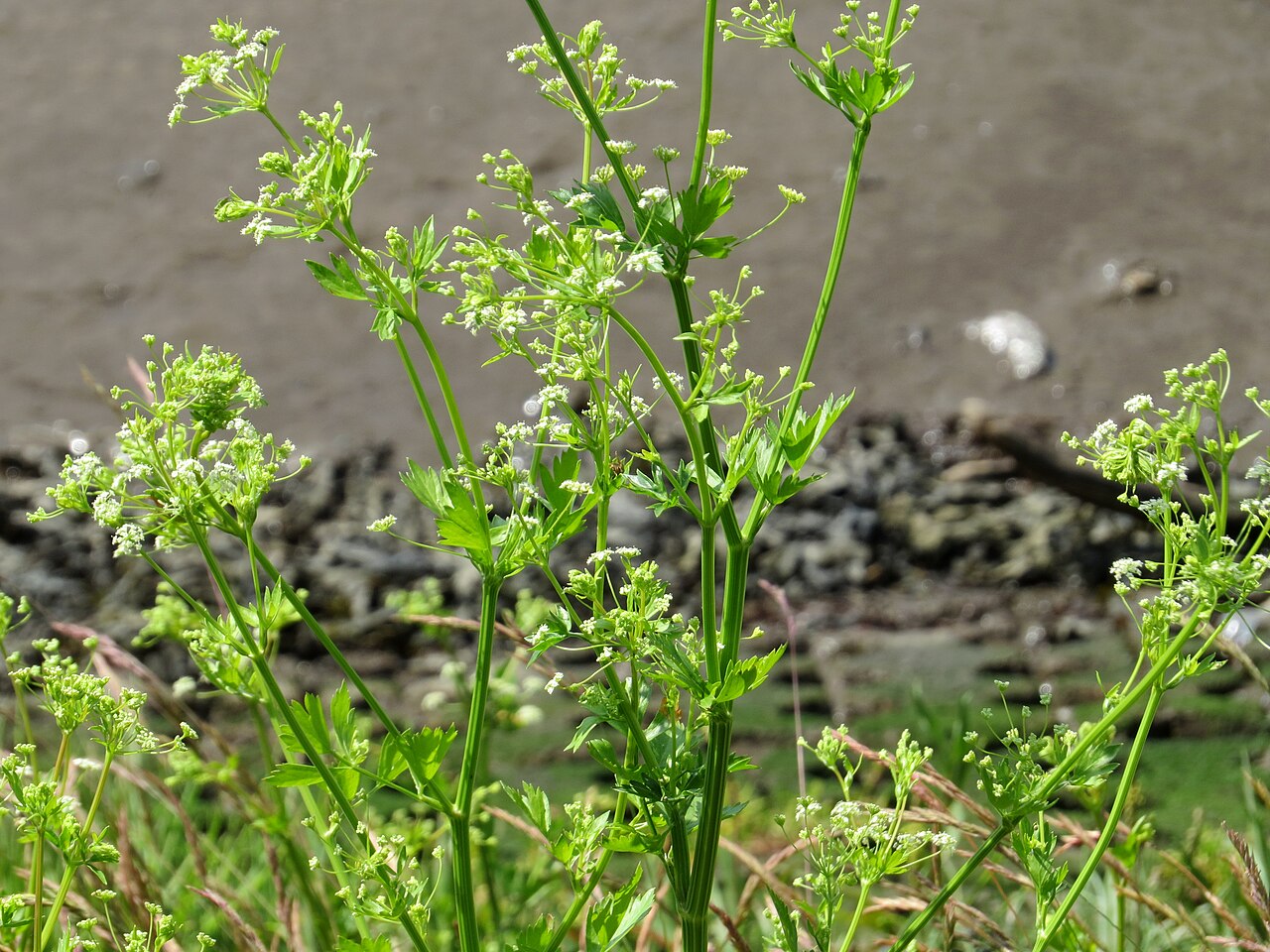
Diamant is a popular celeriac from Bejo Seeds, listed at 115 days, with smooth, white roots and a mild, sweet flavor — the kind of variety that becomes a standard because it does the job without drama. It appears on extension variety lists alongside Brilliant, which is a good sign: extension lists are conservative, and Diamant earned its place there.
Cook it as you would any good celeriac: raw grated in remoulade, mashed, souped, or roasted. Its smooth skin is a practical virtue — less time peeling, more time eating — and its mild sweetness makes it a good first celeriac for cooks who found other types too strongly celery-flavored.
If you are new to choosing between cultivars, the Varieties Matter guide explains why the name after the plant matters as much as the plant itself. And if you want the whole clan at a glance, the broader Celeriac guide covers celeriac generally.
How to grow
Grow Diamant as a Florida fall-and-winter crop, best in the north: start indoors 10 to 12 weeks before transplanting, set out in fall, harvest in winter. Rich, moist, compost-heavy soil is non-negotiable, and consistent moisture from transplant to harvest is the difference between a smooth root and a cracked one.
Transplant carefully, spacing as listed, and mulch heavily. Avoid exposing young plants to prolonged cold, which can trigger bolting — in Florida, that means watching fall cold snaps, not assuming warmth.
Water & feeding
Keep the bed consistently moist and mulch well; celeriac punishes drought with cracking and woodiness. Feed steadily with compost and side-dressing through the long season. Think of watering celeriac like watering celery: if the bed looks dry, it already is.
Common problems
Bolting from cold exposure, celery leaf miner, slugs, and cracked roots from uneven water are the usual troubles. Manage them with transplant timing, mulch, and steady watering rather than sprays.
Harvest
Harvest when roots reach 3 to 4 inches or larger, firm and smooth, in winter. Trim and store cool and moist — Diamant keeps well, which makes it a winter pantry root, not a rush-to-eat crop.
Nerdy fact: The name Diamant means diamond in several European languages, and the variety lives up to it in the modest way vegetables can: a smooth, white, hard root that keeps for months, like a gem that happens to be edible and excellent in soup.
Saving seeds
Diamant’s seed behaviour isn’t pinned down — no source confirms whether it is a hybrid or open-pollinated — so buy fresh seed to be safe rather than saving it. The full method is in the Saving seeds section of the Celeriac guide.