
🌾 Digitaria
What it looks like
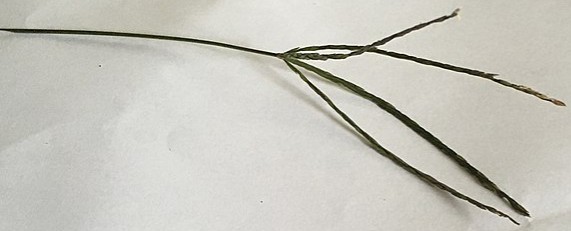
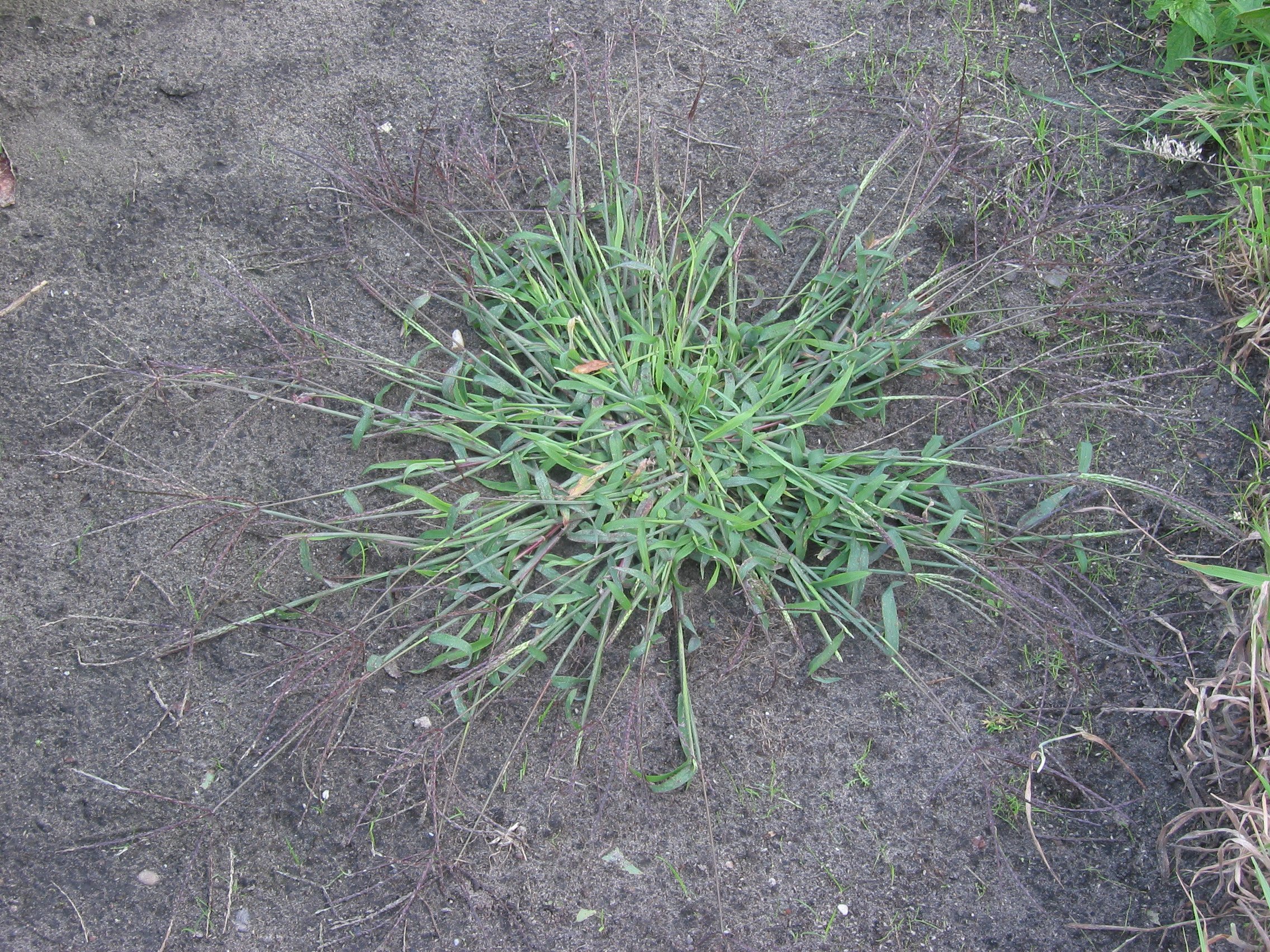
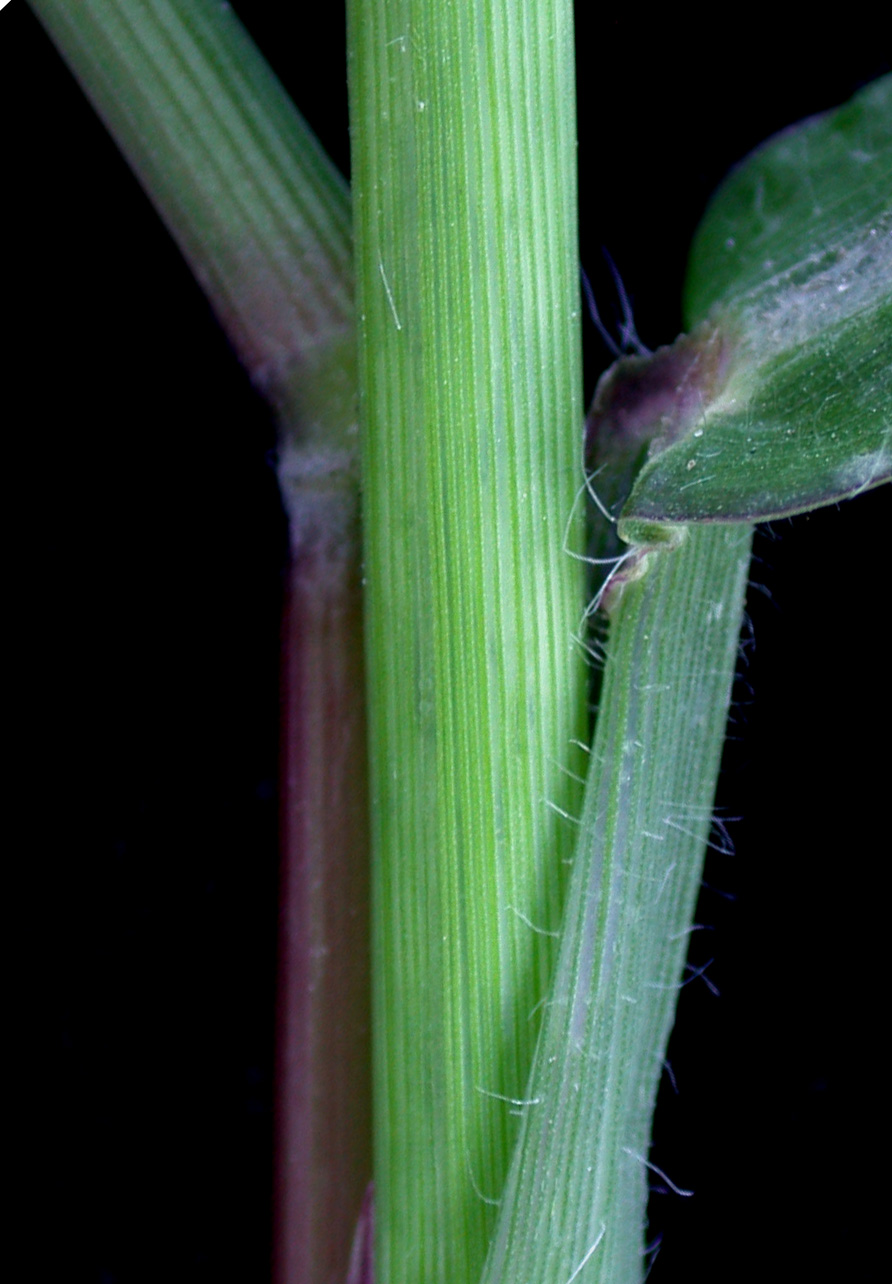
Digitaria is a genus of about 300 species of grasses in the family Poaceae, native to tropical and warm temperate regions but now found across tropical, subtropical and cooler temperate regions too. The common names tell you the whole story in three words: crabgrass, finger-grass, and fonio. The first is the reputation, the second is the identification clue, and the third is the plot twist.
The name comes from digitus, the Latin word for finger, and it is one of the rare botanical names that actually helps you in the field. Digitaria inflorescences are panicles whose spike-like branches spread out in digitate fashion, like fingers from the palm of a hand. Large crabgrass, Digitaria sanguinalis, carries up to nine very long, very thin radiating branches atop its stems, each lined with pairs of tiny spikelets in two rows along an angled or winged rachis. Each spikelet holds two florets, only one of which is fertile. Once you have seen that open-hand seed head, you will recognise a Digitaria anywhere, even if you cannot put a species name on it — and honestly, telling the crabgrass species apart takes minor differences in flower structure and leaf hairiness, which is why most gardeners just call the lot of them crabgrass and move on.
The plants themselves are slender monocots, annual or perennial, forming tufted clumps or spreading mats. The classic lawn crabgrasses have spreading stems with wide, flat leaf blades that lie along the ground with their tips ascending, like a crab scuttling sideways — which is where the “crab” in crabgrass comes from, not from any relationship to actual crabs. Stems branch at the base, the lower branches sprawling while the upper ones stand more erect, and a colony can expand outward in a circle. They are warm-season annuals in the lawn context: seed germinates in late spring and early summer, the plants race through summer, and they die back in autumn, leaving bare patches where the seeds wait for next year. One plant-care reference puts a single plant’s seed output at up to 150,000 seeds in a season, which explains why crabgrass behaves less like a weed and more like a recurring subscription you never signed up for.
But do not let the lawn reputation fool you into thinking the genus is all villain. Digitaria is also one of Africa’s oldest cultivated cereals, a tropical pasture grass, and a forage plant, and the same finger-like seed head that infuriates a lawn keeper feeds people, cattle, and — relevant to this project — skipper caterpillars. A genus that contains both a weed and a staple crop deserves a guide that holds both truths at once.
How to grow
First, decide which Digitaria you are growing, because “how to grow Digitaria” splits into two opposite jobs: growing it on purpose, and stopping it from growing where you did not plant it. Both jobs start from the same biology. These are warm-season grasses that love full sun to part sun, germinate when the soil warms in late spring, and grow fast in summer heat. They are adaptable to poor soils and to moist-to-dry clay loams, which is precisely why they thrive in the thin, stressed patches of a lawn where the turfgrass is struggling.
If you are growing fonio on purpose — white fonio, Digitaria exilis, or black fonio, Digitaria iburua — you are growing a West African staple cereal that has been cultivated for thousands of years. Fonio grain is tiny, and it is toasted, milled into flour, cooked as porridge, or fermented to make beer. It is a warm-season, short-cycle grain for hot climates and poor soils, not a crop for a cool temperate vegetable bed, and it earns its place in dry, sandy ground where wheat and maize sulk. Sow in warm soil after the last frost, give it full sun, and do not pamper it: fonio’s whole reputation rests on producing food where fussier cereals fail. The same goes for pangola grass, Digitaria eriantha, grown as tropical pasture and hay: it wants tropical or subtropical warmth, moist soils suit it best though it tolerates drought and even waterlogging, and it regrows quickly after grazing.
If you are fighting crabgrass in a lawn, the honest advice is cultural before it is chemical. North Carolina Extension’s guidance is the standard version: keep the turfgrass as healthy and dense as possible so its canopy outcompetes crabgrass, and use a pre-emergence herbicide in late winter or early spring to prevent germination if you go the herbicide route. Mow high, water deeply and infrequently, and feed the lawn you want rather than the weed you do not. Pulling mature crabgrass by hand works, but it is a race against the seed bank: every plant you let set seed restocks the soil for next year. And remember the identification trap — crabgrass seedlings look like a lot of other grasses, so confirm the digitate seed head on a mature plant before you declare war on a patch of something else.
For the butterfly gardener, there is a third job: tolerating a patch. Skippers lay eggs on crabgrasses, and their caterpillars eat the leaves. A weedy corner of Digitaria, deliberately left unmowed through the skipper season, is a host-plant patch, not a failure of lawn care. You do not need to cultivate crabgrass to get this benefit — in most of the United States it arrives on its own — but you do need to leave some of it standing instead of spraying or mowing every blade. The tension between a perfect lawn and a skipper nursery is real, and this guide will not pretend otherwise: the compromise is a mowed lawn where you entertain guests and a wilder edge where the skippers eat.
Water & feeding
Digitaria species are not thirsty aristocrats. The lawn crabgrasses grow in moist to dry soils and tolerate poor ground; pangola grass grows especially well in moist soils but tolerates drought; fonio produces on dry, sandy soils with little input. The pattern is consistent: give them sun and warmth, and they will handle the rest with far less water and fertility than a pampered lawn or a grain like maize would demand.
For fonio and pasture species grown on purpose, water to establish, then back off. Deep, occasional watering beats shallow daily sprinkling, because it trains roots downward. Fonio in particular should not be overfed: rich nitrogen on a crop bred for poor soils produces lush leaves and lodging — stems falling over — rather than more grain. A modest dressing of compost at sowing is plenty. For pangola pasture, fertility matters more, since you are harvesting biomass repeatedly as hay or grazing; a grazed or cut stand that is never fed will thin out over time, though it will still outlast most other tropical grasses on the same neglect.
For lawn crabgrass you are trying to suppress, the watering advice inverts: water the lawn deeply and infrequently so the turfgrass roots go deep and the canopy closes, shading the soil surface where crabgrass seed waits for light and warmth to germinate. Bare, sun-baked, thin patches are crabgrass nurseries. Thick turf is the best pre-emergent you own, and it is free.
Common problems
- It is a lawn weed first and a crop second, in most readers’ gardens. Large crabgrass (D. sanguinalis) and smooth crabgrass (D. ischaemum) are the prevalent North American species, and they have spread to nearly every state. Expect them wherever turf is thin, soil is compacted, or mowing is too short.
- The seed bank outlasts your patience. Crabgrass seed can germinate throughout the growing season when conditions are right. One season of letting plants go to seed can mean several seasons of seedlings.
- Identification confusion. Young crabgrass resembles other grasses, and species are separated by small flower and hair characters. Confirm with the mature digitate seed head before treating.
- Pangola stunt virus. The most serious disease of pangola grass (D. eriantha), a dwarfing virus that has reduced the usefulness of the grass in pasture systems. Buy clean planting material and do not propagate from stunted, suspect stands.
- It dies back and leaves bare patches. Annual crabgrasses die in autumn, so a lawn full of them looks fine in August and patchy in November. Overseed or repair thin areas in fall rather than admiring the summer cover.
- Overfeeding fonio. Too much nitrogen on a poor-soil grain gives leafy, floppy plants and less grain. Fonio’s virtue is doing a lot with a little; let it.
Harvest
The harvest depends entirely on which Digitaria you grew. For fonio, the harvest is grain: tiny seeds, toasted, ground into flour, cooked as porridge, or fermented into beer. Fonio has been a staple across parts of the Sahel and West Africa for thousands of years, and its seeds are also noted as decent cattle forage. For large crabgrass itself, the seeds are edible too and have been used as a grain in Germany and especially Poland, where the plant is sometimes cultivated — hence its old name, Polish millet. Nobody is suggesting you replace your wheat with lawn clippings, but the edibility is real, and it reframes the weed: this is a grain that went feral, not a plant with no use at all.
For pangola grass and other pasture species, the harvest is forage: grazing or hay, cut and regrown through the warm season. Pangola’s value is high-quality tropical fodder with good digestibility and crude protein, and its ability to regrow quickly after grazing. For the butterfly gardener, the harvest is different again and invisible: skipper caterpillars, fed on crabgrass leaves, becoming the darting orange and brown skippers of late summer. A patch of crabgrass left standing is a pantry, and the butterflies are the receipt.
Browse all plant & pest guides
Preventing seed spread
This is the one section in the seed-saving project that tells you, firmly and fondly, not to save seed. Digitaria is crabgrass, and crabgrass does not need your help. It is an annual that returns every year for one reason only: last year’s plants dropped seed, and that seed waited in the soil for warmth and light. A single vigorous plant can shed an enormous number of seeds, and those seeds can lie dormant for years, so every seed head you let mature is a down payment on several future summers of weeding. The goal here is not a harvest. It is a boycott.
The work starts with mowing, and with timing. Mow often enough, and high enough, that crabgrass never gets to finish a seed head. A dense, tall canopy shades the soil and starves crabgrass seedlings of the light they need to germinate, so resist the urge to scalp the lawn: short mowing opens the canopy and is practically an invitation. When you see the finger-like seed spikes rising, you have missed the easy window for that plant, but you have not lost the war. Mow before those spikes ripen and shatter, and if seed heads are already present, bag the clippings and put them in the trash. Do not compost them, and do not mulch-mow them back onto the lawn: home compost rarely gets hot enough, for long enough, to reliably kill weed seed, and mulching seeded clippings just re-sows the problem neatly across the yard.
Hand-pulling belongs in the same campaign. Pull small patches when the soil is moist, getting the whole sprawling plant, roots and side shoots included, and bag what you pull the same way, straight into the trash, before the seed heads can shake loose on the walk to the bin. Then fill the gap the weed leaves behind, because bare soil is where the next generation starts. Overseed thin areas in the season suited to your lawn grass, water deeply and infrequently so the good grass roots down hard, and feed according to a soil test rather than on a guess.
For the following spring, the preventive tool is a pre-emergent applied before the soil warms to the germination window, roughly when soil temperatures hold in the mid-50s Fahrenheit for several days, which in many areas lines up with early spring lawn wake-up. Pre-emergent does not kill existing plants; it stops new seedlings establishing, and it will also stop desirable grass seed, so do not use it where you plan to sow lawn seed. One honest exception to this whole section: fonio, Digitaria exilis, is a grain crop deliberately grown for its tiny seeds, and for fonio the seed genuinely is the harvest. That exception belongs to a fonio field, not to a lawn. If the Digitaria in your yard is the sprawling weed with finger-like spikes, treat its seed as the problem it is, and keep it out of your soil, your compost, and your seed packets.
Species in this group
Large crabgrass / hairy crabgrass — Digitaria sanguinalis — The classic North American lawn weed, a warm-season annual with sprawling stems, wide flat blades, and up to nine radiating seed-head branches; seed edible, used as grain in Germany and Poland (Polish millet).
Smooth crabgrass — Digitaria ischaemum — The other prevalent North American lawn crabgrass, similar in habit to large crabgrass but smoother in leaf and sheath; separated from its cousin by small flower and hair characters.
Southern crabgrass — Digitaria ciliaris — A warm-climate crabgrass of tropical and subtropical regions, also weedy in lawns and gardens where it is established.
Creeping crabgrass — Digitaria horizontalis — A warm-season annual spreading by creeping stolons into dense mats, also called summer grass; used as livestock forage in parts of its range.
White fonio — Digitaria exilis — The great West African staple grain, cultivated for thousands of years; tiny seeds toasted, milled, cooked as porridge, or fermented.
Black fonio — Digitaria iburua — The second fonio grain, also a West African staple, grown alongside white fonio.
Raishan — Digitaria compacta — A grain crop of northeast India, in the same edible-seeded tradition as fonio.
Pangola grass / digitgrass — Digitaria eriantha — A perennial tropical pasture grass native to southern Africa, 35 to 180 cm tall, valued for high-quality forage, drought tolerance, waterlogging tolerance, and fast regrowth after grazing; susceptible to pangola stunt virus.