
🌲 Douglas Fir
What it looks like
How to grow
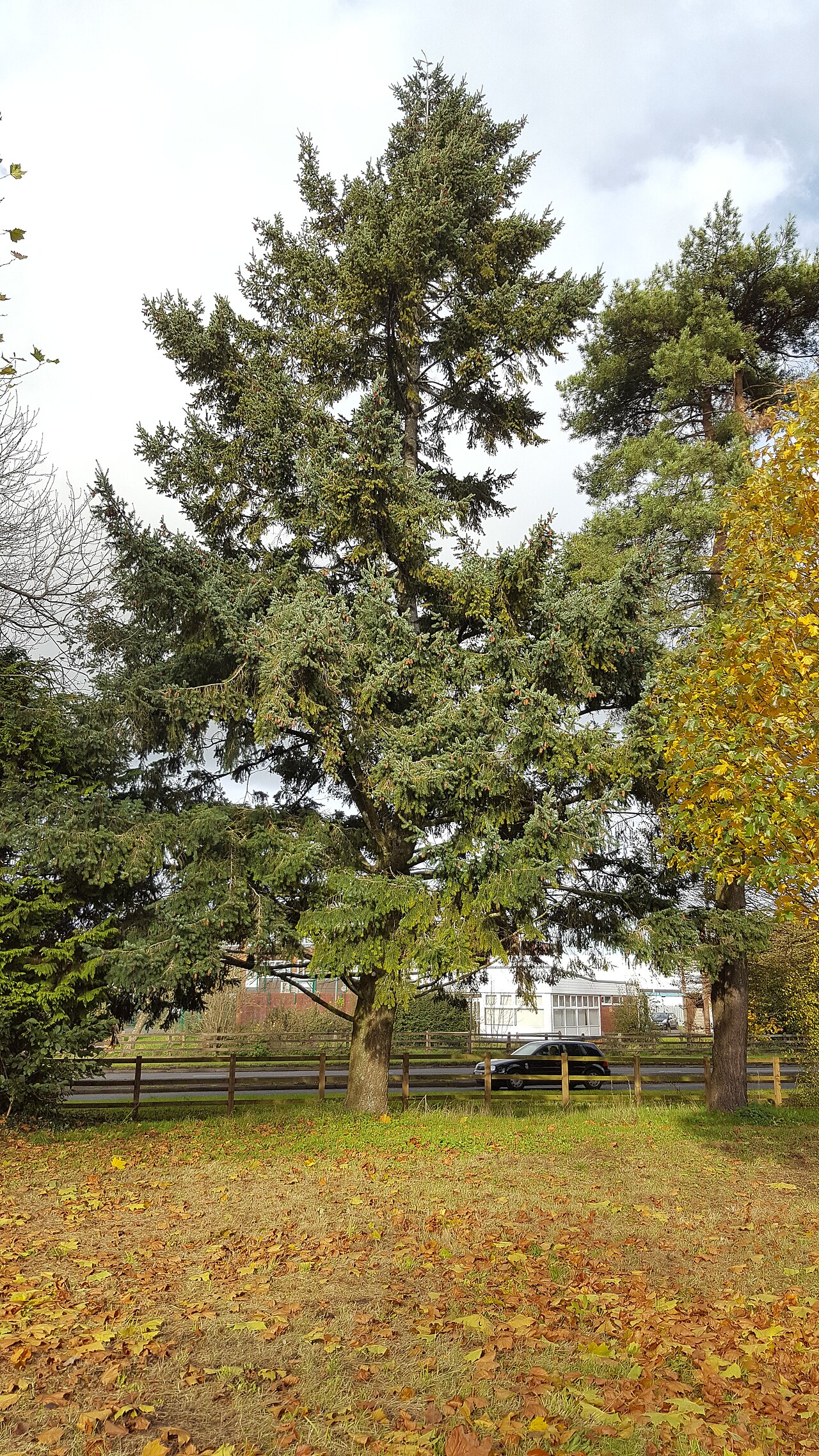
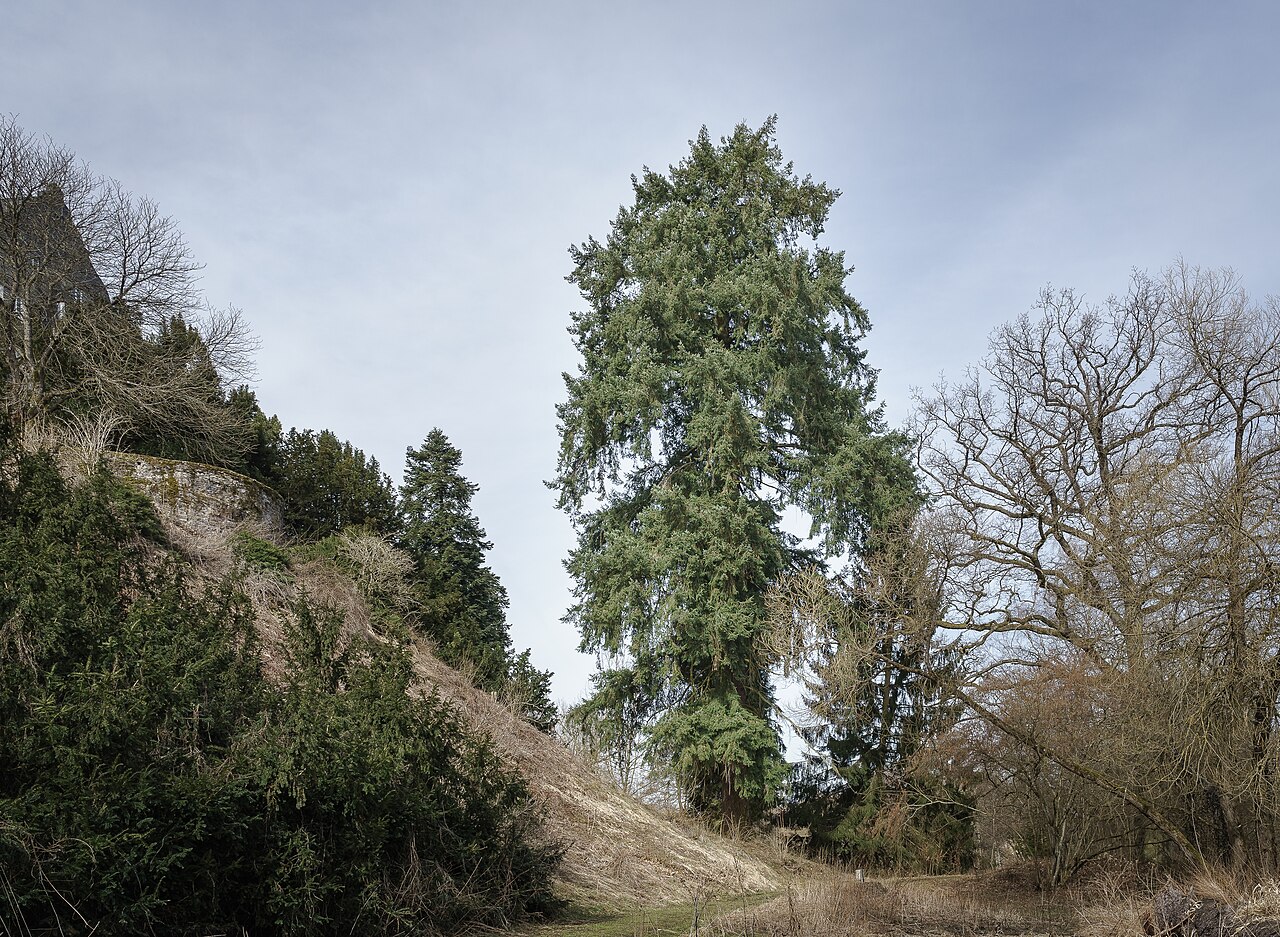
Douglas fir is not a true fir at all, but a giant evergreen conifer that reaches 80 feet or more in gardens and far taller in the wild, with soft, fragrant needles and distinctive cones whose three-pronged bracts stick out like little mouse tails. Buy for your region: coastal forms are less cold-hardy and hate hot, humid summers, while Rocky Mountain forms are hardier (zones 3-6) and more drought tolerant but still want cool nights. Plant in full sun in deep, moist, well-drained, acidic soil on a slope or raised site if your ground is heavy; Douglas fir rots quickly in wet clay and sulks in the heat and humidity of the Southeast. This is a tree for large properties, windbreaks and screens, not small yards.
Water & feeding
Water deeply and regularly the first two years, then water in dry spells; established trees tolerate moderate drought but grow best with steady moisture. Mulch to keep roots cool and moist, and skip fertilizer unless a soil test shows a deficiency — excess nitrogen invites disease.
Common problems
- Swiss needle cast and other needle diseases in humid or poorly ventilated sites — space generously and site for air movement.
- Root rot in wet, heavy soil — the commonest killer; improve drainage or choose another tree.
- Canker and bark beetles on stressed trees — keep the tree vigorous and avoid wounding bark.
- Salt sensitivity — keep it away from heavily salted roads and driveways.
Notes
Douglas fir is one of North America’s great timber trees and a beloved Christmas tree, but in a garden it earns its keep as a fast, dense, evergreen screen and windbreak. If you have the space and the climate, few conifers give you so much presence so quickly.
Browse all plant & pest guides
Saving seeds
Douglas fir seed saving starts with a confession the tree itself would probably make if it could: it is not a true fir at all. Pseudotsuga menziesii sits in its own genus, Pseudotsuga, and its cones give the game away — hanging cones with three-pointed bracts poking out between the scales like little mouse tails, a feature no true fir cone carries. Those cones are your seed packet, and timing is everything. Collect them when they have turned brown but before the scales gape open, generally from August into October depending on elevation and latitude, and ideally a couple of weeks before they would open on their own. Nursery practice favours cones from trees roughly twenty to one hundred years old, since very old trees tend to give lower germination; cones picked from the tree beat ground cones, which may already have shed their best seed. Carry them in a breathing paper sack or basket — plastic traps moisture and invites mould.
Spread the cones in a warm, dry, airy place and let them open; gentle heat, around 38 to 42 degrees Celsius for a few hours, will coax stubborn ones. Shake and tap the open cones over a tray to release the winged seeds, then rub the papery wings off gently between your palms. The viable seeds are small, brown, and slightly triangular. Dry the cleaned seed well before storage — nursery references aim for roughly five to eight percent moisture — and store it cool, dry, and airtight, with a desiccant packet. In Florida humidity, that airtight jar is not optional garnish; it is the difference between seed and compost. Douglas fir is a mast-seeding tree, with heavy seed crops only every five to seven years, so a good cone year is worth celebrating and worth collecting from generously.
Before sowing, the seed needs winter, or an imitation of it: soak for a day or two, then cold-stratify in damp sand or peat in a sealed bag in the fridge. How long is a question sources answer differently: about four to six weeks is the typical nursery figure, some references stretch that to sixty or ninety days, and research with carefully controlled moisture has gone far longer for more synchronous germination. For a home gardener, a month to six weeks in the fridge is a sensible starting point, with longer — up to a few months — likely to improve uniformity. Sow in deep pots, because a fir seedling puts down a taproot early, about a quarter of an inch deep in a sandy, well-drained mix, kept evenly moist. Germination at cool temperatures, around 15 degrees Celsius, typically runs over a few weeks; thin to one seedling per pot and grow on in bright light with good air movement.
Finish with two truths. First, seedlings are true to the species but not to named forms: the blue Glauca and weeping Pendula forms at the end of this guide are propagated by grafting or cuttings, not seed — seed from a weeping tree gives you a Douglas fir, not a weeping Douglas fir. Second, the Florida note, stated without flinching: Douglas fir is a tree of cool, well-drained western mountains and northern forests, and it is not a Florida tree in any honest sense. Fridge stratification can fake a winter, but it cannot fake a cool summer, so treat this as an experiment, not a plan for a backyard forest giant. Label the packet with the parent tree, the cone year, and the stratification start date.
Varieties
Every named variety of Douglas Fir with its own growing guide:
- Glauca Douglas Fir — The blue Douglas fir: soft blue-green needles on the hardier Rocky Mountain form, the Douglas fir for collectors and cold gardens.
- Pendula Douglas Fir — The weeping Douglas fir: twisting trunk and drooping branches, the Douglas fir that looks like a tree caught mid-dance.