
🥕 Duplex Scorzonera
What it looks like
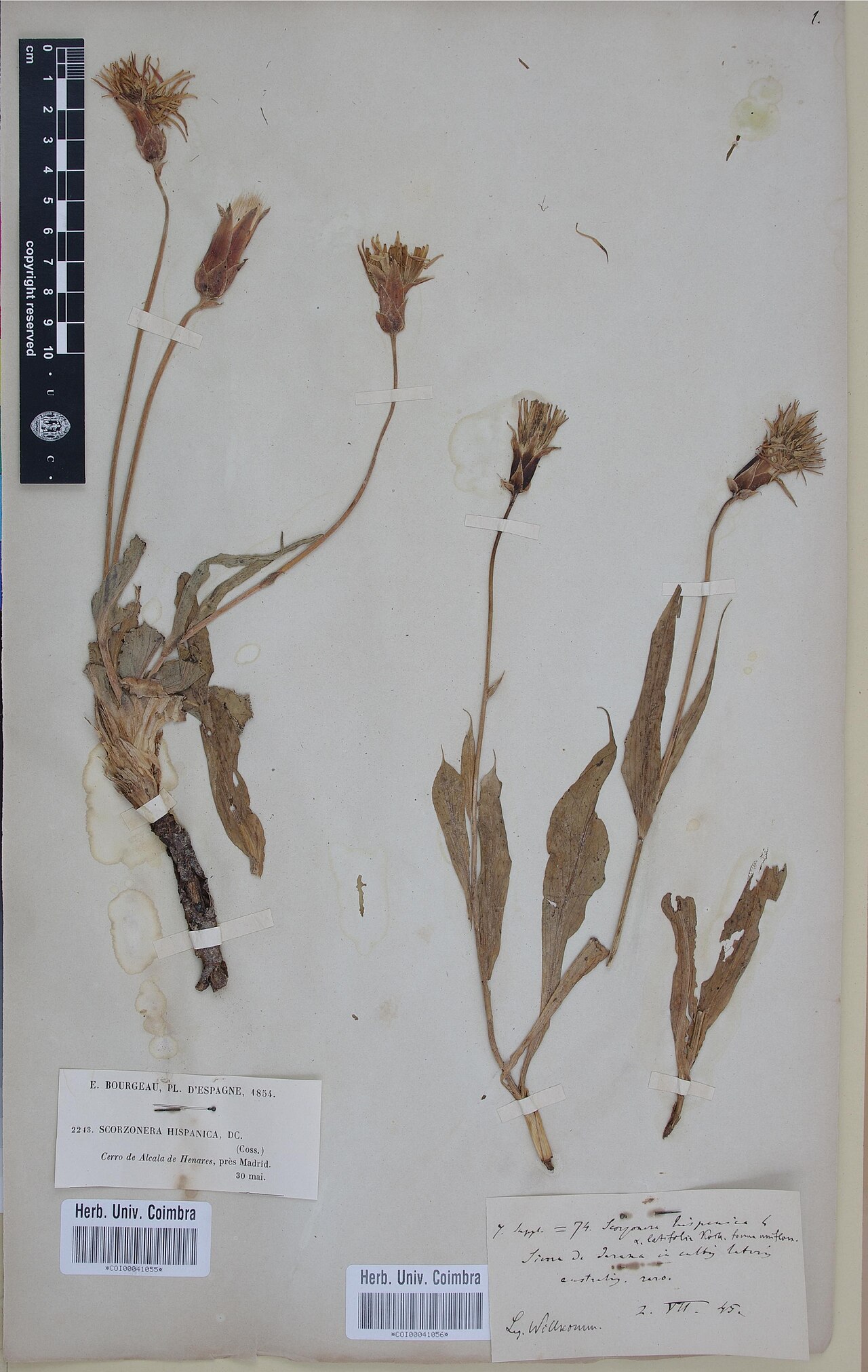
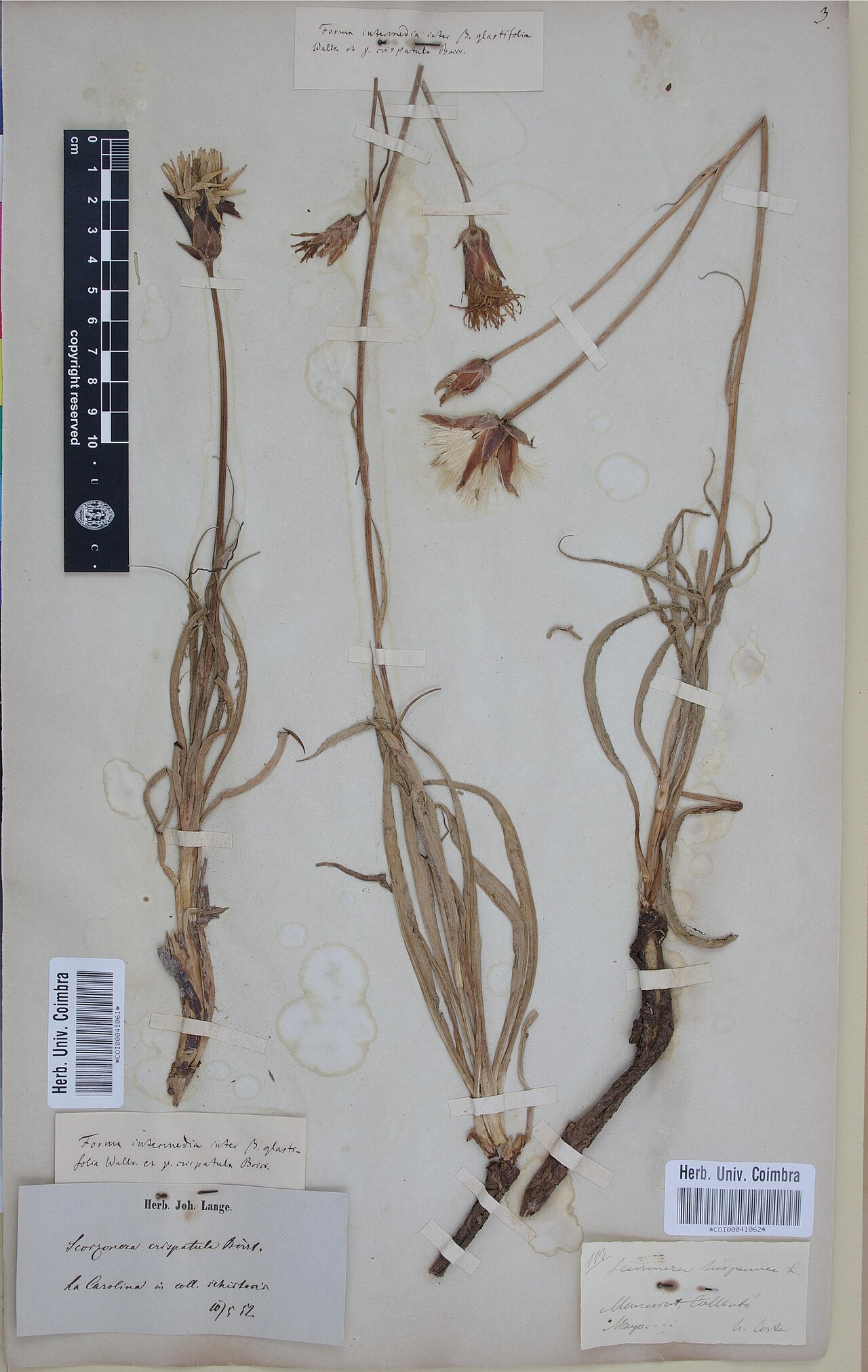
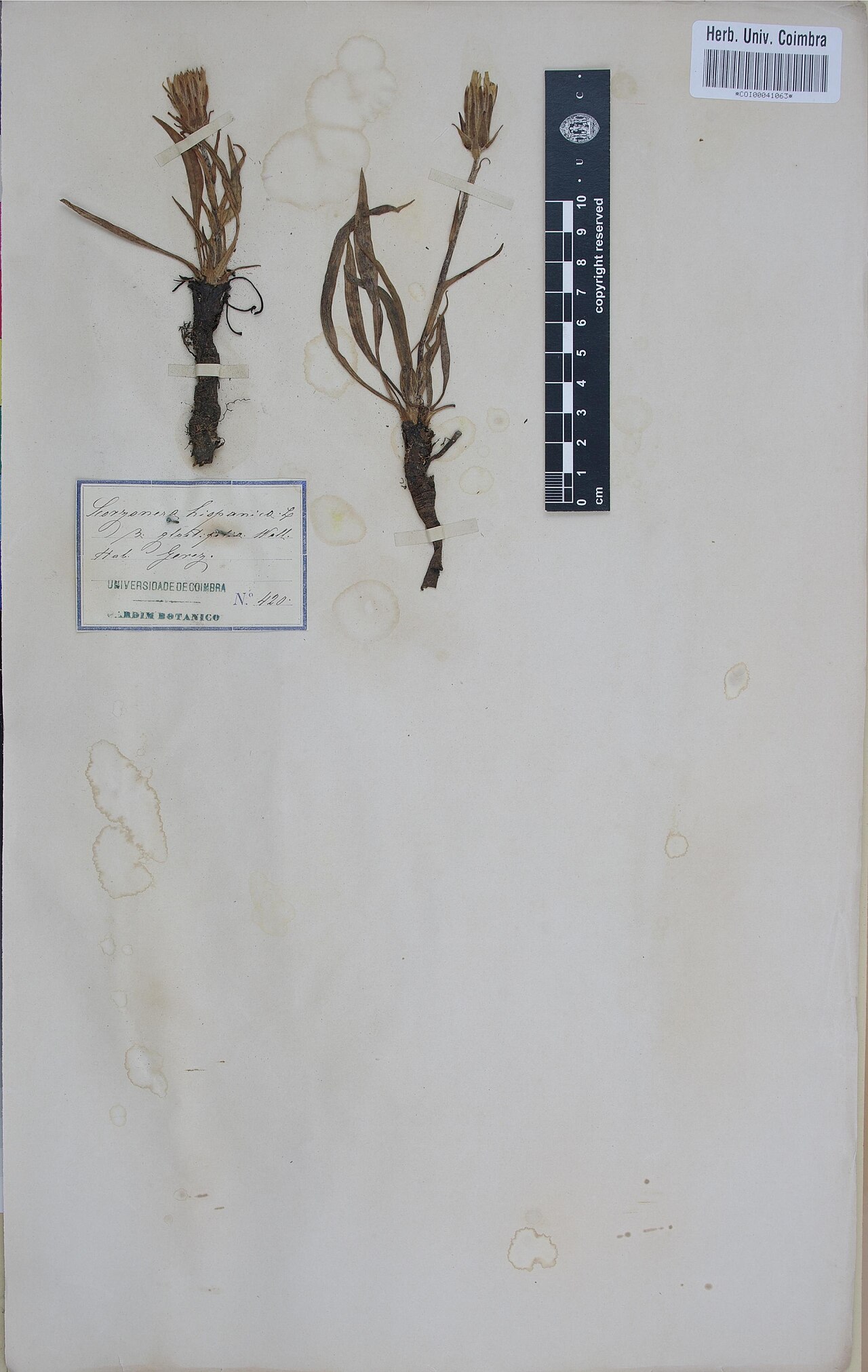
Why this variety
Duplex is the scorzonera for gardeners who like their roots tidy: a variety noted for uniform root development, smooth black skin, consistent size, and good resistance to splitting — which matters more than it sounds, because a split scorzonera root is a root that rots in storage and looks like it lost an argument. Where older scorzonera strains give you a mixed bag of thick, thin, and forked roots, Duplex gives you a harvest that looks like it was graded, which makes peeling faster and cooking more even.
The eating quality is the classic scorzonera profile: black skin, white flesh, and a mild, sweet flavor with hints of oyster and asparagus that makes it a winter soup and side-dish staple in European gardens. Peel it into acidulated water, simmer it tender, and finish it with butter — a Duplex root, evenly sized, cooks in the same time as its neighbors, which is a small mercy that adds up across a whole harvest.
If you are new to choosing between cultivars, the Varieties Matter guide explains why the name after the plant matters as much as the plant itself. And if you want the whole clan at a glance, the broader Scorzonera guide covers scorzonera generally.
How to grow
In Florida, scorzonera — black salsify — is a north-of-the-state trial, and an honest one: it is a perennial root that wants deep, loose soil and a long, mild season, and it will test your patience in a state that likes to rush everything. Sow in fall, let the black-skinned roots grow through winter and spring, and dig them when they are thick — or leave the plant in place and harvest as a perennial, taking roots as needed while the crown regrows. In hotter, more humid ground, give it afternoon shade, deep mulch, and a raised bed, and count any thick, straight root as a victory worth bragging about.
Direct-sow in fall in deep, loose, stone-free soil, spacing about 4 inches apart, and use fresh seed — scorzonera seed, like salsify, loses viability quickly, so sow this year’s seed, not a packet from the back of the drawer. Keep the soil evenly moist, thin to a hand’s width apart, and give the roots a long, mild season; scorzonera is a perennial by nature, so a plant left in the ground will keep growing and can be harvested as needed over more than one season.
Water & feeding
Scorzonera roots go deep, so the soil must stay moist deep down, not just damp on top. Water thoroughly in dry spells, mulch heavily, and feed with compost; a drought-checked root turns thin and woody, and the whole point of scorzonera is a thick, tender root.
Common problems
Scorzonera has few serious pests, and its main troubles are soil-deep: stones fork roots, drought thins them, and a crusted surface beats seedlings. Work the bed deep — a foot or more — keep it moist while seedlings establish, and mulch heavily to hold that moisture through the dry spells that turn a thick root into a thin one.
Harvest
Dig when the roots are thick, about as wide as a finger or more, usually from late fall into spring, and harvest as needed if you are growing it as a perennial — the crown regrows, and a plant left in place gives you roots, winter leaves for salads, and yellow flowers in the second year. Peel under water to keep the white flesh white, and cook promptly; a peeled scorzonera browns quickly and judges you silently while it does.
Nerdy fact: Scorzonera’s old names — viper’s grass, serpent root — come from a medieval belief that it cured snakebite, a claim modern medicine does not support but gardeners have not forgotten. The name is a fossil of folk medicine, preserved in a plant that turned out to be far more useful in soup than in snakebite kits.
Saving seeds
Duplex’s hybrid status isn’t pinned down — no source states whether this scorzonera is open-pollinated or a hybrid, so buy fresh seed to be safe. The full method is in the Saving seeds section of the Scorzonera guide.