
🍀 Durana White Clover
What it looks like
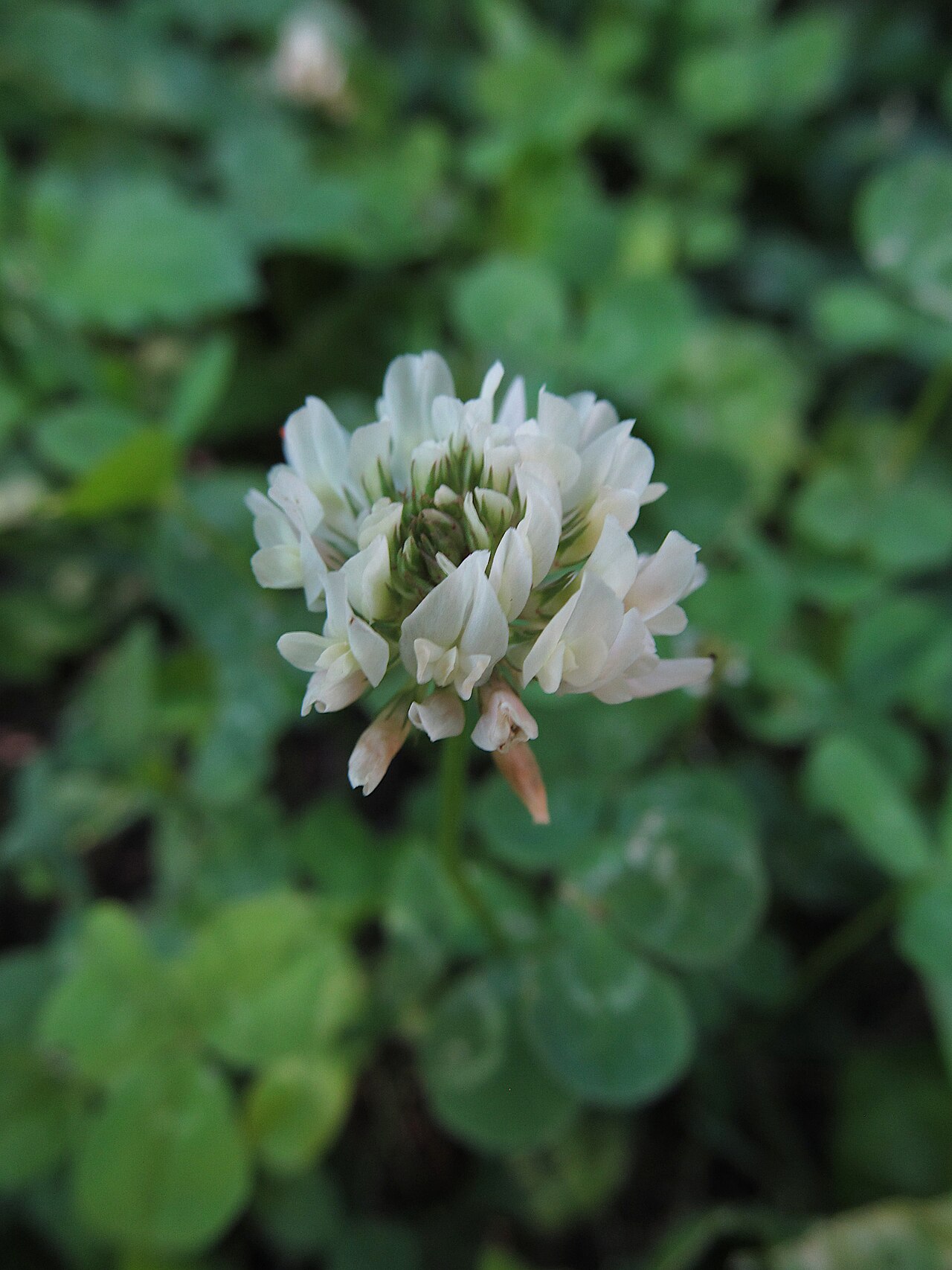
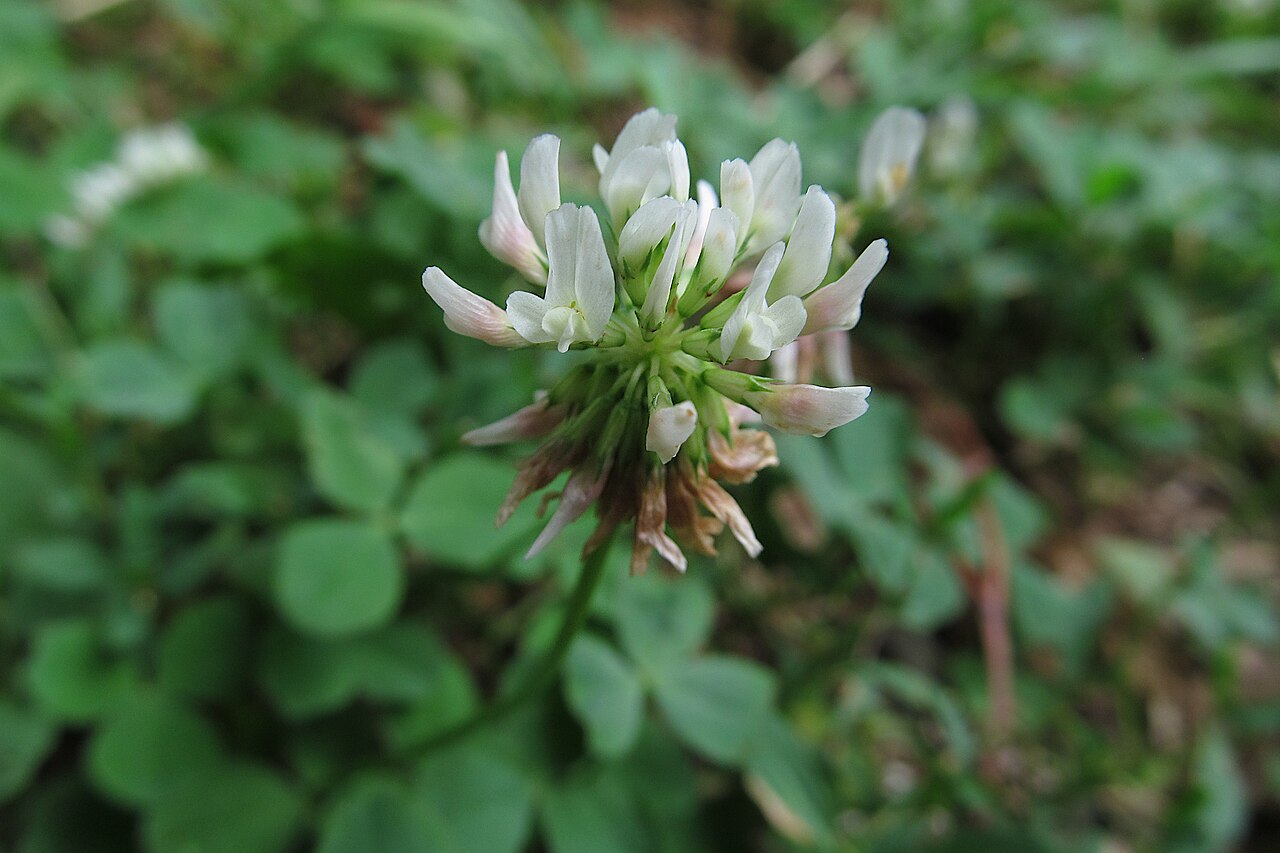
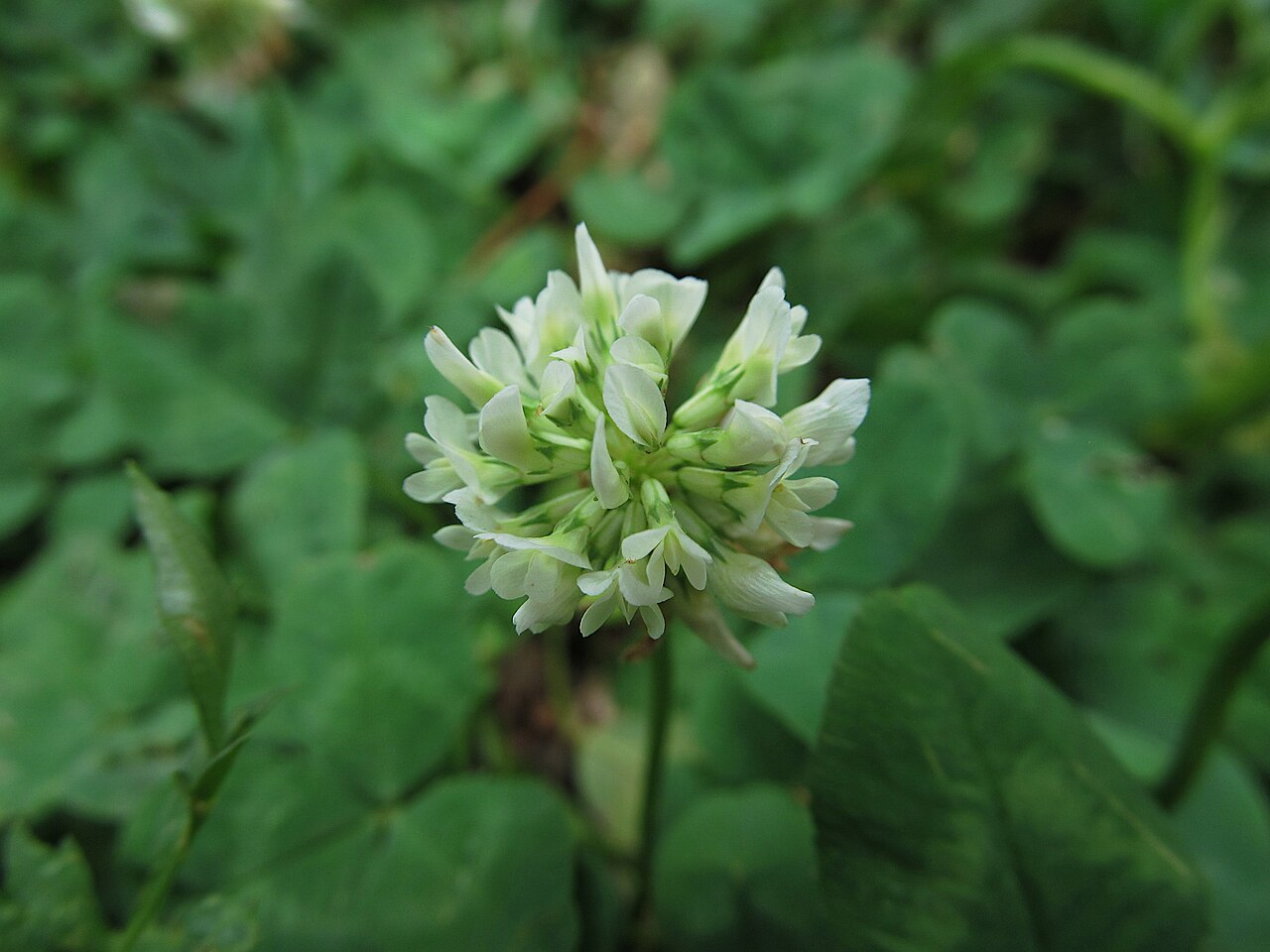
Why this variety
Durana is the white clover you plant when you are tired of replanting white clover. It is an intermediate type — smaller-leaved and lower than the big ladino clovers, but far more persistent — developed for grazing systems where the clover gets stepped on, bitten off, and generally abused, and is expected to come back anyway. Its superpower is not first-year yield, which is modest next to a ladino, but staying power: it tolerates defoliation, reseeds prolifically, and keeps producing in years when ladino stands have thinned out and given up.
That persistence is why extension trials keep recommending it across the Southeast. Durana handles drought-prone and infertile sites better than most white clovers, and it keeps a stand going under close grazing where a ladino would fade. The trade-off is honest and worth knowing: in the establishment year it yields less than a ladino, so a first-season comparison flatters the wrong plant. Judge Durana in year three, when it is still there and the competition is not.
If you are new to choosing between cultivars, the Varieties Matter guide explains why the name after the plant matters as much as the plant itself.
Florida honesty: white clover is a cool-season plant here, not a summer lawn. Sow in fall, enjoy it through the cool months, and expect it to fade in summer heat — in the far south it may behave as an annual that returns from seed. Durana’s reseeding habit is an asset in that rhythm: let some plants set seed in spring and the next cool season often brings volunteers.
How to grow
Sow in fall into a prepared seedbed or overseed into existing grass, at 2–3 pounds per acre in mixtures. Seed shallow — a quarter to a half inch deep — and keep the seedbed moist until seedlings are established. Inoculated seed matters: white clover fixes nitrogen only with its rhizobium partner, so use coated or inoculated seed unless clover has grown in that soil recently. Work compost or worm castings into the bed before sowing to give seedlings a living soil to root into, and mow or graze lightly at first rather than scalping a young stand.
Water & feeding
Water to establish, then water steadily through dry spells in the cool season — white clover likes moist soil and sulks in drought. Once established it needs little or no nitrogen fertilizer, because it makes its own; what it appreciates is organic matter and a soil pH near neutral. In a lawn blend, mow at a normal turf height and let the clippings fall; in a pasture or cover-crop stand, graze or mow before it gets rank and stemmy.
Common problems
- Thin first-year stand — Durana yields less than ladino types at first; judge it on persistence, not year one.
- Summer fade in heat — a cool-season clover, not a summer grass; expect dormancy or dieback in hot months and reseeding in fall.
- Killed by broadleaf weed killers — you cannot have both a herbicide-treated lawn and a clover stand; pick a side.
- Bee traffic in bloom — a feature for pollinators, a consideration for barefoot traffic; mowing before bloom reduces it.
- Spreading into beds — stolons creep; edge beds if you want the clover to stay where you put it.
Harvest & use
Durana is a forage and soil-building clover first and a lawn plant second. As forage it offers high protein and digestibility, best grazed rotationally and never grazed to bare dirt. As a cover crop, let it grow through the cool season, then mow or turn it under before the next crop — the nitrogen it fixed stays behind in roots and residue for whatever follows. As a lawn component it softens turf, feeds bees in spring, and cuts the fertilizer bill, all while asking for less pampering than the showier ladino types.
Back to the White Clover guide
Browse all plant & pest guides
Saving seeds
Durana is a persistent white clover that reseeds prolifically, so it comes true from seed — save seed from your best stand and let it dry fully before storing, and keep it isolated from other white clovers if you want the Durana type to hold. The full method is in the Saving seeds section of the White Clover guide.