
🌲 Eastern Hemlock
What it looks like
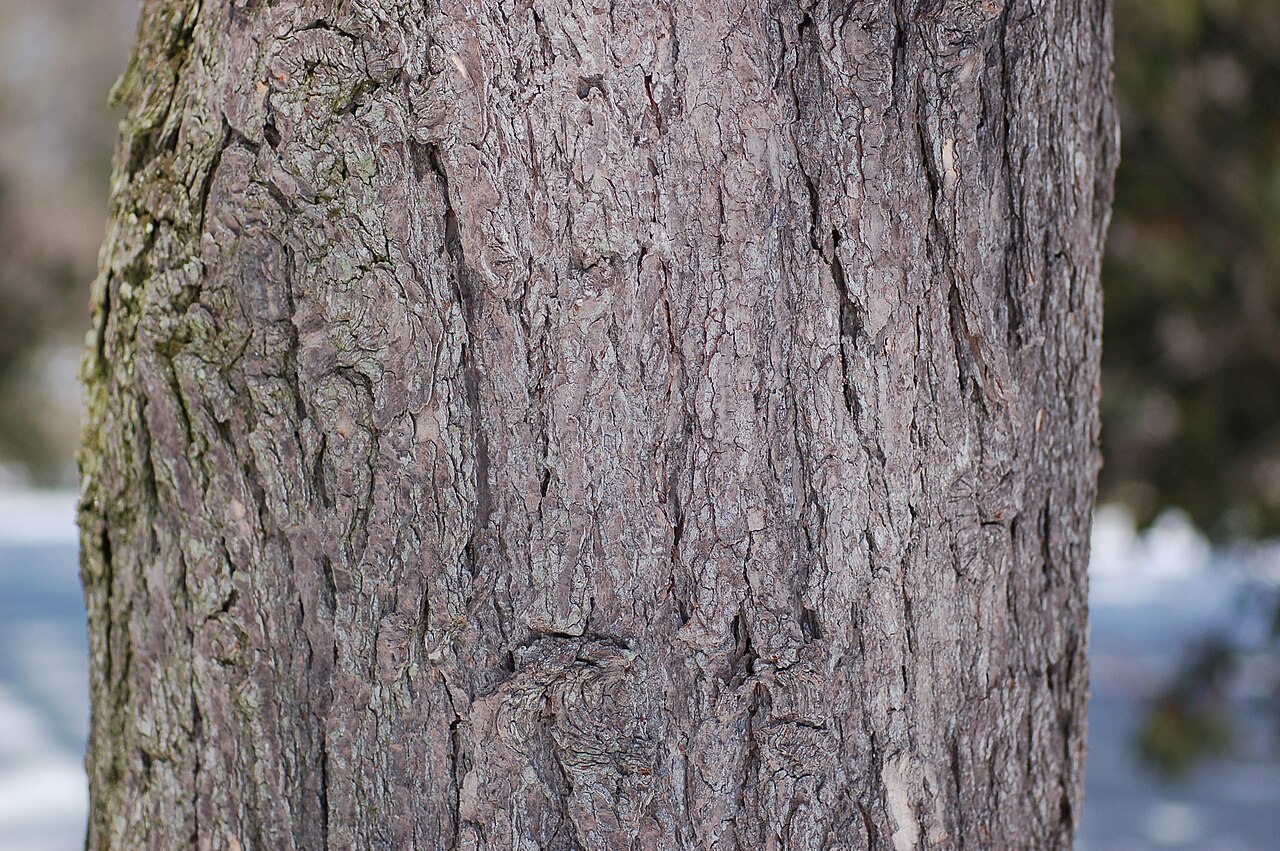
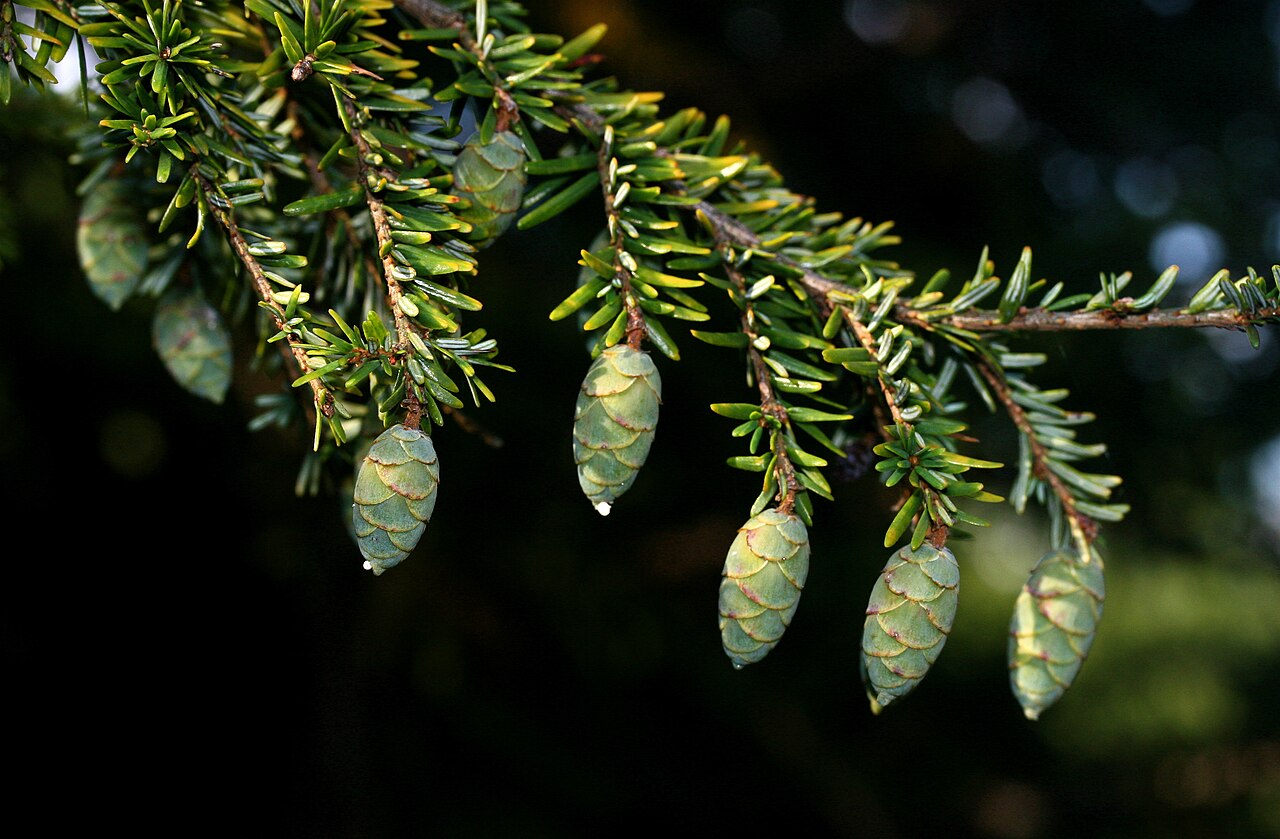
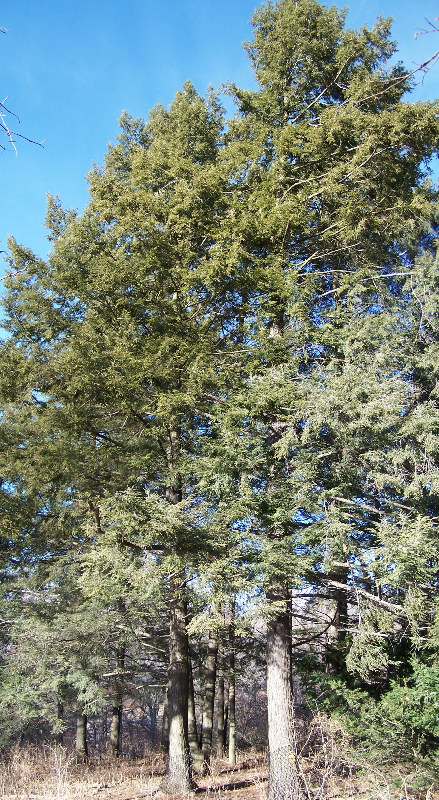
How to grow
Eastern hemlock is a graceful native evergreen, 40-80 feet tall, with a drooping leader, arching branches and short, flat needles in two ranks with pale bands beneath. It is one of the few evergreens that tolerates full shade, which makes it invaluable for woodland gardens, screens and hedges on the north side of a house. Plant in partial shade, sheltered from hot afternoon sun and drying winter wind, in cool, humus-rich, moist but well-drained acidic soil. It will not tolerate drought, heat or polluted city air, and it is not a tree for the Southeast below zone 7 — give it a cool, moist, sheltered site or choose another evergreen.
Water & feeding
Water deeply and consistently, especially the first two years and in any dry spell; hemlock roots are shallow and drought is its great enemy. Mulch thickly with organic matter to hold moisture and keep roots cool, and feed only if growth is weak — compost in spring is enough.
Common problems
- Hemlock woolly adelgid — white, woolly masses at needle bases that can kill trees; scout regularly and treat promptly, and budget for control before planting.
- Elongate hemlock scale, bagworms and spider mites — monitor and treat early; stressed, dry trees suffer most.
- Drought and heat stress — the commonest cultural killer; water and mulch are not optional for this tree.
- Needle blight and canker in wet, crowded sites — space for air and avoid overhead watering.
Notes
Eastern hemlock can live for centuries and is a keystone forest tree, sheltering birds and shading the cold streams that trout need. In a garden it gives you year-round green, winter shelter for wildlife and a calm, forest-floor feeling that few other evergreens match — provided you are willing to watch for adelgids.
Browse all plant & pest guides
Saving seeds
Hemlock seed saving begins with a race against the wind. Eastern hemlock cones are small — roughly an inch long — they mature in a single season, and they open in autumn and let their small, winged seeds fly. Pick cones in autumn just as they begin to open, before they have emptied themselves: brown, slightly gaping cones from a healthy tree, gathered into paper sacks and left in a warm, dry place until the scales open fully and the seed shakes free. A sieve over a tray separates seed from cone debris, and the papery wings can be rubbed or winnowed off. What you have at the end is a pile of very small seeds with very big ambitions, and a tree that may live a thousand years if you get them going.
Storage is simple and forgiving by conifer standards: clean, dry seed in a labelled airtight container in a cool, dark place, or in the refrigerator. The dormancy is the hard part. Hemlock seed needs a cold, moist stratification to wake up — seed mixed with damp sand or peat in a labelled bag in the refrigerator — and sources give a range rather than a single number: a couple of months at around 40°F is the commonly quoted treatment, with research showing that longer cold periods within that range raise germination, and some growers stretching toward three months or more. Treat the range as the truth: stratify for at least two months, longer if you can, and sow in spring in an acidic, moist, well-drained mix, or sow outdoors in autumn and let winter stratify for you.
Set expectations before you sow, because hemlock germination is famously low and erratic — research lots often germinate at well under half, sometimes under a quarter, and even good lots come up unevenly over weeks. Sow thickly, keep the seedbed consistently moist and in light shade, and never let seedlings dry out: young hemlocks are shade-lovers that die quickly in hot, dry soil. Grow them on in light shade with steady moisture, protect them over their first winter, and plant out after the last frosts into the cool, moist, sheltered spot a hemlock actually wants. Growth is slow — this is a tree measured in decades, not seasons — and that slowness is the point.
Seedlings of the straight species grow true to the species in the broad sense: graceful, drooping, shade-tolerant hemlocks. They will not, however, repeat a named cultivar. Seed from ‘Pendula’ will not reliably weep, and seed from ‘Gentsch White’ will not reliably frost itself white in spring; named cultivars are propagated by cuttings, layering, or grafting, not by seed. If you want a forest of generic hemlocks, seed is perfect. If you want one specific weeping form, take a cutting.
Two warnings belong up front for anyone planting a small hemlock forest. First, this is a cool-climate tree, not a Florida tree — seed saving and seedling raising belong to gardeners in its range, where summers are cool and winters are real. Second, before you invest years in seedlings, check the hemlock woolly adelgid situation in your area: the white, woolly masses at needle bases that this guide already warns about can kill trees, and a seedling programme without an adelgid plan is a heartbreak on a ten-year delay. Save seed from vigorous, healthy trees, keep the seedlings moist and shaded, and budget for adelgid control before planting — the thousand-year tree deserves at least that much planning.
Varieties
Every named variety of Eastern Hemlock with its own growing guide:
- Gentsch White Eastern Hemlock — The white-tipped hemlock: new growth tipped in creamy white, the hemlock that frosts itself every spring.
- Pendula Eastern Hemlock — The weeping hemlock: graceful, drooping branches on a soft evergreen, the hemlock that looks like a green waterfall at rest.