
🧅 Egyptian Winter Egyptian Onion
What it looks like
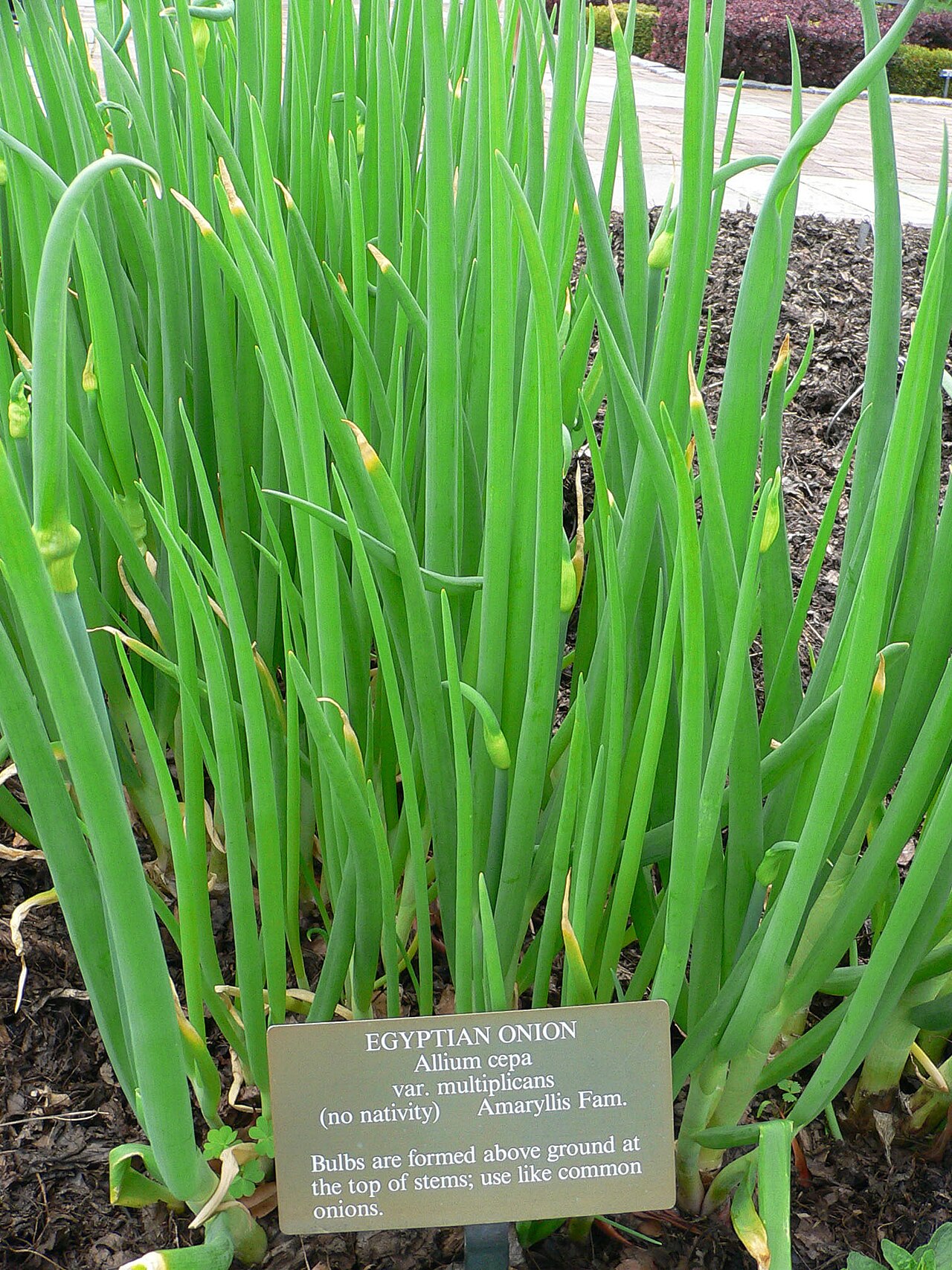
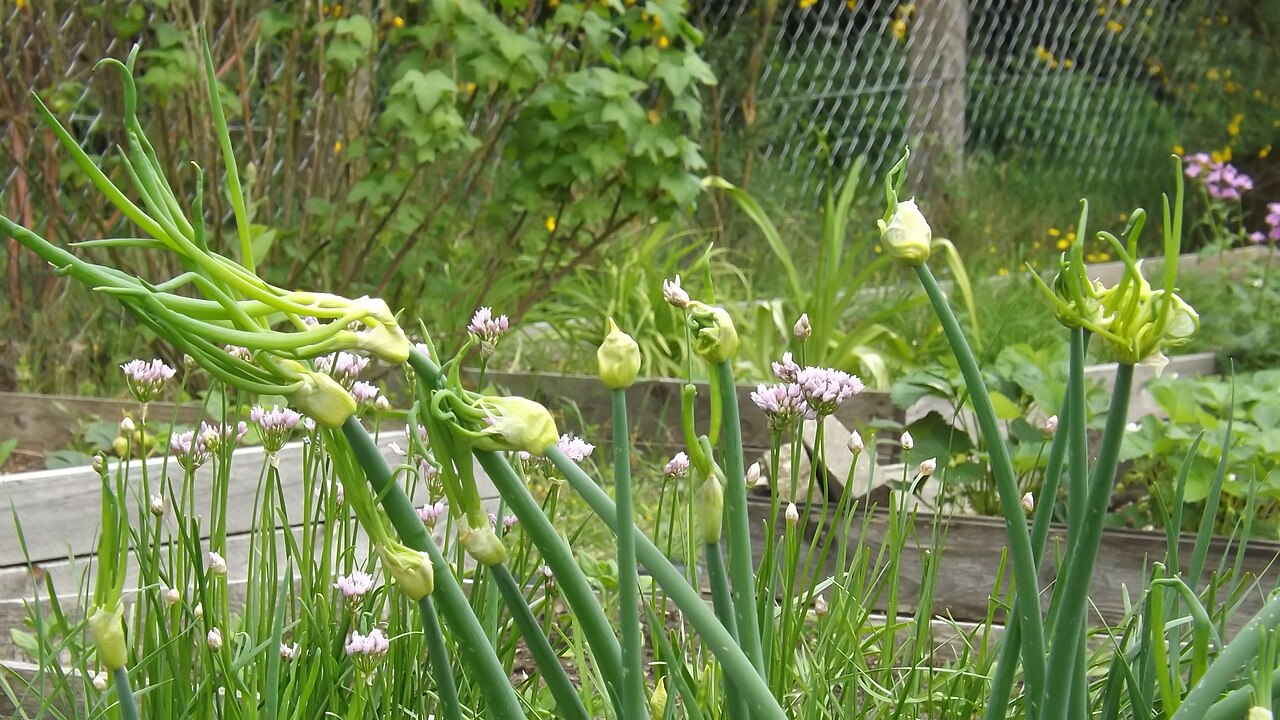
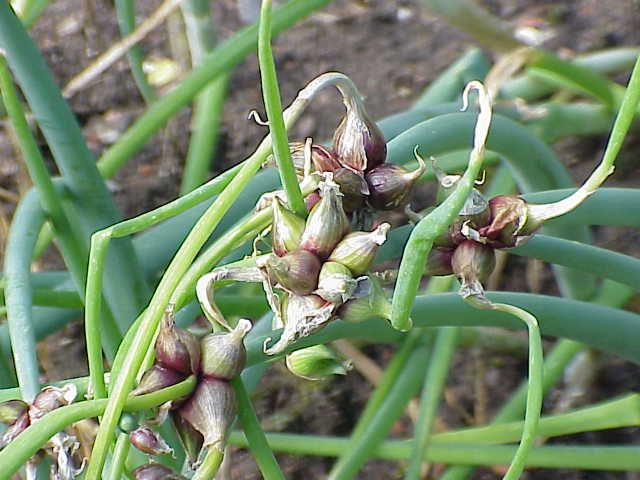
Why this variety
Egyptian Winter is a documented farm strain of the Egyptian walking onion, distinct from the generic type: a topsetting strain kept on a farm homesteaded in the mid-1800s, where it was already growing when the current growers arrived, and sold as a strain prized for the earliest spring harvest. It is a strain name, not a laboratory cultivar — preserved by gardeners, not registered — and that honesty is part of its appeal: it survived because it was useful, not because it was marketed.
For the gardener, Egyptian Winter is the walking onion for the hungry gap: it is frequently the first edible green from the garden in early spring, when little else is growing, and it gives a second harvest of tender shoots later in the year. Plant it in fall, let the roots grow slowly all winter, and eat the tender shoots as mild green onions first thing in spring — the green onion that arrives before the seed catalogs do.
If you are new to choosing between cultivars, the Varieties Matter guide explains why the name after the plant matters as much as the plant itself. And if you want the whole clan at a glance, the broader Egyptian Onion guide covers egyptian onion generally.
How to grow
In Florida, Egyptian onion is a perennial that earns its keep in the north and center and works as a cool-season crop farther south: plant topsets in fall, harvest green shoots through the mild months, and let the plant walk — topsets that touch soil root and start new plants, which is the whole charm and the whole warning. Give it a contained bed or a spot where walking is welcome, because a walking onion that walks into a path is still a walking onion.
Plant topsets in fall, 6 inches apart in well-drained, fertile soil, and let them establish over winter. Harvest shoots in spring, topsets in late summer, and replant the topsets where you want new plants. Give it a contained bed or a spot where walking is welcome, mulch in fall, and feed with compost in fall and spring.
Water & feeding
Egyptian onion wants well-drained, fertile soil and steady water while it is growing, but it forgives a dry spell better than most onions — it is a perennial survivor, not a prima donna. Mulch to hold moisture, feed with compost in fall and again in spring, and do not overwater in summer heat, when the plant would rather rest than swim.
Common problems
Onion maggots, thrips, and the walking habit are the management issues: rotate beds, use row cover for maggots, and harvest topsets promptly so the patch walks where you want it, not everywhere. Summer heat makes the plant rest; do not overwater a resting onion, and do not expect spring vigor in August — Egyptian Winter’s season is the cool months, and that is its gift.
Harvest
Harvest tender green shoots in early spring as the first green onions of the year, and again in fall for a second crop. Harvest topsets in late summer, separate, and replant — or pickle and roast them. Small bulbs from year two are edible but small; the shoots and topsets are the real harvest, and a patch harvested twice a year for decades is the definition of a perennial vegetable.
Nerdy fact: Egyptian Winter’s story is the walking onion’s story: a plant that survived in home gardens for over a century because it was useful, hardy, and self-propagating, passed from farm to farm as topsets in a pocket rather than seed in a packet. Strains like this are living history, and growing one is keeping a farm’s garden going after the farm itself has changed hands.
Saving seeds
Egyptian Winter is a topsetting strain of the Egyptian walking onion, and walking onions are propagated from topsets, not seed — plant topsets in fall and let them walk where you want new plants. The Propagation section of the Egyptian Onion guide covers the route.