
🧄 Elephant Garlic
What it looks like
How to grow
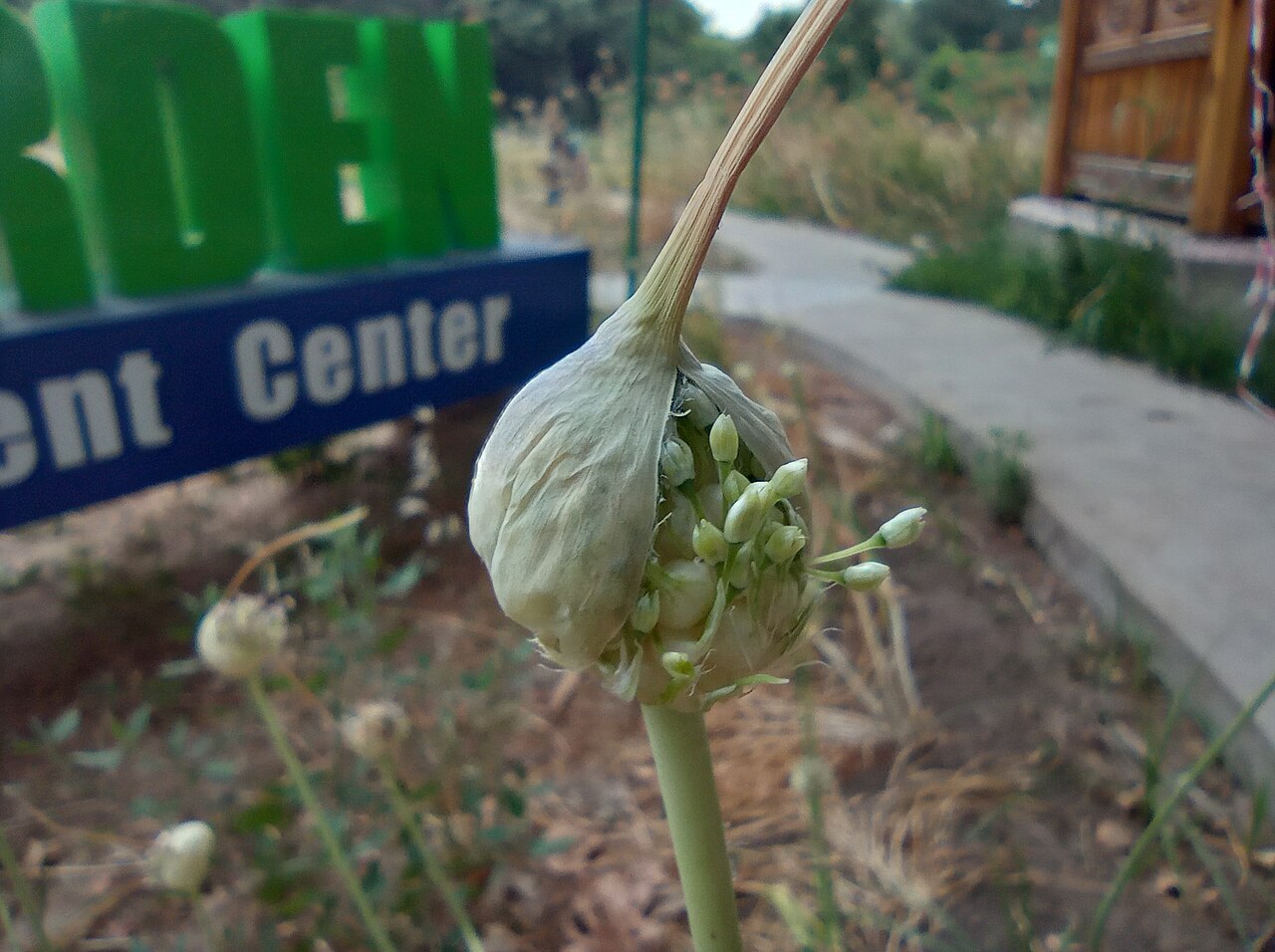
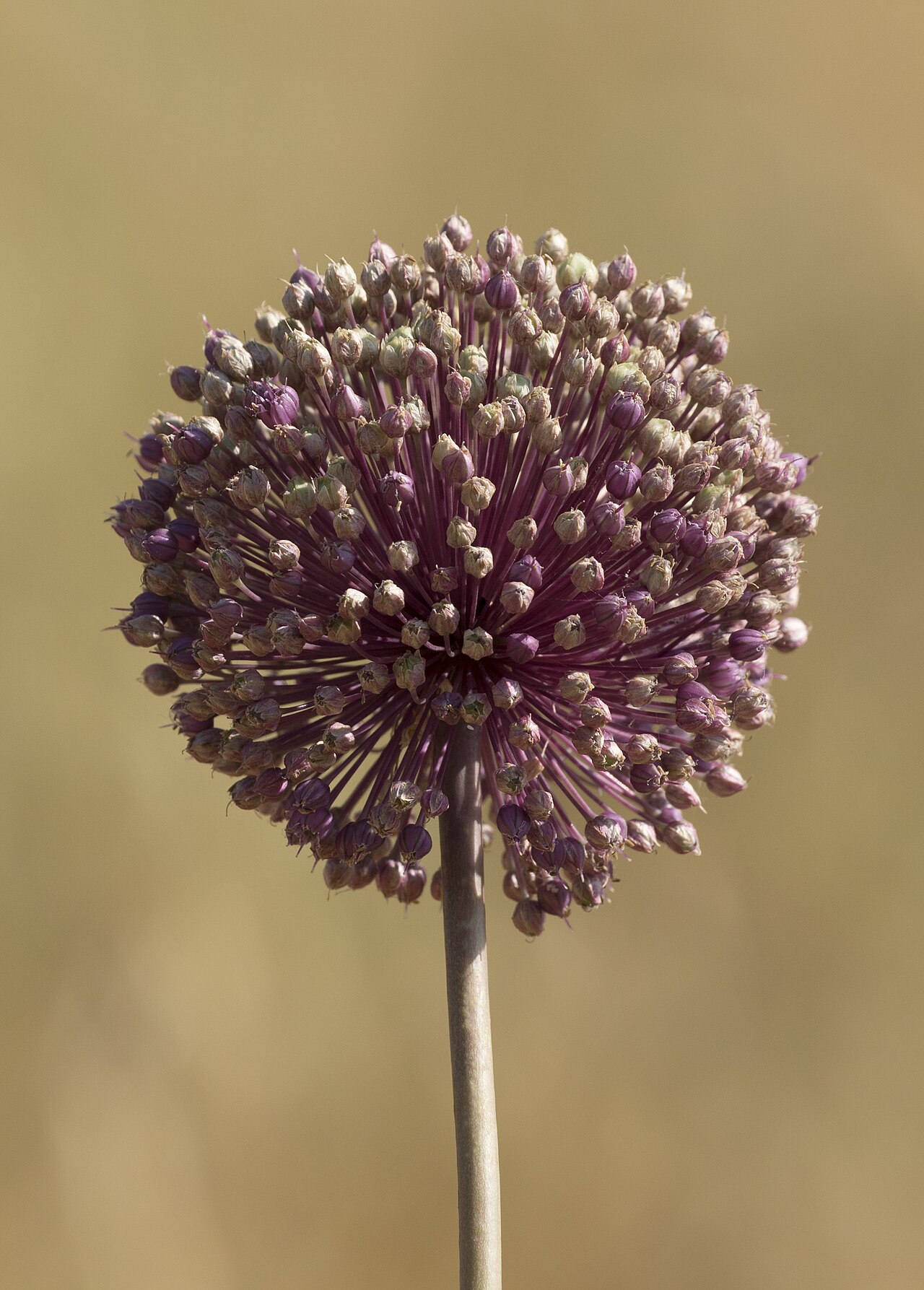
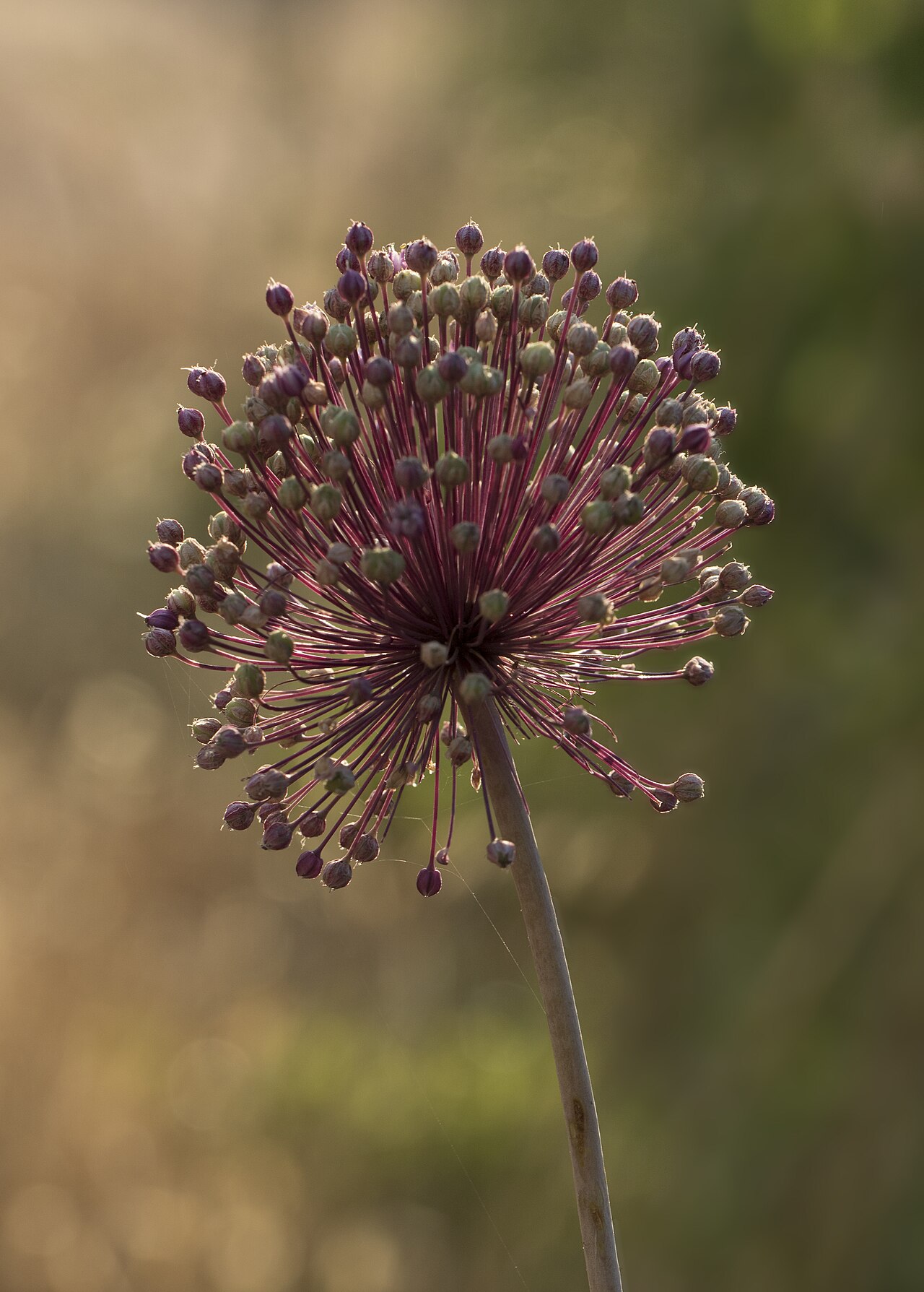
Elephant garlic is not true garlic at all, but a type of leek (Allium ampeloprasum) that forms a huge, garlic-like bulb with a few enormous cloves — milder than garlic, so you can eat it with less caution and more enthusiasm. Plant individual cloves pointy-end up, 4–6 inches deep, in fall: September in zones 3–6, October to November in zones 7–10, so bulbs get a long, cool growing season without sprouting too early. Space 8–12 inches apart in loose, rich, well-drained soil. Plants send up flower stalks up to 3–5 feet tall with purple pom-pom blooms; cut the scapes before they curl to send energy into the bulb — scapes are edible too. Keep elephant garlic away from beans and peas, which alliums inhibit.
Water & feeding
Keep soil consistently moist but never waterlogged, about an inch a week, and reduce watering as foliage yellows to encourage curing. Mulch 2 inches after planting in cold zones to prevent frost heave. Feed with compost at planting and a light nitrogen side-dress in spring.
Common problems
- Small bulbs — planted too late, spaced too tight, or scapes left on.
- Rot — waterlogged soil or watering late into curing; stop watering as tops yellow.
- Onion maggots and aphids — row cover and clean beds help.
- Short storage — elephant garlic keeps a shorter time than softneck garlic; use within a few months.
Harvest
Harvest in mid to late summer when lower leaves yellow and tops fall over. Dig carefully, brush off soil (do not wash yet), and cure in a warm, dry, well-ventilated spot for 2–8 weeks. Then trim roots and stalks to about an inch and store at 45–55°F and low humidity. Roast whole bulbs and spread on bread — this is the preparation that made elephant garlic famous.
Propagation
Here is the plot twist elephant garlic keeps tucked under its papery wrapper: it is not garlic at all, it is a giant leek, Allium ampeloprasum, wearing a garlic costume and doing a very convincing job of it. And like a leek that got ambitious, it does not reward seed savers. True seed is rare, often sterile, and unreliable even when it appears, because the plant is self-incompatible and would rather clone itself than gamble on sex. If you find a packet labelled elephant garlic seed, what you are almost certainly buying is bulbils, and knowing that before you pay is the whole game. Do not chase true seed with this plant. Clone it, and clone it proudly, because cloning is how every great elephant garlic patch has ever been made.
The workhorse method is clove division, and it could hardly be simpler. At harvest, set aside your biggest, fattest, healthiest bulbs for replanting and eat the rest, which is the correct moral order of things. Break the saved bulbs apart only when you are ready to plant, keeping the papery skin on each clove, and plant the cloves pointy end up, a couple of inches deep, in the cool season. Each clove becomes a whole new bulb by the following summer, genetically identical to its parent, which means the mild, roast-me-like-a-vegetable character you loved is exactly what comes back. Never replant soft, mouldy, or suspiciously spotty cloves, and rotate beds rather than planting alliums in the same ground year after year, because clonal propagation has one great weakness: whatever disease rode along in the parent rides along in the child.
The slower, cheaper, and frankly more fun route runs through the two bonus propagules the plant throws in for free. Bulbils are the tiny bulbs that form in the flower head if you let a plant bloom instead of harvesting it, and corms are the hard little bulblets that cluster around the basal plate underground. Plant either in the cool season and practise patience: the first year gives you a single small round bulb with no cloves, and it takes another season or two of replanting before you get a full-sized, multi-cloved giant, with sources disagreeing on whether that takes two seasons or three. Treat that disagreement as a weather and vigour question, not a promise. In Florida, drainage is the deciding factor at every stage: heavy summer rain and humidity rot stored bulbs and planted cloves alike, so cure planting stock until it is thoroughly dry, store it in a cool, airy, dry spot rather than a sealed damp box, and plant into loose, well-drained soil, never into a bed that stays soggy. Save the best, eat the rest, and let the bulbils do the long, slow compounding while the cloves pay this year’s rent.