
🌵 Ellisiana Prickly Pear
What it looks like
Why this variety
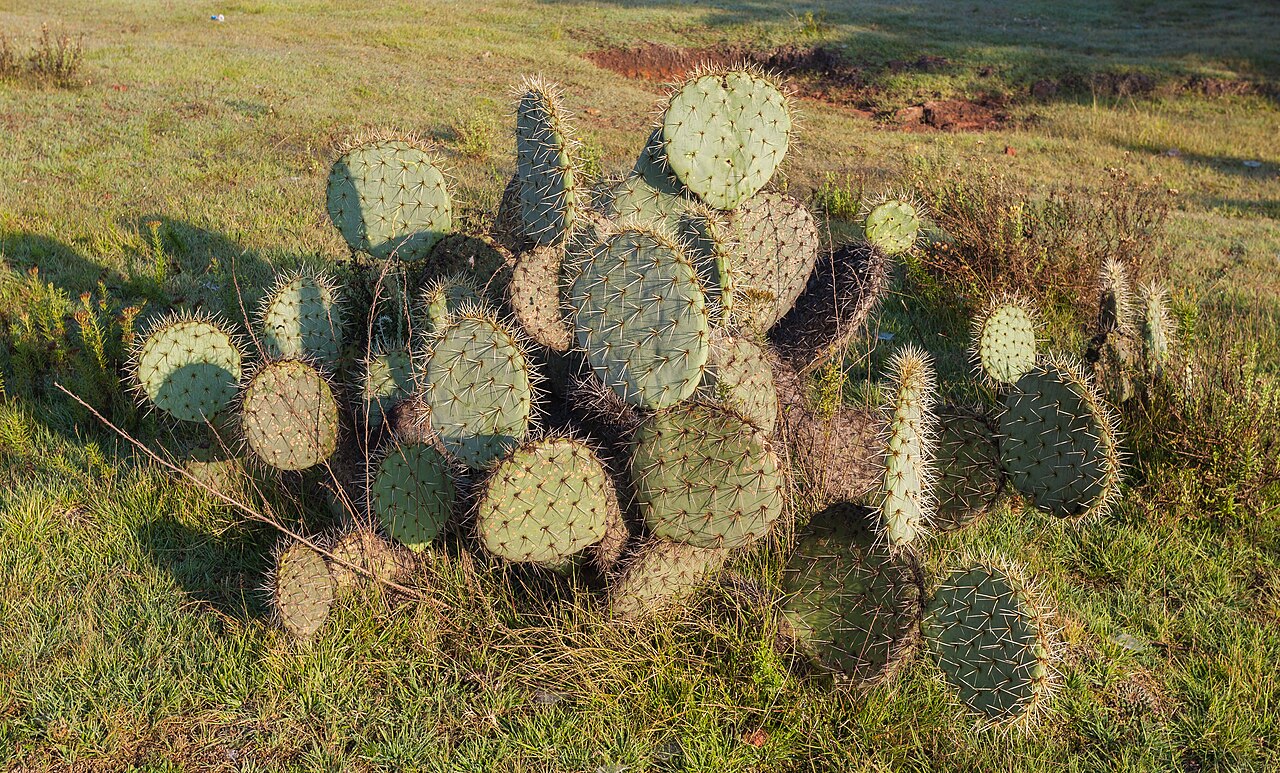
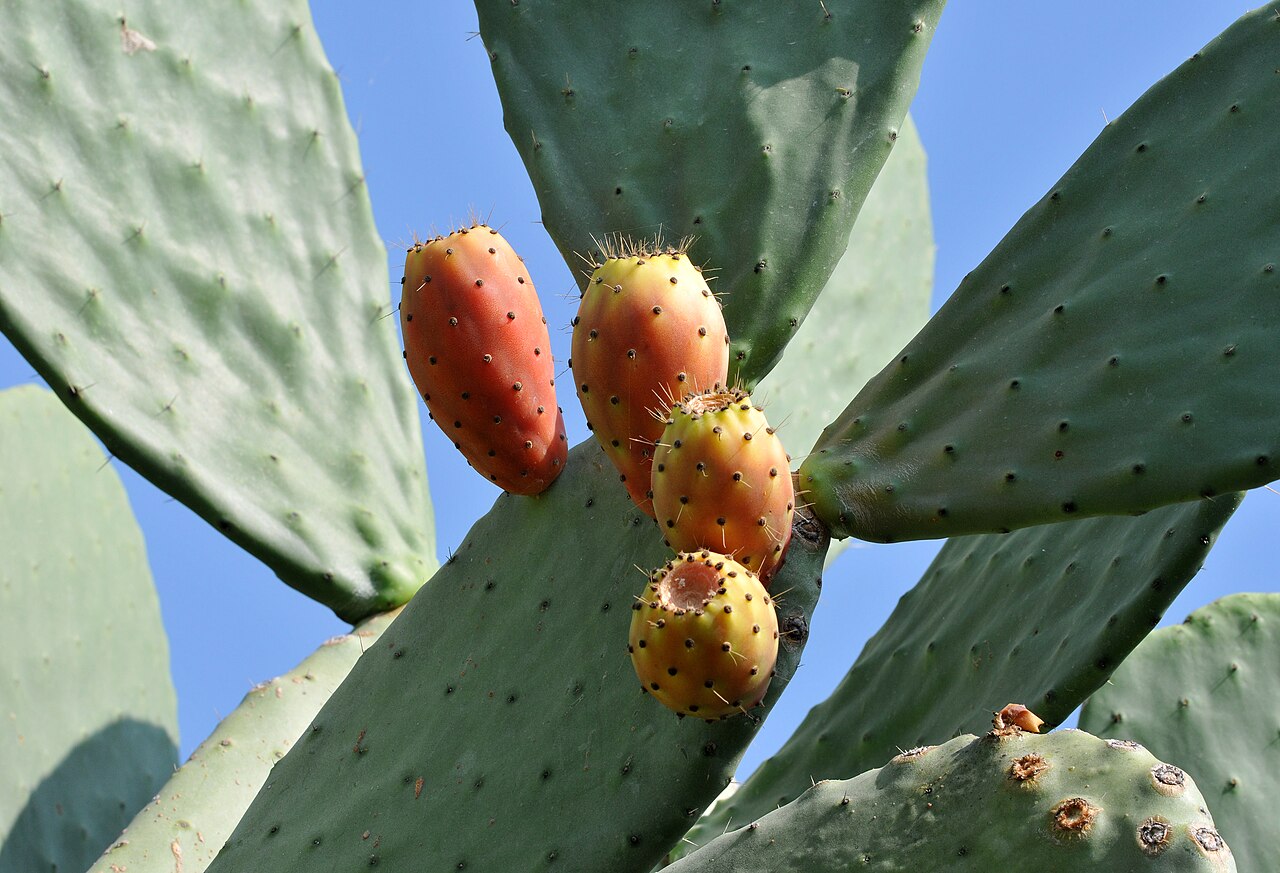
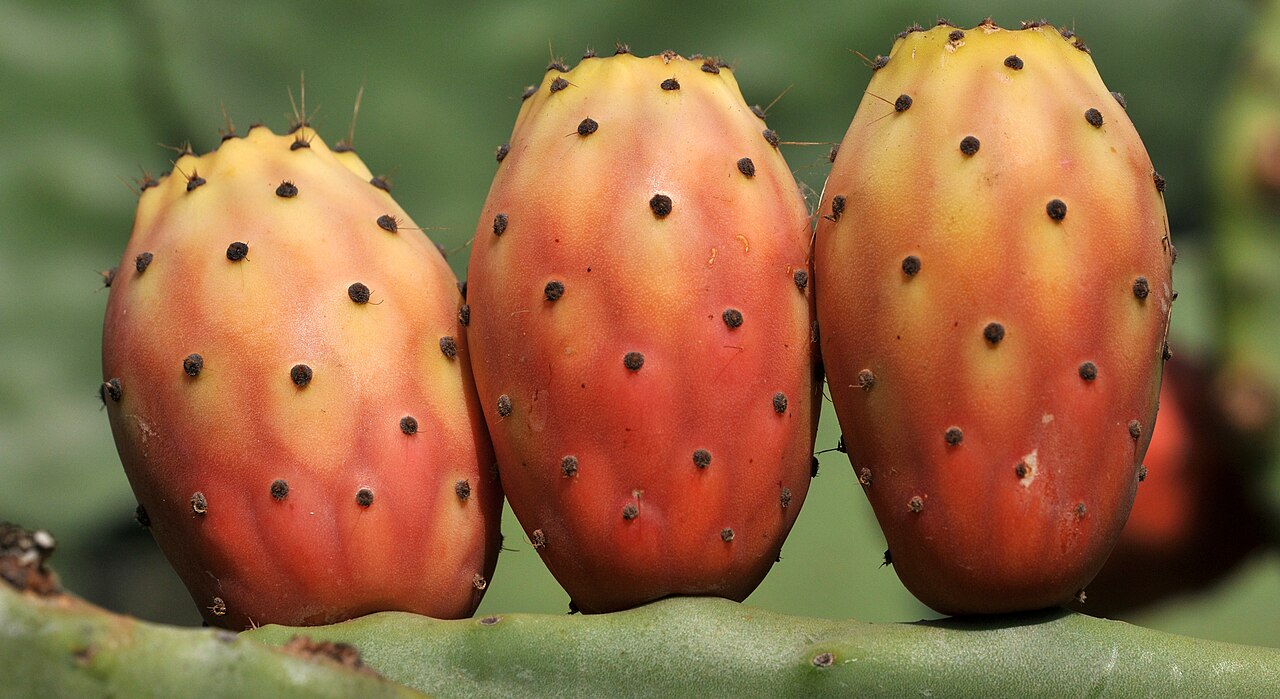
Ellisiana is the other spineless prickly pear every southern gardener should know. Sold as Opuntia cacanapa ‘Ellisiana’ (also listed as Opuntia ellisiana), it is a South Texas and Mexico native selection, also called tiger tongue for its pad shape, with grey-green pads held vertically, yellow-to-apricot flowers in midsummer, and bright red fruit if pollinated. It is fast-growing, extremely drought-tolerant, and — like Burbank Spineless — grown for both pads and fruit, with the practical advantage of being a regional native rather than a hybrid introduction.
The distinction from Burbank Spineless is subtle but real: Ellisiana is generally described as spineless with smaller glochids, a slightly more spreading habit, and a reputation for toughness in Texas heat that translates well to Florida. Growers who have both often say Ellisiana is the one they recommend to beginners, because it roots from pads with embarrassing ease and survives neglect that would kill fussier plants — including, notably, neglect in Florida’s combination of heat, sand, and summer downpours, provided drainage is right.
How to grow
Here is the honest Florida part first: prickly pear is made for Florida’s sand. It wants full sun, sharp drainage, and to be mostly left alone, and it will reward neglect with fruit and pads alike. The Florida rules are drainage first — never plant it in a spot that stays wet — and respect for glochids, the tiny barbed bristles that are far worse than the big spines. Even ‘spineless’ forms can carry some, so harvest with tongs and gloves, always.
Plant pads in full sun in sharply drained soil, letting cut ends callus before planting, spacing 6–8 feet apart, and raising the bed or mounding if your site holds water. Ellisiana tolerates some shade and may even prefer a bit of filtered light in the hottest sites, which is a useful trait in Florida, where afternoon shade can save a cactus from sunscald. Water sparingly until rooted, then back off — this plant’s job is to thrive on neglect.
Water & feeding
Water deeply but rarely once established, feed almost nothing beyond a light spring top-dress of compost, and mulch with gravel or sand rather than wood mulch, which holds too much moisture against the pads. In Florida, the watering mistake is almost always too much, not too little, and a plant that looks thirsty in August is usually just a cactus being a cactus.
Common problems
- Glochids, again, even on a ‘spineless’ plant — tongs, gloves, and flame-singeing before eating are non-negotiable.
- Root rot in wet soil is the killer; cochineal scale and cactus moth are the pests to watch for in Florida, with the same advice as for Burbank Spineless: inspect, blast off scale, and take unusual pad damage seriously.
- Ellisiana can revert toward pricklier growth in some conditions, so do not promise visitors a completely spine-free plant — promise them a plant that is dramatically easier to handle than a wild prickly pear, which is true.
Harvest
Harvest young pads as nopales and ripe red fruit as tunas, late summer for fruit, handling everything with tongs and singeing glochids before peeling. Pads cook like a vegetable, fruit eats fresh or becomes juice and jelly, and the flower petals are also edible in salads — a triple harvest from a plant that asked for a sunny spot and then mostly left you alone.
Browse all plant & pest guides
Saving seeds
Ellisiana is a spineless South Texas prickly pear selection, and prickly pears are propagated from pads, not seed — let a cut pad callus, then plant it in sharply drained soil. The Saving seeds section of the Prickly Pear guide covers seed for the species generally.