
🌿 Elm
What it looks like
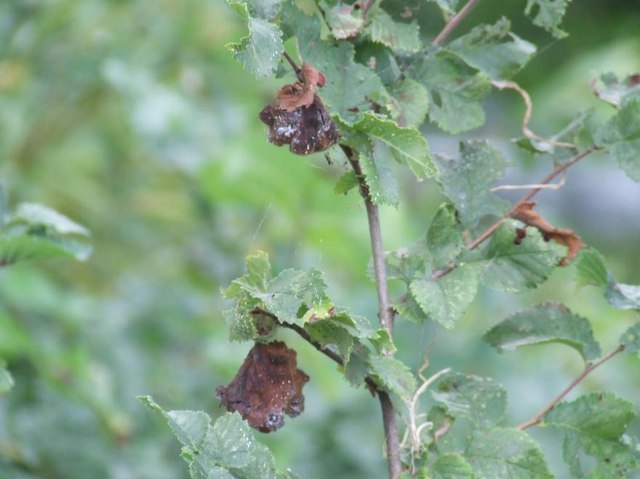
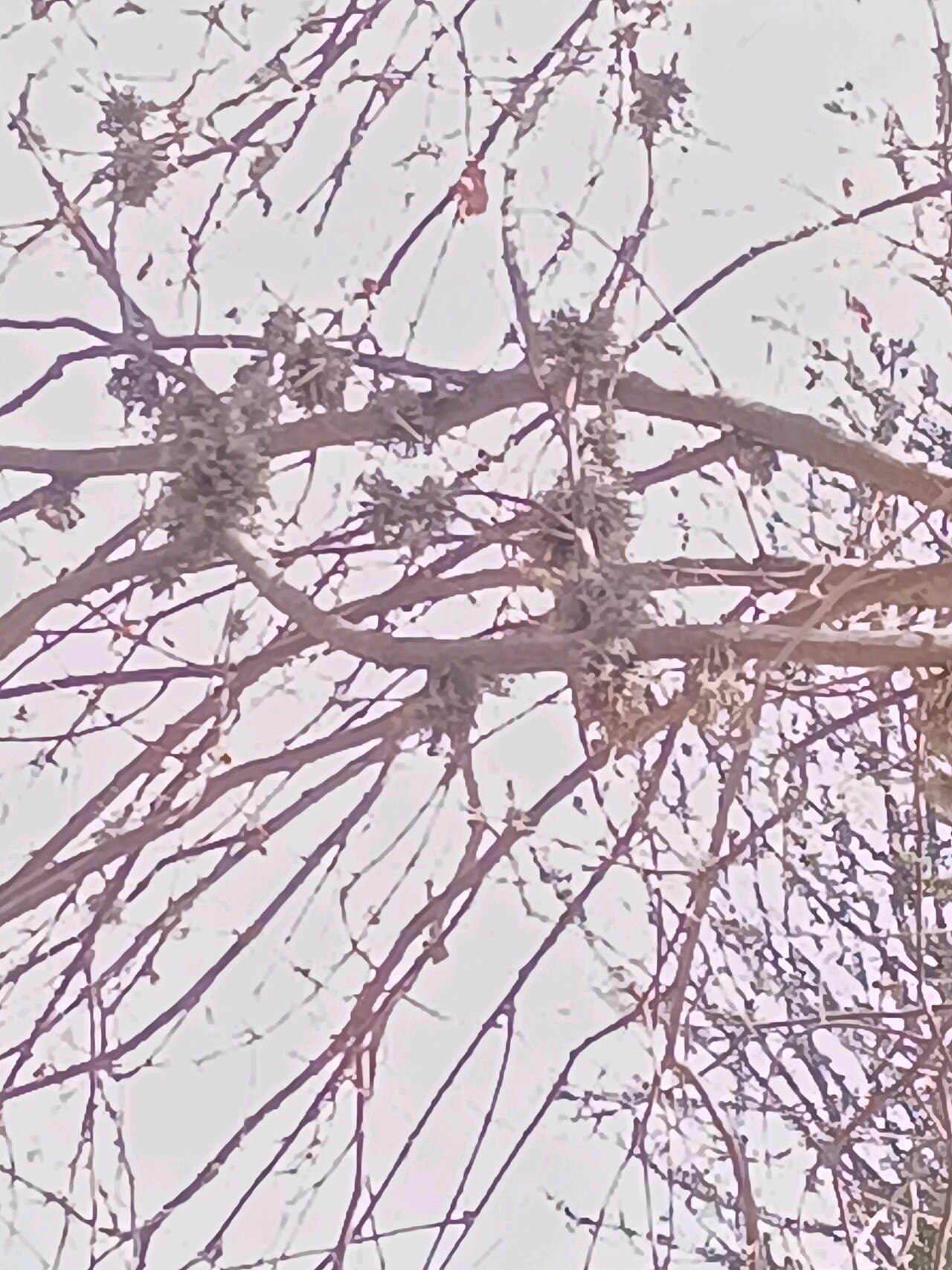
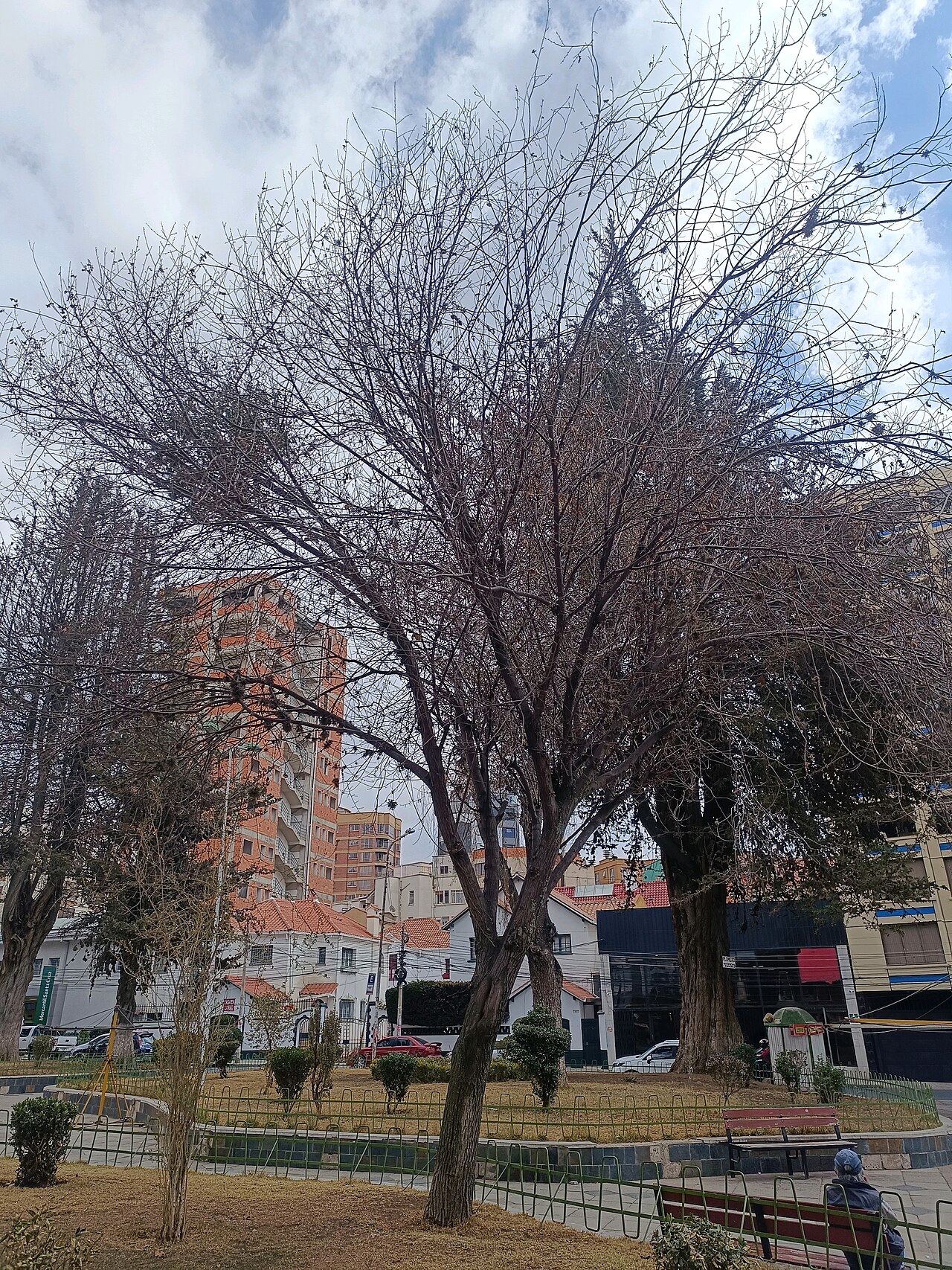
How to grow
Plant only modern disease-resistant cultivars — ‘Valley Forge’, ‘New Harmony’, ‘Princeton’, and ‘Accolade’ are the names to look for — because the classic American elm was nearly wiped out by Dutch elm disease, and planting a susceptible seedling is nostalgia, not landscaping. Elms tolerate urban soil, drought once established, and pruning, and their vase shape gives the classic arching street canopy. Give them full sun and room; a mature elm shades a whole front yard.
Water & feeding
Water deeply the first two years; established elms are tolerant of heat and drought but grow best with occasional deep watering in dry spells.
Common problems
- Dutch elm disease — still present; resistant cultivars are the defense, plus prompt removal of dead wood
- Elm leaf beetle and elm leafminer — cosmetic defoliation in bad years
- Brittle wood in some hybrids — favor named, tested cultivars over generic seedlings
Harvest
Prune in late fall through winter (never in spring/summer when bark beetles that spread Dutch elm disease are active) to remove dead and crossing branches and maintain the vase form.
Saving seeds
Elm seed saving is a race against a very short fuse, and the first thing to understand is that elm does not play by the patient rules of beans and tomatoes. The seed is a samara, a flat, papery, winged disc with one seed tucked in the middle, built to helicopter away on the wind, and most elms ripen that crop in spring, just weeks after flowering, with some species holding theirs until autumn instead. This is a genus-level method, because the guide covers elms as a group and species differ in timing, so watch your own tree rather than a calendar: collect when the samaras are full-sized and starting to turn from green toward tan, either by stripping them gently from the branches or sweeping them up promptly after they fall. Empty samaras are common, especially in some species, so collect generously and expect a share of duds. A quick soak test helps, since plump, viable seed tends to sink while empty wings float, though it is a rough screen, not a laboratory result.
Here is the part that breaks most beginners’ hearts: elm seed does not wait. Air-dry your collection for just a few days in a ventilated spot, out of direct sun, and then sow it, because viability falls fast under ordinary storage. Kept warm and dry on a shelf, American elm seed has been recorded dropping from strong germination to a small fraction within a year, which is why the honest advice for a home gardener is to treat elm seed as a fresh crop, not a stored one. If you must hold it briefly, keep it cool, dry, and sealed, and sow it at the first opportunity rather than saving it for next spring. In Florida humidity that warning doubles in force: damp seed moulds quickly, so dry briefly, never store it in a warm garage through summer, and sow fresh into a shaded, consistently moist seedbed.
Sowing itself is gloriously low-tech. Spring-ripened seed usually needs no special treatment at all and germinates in the same season, which is how nature does it, dropping samaras onto damp spring soil. Press the seed shallowly into moist, well-drained mix, barely covering it, keep it shaded and never allowed to dry out, and expect sprouts within a few weeks. Sources disagree on cold stratification, with some recommending a few weeks of cold, moist chilling for dried or autumn-ripened seed, and others noting that fresh spring seed germinates fine without it; the practical reading is that fresh seed needs no chilling, while older or autumn seed may benefit from a cold spell before sowing. Two honesty notes to finish. Seedlings will not grow true to a named cultivar, because elms are wind-pollinated over long distances and a seedling is a genetic lottery ticket, so a named disease-resistant elm must be bought as a grafted or cutting-grown plant, never raised from a neighbour’s samaras and expected to match. And in Dutch elm disease country, a seedling of a susceptible species is a sentimental project, not a street tree plan, so choose the parent and the planting site with that history firmly in mind.