
🐻 Emerald Carpet Bearberry
What it looks like
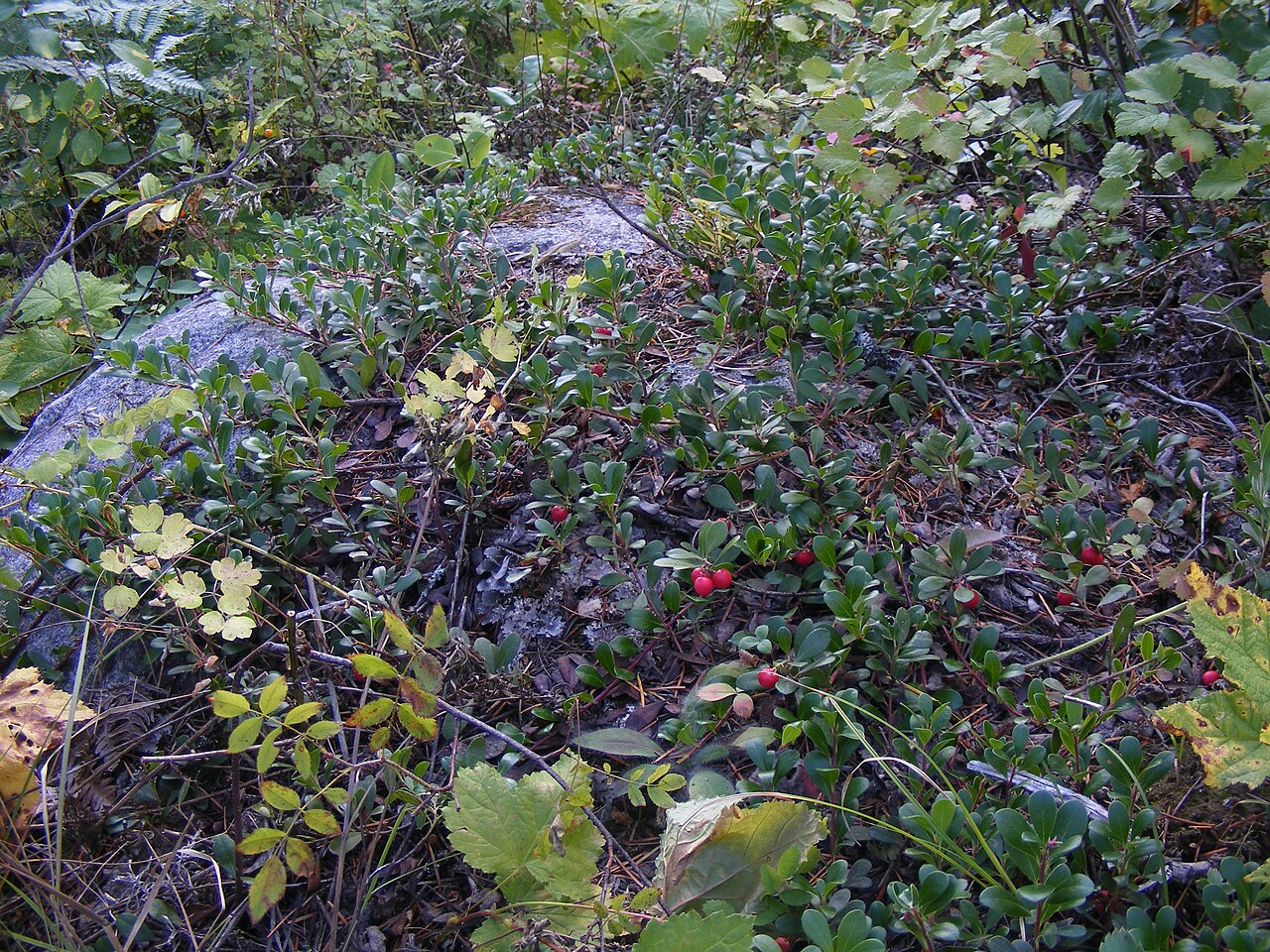
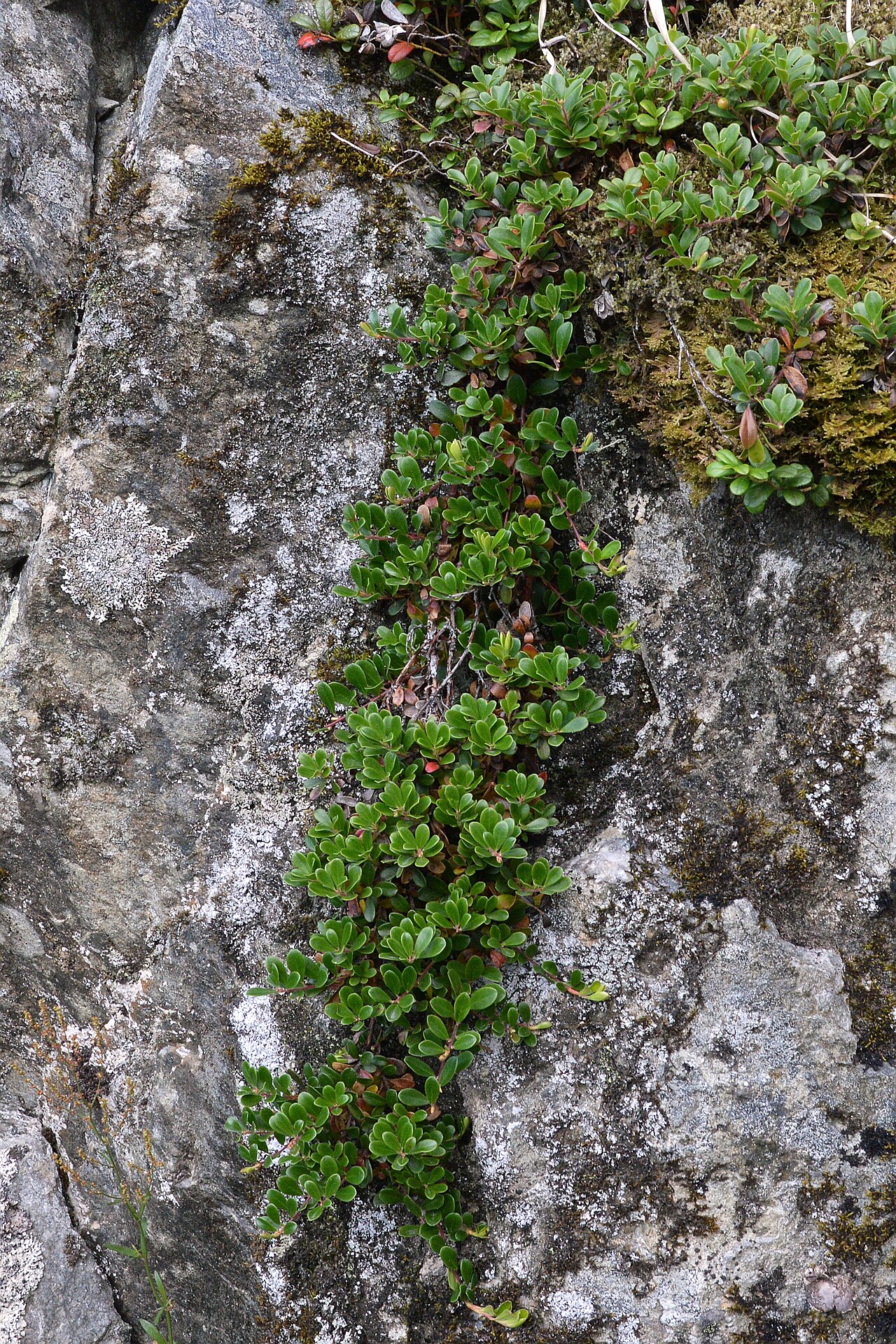
Emerald Carpet is exactly what the name promises: a dense, emerald-green carpet form, with dark green leaves packed into a low, even mat that reads as a single sheet of green rather than a collection of plants. It grows to roughly a foot tall at most — the low, spreading groundcover habit of the species, in a darker, denser green. Spring brings the usual small pinkish-white urn flowers, and late summer brings bright red berries that glow against the dark foliage and persist into winter.
Photographs on this page show the species, Arctostaphylos uva-ursi, which is what this cultivar looks like in the garden — a low, evergreen, trailing mat — because cultivar-specific photographs verified as this exact selection are not available. Nothing here is a stand-in for a different plant.
Why this variety
Emerald Carpet earns its place on two traits: color and shade. Its dark green foliage is deeper than the species’ already-dark green, so the mat looks lush even in the lean, poor soil bearberry prefers, and it appears to accept shade better than most selections — a genuine advantage, since most bearberries fruit best and stay densest in sun and merely tolerate light shade. If your site is a partly shaded bank, a slope under high pines, or a spot that gets sun only part of the day, Emerald Carpet is the selection most likely to stay dense and green there instead of thinning out and sulking.
Florida honesty, up front: bearberry is not a Florida plant for most of the state. It grows poorly in hot, humid summers and is not recommended for planting south of zone 7, and no cultivar on this page changes that — a coastal selection’s heat tolerance means California-coast heat, not humid subtropical heat. If you garden in Florida, read this guide for admiration, for northern friends, and for understanding the plant when it shows up in butterfly guides as a host plant — not as a planting plan for your own yard. Northern gardeners, this one is yours.
How to grow
Emerald Carpet grows like the species, with shade as its bonus. Plant it in full sun to shade — it accepts shade, but still fruits best and stays densest with sun, so give it as much light as the site allows — in acidic, gritty, well-drained soil. Its dense carpet habit makes it a strong choice for erosion control on slopes and for large-area groundcover where you want an unbroken sheet of green, and its darker foliage means the mat looks intentional even before the berries arrive.
Plant in full sun to part shade in acidic, dry to medium, well-drained, sandy or gritty soil — bearberry genuinely prefers lean ground, and that preference is the whole growing strategy. Space plants about 18 inches apart for a groundcover that knits together over a few seasons; each plant spreads several feet wide over time, so do not plant them like bedding annuals or you will be digging out extras in year three. Water to establish in the first season, then back off: bearberry is drought-tolerant once established and likes exposed, open sites with good air movement. Buy nursery plants rather than starting from seed — seed has a hard coat, needs scarification plus cold stratification, and germinates slowly and unevenly — and propagate your own plants by layering: trailing stems root at the nodes where they touch soil, so pin a stem down, wait for roots, and sever it as a new plant, or take semi-hardwood cuttings in late summer.
Water & feeding
Water to establish, then drought-tolerant. Bearberry wants dry to medium soil moisture and sharp drainage above all; wet feet in winter rot it faster than cold ever will. If your soil holds water, plant on a slope, a berm, or a raised bed of gritty, sandy mix, and mulch with gravel or pine needles rather than heavy bark that stays soggy. Do not fertilize. This cannot be said too often for a plant whose entire strategy is thriving on starvation rations: fertilizer produces soft, leggy growth that is more vulnerable to winter damage and disease, and it is the single most common way gardeners kill a plant that would otherwise outlive them. On acidity: bearberry is a heath-family plant, Ericaceae, and like its relatives it prefers acidic soil. If your soil is alkaline, bearberry will chlorose — yellow leaves, weak growth — and no amount of watering fixes a pH problem. Test first; if your soil is strongly alkaline, grow it in a container of acidic mix or choose a different groundcover. Mycorrhizal fungi in the soil help bearberry take up nutrients from poor ground, which is another reason not to disturb an established mat or drench it with fungicides.
Common problems
- Hot, humid summers — the deal-breaker for southern gardeners. Bearberry grows poorly in hot, humid summer climates and is not recommended south of zone 7. Do not try to force it; plant a warm-climate groundcover instead.
- Wet soil and crown rot — poor drainage kills bearberry faster than cold. Plant on slopes or gritty, raised soil, and never let water sit on the crown in winter.
- Alkaline soil chlorosis — yellow leaves on a bearberry in limy soil mean the pH is wrong, not that the plant needs fertilizer. Test the soil and acidify or relocate.
- Fertilizer damage — fertilizing produces soft growth and winter kill. Leave the fertilizer bag in the shed.
- Slow establishment — bearberry is slow-growing, especially from seed. A first-year plant looks like almost nothing. Judge it in year three, when the mat starts to knit together.
- Leaf gall and fungal spots — bearberry can suffer leaf spot fungi and a distinctive leaf gall in wet seasons. Shade plantings stay damper, so give it air movement and avoid overhead watering to keep leaf-spot pressure down. Good air movement, sun, and avoiding overhead watering reduce pressure; remove badly affected stems rather than spraying a wildlife groundcover.
- Mealy berries, disappointed humans — the berries are edible but dry and mealy and not tasty raw. They are wildlife food first. If you want to use them, cook or process them, and note that large doses of the leaves’ arbutin content have been reported to cause nausea and other effects — this is a plant to admire and to leave mostly to the bears.
Harvest
Emerald Carpet’s berries ripen in late summer, turn bright red, and persist into winter against the dark green mat — a color combination that is the plant’s best winter argument. Leave most of the berries for wildlife, and if you harvest a share, cook or process them rather than eating them raw: like all bearberries, they are dry and mealy fresh, and their value is as wildlife food and winter color, not as a fresh snack.
The best bearberry harvest is visual: a mat of glossy evergreen leaves, pink bells in spring, and red berries against snow, year after year, with no work from you at all. The leaves have a long traditional history, but they contain arbutin, and large doses have been associated with nausea and other adverse effects, so leaf harvest is not something this guide recommends as a casual project.
Emerald Carpet’s name is a promise the plant keeps: it is the cultivar whose whole identity is being a carpet — dark green, dense, and flat — which is a refreshingly honest name in a trade full of varieties named after places their growers have never been.
Bearberry: the species guide — the wild plant this cultivar was selected from, and the baseline for everything here.
Browse all plant & pest guides
Saving seeds
Emerald Carpet is a dark-green bearberry selection, and bearberry selections are propagated by cuttings or layering — seedlings won’t hold its dense, shade-tolerant mat. The Saving seeds section of the Bearberry guide covers seed for the species generally.