
🫘 Erimo Shozu Adzuki Bean
What it looks like
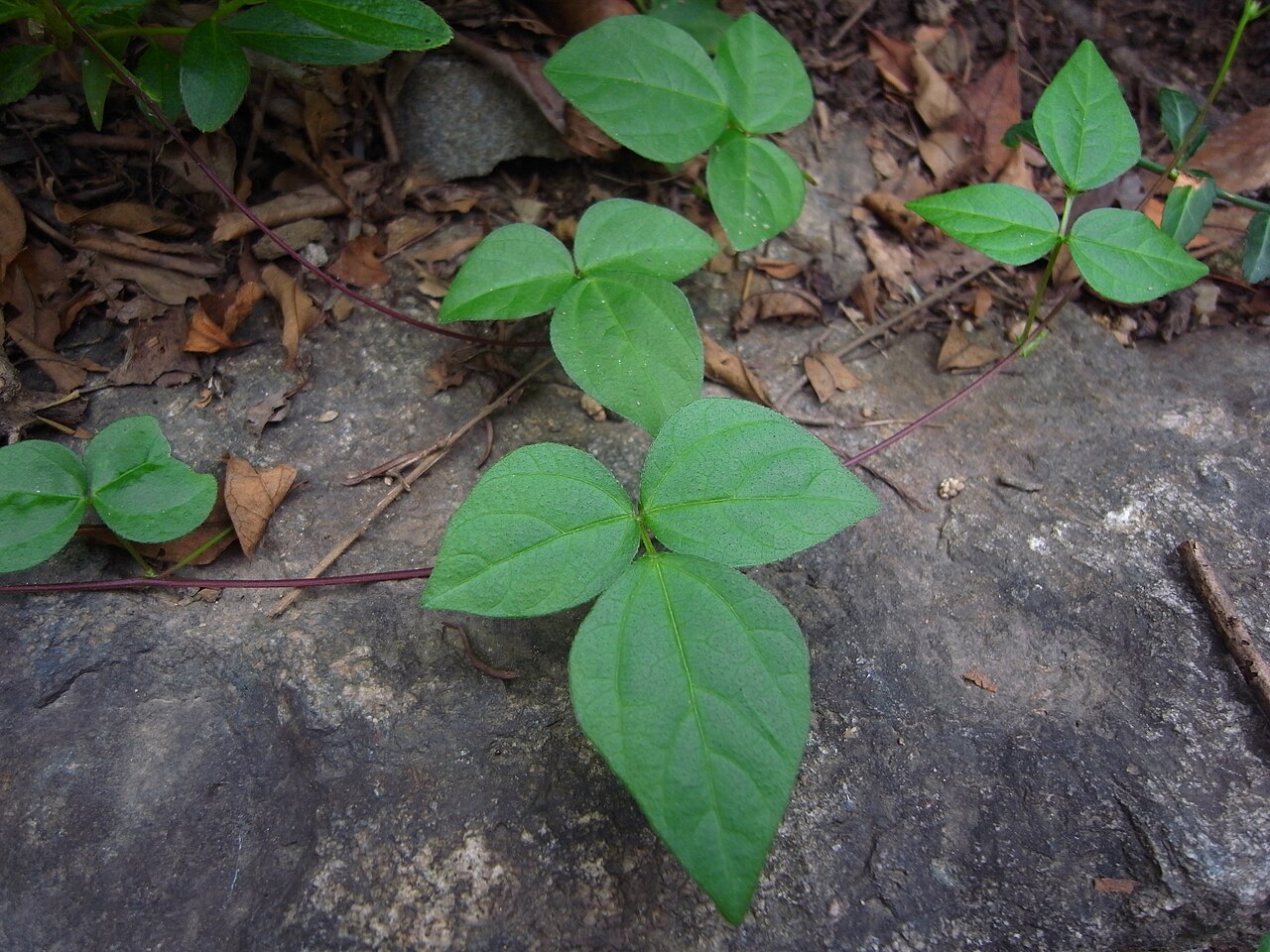
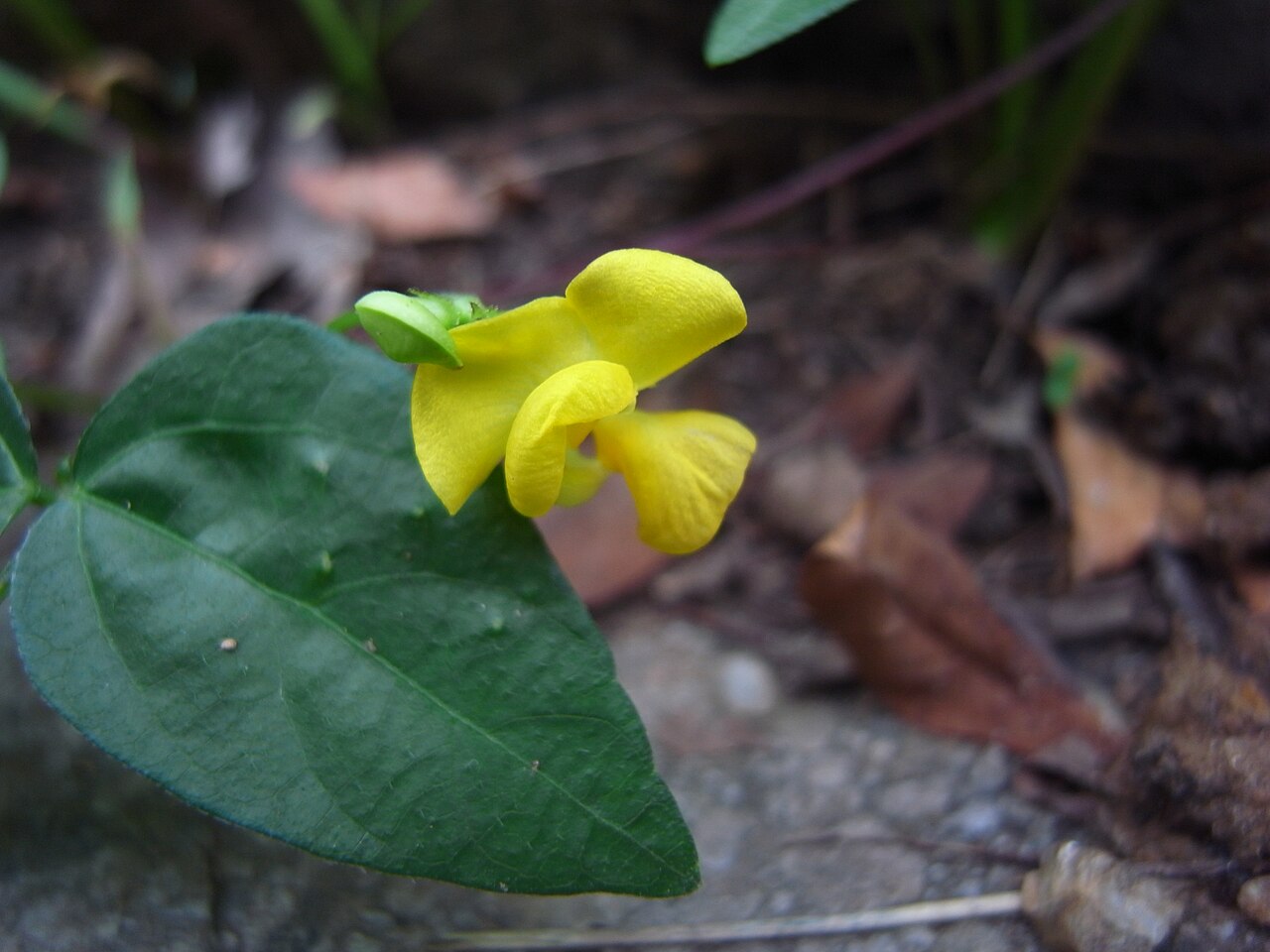
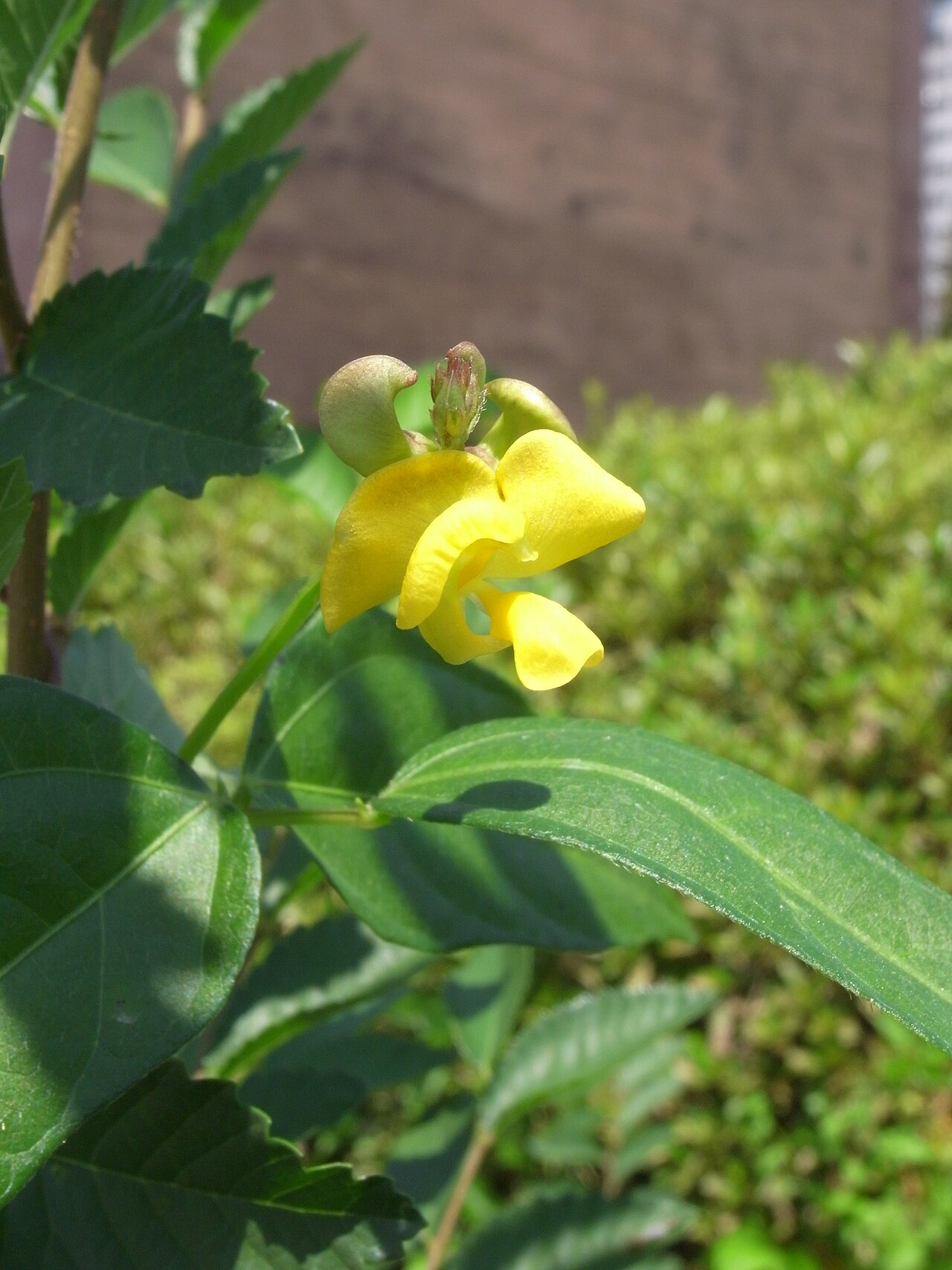
No verified photo of ‘Erimo Shozu’ itself was found, so the pictures below show the species — the same plant, photographed generally.
Why this variety
Erimo Shozu — also written Erimoshouzu — is currently the most widely cultivated adzuki variety in Japan, developed in Hokkaido and grown at a scale no other adzuki matches. Its claim to fame is practical, not romantic: uniform grain size and resistance to crumbling when cooked, which makes it the standard for smooth bean paste (koshian) and wagashi sweets. When a whole country’s dessert industry standardizes on one bean, that bean has earned its guide.
Erimo Shozu is a normal-size adzuki, not a large-grained premium type like Dainagon — which is exactly why it is the workhorse. Uniform grains cook evenly, hold together, and make predictable paste, and the variety has been trialed widely enough that its maturity range (104-126 days in Bhutanese trials) is documented rather than guessed. In Florida, treat it as a long warm-season crop: it needs a full summer, warm soil, and a clean bed.
If you have not grown the species before, start with the Adzuki Bean growing guide for the general picture, then come back here for what makes this variety different.
How to grow
Direct-sow Erimo Shozu after the last frost, when soil is 65-85°F — cold, soggy soil rots seed and slows emergence to 20 days — planting about an inch deep, 4-6 inches apart in rows 18-24 inches apart, in full sun. Plants are short and bushy, 1-2 feet tall, and adzuki varieties are often short-day plants, flowering as days shorten, so a Florida summer sowing flowers as days begin to shorten.
Inoculate seed with the appropriate rhizobium on ground where adzuki has never grown. Start with a clean bed and weed early — adzuki competes poorly with weeds, and weed competition is the top yield-killer. Work a little compost or castings in at planting; as a nitrogen-fixing legume, Erimo Shozu needs little nitrogen fertilizer.
Water & feeding
Keep soil moist but not soggy, and avoid wetting foliage. Do not overwater late in the season — dry pods are the goal. Mulch to hold moisture in sandy soil. In Florida’s rainy summer, raised beds and good drainage matter more than extra watering.
Common problems
- Cold soil — wait for warm soil; emergence is slow below 55°F.
- Weed competition — the top yield-killer for adzuki; weed early and mulch.
- Aphids and leafhoppers — row cover early, insecticidal soap if needed.
- Pods shattering — harvest promptly when pods are dry and rattling.
Harvest
Harvest when pods are dry and rattling, about 110 days after sowing, and shell beans for storage in airtight jars for up to a year. Dry beans fully before storing. Cook Erimo Shozu like other dry beans, soaking first for even cooking; its destiny is smooth paste — anko, koshian, red bean soup, and desserts where uniform grains that do not crumble are the whole point.
Browse all plant & pest guides
Saving seeds
Erimo Shozu’s hybrid status isn’t pinned down — no source states whether this widely grown Japanese adzuki is open-pollinated or a hybrid, so buy fresh seed to be safe. The full method is in the Saving seeds section of the Adzuki Bean guide.