
🌳 Fastigiata European Hornbeam
What it looks like
Why this variety
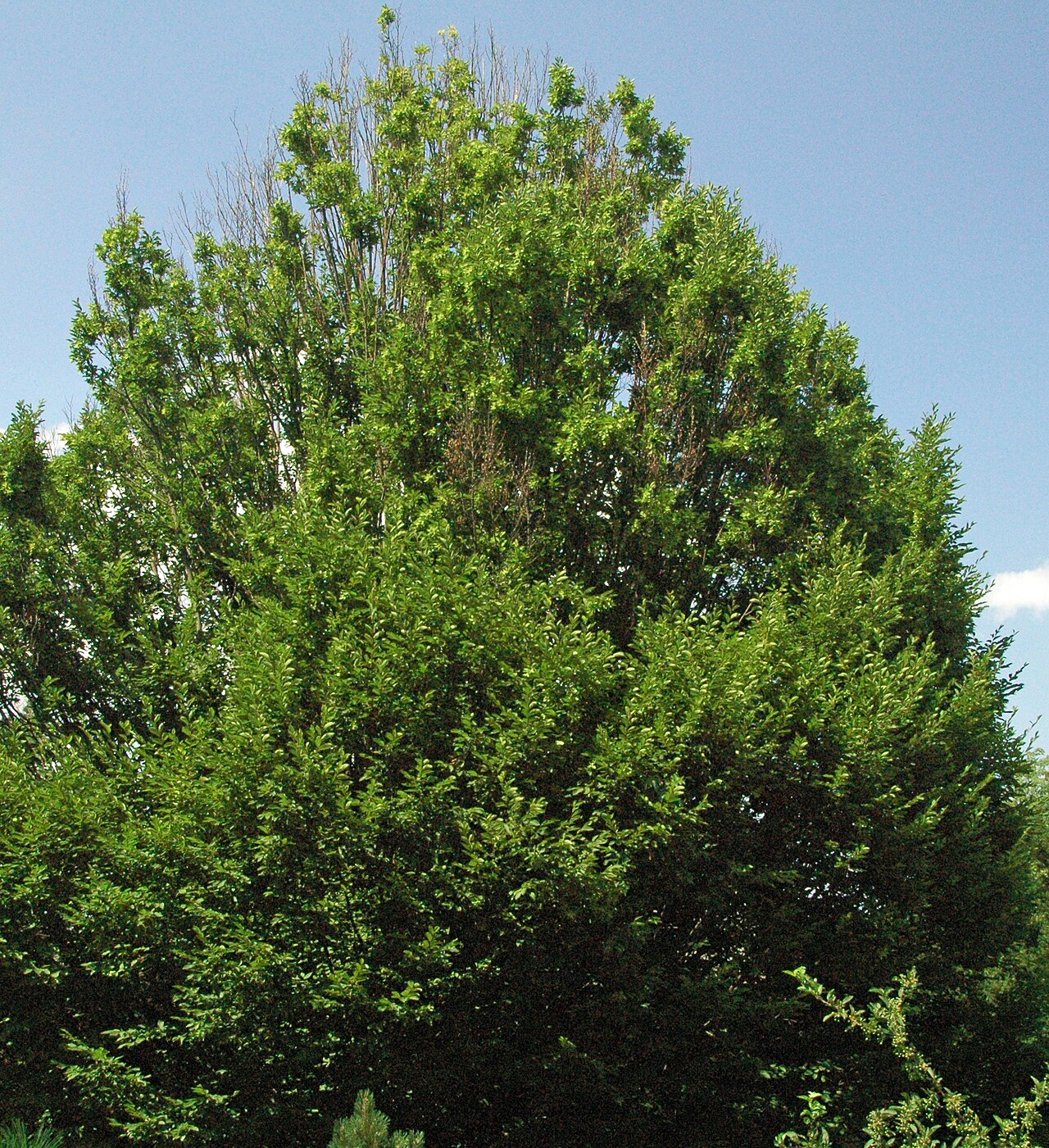
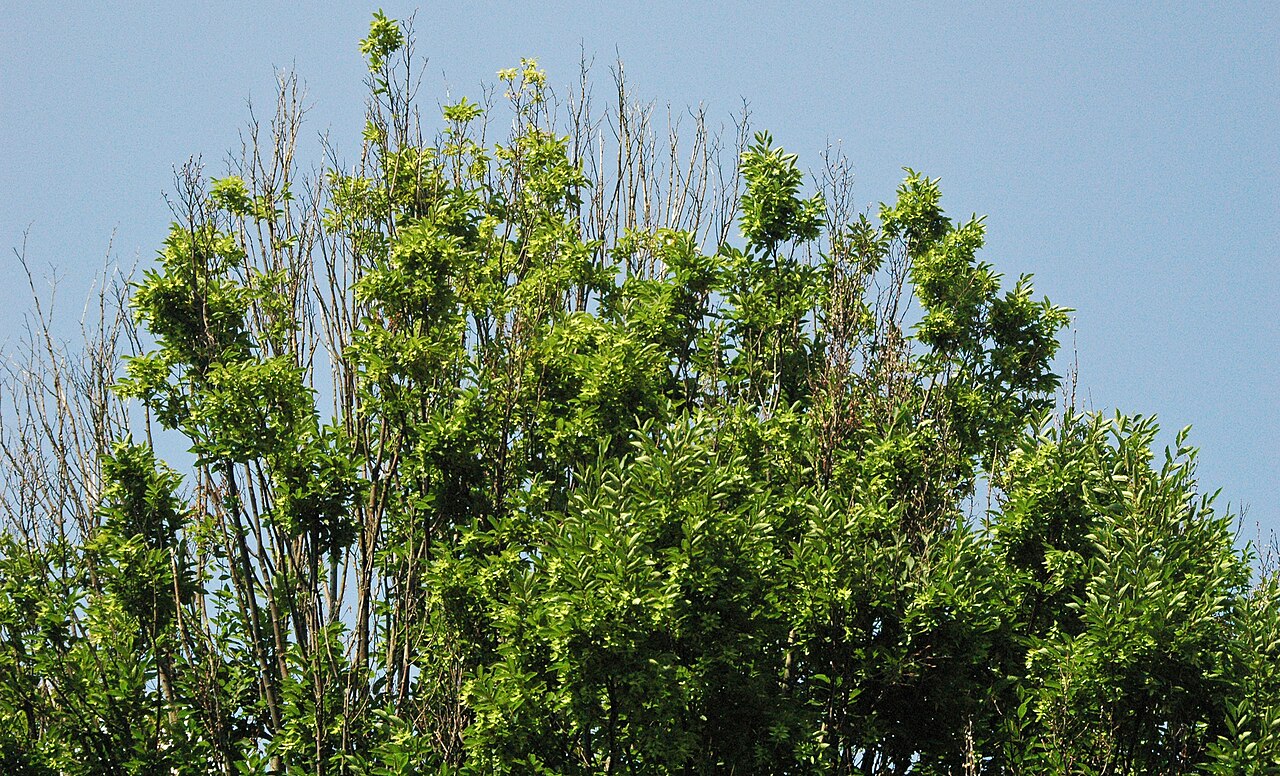
Fastigiata — also sold as ‘Pyramidalis’ — is the European hornbeam that learned to stand up straight. The species is a broad, spreading tree, but Fastigiata grows fastigiate when young: narrow, upright, and columnar, broadening into an oval crown with age. The Morton Arboretum lists it at 30–40 feet tall and 20–30 feet wide, and it has become a popular urban street tree in the United Kingdom and beyond, which tells you most of what you need to know about its toughness: it tolerates clay, pollution, wind, and the general indignity of city life.
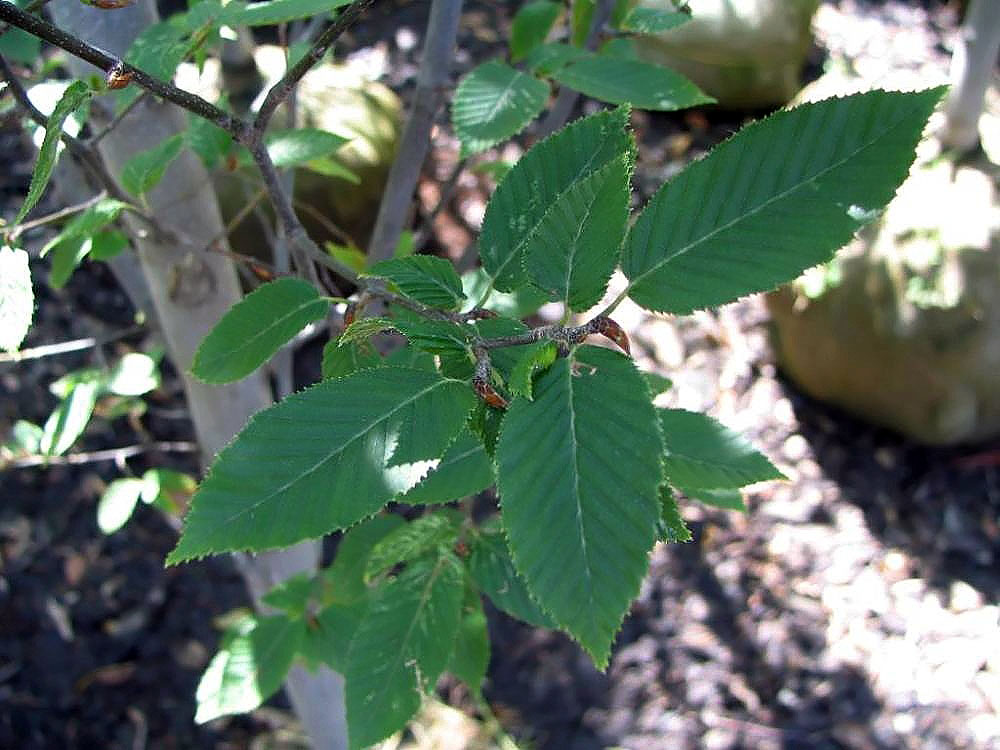
It also carries the Royal Horticultural Society’s Award of Garden Merit, as does the species itself — a mark that means it has been trialed and judged outstanding for garden use. The pleated, deeply veined leaves, the smooth grey bark that flutes into sinewy muscle with age, and the gold, orange, and red autumn color all come standard, as does hornbeam’s famous tolerance for clipping: this is a tree that takes hedge duty as happily as specimen duty, and a Fastigiata hedge is one of the great formal hedges of temperate gardening.
The honest catch is the shape shift: Fastigiata is narrowest when young and broadens as it matures, so a row planted as tight columns will eventually want more room than you gave it. Plan for the mature 20–30 foot spread, not the nursery silhouette, or your elegant colonnade becomes a polite shoving match in twenty years. If you want a column that stays narrow, Frans Fontaine, below, holds its fastigiate form longer. If you are new to choosing between cultivars, the Varieties Matter guide explains why the name after the plant matters as much as the plant itself.
Florida honesty: European hornbeam is a cool-temperate tree, and in this state it is a North Florida trial at best. It wants chill, moisture, and a break from blazing heat, none of which Florida hands out generously. Plant it only where you can offer shade, steady water, and low expectations.
How to grow
Plant Fastigiata in full sun to part shade in moist, well-drained loam or clay — it tolerates a wide pH range, from acidic to alkaline, and handles clay far better than most ornamental trees. Space trees 15–25 feet apart, or 18–24 inches apart for a dense hedge, and work worm castings into the planting hole. Water well through the first two years; once established, hornbeam is notably tough, but a young tree still needs steady moisture to root deeply.
Prune in late winter while dormant: remove dead, crossing, and damaged wood, and shape lightly. For a hedge, clip once or twice a year — hornbeam holds its leaves late into winter when clipped, giving a semi-evergreen screen effect — and always keep the base slightly wider than the top so lower branches keep their leaves. Avoid heavy pruning in spring, when sap is rising and cuts bleed.
Water & feeding
Water to establish, then water through dry spells, especially in the first years — hornbeam likes moisture and sulks in prolonged drought, though established trees tolerate more than most. Mulch to hold moisture and keep roots cool, water at the soil line, and feed lightly: castings at planting and a modest spring feed are enough, since hornbeam does not need rich soil to perform and overfeeding buys soft growth.
Common problems
- Shape broadening with age — Fastigiata widens as it matures; plan for the mature spread or plant Frans Fontaine for a longer-lasting column.
- Drought stress — leaf scorch and early leaf drop in dry summers; mulch and deep watering prevent it.
- Powdery mildew, cankers, and dieback — hornbeam’s usual suspects; prune out affected wood and improve air circulation.
- Spring sap bleed — heavy spring pruning bleeds sap; prune in late winter instead.
- Winter leaf retention confusion — clipped hornbeam holds brown leaves into winter; this is normal, not disease.
Pruning & best use
Use Fastigiata as a street tree, an avenue tree, a specimen in a lawn, or a tall formal hedge — it is one of the few trees genuinely good at all four jobs. As a hedge, clip it into a crisp wall that holds russet leaves deep into winter; as a specimen, let it broaden into its mature oval crown and admire the fluted bark, which only gets better with age. It is the hornbeam for gardeners who want a tree that behaves like architecture and survives like a weed.
Give it room for its mature spread, a little patience while it establishes, and it will outlast most of the garden around it — hornbeams are long-lived trees, and a well-placed Fastigiata is a decision your successors will thank you for.
Back to the European Hornbeam growing guide
Browse all plant & pest guides
Saving seeds
Fastigiata — also sold as ‘Pyramidalis’ — is the narrow, upright European hornbeam, and it is grown as a nursery tree — seedlings won’t hold its columnar form. The Saving seeds section of the European Hornbeam guide covers seed for the species generally.