
🌾 Fescue
What it looks like
Fescues are the fine print of the grass world — literally. Most fescues are bunchgrasses with very fine, narrow, often rolled or folded blades, growing in dense tufts rather than spreading by runners, and their seed heads are open, airy panicles held above the foliage on slender stems. The look varies enormously across the genus, which holds somewhere between 400 and 640 species: a sheep fescue tuft is a tight, wiry pincushion a few inches tall, while a tall fescue plant is a coarse, knee-high clump with wide, ribbed blades and a deep root system that laughs at drought. Leaf color runs from plain green through blue-green to the famous silvery blue of blue fescue (Festuca glauca), which has its own guide on this site. Fescues are cool-season grasses, which means they do their growing in the mild weather of spring and fall, and their whole calendar — green-up, seeding, dormancy — follows that cool-season rhythm.
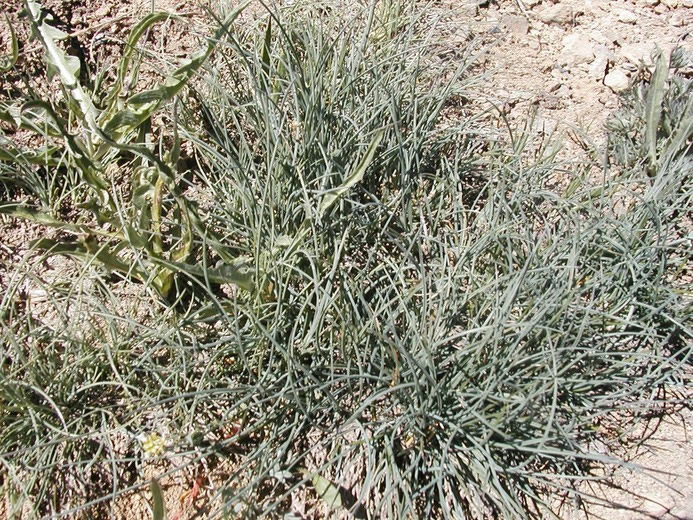
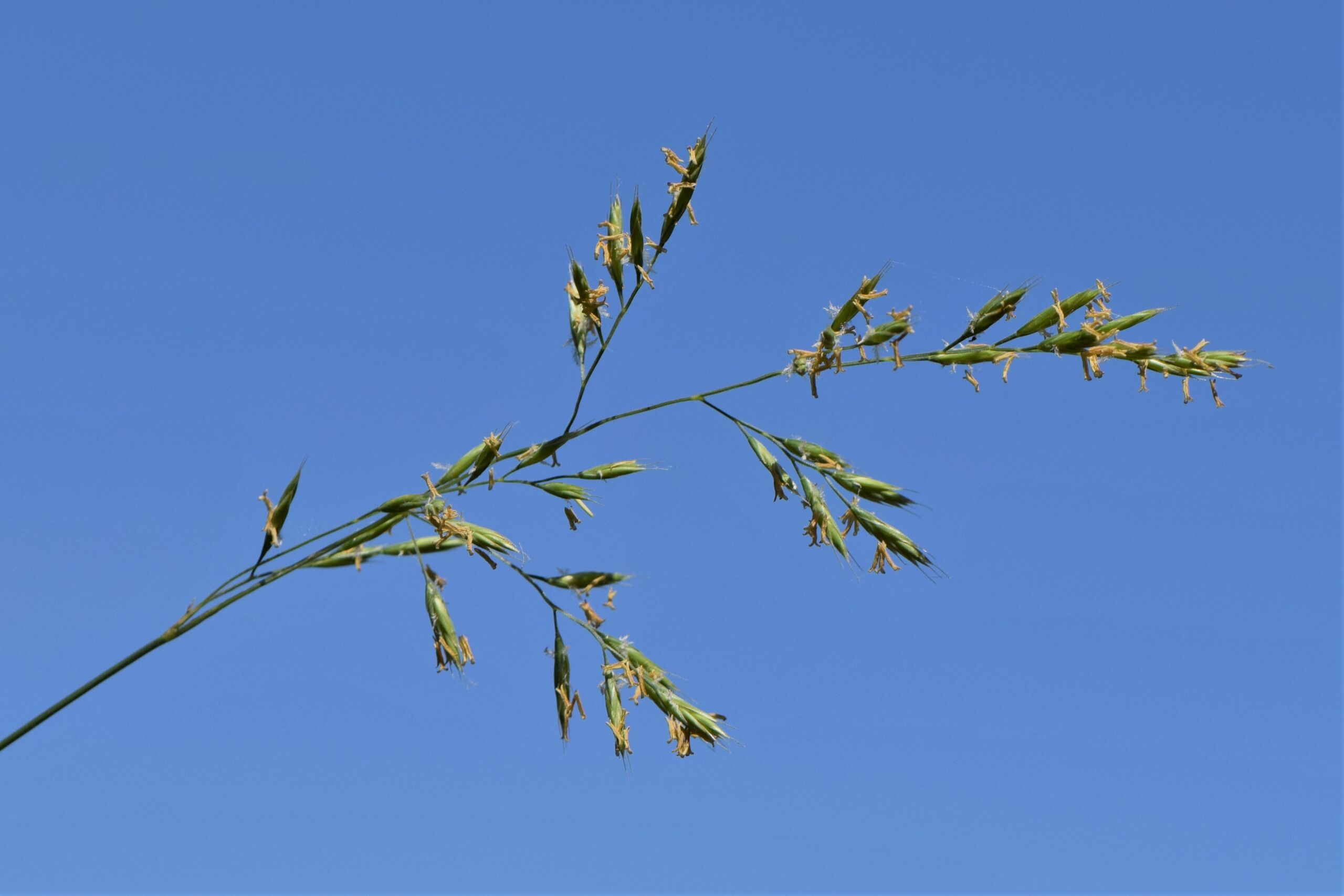
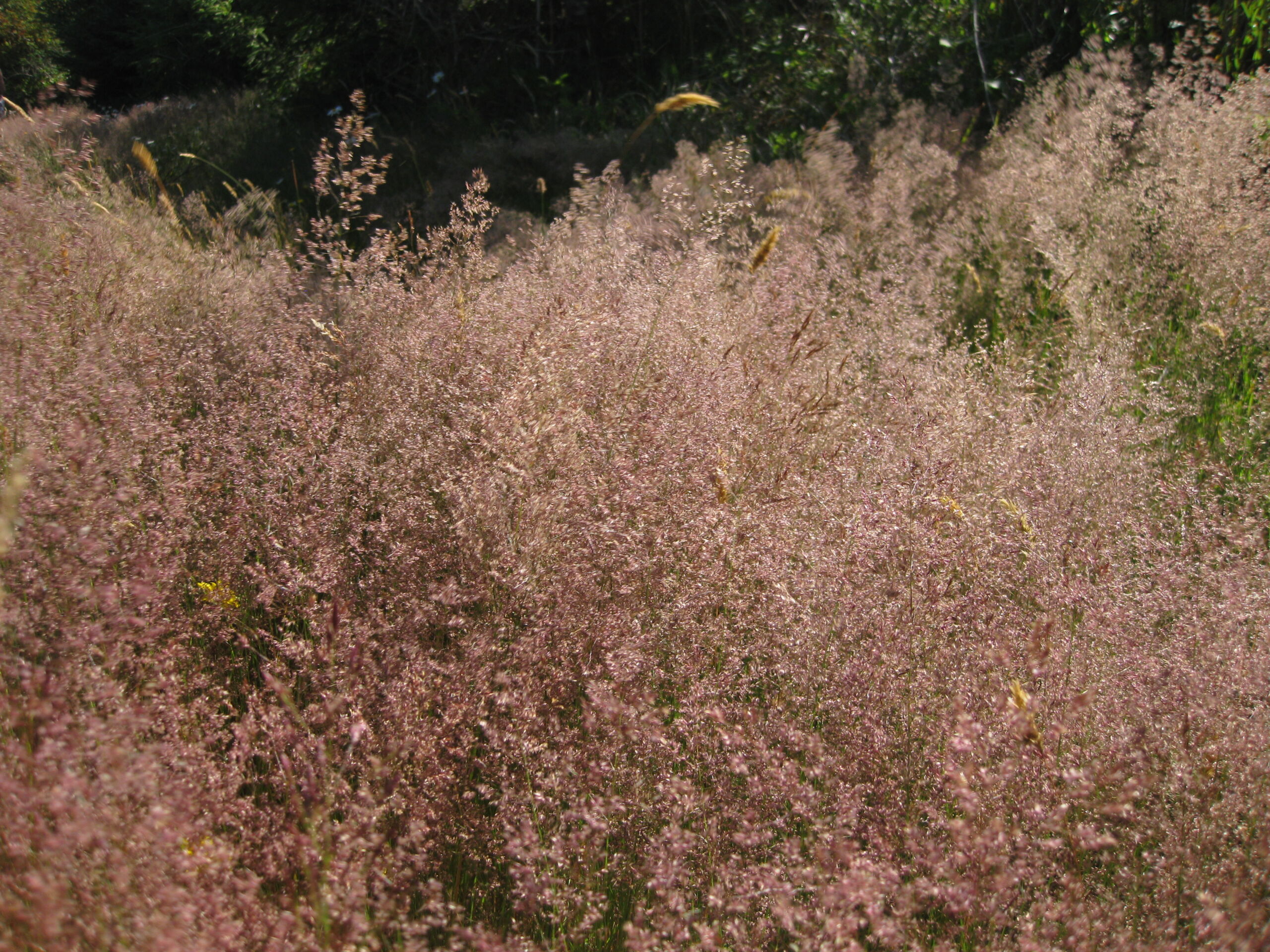
Butterflies are the quiet reason fescue belongs in a wildlife garden. Skipper and arctic caterpillars feed on fescues — the Columbian skipper, the common branded skipper, Lindsey’s skipper, the Sonoran skipper, and the Polixenes and Uhler’s arctics all use Festuca as a host, and the Mardon skipper feeds on Idaho fescue, red fescue, and Roemer’s fescue specifically. A fescue meadow left to grow, flower, and set seed is a caterpillar cafeteria that a mowed lawn never is. The trick, as with bluegrass, is the split: a mowed fescue lawn for walking on, and an unmowed or lightly mowed fescue patch where the grass can actually grow up and feed something.
Florida note: Fescues are cool-season grasses, and Florida summers are their enemy. Tall fescue and the fine fescues brown out, thin out, and give up in long, hot, humid summers, and none of them is a sensible Florida lawn choice. This guide is for northern, mountain, and transition-zone gardeners, and for Florida readers it explains what the western and northern skippers eat — not what to sow in a Florida yard.
How to grow
Grow fescue the way a cool-season grass wants to be grown: sow in late summer to early fall, when soil is warm but air is cooling, so seedlings establish through fall and explode in spring. Spring sowing works too, but it gives weeds and summer heat a head start. Prepare a fine, firm seedbed, broadcast seed, rake it in lightly, and keep the seedbed consistently moist until germination. For a lawn, fescues are usually sown as blends — tall fescue for toughness, or a fine-fescue mix of chewings, hard, sheep, and creeping red fescues for shade and low input — because no single fescue does everything. For a meadow or restoration patch, sow a single native species such as Idaho fescue or Roemer’s fescue, alone or with wildflowers, and then mostly leave it alone.
Fescues want full sun to part shade and well-drained soil, and they are famously tolerant of poor, thin, and dry soils where fancier lawn grasses fail — sheep fescue and hard fescue in particular thrive on neglect, which is why they are used for erosion control on roadsides and slopes. They do not want rich, wet soil or heavy summer irrigation; that pushes disease and crowds out the fine texture that makes them valuable. Mow a fescue lawn at 3 to 4 inches for tall fescue, or leave fine fescues unmowed in a meadow and cut just once or twice a year after seed has set. Idaho fescue is slow to establish — the USDA notes it is slow to get going but, once established, gives abundant fine leaves, good ground cover, and tough, fibrous roots that control erosion and build soil structure.
Water & feeding
Established fescues are among the more drought-tolerant cool-season grasses, but they are not desert plants. Water deeply and infrequently, soaking the root zone and then waiting until the grass shows the first signs of wilt before watering again; shallow daily sprinkling trains shallow roots and invites disease. Tall fescue’s deep roots are its superpower — they reach moisture other lawn grasses cannot — while fine fescues survive dry spells by going semi-dormant and greening up again when rain returns. In summer heat, expect fescues to slow down, brown at the edges, or go dormant; that is the cool-season bargain, and it is normal, not failure.
On feeding, fescues are light feeders, and that is a feature. A fescue lawn typically needs far less nitrogen than a bluegrass lawn, and a meadow patch needs essentially none — lean soil favors the fescues and the wildflowers over aggressive weeds. Feed in fall, when cool-season grasses are actively growing roots, rather than in spring, when fertilizer mostly feeds weeds. And always soil-test first: fescues tolerate a wide pH range, but a test tells you whether lime or anything else is actually needed instead of guessing.
Common problems
- Summer heat and dormancy: The classic fescue complaint. Cool-season grasses brown out in hot summers, especially in the transition zone and the South. Choose warm-season grass if your summers are long and brutal.
- Brown patch and other fungal diseases: Humid weather plus overwatering plus rich soil equals fungus. Water in the morning so foliage dries, avoid night watering, and do not over-fertilize.
- Slow establishment: Native fescues such as Idaho fescue are slow to establish from seed. Keep the seedbed moist, keep foot traffic off, and do not judge the planting in its first season.
- Tall fescue’s endophyte problem: Some old tall fescue pastures carry a fungal endophyte that produces compounds toxic to livestock — a real issue for pasture, not for lawns, but one reason to buy certified endophyte-free seed for forage use.
- Clumping and thinning under heavy traffic: Bunch-type fescues do not spread by rhizomes the way bluegrass does, so worn spots fill in slowly. Overseed thin areas in fall rather than waiting for the grass to repair itself.
- Tall fescue escaping: Tall fescue is considered invasive in parts of the Midwest, Southeast, and California, where it escapes lawns and pastures into natural areas. Do not sow it near wildlands, and favor native fescues for meadow and restoration work.
Harvest
Fescue’s harvest depends on which fescue you are growing and why. For forage, cut tall fescue and meadow fescue for hay when lush and before full seed, and dry promptly — fescue hay is a staple forage across the cool-season world. For a lawn, the harvest is the mowing itself: mow high, mow regularly, never remove more than a third of the blade, and leave clippings down to return nitrogen for free. For a butterfly meadow, the harvest is waiting: let the grass flower, let the seed heads ripen, let the caterpillars eat, and mow only after the season’s wildlife work is done. Seed heads left standing feed birds into fall, and the same patch that fed skippers in summer feeds sparrows in winter.
Saving seeds
This is a genus-level method, stated plainly, because this guide covers fescues as a group, Festuca species, rather than one single species. The broad strokes below hold across the genus: the seed heads ripen, dry, and strip in much the same way whether you are growing tall fescue, a fine fescue, or a native bunchgrass. The details that differ, like exactly when a given species ripens in your climate, are things you learn by watching your own patch, not by memorizing a calendar.
Start by sacrificing a patch to seed. A lawn that gets mowed every week will never set seed, so pick a corner, or a row of plants, and simply stop mowing it. Let the flower heads rise, open, and ripen. Seed is ready when the heads have turned tan to brown and the seeds come away easily when you strip them, while immature seed clings stubbornly to the head, which is nature’s way of telling you to wait. Cut the whole head with a few inches of stem, or strip the ripe seed directly into a paper bag by closing your hand around the base of the head and pulling upward. Do this on a dry day, and do it before the heads shatter in wind or rain, because fescue seed that has already scattered itself is seed you will be weeding out of the flower beds next spring.
Cleaning is gloriously low-tech: rub the dried heads over a bowl or a coarse screen to free the seed, then winnow gently in a light breeze so the chaff blows away and the heavier seed drops. Dry the cleaned seed in a shallow bowl or on a tray for several days, longer in damp weather, until it feels hard and dry, then store it in an airtight container with a desiccant packet, in a cool, dark place. Florida gardeners, take note: our humidity is the enemy of stored seed, so dry longer than you think necessary, and do not store seed in a warm garage or shed. Well-dried grass seed generally keeps for a few years, with germination fading a little each year, so label the container with the species or type and the year, and sow a little thickly from older lots.
Two honesty notes before you sow. First, fescue is wind-pollinated, and grasses are enthusiastic crossers, so seed saved from a mixed lawn or a meadow of several fescues will be a mixture, not a replica of one parent. If purity matters to you, save from a stand of a single species kept away from other fescues in flower, and accept that home-garden purity is best effort, not certified. Named turf cultivars and commercial blends will not grow true from saved seed at all, so save seed for a meadow or a patch, not for reproducing a branded lawn. Second, the endophyte warning: tall fescue seed can carry the Epichloe endophyte fungus inside the seed, and that fungus is part of why endophyte-infected tall fescue can cause problems for grazing livestock. Never save seed from an unknown tall fescue for forage use unless you know its endophyte status, and never feed saved fescue seed or straw to livestock on a guess. For a lawn or meadow, the endophyte is a different conversation, but for animals, it is a hard stop. In Florida, add one more caveat: fescue is a cool-season grass, and seed set in summer heat is unreliable, so treat Florida seed saving as a cool-season experiment, sowing saved seed in fall.
Species in this group
- Idaho fescue — Festuca idahoensis: A densely tufted native bunchgrass of the western states, from British Columbia and Alberta south to California, Arizona, and New Mexico. Blue-green to silvery-blue foliage, clumps about 14 inches tall, hardy roughly in zones 4 to 10, slow to establish and superb for erosion control once it is.
- Red fescue — Festuca rubra: The shade-tolerant fine fescue, native to Europe and North America, forming clumps of dark green blades and spreading slightly by rhizomes. Hardy roughly in zones 1 to 7, a lawn-blend staple, with creeping red and chewings forms as its best-known faces.
- Sheep fescue — Festuca ovina: A tight, wiry, low tuft of a grass for poor, dry, thin soils where little else thrives. Ornamental in meadow plantings, tough on slopes, and happy on neglect.
- Hard fescue — Festuca trachyphylla: A close cousin of sheep fescue, introduced from Europe, used for erosion control, roadsides, and orchard groundcover. Often grouped with sheep fescue in older books, where it appears as Festuca ovina var. duriuscula.
- Tall fescue — Festuca arundinacea: The big, coarse, deep-rooted workhorse of lawns and pastures, hardy roughly in zones 3 to 9. Tough, drought-tolerant, and traffic-hardy, but considered invasive in parts of the Midwest, Southeast, and California.
- Blue fescue — Festuca glauca: The silver-blue pincushion grass of edging and hot, dry spots, hardy roughly in zones 4 to 8. It has its own guide on this site, and it is the ornamental show-off of the family.
- Roemer’s fescue — Festuca roemeri: A Willamette Valley native, once treated as a subspecies of Idaho fescue, now its own species. A native alternative to introduced sheep, hard, and chewings fescues, recommended for its home ecoregion in western Oregon and southwest Washington.
- Meadow fescue — Festuca pratensis: A taller, softer fescue of meadows and pastures, grown for forage and hay across the cool-season world.