
🥒 Florida Green Chayote
What it looks like
Why this variety
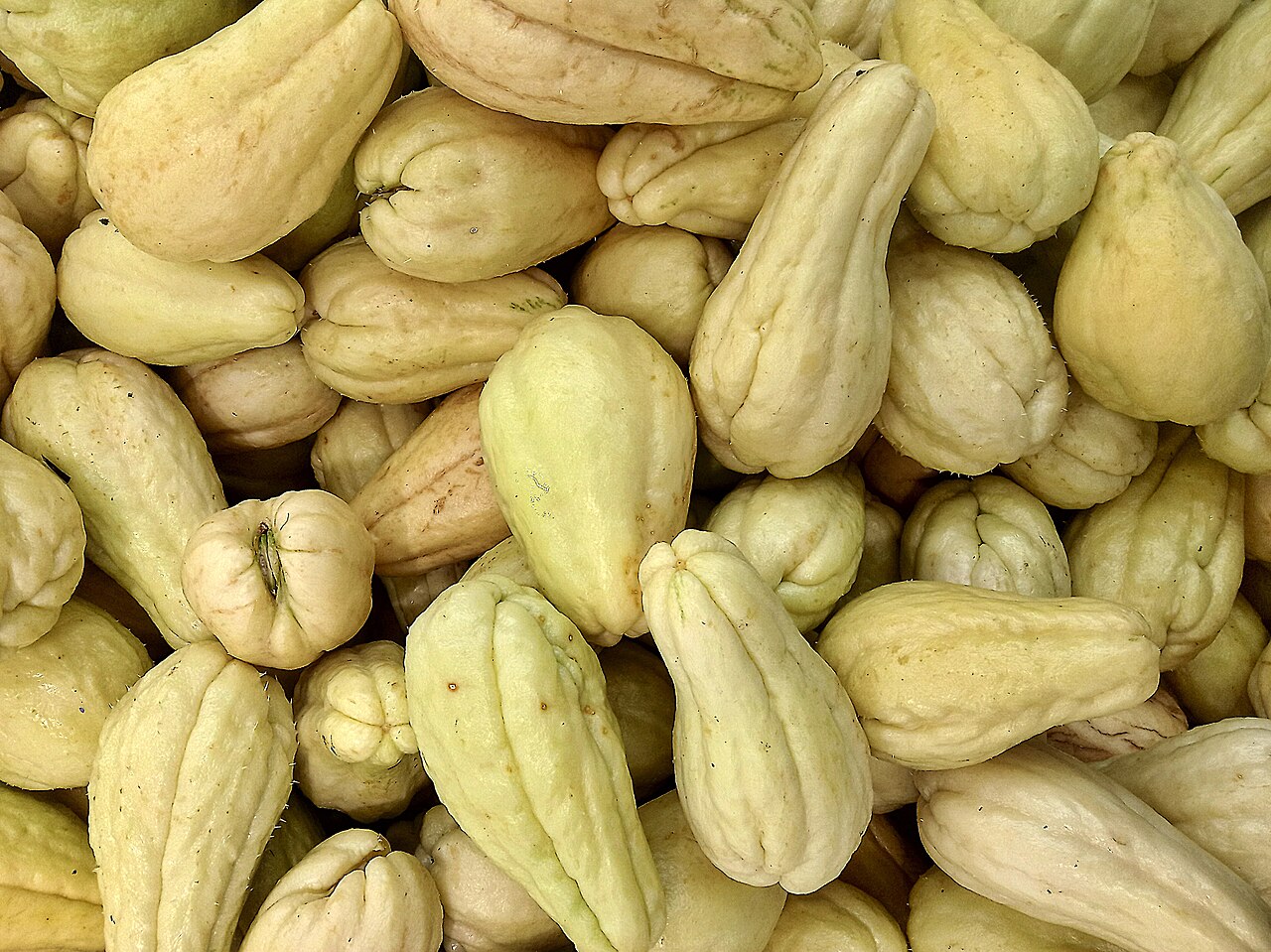
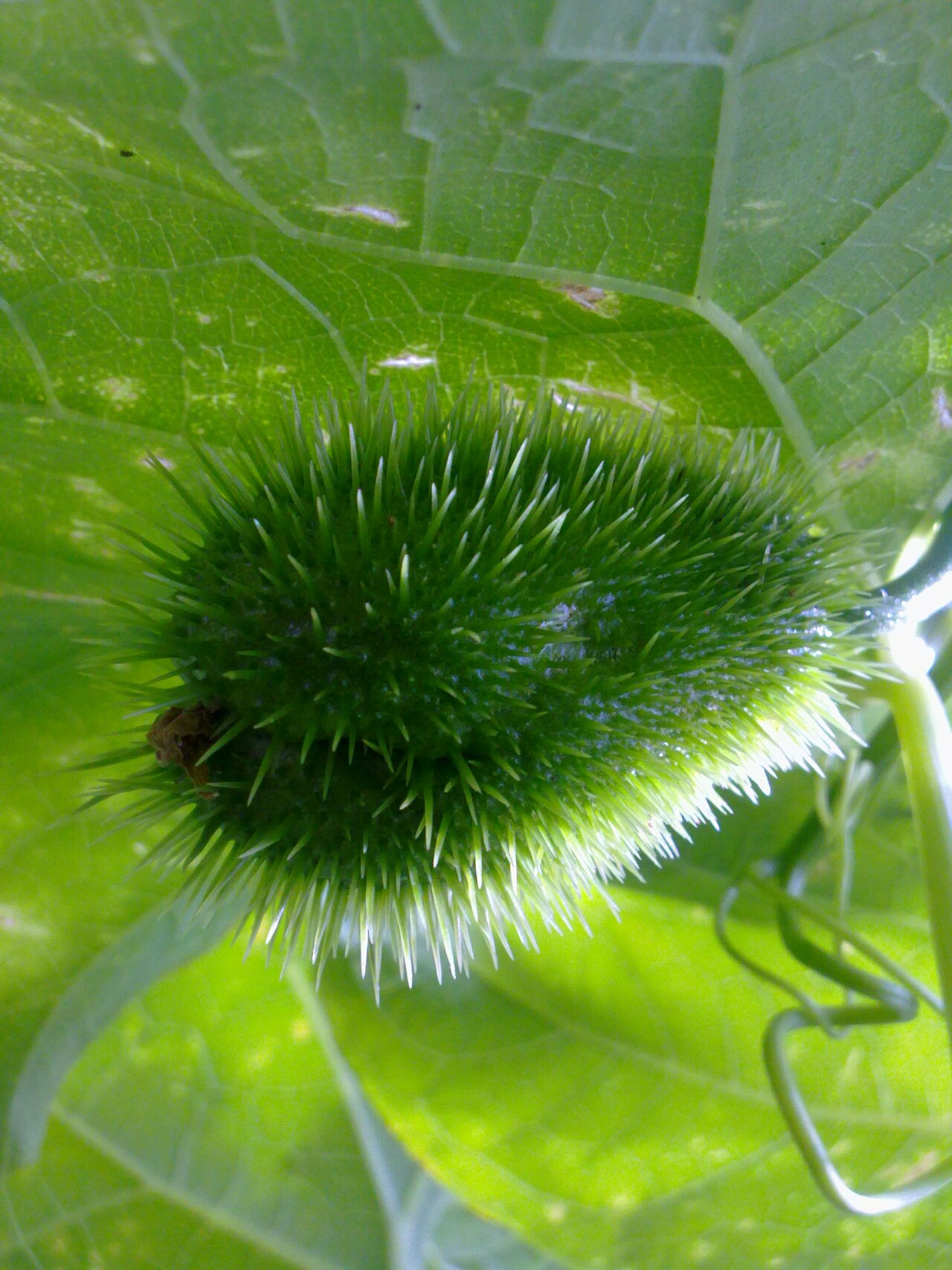
Florida Green is the chayote UF/IFAS names as one of the main varieties grown in the state: a smooth, light green, pear-shaped fruit, the market type that shows up in grocery stores and gardens alike. The extension bulletin notes that fruits grown in Florida are usually smooth rather than spiny, and Florida Green is that smooth type, perfected by local growing.
One plant is a lot of plant: a single vine can produce 50–100 fruit in a season, running 20–30 feet over a trellis or fence. Plant it where it can roam, and plant it once — in the warm parts of the state the root is perennial and the vine comes back year after year, bigger each time.
If you are new to choosing between cultivars, the Varieties Matter guide explains why the name after the plant matters as much as the plant itself. And if you want the whole clan at a glance, the broader Chayote guide covers chayote generally.
How to grow
In Florida, chayote is a perennial vine that can feed a neighborhood: plant a sprouting fruit in spring, give it the strongest trellis or fence you own, and pick fruit from late summer into fall. In the warmest parts of the state the root overwinters and the vine comes back bigger the next year.
Plant the whole sprouting fruit on its side in spring, in rich, well-drained soil at the base of the strongest support you own. Water deeply while establishing, mulch the root zone, and let it run — chayote does not need fussing, it needs room.
Water & feeding
Chayote drinks heavily once it is running — a vine that size is moving a lot of water. Water deeply, mulch the root zone, and feed with compost through the season. A vine that wilts in afternoon heat and recovers by evening is normal; one that stays wilted needs water now.
Common problems
Fruit flies can trouble the fruit late in the season, and a vine that is allowed to dry out drops its young fruit. In a freeze, the top dies back but the root often survives under mulch in zone 9 and warmer — cut back the dead vine in spring and watch it return.
Harvest
Pick fruit young, when 4–6 inches long and the seed inside is still soft — at that stage the whole fruit, seed and all, is edible. Older fruit gets tough-skinned and the seed hardens, though it is still usable peeled and cooked. Harvest in a late-season rush, and pick often once it starts.
Nerdy fact: Chayote is viviparous: the seed often germinates while still inside the fruit, which is why you plant the whole fruit and why a forgotten chayote on the counter will sprout at you — the plant is impatient to grow.
Saving seeds
Florida Green is a smooth, light-green chayote, and chayote is planted as a whole sprouting fruit — in the warm parts of Florida the root is perennial and the vine comes back year after year. The Propagation section of the Chayote guide covers propagation for the species generally.